China Factory · OEM · ODM · Private Label
Custom Star & Galaxy Projector OEM/ODM — Know the Risk Before You Tool
Build a private-label line from one of our existing projectors, or develop a new housing, structure, optical system or circuit with us. This page shows the dividing line, MOQ, certification impact, decision points and production path before you commit.
The first question
Is housing color the only product change you need?
Product scope
Star & galaxy · Aurora · 3D galaxy · Outdoor decorative projection
Not video projectors, gobo/logo projectors or professional stage-laser systems. Those categories follow different technology and compliance paths.
One line, two commercial paths
If the product itself changes beyond color, it becomes a new-product project.
Logo, retail box and manual work can sit around an existing product. A new exterior shape, structure, optical system, circuit or function crosses the tooling line. There is no “small structural change” middle ground.
Path A · Existing product
Private label and color
Start with one of our current products. We can apply your brand to the product, packaging and manual, and change the housing color when required.
- Tooling
- No new mold for color
- Certification
- No recertification for color
- MOQ benchmark
- 1,000 pcs
- Production benchmark
- 35 days
Path B · New product development
Tooling, engineering and recertification
Use this path for any change to exterior shape, structure, optics, circuitry or function. We treat the result as a new product.
- Tooling
- New mold required
- Certification
- All applicable certification redone
- MOQ
- 2,000 pcs and above
- ID confirmed to shipment
- About 95 days
The practical rule
“Only a small structure change” still means tooling, engineering review and new certification work. Decide whether that difference creates enough market value before you cross the line.
One change moves five decisions
What a new-product change brings with it
The visible change is only one part of the project. A buyer also commits to tooling, certification, MOQ, development time and a payment schedule.
01 · Tooling
You own the mold
You fund the mold and retain full ownership. We confirm any exclusivity arrangement project by project.
02 · Certification
We reassess the new product
Exterior-shape, structural, optical, circuit or functional changes require us to redo the applicable certification work for your target market.
03 · MOQ
Tooling starts at 2K
New-tooling projects begin at 2,000 pieces. A non-neutral housing color on an existing product is normally around 1,000 pieces.
04 · Cost structure
Know the cost categories before the quote
A project may include mold cost, circuit-development cost and optical-lens cost. We quote each amount case by case and do not publish it online.
05 · Payment sequence
Development starts with a 30% deposit
The project-opening deposit is 30% of tooling and development costs. We confirm the remaining commercial structure in your project quotation.
Two different timelines
Know where you approve, and where the project becomes irreversible.
Path A
Housing-color sample
- 1
Spray the requested color
We prepare the requested color and finish on the existing housing.
- 2
Buyer signs the sample
The approved physical sample becomes the reference.
- 3
You and we each retain a sample
Your team and ours keep the same approved comparison standard.
- 4
Mass production follows the signed sample
Use 35 days as the baseline production lead time; we state the exact start point in your quotation.
Path B
New-product development
- 1
Confirm project and pay deposit
The 30% tooling and development deposit opens the project.
- 2
Design and circuit development
Your industrial-design time is not included. Our development timeline starts only after you confirm the ID.
- 3
Review the 3D or functional prototype
This is the last practical change point before tooling.
- 4
Approve tooling — irreversible point
Once the mold is opened, the project cannot simply return to the design stage.
- 5
T0/T1 trial production and signed mass-production sample
ID confirmation to trial production is about 60 days.
- 6
Mass production and shipment
Allow another 35 days after approval, for about 95 days from confirmed ID to shipment. This benchmark excludes sample-approval turnaround on your side; we state the exact start point in your quotation.
Have a target launch date?
Work backwards from signed-sample approval, not from the day you first send a reference image.
Verification before reassurance
Three buyer risks, three controls you can inspect
External reports and our internal release controls answer different questions. We use both at the correct product and market scope; we do not turn one report into a catalog-wide claim.
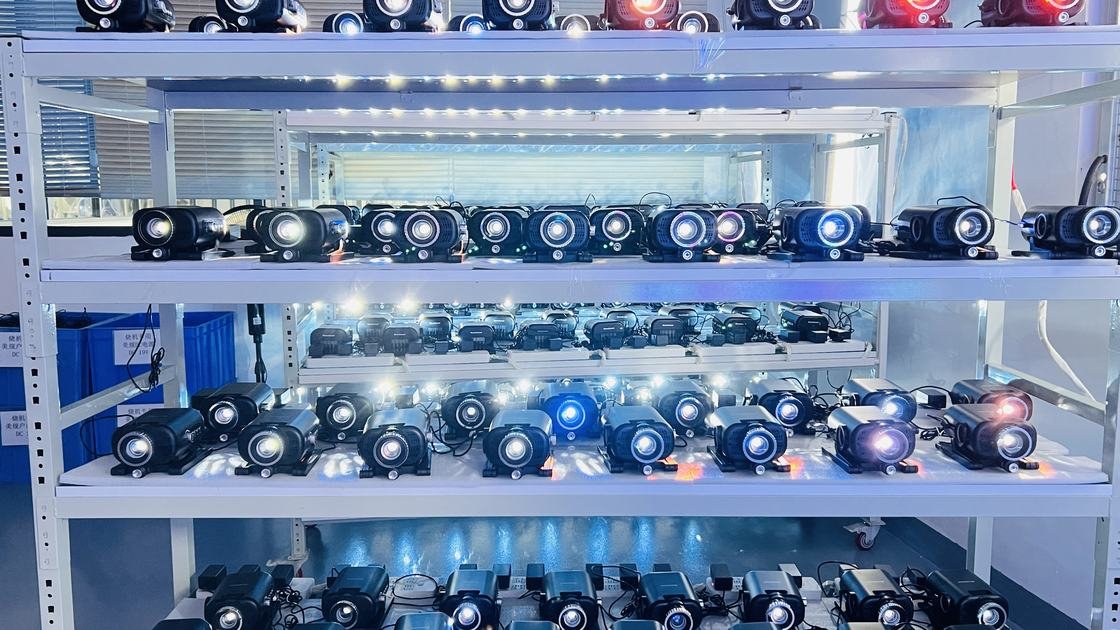
Risk · sample-to-bulk drift
Signed sample plus unit-by-unit aging
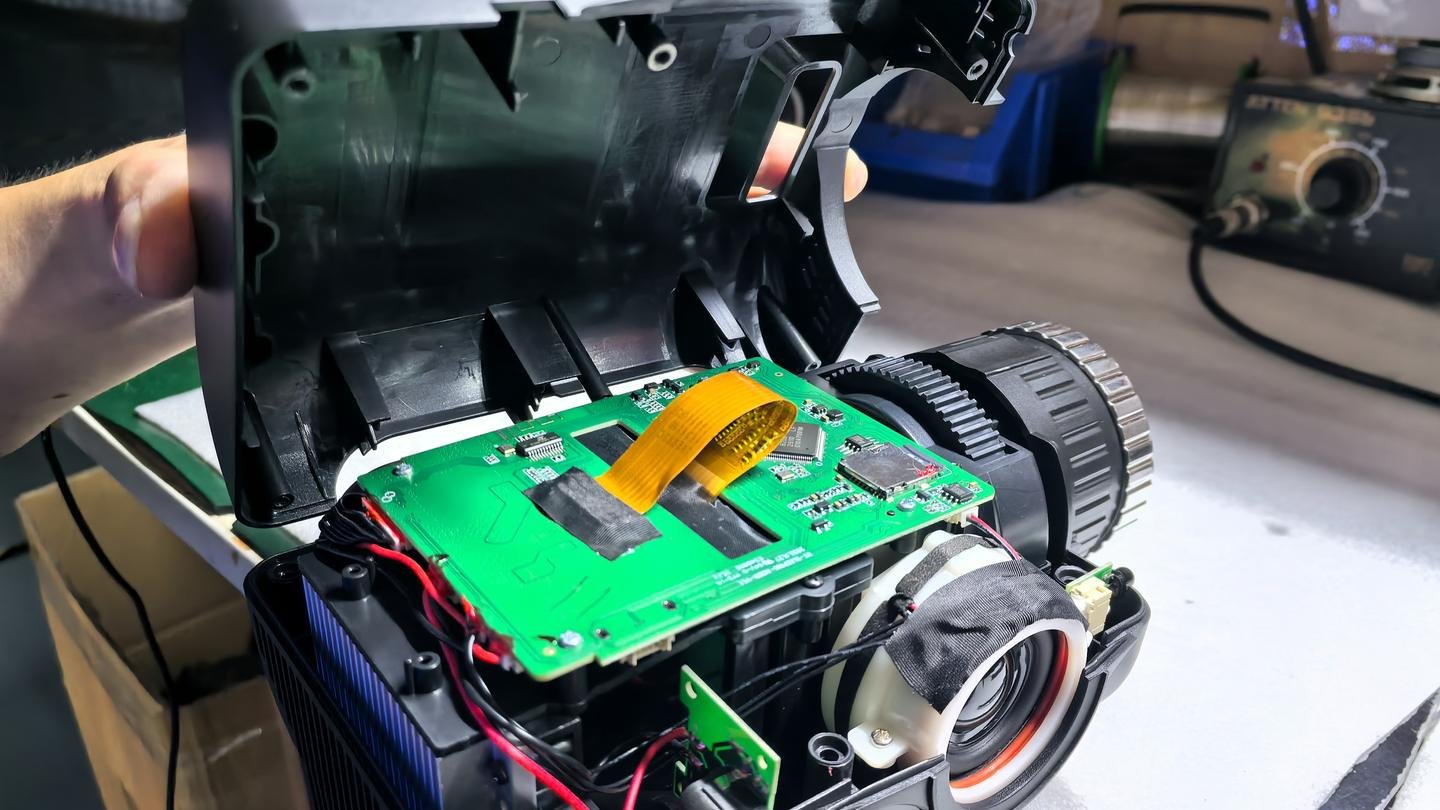
Both sides retain the approved sample, mass production is compared against it, and each unit receives roughly eight hours of aging.
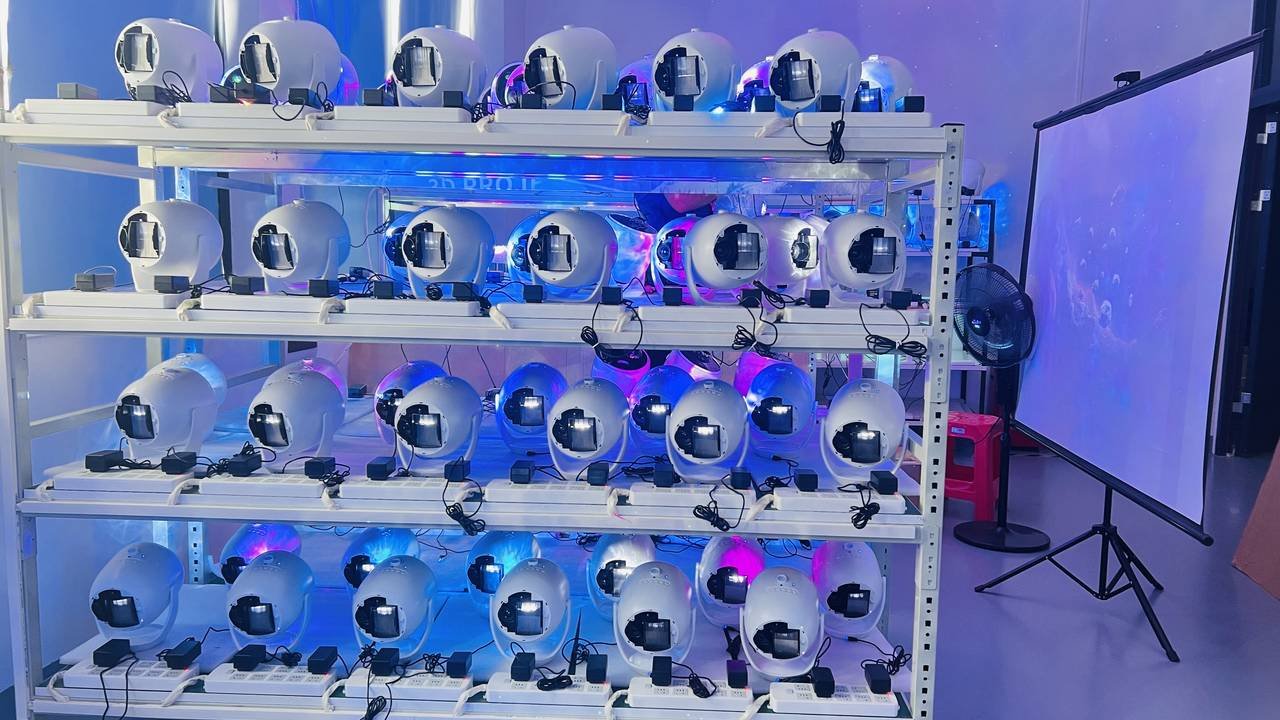
Risk · interrupted sales
Target-market files and laser release checks
We confirm the applicable certification for the exact product and market. Every laser product we ship must pass our Class 1 release requirement before shipment.
Risk · stranded tooling
Prototype gate and customer-owned mold
You review the 3D or functional prototype before tooling. You fund the mold and retain full ownership.
Certification controls market access
We confirm the applicable product and destination-market file set instead of displaying a blanket badge wall. A product change beyond color means that certification work must be done again.
Patents reduce design-origin risk
We hold more than 200 patents. We provide supporting patent evidence to qualified buyers on request; we do not publish patent numbers as a public list.
Commercial reference points
Enough detail to plan — without pretending every project is standard
| Scenario | MOQ | Lead-time reference | What changes |
|---|---|---|---|
| Standard existing product | Normally 1,000 pcs | 35-day production benchmark | Exact model, packaging, label and market documents |
| Non-neutral housing color | About 1,000 pcs | Sample timing and production start confirmed per quote | Color sample, signed reference and packaging |
| New-tooling product | 2,000 pcs and above | About 95 days after ID confirmation | Tooling, development, recertification and signed mass-production sample |
Warranty
1 year
Scope confirmed in the quotation.
Tooling ownership
Yours
You fund it and retain full ownership.
Opening deposit
30%
Of tooling and development costs.
Pricing
Project-specific
Shared privately after feasibility review.
Capacity behind the process
Engineering depth matters after the brief is accepted
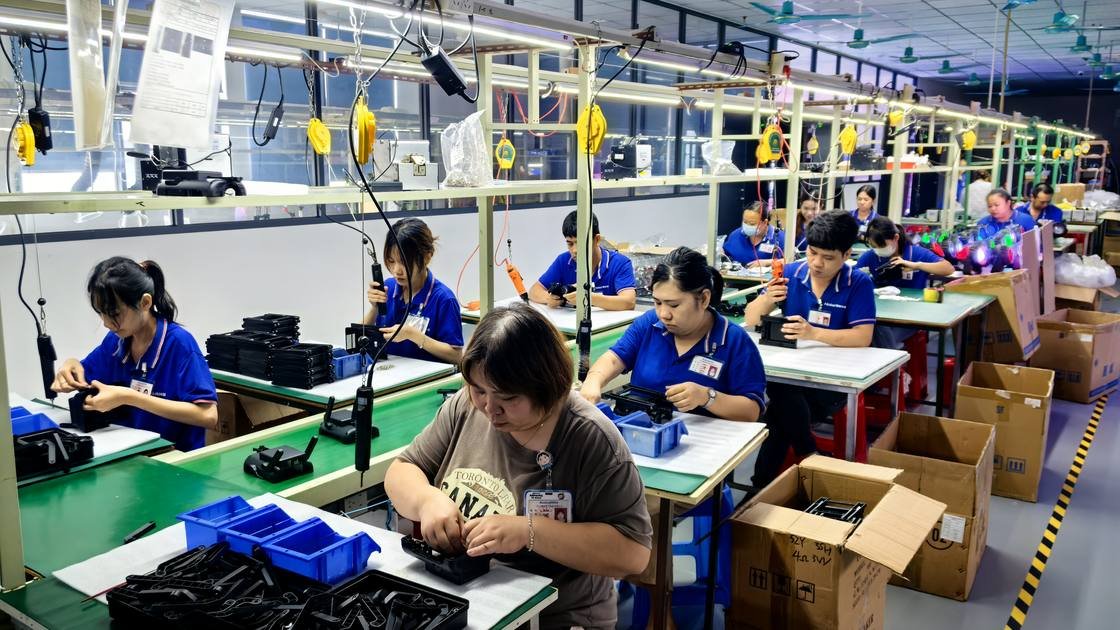
These figures support the development and production process; they are not a substitute for the project gates above.
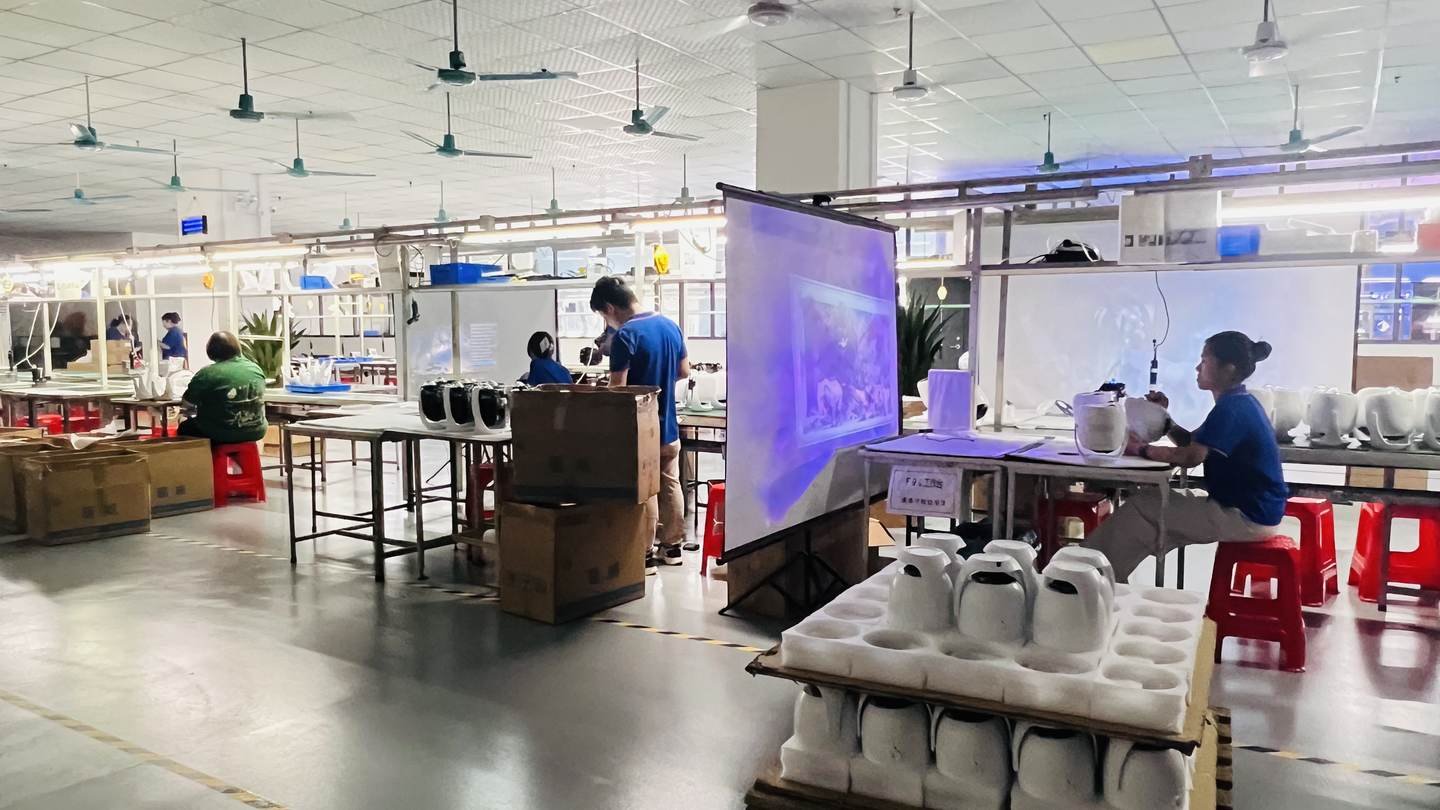
- Our factory
- 5,000+ m²
- Production lines
- 5+
- Annual capacity
- 1M+
- R&D team
- 15+
- OEM projects/year
- 20+
- Patents
- 200+
We have approximately 200 employees; about 75% have been with us for seven years or more. We invest approximately RMB 5 million in R&D each year.
Boundaries create predictability
What we will not assume in a quotation
Every OEM/ODM project is different. There is no standard version, standard public price or automatic software promise.
No cross-model certification claim
We confirm files for the selected product and destination market.
No hidden “minor” structure change
Beyond color, product changes trigger the new-product path.
No assumed app or cloud customization
Software scope must be confirmed before it enters feasibility or pricing.
No public customer case invented to fill a gap
We assess each current OEM project individually and do not present it as a reusable standard case.
Buyer questions
OEM/ODM FAQ
Does my requested change require a new mold?
Only a housing-color change stays outside the tooling path. A new exterior shape, structure, optical system, circuit or function requires tooling and is treated as a new product.
What is the MOQ?
Our normal benchmark for an existing product is 1,000 pieces. A non-neutral housing color is normally around 1,000 pieces. A new-tooling product starts at 2,000 pieces. We confirm the exact model and configuration in your quotation.
Will my existing certification remain valid after customization?
A housing-color change does not require us to redo certification. We treat changes to exterior shape, structure, optics, circuitry or function as a new product and complete the applicable certification work again. We still confirm label, manual and destination-market requirements for your exact order.
Who owns the mold?
You fund the mold and retain full ownership. If you need a specific exclusivity arrangement, include it in your project brief so we can confirm it in writing.
How long does a new-tooling project take?
From confirmed industrial design, allow about 60 days to trial production and another 35 days for mass production after approval — about 95 days in total. Two things sit outside that number: your industrial-design time, because our development timeline starts only after you confirm the ID, and your sample-approval turnaround at the trial-production stage. We state the exact start point in your quotation.
What does the approved sample lock, and when can I no longer change the design?
For a color project, both sides retain the signed sample and mass production is compared against it. For a new-tooling project, the 3D or functional prototype is the last practical design-change gate. Once tooling begins, the project cannot simply return to the design stage.
Can you provide evidence for the patent portfolio?
We hold more than 200 patents. We do not publish patent numbers as a public list, but we provide supporting evidence to qualified buyers on request.
Can you support a factory audit?
Yes. We have an established third-party factory audit history, including BSCI and WCA. These programmes run on a buyer-initiated cycle, so if your compliance team requires a current audit report for this order, say so in your brief and we will arrange it.
Why are there no standard OEM/ODM prices on this page?
There is no standard version of a tooling project. Cost depends on the product, mold, circuit and optical work required. We first confirm feasibility and scope, then quote the exact project privately.
One commercial outcome
Submit a brief we can evaluate, not a message we have to restart.
We use your product path, target market, quantity, change scope and launch timing to return a feasibility view, a matched starting product where relevant, and the next project step.
Feasibility and path check
Matching one of our existing products, when applicable
Required inputs, documents and next approval gate
Optional drawing upload
Up to 5 files, 10 MB each. PDF, Office, JPG, PNG, WebP, PSD or TIFF. Compressed archives and executable files are not accepted.
Need to choose the starting product first?
Use the product decision pages before submitting a private-label brief.