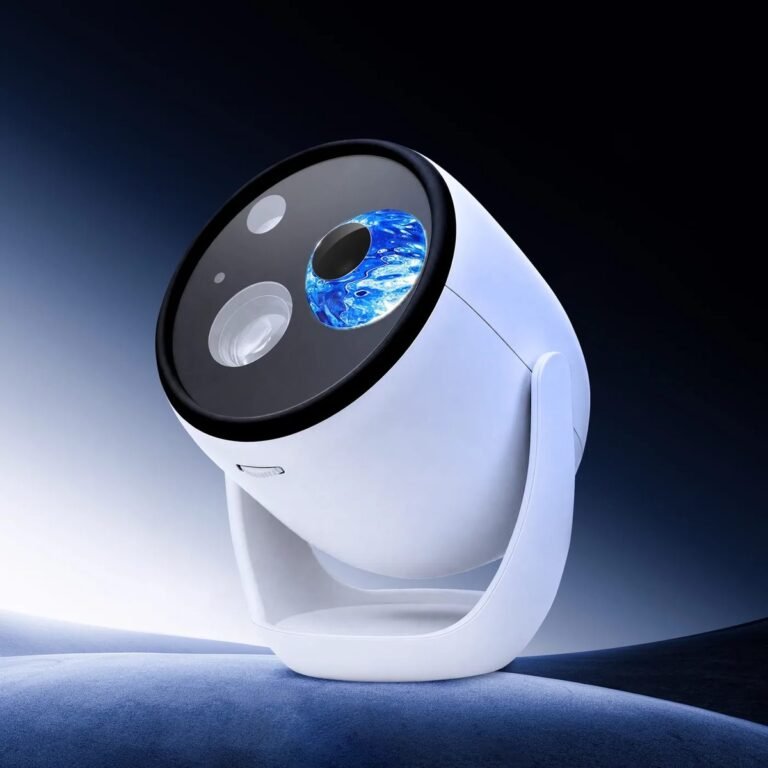


When an importer asks for compliance documents, the normal response is a folder full of PDFs. The file names look reassuring, the laboratory logo looks formal, and the first page contains the standard the buyer expected. Trouble begins when nobody checks whether the projector on the purchase order is the product described by the report. The problem is not that every supplier is hiding something. The problem is that compliance files move through sales teams as documents, while buyers need them to function as model-specific evidence.
A test report is useful only when you can connect its applicant, tested model, added models, standard and current product to the exact item you plan to buy. A familiar logo or a long model list is not enough. Read the cover, the model table and the notes that explain how each model entered that table.
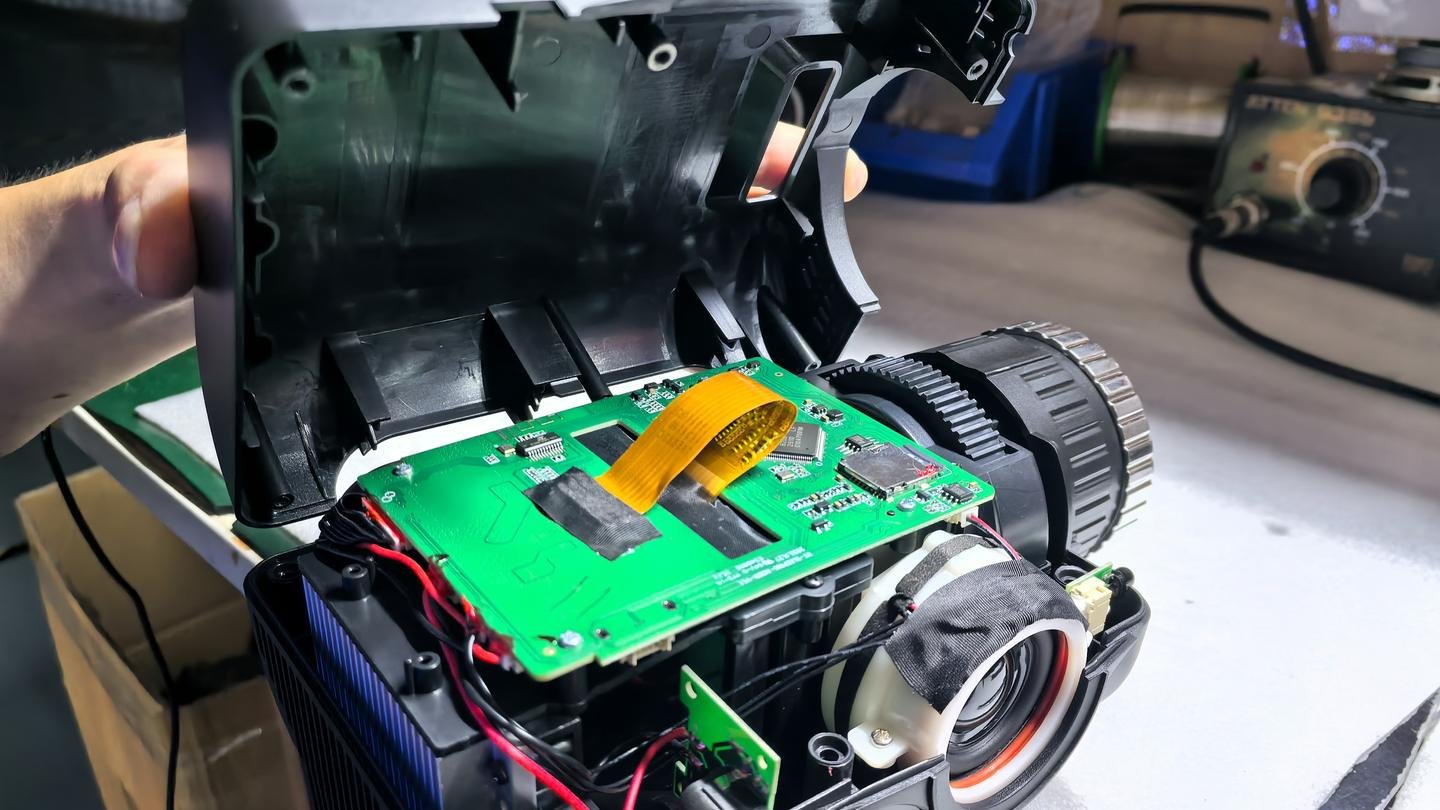
I read a report in the same order I trace a unit through our factory: identity first, then scope, then the control that applies to the individual unit. Below, I will show where the model boundary hides, why a report and a production test answer different questions, and how to turn a PDF folder into a model-by-model compliance sheet your team can actually use.
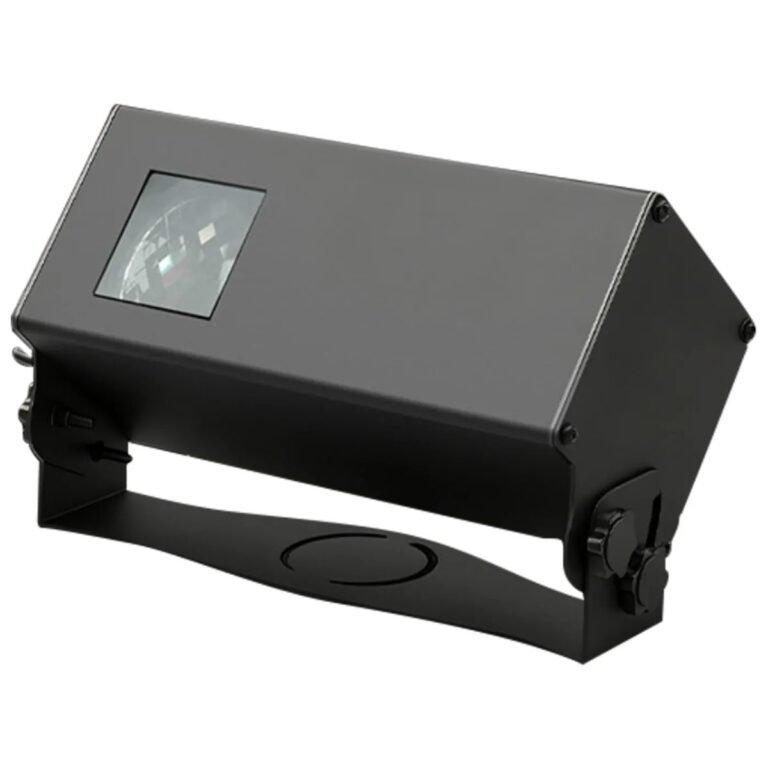
The method applies across our indoor star projector range and outdoor projector range; the complete product catalog is navigation, while the evidence still has to stay attached to each item.
Why Can Two Suppliers Show the Same Kind of Report but Mean Different Things?
Procurement teams often compare reports by standard name and expiry date. That misses the question most likely to break the chain: what physical product does the document describe?
Two suppliers can present reports under the same standard while offering products with different relationships to those reports. One may be selling the tested model, another an added serial model, and a third a later variation that sales assumes is covered. The document type is the same; the evidence path is not.
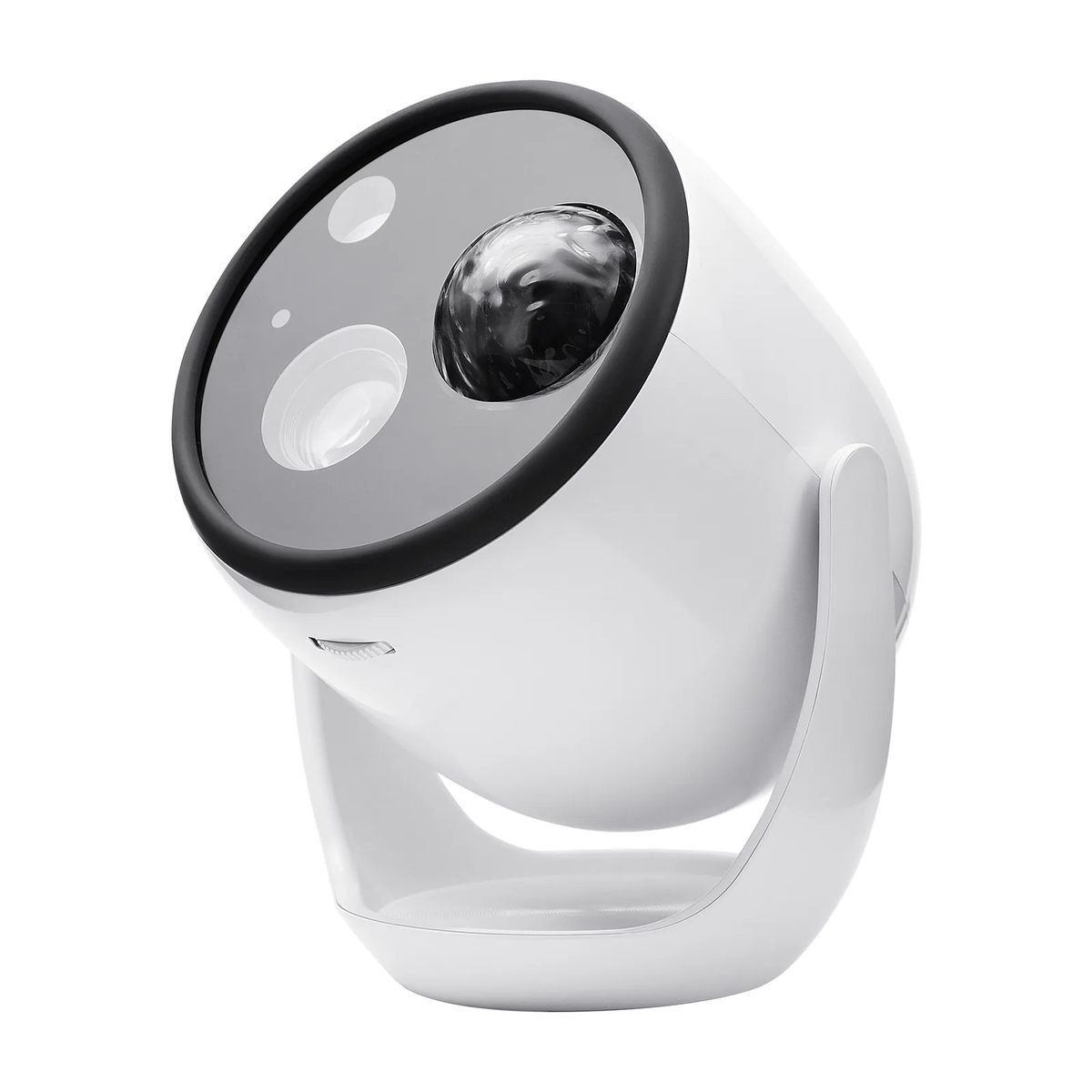
Start by separating five identities that sales conversations often collapse into one:
| Identity | Where to find it | What it answers |
|---|---|---|
| Applicant | Report cover | Who requested and owns the report relationship |
| Manufacturer | Cover, application data or annex | Who the document identifies as making the product |
| Tested model | Model table and test-sample section | Which model was actually submitted for testing |
| Serial or additional models | Model table, annex or declaration | Which related models were added and on what basis |
| Purchased item | PO, artwork, sample label and product record | What you will actually receive |
Those five lines do not have to contain identical wording. A public brand name, a factory model and a buyer's private-label model may legitimately differ. But the supplier must be able to show the mapping. “Same series” is a conclusion; it is not the mapping itself.
I ask for the chain in plain language: show me the tested product, show me where the offered product appears, and show me why the difference does not change the tested construction. A supplier who understands the report can answer without turning the call into a legal lecture.
The most dangerous handoff is usually not laboratory to factory. It is product team to sales team. A report enters the shared drive, the filename becomes shorthand for an entire family, and a new variant later inherits that shorthand. By the time a buyer receives the PDF, the internal assumption has become invisible.
A report can be genuine and still be the wrong evidence for the product on your purchase order. Authenticity and applicability are separate checks.
What Does “Serial Models” Actually Mean in a Test Report?
Buyers see a long model list and naturally read it as a long list of fully tested products. The notes beneath that list may describe a more limited process.
“Serial models” normally means the report groups related models under one assessment, but the exact basis matters.1 Read which unit was tested, what differences were declared and whether additional models were included through comparison or an applicant declaration. Do not translate a long list into “every model was separately tested.”2
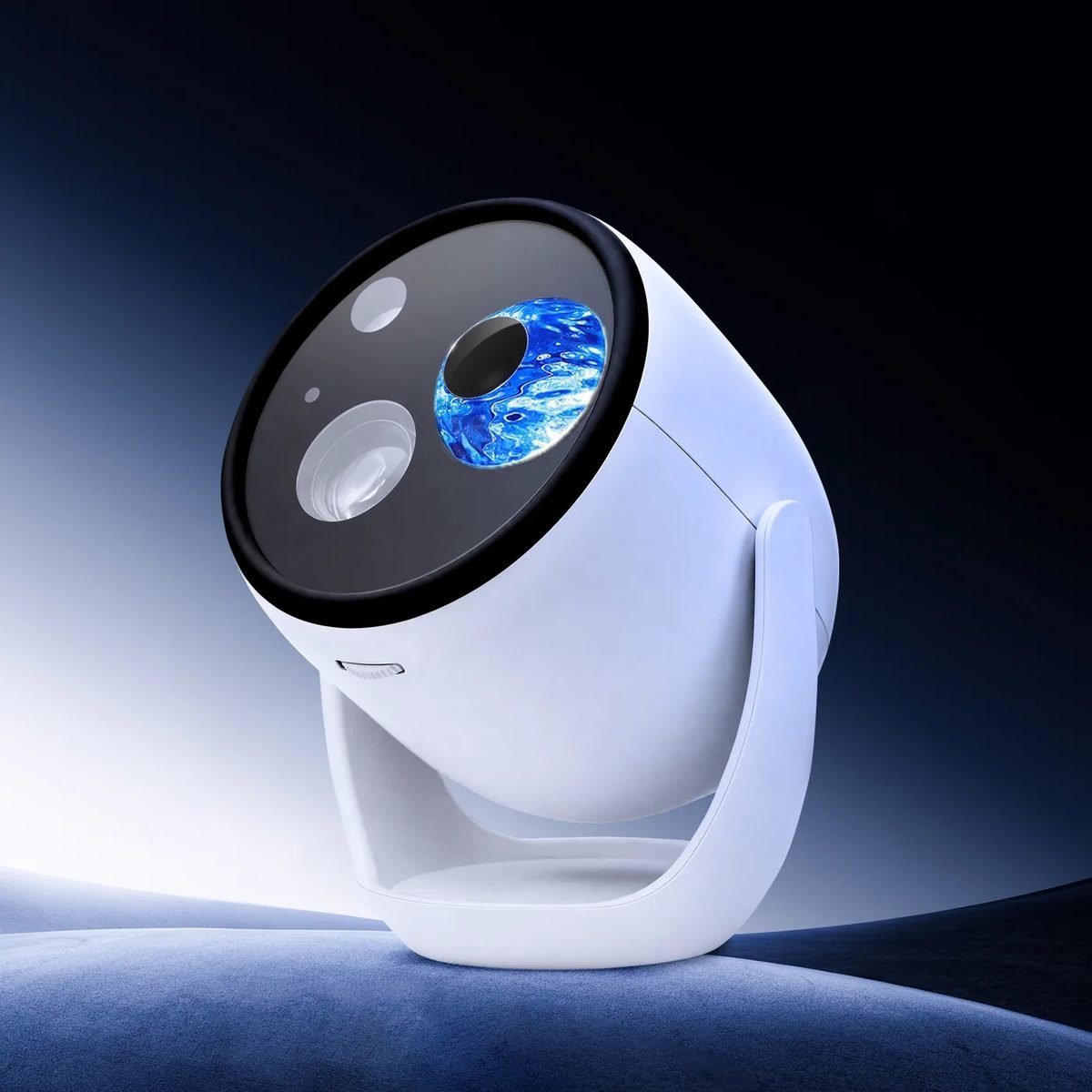
The serial-model mechanism is not automatically a defect. Testing every colour, housing suffix or commercial name as a completely independent product could add cost without adding meaningful evidence when the safety-relevant construction is unchanged. The problem begins when the grouping basis is not explained to the buyer.
Read the report for four pieces of language:
- The tested sample. Which precise model was received by the laboratory?
- The difference statement. Which construction, component or cosmetic differences separate the added models?
- The responsibility statement. Did the laboratory evaluate the equivalence, or did the applicant provide a declaration?
- The limitation note. Does the report state that added models were not individually tested?
Our archived compliance files contain serial-model notes that explicitly distinguish the tested base model from additional models. That is not a sentence to hide. It is the sentence a buyer needs in order to decide whether the relationship is acceptable for the intended market and channel.
How to Interpret the Difference Statement
A useful difference statement is specific enough to connect to the bill of materials and risk being evaluated. A colour change may be irrelevant to an electrical test. A different laser module, power adapter, enclosure opening or control board may not be.3 The label “variant” tells you nothing until the construction difference is named.
| Difference described | Buyer response | Why |
|---|---|---|
| Housing colour only | Confirm the safety-relevant construction is unchanged | Cosmetic variation may not change the test basis |
| Commercial name or private-label code | Request the mapping document and label artwork | Naming can change while construction stays fixed |
| Power adapter changes | Ask whether the adapter appears in the report or supporting file | The supplied system may differ from the tested system |
| Optical or laser module changes | Request product-specific review | The change may affect the claim being relied on |
| Control board or wireless module changes | Check the applicable report scope again | Electrical and radio evidence may have different boundaries |
The right answer is not always “commission another full report.” The right answer is to make the change visible and let the responsible compliance reviewer decide what evidence is required.
Which Pages Should You Request Before Approving a Projector?
A report cover can confirm the laboratory and applicant while hiding every model detail that matters. Buyers need a compact evidence pack, not a cropped certificate image.
Ask for the report cover, model table, tested-sample identification, serial-model or difference notes, conclusion page and any referenced component schedule.4 These pages let you trace the offered projector without demanding an entire confidential technical file at the first conversation.
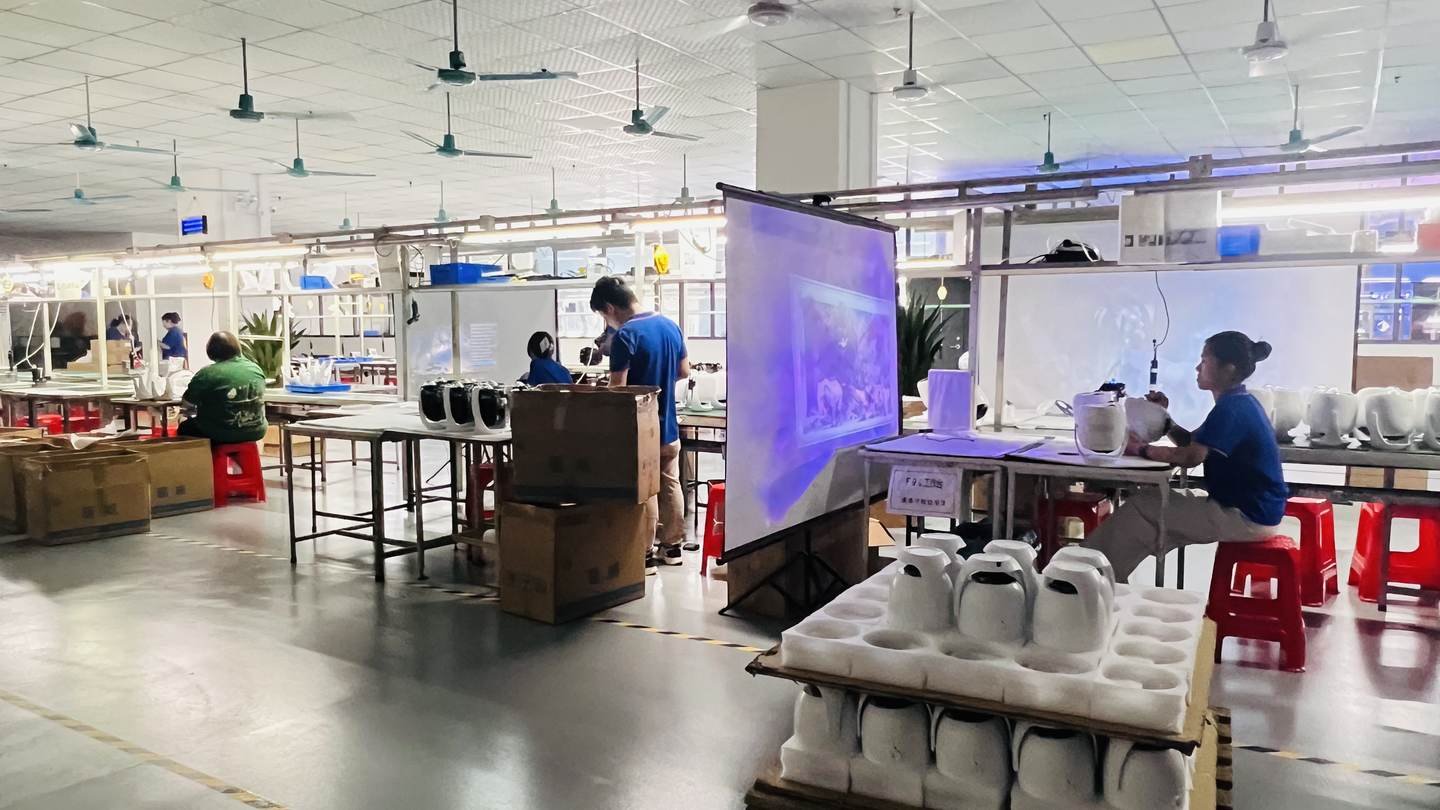
I would put the request into an RFQ as a table. That makes omissions visible before the buyer's compliance team spends time opening attachments.
| Evidence requested | Minimum useful content | Weak substitute |
|---|---|---|
| Report cover | Applicant, manufacturer if stated, standard, report number and date | A logo cropped from the first page |
| Model table | Tested model and all added models | “Covers the series” in an email |
| Difference note | What changes and what stays the same | A list with no construction explanation |
| Tested-sample page | Identity of the unit received by the lab | Product photo pasted into a sales deck |
| Conclusion page | Result and applicable edition or criteria | A badge icon on a catalog page |
| Product mapping | Factory model to Bowlum SKU or buyer SKU | Similar-looking housing |
Publicly, we use Bowlum SKUs such as BWL-3D-001. Internally, the factory keeps the procurement mapping needed to connect that public identity to the manufacturing record. A private-label buyer should maintain the same discipline: one controlled mapping from the buyer's sellable SKU to the supplied product and its evidence.
The One-Page Compliance Sheet
The most useful output is not another folder. It is one row per purchased product:
| Buyer SKU | Supplier product | Market/channel | Evidence held | Model relationship | Open action | Owner |
|---|---|---|---|---|---|---|
| [Your SKU] | [Offered item] | [Target] | [Report IDs] | Tested / added / pending | [Action] | [Name] |
Keep “pending” as a real state. If the supplier says a report exists but the current sales contact has not retrieved it, record that as business information awaiting the file. Do not turn it into “verified,” and do not turn it into “no evidence exists.” Those are three different facts.
How Is a Laboratory Report Different From Factory Unit-by-Unit Testing?
A certificate is often treated as the final answer to product safety. It answers what happened to a submitted sample under a defined assessment; it does not describe every unit in a shipment.5
Laboratory evidence and factory release controls solve different problems.6 A report supports a product claim against a standard and scope. Unit-by-unit controls show what the factory did to each unit before release. Strong sourcing requires both, with neither used to impersonate the other.
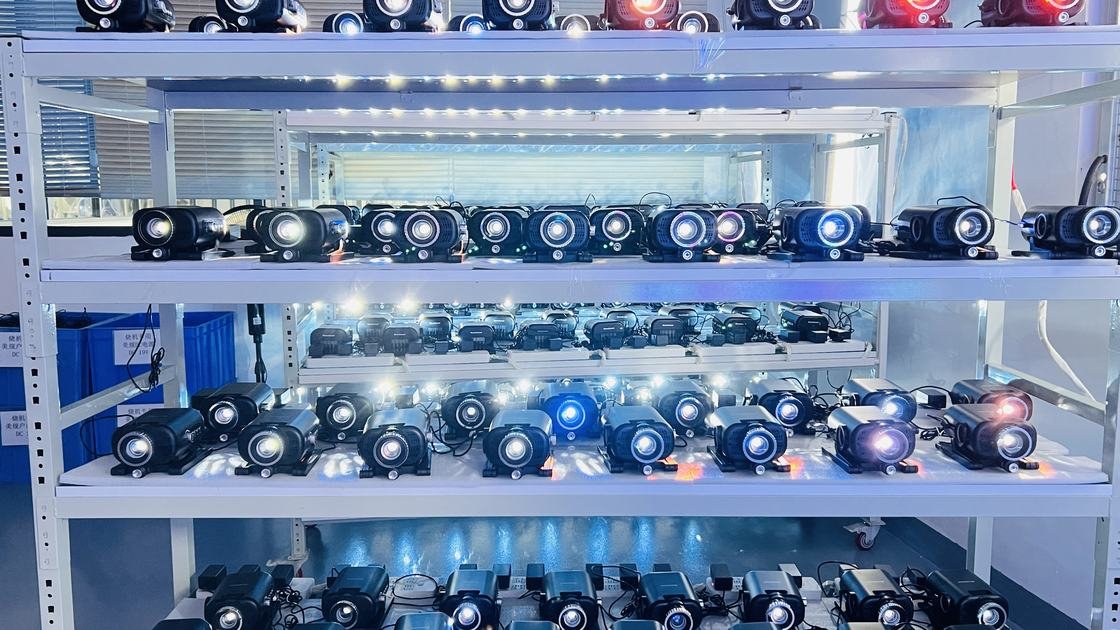
At our factory, each unit goes through roughly eight hours of aging. Laser products also have to meet our Class 1 release requirement7 in our own laser test room before shipment. These are factory controls applied to individual units, not a claim that every model shares the same external report.
That distinction matters because buyers are usually asking two questions at once:
- Can I place this product in my market and channel? The answer depends on the exact product, market, standard, documentation and responsible review.
- What happened to the individual units in my shipment? The answer depends on production controls, records, sampling or unit-by-unit checks, and the agreed acceptance plan.
| Control | Unit of evidence | Strong question to ask |
|---|---|---|
| Laboratory report | Submitted sample and report scope | Which offered product does this report support? |
| Serial-model rationale | Relationship among related models | What differs from the tested base model? |
| Aging test | Individual production unit | Is every unit operated, and for approximately how long? |
| Laser release check | Individual laser unit | What must the unit satisfy before it can ship? |
| Pre-shipment inspection | Lot or defined sample | What sampling plan and defects are used? |
The report cannot tell you that a connector was seated correctly on Tuesday's production.8 The aging rack cannot tell your marketplace reviewer whether the submitted compliance document identifies the product. Each control is strongest when it stays inside its boundary.
What Can Our Current Document Set Prove—and What Still Needs Retrieval?
Factories are tempted to answer this question with the broadest possible certification list. That makes the brochure look complete and makes product-level review harder.
Our current position is deliberately split between documents we can place in front of a buyer now, records the factory says it holds but still needs to retrieve, and production controls we perform on units. We do not convert those three states into one blanket claim across the catalog.
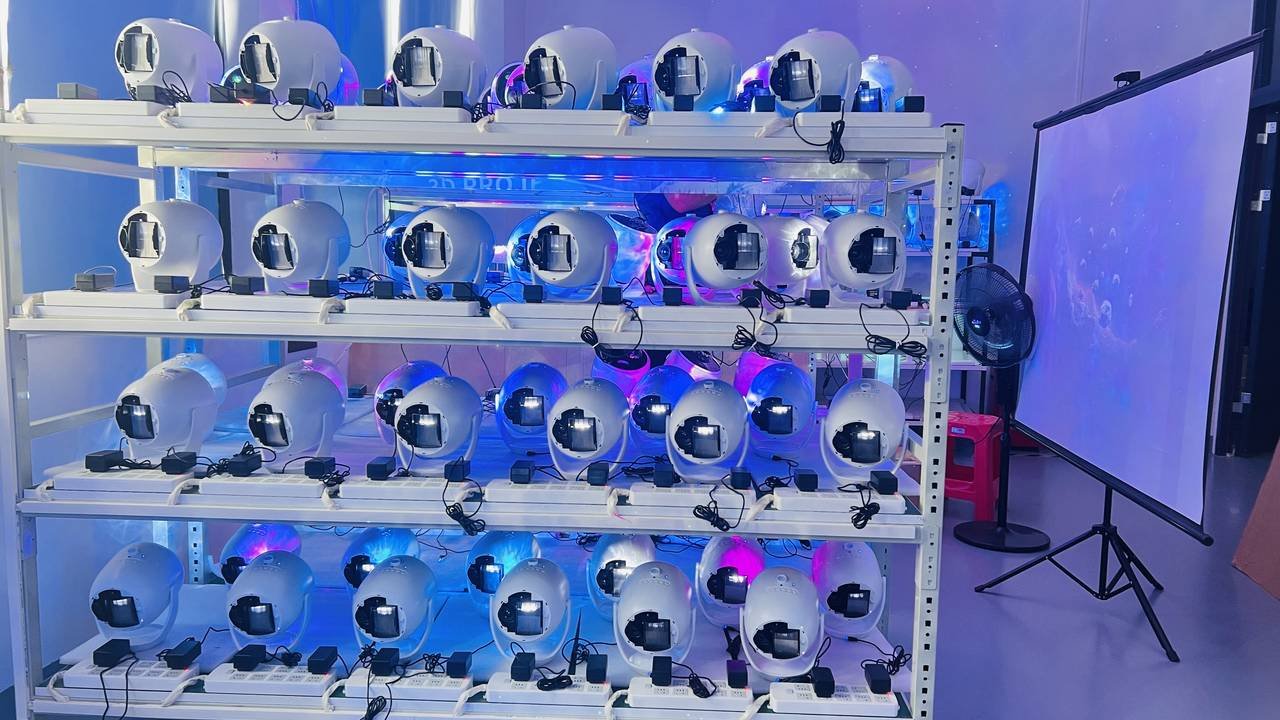
The distinction protects the buyer from two opposite errors. One is overstating evidence because the factory has extensive historical documentation. The other is understating capability because a particular PDF has not yet reached the current sales folder.
For BWL-3D-001, our catalog records a Class 1 laser specification and product-specific optical information. For any buyer relying on a report, the next step remains the same: retrieve the applicable file, inspect its model scope, and confirm the offered configuration. We do not use that one product record to make a catalog-wide sentence.
Our factory has extensive certification experience and can arrange customer-initiated audits. It also maintains more than 200 patents. Those facts matter during supplier evaluation, but they do not remove the need to inspect the evidence attached to the product a buyer will sell.
A Composite Compliance Review Built on a Real Document Problem
Imagine an importer's compliance colleague reading past the cover and circling the serial-model note. The question is not “Is this report fake?” It is “Was the product I am buying tested, added by a documented comparison, or merely assumed to belong?”
My useful answer is not a defensive yes. I would place the tested model, offered product and difference note in one row, then mark any missing file for retrieval. If the current configuration cannot be mapped, it stays open. The buyer now has a decision, not a reassurance.
That scenario is composite, but the conflict is real: our archived reports do contain model-scope language that a cover-only review would miss, and our live evidence status genuinely separates files in hand from factory-attested coverage.
The honest sentence “I need to retrieve that report” is stronger than “we have everything” when the next step is named, owned and closed before production.
How Do You Build a Model-by-Model Compliance Sheet Before Ordering?
Teams usually build this sheet after a platform request or customs problem. Its value is highest before the sample is approved, while product and component choices can still change.
Create one controlled row for every sellable SKU, and do not let evidence inherit across rows without a documented relationship. Add market, channel, configuration, report identity, model status, production control and open action. Review it again when artwork, adapter, wireless module or optical configuration changes.
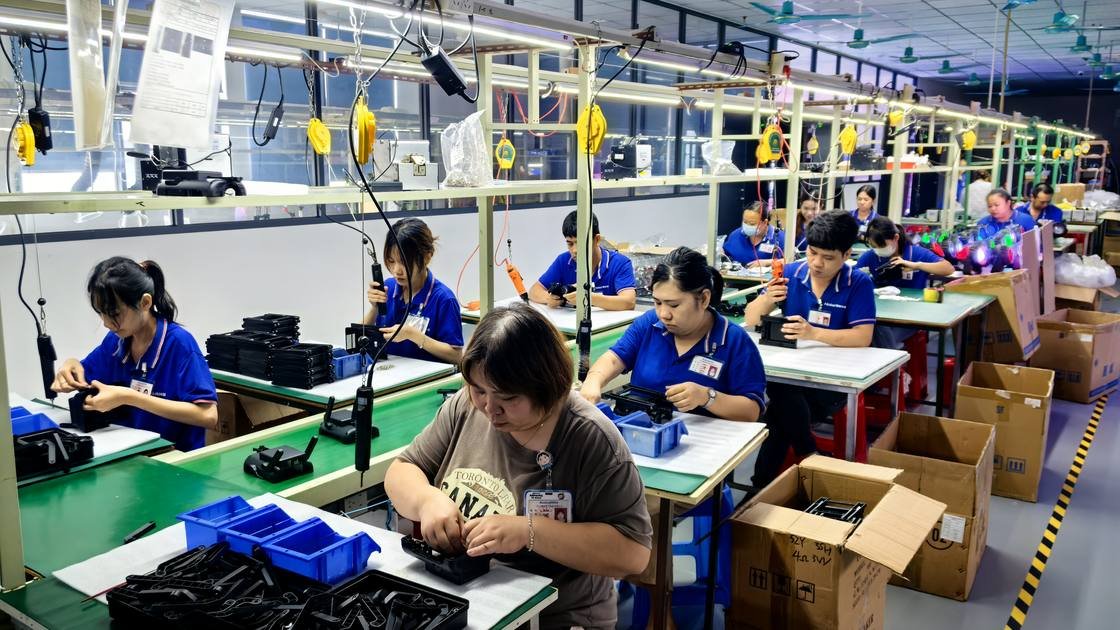
Use this sequence:
- Freeze the offered configuration. Record product SKU, adapter, wireless option, laser or LED configuration and any private-label changes.
- Define the destination. Country is not enough when platforms, retailers and project customers impose different document requests.
- Map the evidence. Add report number, standard, tested model and the offered product's status.
- Record factory controls separately. Include aging, laser release and any agreed shipment inspection without calling them certificates.
- Name every gap. “Supplier retrieving annex” is actionable. “Compliance pending” is not.
- Set a release condition. Decide which gaps must close before sample approval, packaging print, production or shipment.
- Version the sheet. A later component or model change must not silently inherit the earlier approval.
The sheet also improves supplier comparison. Instead of counting badges, compare the quality of the answer:
| Buyer question | Weak answer | Decision-grade answer |
|---|---|---|
| Which model was tested? | “This is our certificate.” | Tested model and page reference |
| Does it cover my SKU? | “Same family.” | Controlled mapping plus difference basis |
| What changed for my private label? | “Only branding.” | Artwork, label and construction changes listed |
| What happens to every unit? | “Quality checked.” | Named factory control and release rule |
| What is still missing? | “Nothing to worry about.” | Gap, owner and deadline |
Any supplier who refuses to discuss tested-model identity, added-model basis and configuration changes is asking the buyer to accept an invisible assumption. That assumption will still exist when the shipment arrives; it will simply be more expensive to resolve.
What Are the Limits of This Verification Method?
A clean mapping sheet can create false confidence if the underlying configuration changes or the destination requirement is poorly defined. Documentation review is a control, not a guarantee that nothing can go wrong.
Model mapping reduces avoidable evidence gaps, but it does not replace professional market review, shipment inspection or change control. Reports can become outdated, components can change9, and a marketplace can request evidence differently from a customs authority or retailer. Keep the mapping current and tie it to the supplied configuration.
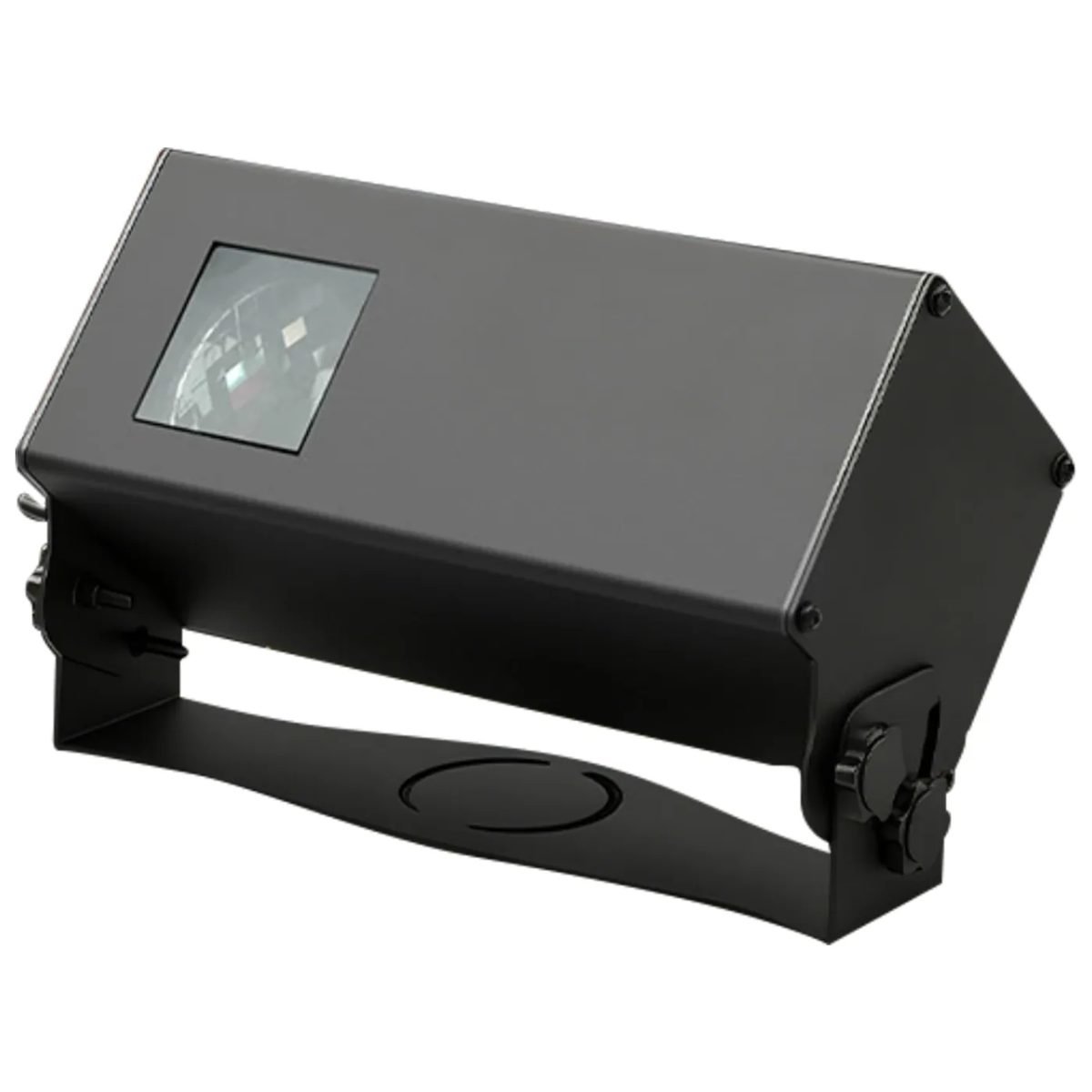
The method has four practical limits:
- It cannot define your legal obligations. The importer remains responsible for understanding the destination and channel.
- It cannot prove unchanged production. That requires configuration control and inspection evidence.
- It cannot make missing annexes appear. A gap stays a gap until the source file is retrieved and reviewed.
- It cannot turn a company-level audit into product evidence. Factory systems and product claims belong on separate rows.
This is the risk-disclosure section I wish more supplier guides included. A good report review does not produce the sentence “compliance solved.” It produces a shorter, more accurate list of open questions, each connected to an owner and release point.
For importers, that is enough to change the buying decision. One supplier may have a thicker folder but no product mapping. Another may have fewer files in the first email but a disciplined path from product to report to production control. I know which one will be easier to work with when a reviewer asks a specific question six months later.
Conclusion
The most important compliance question is not “How many certificates does this supplier have?” It is “Can I trace the product I am buying to the evidence and controls being presented?” Start with identity, read beyond the cover, separate tested models from additional models, and keep factory unit checks in their proper role. Leave unknowns visible until the file or mapping closes them. A supplier who can explain the boundary of a document is giving you more usable evidence than one who sends a larger folder and asks you not to look inside.
Frequently Asked Questions
Does every model listed in a test report get tested separately?
No. A report may identify one tested model and add related serial models through a documented comparison or applicant declaration. Read the tested-sample page and the notes beneath the model table.
What pages should I request from a projector test report?
Request the cover, model table, tested-sample identification, difference or serial-model notes, conclusion and relevant component schedule. Those pages normally reveal whether the offered product can be traced.
Is a genuine report always valid for the product I am buying?
No. [Authenticity and applicability are different checks.](https://arxiv.org/html/2502.10398v2)[^10] A genuine report can identify a different model, configuration or applicant relationship from the product on your purchase order.
Can factory aging replace a laboratory report?
No. Aging shows what happened to production units during factory control, while a laboratory report supports a defined claim and scope. Buyers should verify both without treating them as interchangeable.
How should a private-label SKU appear in the evidence chain?
Keep a controlled mapping from the private-label SKU to the supplier product, configuration and applicable report model. [The commercial name can differ, but the relationship must remain reviewable.](https://www.fda.gov/food/food-safety-modernization-act-fsma/fsma-final-rule-requirements-additional-traceability-records-certain-foods)[^11]
What does “same series” prove?
By itself, nothing. Ask which construction differences exist, who evaluated them and where the report records the relationship to the tested model.
When should I update a compliance mapping sheet?
Update it whenever the adapter, optical module, control board, wireless option, enclosure, label or destination requirement changes. Version it before production so earlier approval is not inherited silently.
"ASPD: Unlocking Adaptive Serial-Parallel Decoding by ...", https://arxiv.org/html/2508.08895v2. Institutional conformity-assessment guidance explains that a report may cover related model variants through a stated comparison or equivalence basis rather than through separate testing of every commercial model. Evidence role: definition; source type: institution. Supports: The source should define or explain how related or additional models may be included in a test report and identify the conditions attached to that inclusion.. Scope note: “Serial models” is not necessarily a standardized term across all laboratories or product sectors, so the report’s own terminology remains controlling. ↩
"Example of a well-written lab report - Online Writing Lab", https://www.reed.edu/writing/paper_help/labreport_good.html. Conformity-assessment guidance recognizes that documentation may address product variants through representative testing and documented technical justification rather than separate testing of every model designation. Evidence role: general_support; source type: government. Supports: The source should show that conformity documentation can use representative products, model families, or documented extensions instead of separately testing every listed commercial variant.. Scope note: Whether a particular model list is sufficient must be determined from the applicable standard, technical file, laboratory procedure, and documented differences. ↩
"Establishing assembly-oriented modular product ...", https://arxiv.org/html/2510.11089v1. Engineering and conformity-assessment literature links the need for reassessment to changes that can alter electrical, thermal, optical, mechanical, or electromagnetic safety characteristics, rather than to purely cosmetic changes alone. Evidence role: mechanism; source type: research. Supports: The source should explain why changes to components, power supplies, optical modules, or enclosures can alter the hazards or test conditions considered in a safety assessment.. Scope note: The significance of a specific change is product- and standard-dependent and cannot be inferred solely from the component category. ↩
"Coupled Requirements-driven Testing of CPS in Simulation and ...", https://arxiv.org/html/2403.16287v2. Laboratory-report guidance identifies sample or product identification, client information, applied methods, scope, and results as core elements for interpreting a test report. Evidence role: general_support; source type: institution. Supports: The source should identify the information normally needed in a laboratory report to establish the applicant, product or sample identity, test scope, and results.. Scope note: The exact page names and disclosure requirements differ among laboratories, standards, accreditation rules, and confidential technical files. ↩
"Baseline Laboratory Requirements", https://www.dhs.gov/sites/default/files/2024-05/24_0513_st_p25_lab_base_req.pdf. Government conformity-assessment guidance distinguishes testing or assessment of representative products from the controls required to demonstrate conformity of subsequent production. Evidence role: definition; source type: government. Supports: The source should distinguish type testing or sample-based assessment from ongoing production conformity and unit-level release controls.. Scope note: The precise evidentiary effect depends on the applicable product legislation, standard, certification scheme, and sampling arrangement. ↩
"In the Lab - Quality Assurance and Quality Control", https://www.epa.gov/choose-fish-and-shellfish-wisely/lab-quality-assurance-and-quality-control. Quality-management and conformity-assessment guidance separates evidence about a product’s assessed characteristics from manufacturing controls intended to keep successive production units consistent with those characteristics. Evidence role: definition; source type: institution. Supports: The source should distinguish product testing or design assessment from manufacturing controls that maintain conformity during production.. Scope note: Some certification schemes combine testing and factory surveillance, so the practical boundary depends on the governing scheme. ↩
"Important Information for Laser Pointer Manufacturers", https://www.fda.gov/radiation-emitting-products/laser-products-and-instruments/important-information-laser-pointer-manufacturers. Laser-safety guidance defines Class 1 products by reference to accessible emission limits under specified measurement and operating conditions. Evidence role: definition; source type: government. Supports: The source should define Class 1 under a recognized laser-safety framework and describe the relevant accessible-emission basis.. Scope note: A factory’s internal Class 1 release test is not, by itself, proof of conformity with every legal or market requirement. ↩
"Metrological Traceability: Frequently Asked Questions and NIST Policy", https://www.nist.gov/metrology/metrological-traceability. Manufacturing-quality guidance treats production records and process or inspection controls as separate evidence for demonstrating that later units conform to the assessed product configuration. Evidence role: general_support; source type: institution. Supports: The source should support the need for production records, process controls, or inspection evidence to demonstrate conformity of individual or successive production units.. Scope note: The required level of unit-level evidence varies with the product risk, applicable regulation, certification scheme, and agreed inspection plan. ↩
"Path forward - CASCO toolbox - ISO", https://casco.iso.org/path-forward.html. Regulatory guidance on product changes requires manufacturers or responsible economic operators to assess whether altered components or configurations affect the product’s demonstrated conformity. Evidence role: mechanism; source type: government. Supports: The source should explain that design or component changes must be evaluated for their effect on conformity and may require updated technical documentation or testing.. Scope note: A change does not automatically require complete retesting; the outcome depends on the affected requirement and the applicable conformity procedure. ↩