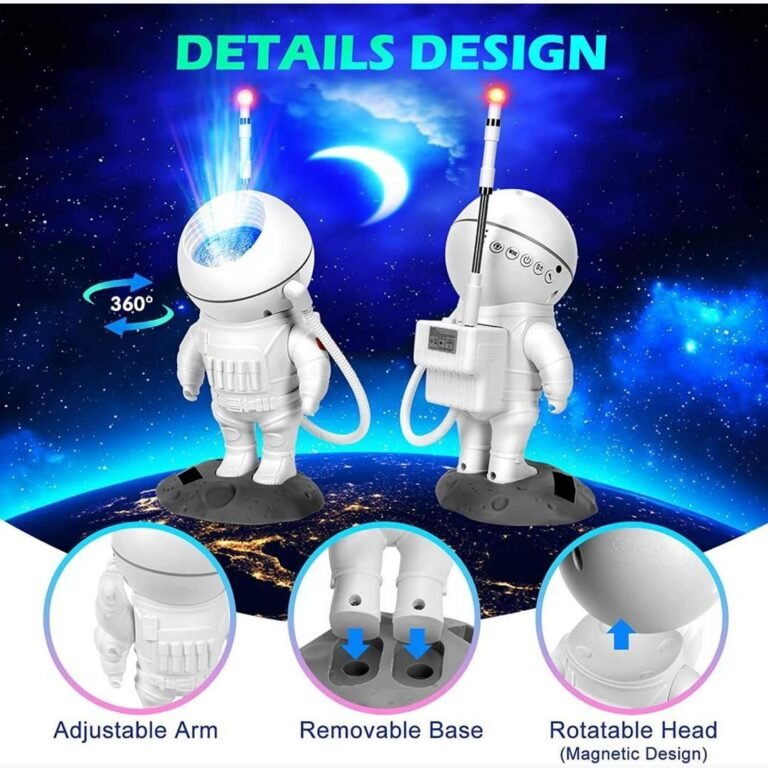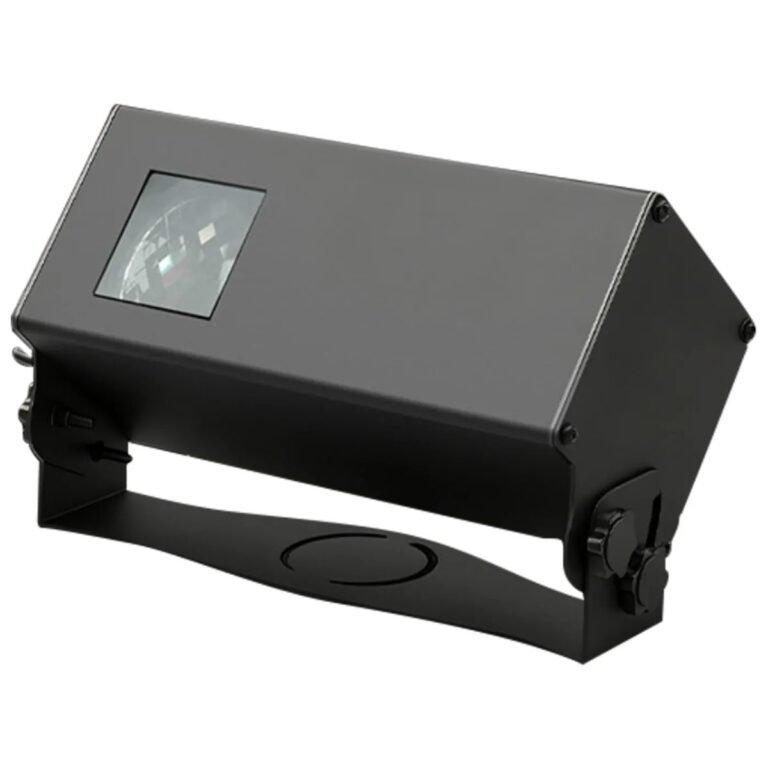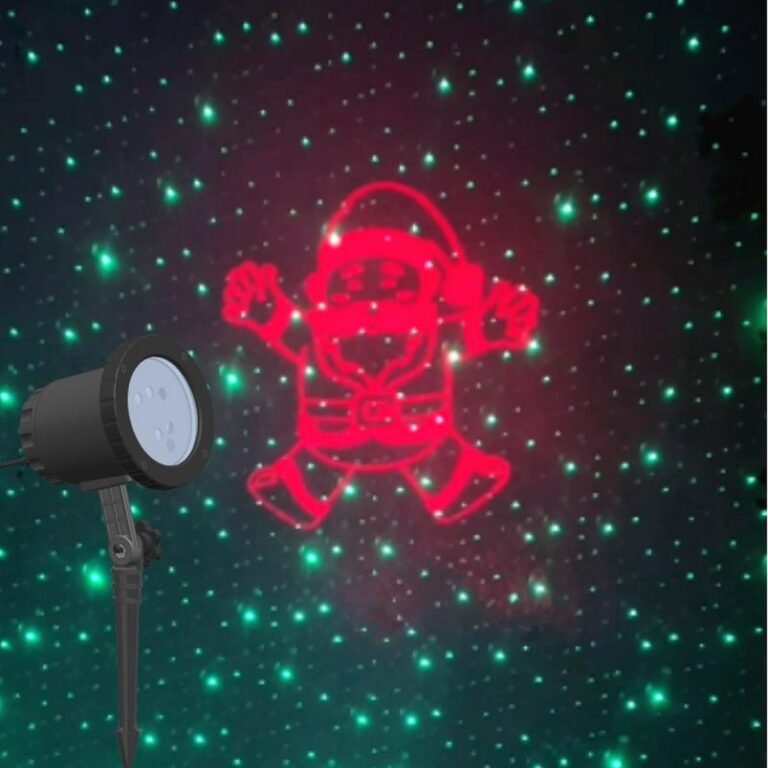

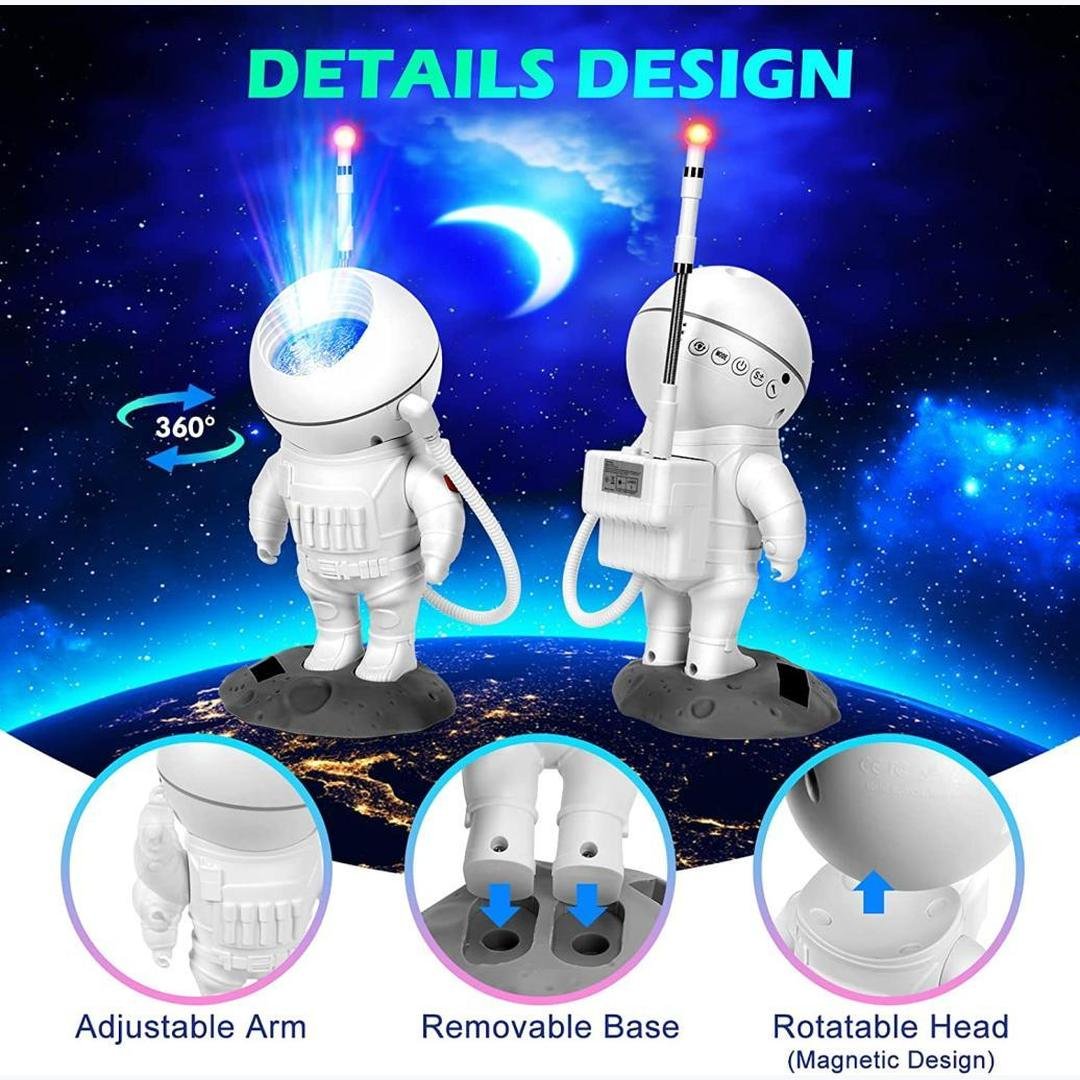
An astronaut galaxy projector is easy to understand in one image: a small character, a glowing lens and a room filled with color. That visual clarity is exactly why importers, marketplace sellers, gift channels and brands can mistake a demand signal for an inventory specification. The problem is not that trend-led buying is reckless. The problem is that the product looks decided before the buyer has defined which version, which promise, which packing record and which replenishment plan will carry the inventory.
When a buyer brings me a trend chart or a competitor screenshot, I separate three decisions. First: does the buyer’s channel have a plausible audience for this shape? Second: which product-level differences will the listing and sample promise? Third: how much uncertainty can the buyer carry after a 1,000-unit factory run? Bowlum does not sell single units. The factory path fits buyers who can define and hold a production-scale program, not someone testing a few pieces at retail.
A rising astronaut-projector trend is a reason to investigate, not a reason to commit depth. Buyers should approve inventory only after they have fixed the exact SKU, listing promise, packing completeness, sample acceptance and replenishment assumptions for their own channel.

Below, I compare BWL-SP-007 and BWL-SP-009 using only the facts in our product record. I also show where material and packing fields remain open. Buyers can see the wider star projector range, compare exact records in the product catalog, and use this method before they choose whether the astronaut shape deserves a place in their inventory.
Does a Breakout Astronaut Galaxy Projector Trend Make Inventory Safe?
Trend tools and marketplace visibility can show attention, but attention does not reveal sell-through at a specific margin, channel or season.1 A shape can be popular while the buyer’s version, content and replenishment plan remain weak.2
No trend makes inventory safe.3 Treat the signal as proof that the form deserves research, then validate channel fit, listing differentiation, sample quality, packing and the amount of stock the business can carry without relying on a guaranteed continuation of demand.
Demand Signal vs Inventory Thesis
| Evidence | What it can tell the buyer | What it cannot prove |
|---|---|---|
| Search or social trend | Attention to a phrase, shape or effect | Your channel’s sell-through or reorder rate |
| Marketplace visibility | Common price presentation, images and review themes | A defensible product difference or factory repeatability |
| Supplier catalog | Available configurations and recorded facts | Consumer demand or complete market evidence |
| Approved sample | What one exact configuration does under stated conditions | Batch consistency or future replenishment demand |
| Channel test | Whether the buyer’s audience engages with the offer | That the same response continues through a full production run |
I do not reject a product because its demand began as a trend. Many useful categories enter a channel through a recognizable shape. I reject the shortcut from “people are looking” to “this factory quantity is safe.” Between those statements sit the buyer’s audience, creative position, return expectations, cash cycle and ability to reorder or stop.
An Inventory Review Example
A gift-channel buyer wanted to move quickly after seeing astronaut projectors appear across several consumer surfaces. The first brief contained images and a preferred color, but no exact light-source description, no difference between two candidate astronaut bodies, and no packing threshold for the warehouse. The buyer was preparing to buy the visual category rather than a defined product.
I rebuilt the brief as two SKU cards. On each card I placed the recorded electrical input, LED and laser configuration, scene difference, power source and packing status. I left material blank because our data did not confirm it. I also asked the buyer to write the exact retail promise each card would support and which visible difference a customer could understand without reading a long specification.
The buyer’s next step became a sample-and-listing review, not an immediate depth decision. That is the reusable principle: make the trend compete against a complete SKU card. If the product cannot win on the card, more enthusiasm about the trend will not repair the purchase order.
A trend can choose the category for investigation; only a complete SKU and channel plan can choose the inventory.
Which Buyers Are a Real Fit for a 1,000-Unit Astronaut Projector Program?
The astronaut shape attracts small retailers as well as scaled distributors and brands. Factory economics do not change because the search result includes both audiences.
A Bowlum factory program fits importers, distributors, brands and retail channels that can commit to at least 1,000 units of one defined configuration and plan inventory release. It does not fit single-unit buyers, small mixed orders or experiments that depend on immediate local top-ups.

Qualify the Channel Before the Product
I ask five commercial questions before the sample becomes a factory program:
- Which sales channel will carry the product?
- What visible promise will separate this SKU from generic astronaut listings?
- How will the buyer release inventory rather than expose the full quantity at once?
- What triggers a reorder, stop or content change?
- Who owns returns analysis and the next factory action?
The answers do not need perfect forecasts. They need operational ownership. A marketplace seller may use listing conversion and return themes. A gift distributor may use account commitments and seasonal catalog windows. A brand may use content tests and retail partner feedback. The factory should not invent those thresholds for the buyer.
Small Tests and Factory Programs Are Different Stages
If a buyer wants a handful of units to explore the consumer response, a distributor or other small-lot channel is the correct tool. The factory can support sample approval for a defined future program, but it should not pretend the 1,000-unit production line is a retail experiment.
For a buyer who can support the scale, the MOQ becomes useful discipline. It forces the team to select one configuration, close the public promise, approve packing and decide how inventory will be monitored. Lowering the number would not remove those decisions; it would only delay them.4
How Do BWL-SP-007 and BWL-SP-009 Actually Differ?
The two public products share the astronaut idea and several base electrical facts, but they are not interchangeable. The buyer needs to compare the recorded effect configuration and packing status rather than relying on the common body theme.
BWL-SP-007 combines an RGBW cloud module with a green laser star effect; BWL-SP-009 adds a separate projection element and records moon plus cloud scenes.5 Both use 5V/2000mA and USB Type-C power, but their packing records are not equally complete.

The Recorded SKU Difference Map
| Field | BWL-SP-007 | BWL-SP-009 |
|---|---|---|
| Public product | Astronaut Galaxy Projector | Astronaut Galaxy Projector with Moon Projection |
| Power input | 5V/2000mA | 5V/2000mA |
| Power source | USB Type-C | USB Type-C |
| LED configuration | RGBW 2 × 3W cloud module | RGBW 2 × 3W cloud module plus separate 1W and 3W LED elements |
| Laser record | Green 532 nm, less than 1 mW | Green 532 nm, less than 1 mW |
| Laser class | Class 1, catalog listed | Class 1, catalog listed |
| Named scene difference | Not separately counted in the record | Moon plus cloud |
| Material | Open | Open |
| Carton status | Complete recorded row | Partial row with specific pending fields |
I use that table to build two different listing claims. BWL-SP-009 has a named moon-projection distinction; BWL-SP-007 should not be given that claim merely because the bodies share a theme. Both can be positioned through the astronaut form and room effect, but the buyer’s content should preserve the SKU boundary.
Do Not Turn Missing Material Into a Selling Point
Both material fields remain null in our current product data. That means I will not call the body ABS, PC or any other common plastic. A photograph can show color and visible form; it cannot confirm the material formulation.6
The gap is descriptive, not proof of a product-quality problem. The units still go through the production process. The correct action is to request and record the exact material if it changes compliance, durability, recycling, finish or marketing decisions. Until then, leave the public field blank.
Keep the Laser Claim Model-Specific
Both records list Class 1 and a green 532 nm laser below 1 mW.7 That supports these two model records. It does not authorize a statement about every astronaut or star projector. The approved sample and production release should remain attached to the selected public SKU.
Which Packing Gaps Can Distort an Astronaut Projector Buy?
Packing is easy to postpone because the product is small. For a 1,000-unit program, missing carton weights or inner-box dimensions affect warehouse setup, freight planning, retail-pack review and the buyer’s ability to compare products per sellable unit.8
Approve packing as a named data set: pieces per carton, unit net/gross weight, inner box, carton dimensions and carton net/gross weight. If a field is pending, keep it pending and stop any calculation that depends on it.
BWL-SP-007 Has a Complete Recorded Row
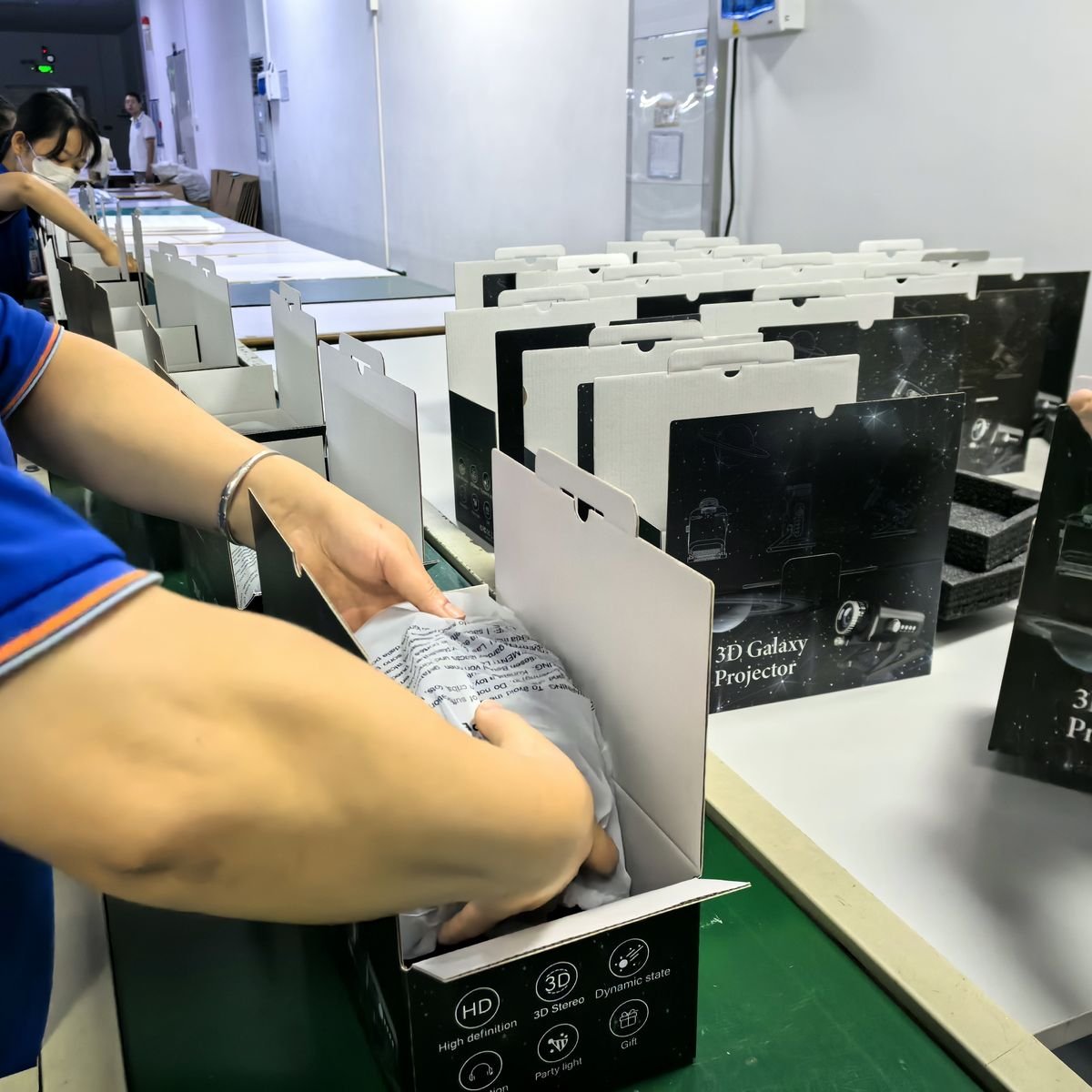
BWL-SP-007 is recorded at 24 pieces per carton. The unit net weight is 0.46 kg and unit gross weight is 0.643 kg. The inner box is 200 × 143 × 125 mm, and the outer carton is 415 × 450 × 520 mm. Carton net weight is 11.1 kg and carton gross weight is 16.4 kg.
Those values support receiving and freight calculations for that exact record. They do not support BWL-SP-009 or a modified retail package. If artwork, inserts or accessories change, the buyer should confirm whether packing and weight need a new approval.
BWL-SP-009 Is Explicitly Partial
BWL-SP-009 is recorded at 24 pieces per carton, with unit net weight 0.44 kg, unit gross weight 0.57 kg and outer carton 510 × 390 × 525 mm. The inner-box dimensions, carton net weight and carton gross weight are still pending factory confirmation.
I do not derive the missing carton weights by multiplying the unit values, because that would ignore cartons, protection and other packing material.9 I do not copy the BWL-SP-007 inner box because the products and outer carton geometry differ. A partial row is useful when it clearly tells the buyer which calculations must wait.
Packing Questions for Inventory Planning
| Buyer decision | Required packing field | Action if missing |
|---|---|---|
| Freight comparison | Outer carton dimensions and gross weight | Hold route calculation |
| Warehouse handling | Carton gross weight and pieces | Hold handling assumption |
| Retail-pack approval | Inner box and included contents | Approve exact sample pack |
| Unit economics | Sellable unit and landed inputs | Do not substitute a sibling SKU |
| Repack or private label | New packaging structure | Reconfirm the affected fields |
Packing completeness is not administrative polish. It determines which inventory calculations are real and which are still assumptions.
What Should the Astronaut Projector Sample Approval Actually Test?
A sample review often ends after the buyer photographs the room effect. That confirms visual interest, but it does not connect the approved listing, controls, packaging and production checks to one configuration.
Approve the sample through five linked checks: exact SKU identity, named visual functions, control and power behavior, retail-pack contents, and a production-facing acceptance record. Then repeat the critical states after aging rather than approving only the first power-on.
Connect the Listing to the Sample
I ask the buyer to print the proposed listing promises beside the sample checklist. If the listing says moon projection, the exact SKU and visible mode must show it. If it says USB Type-C power, the approved configuration and pack contents must match. If material remains open, the listing must not quietly add it.
This check catches a common handoff failure: creative content combines the best features from several supplier images while production holds one version. The listing then becomes a specification the sample never approved.
Connect the Sample to Production
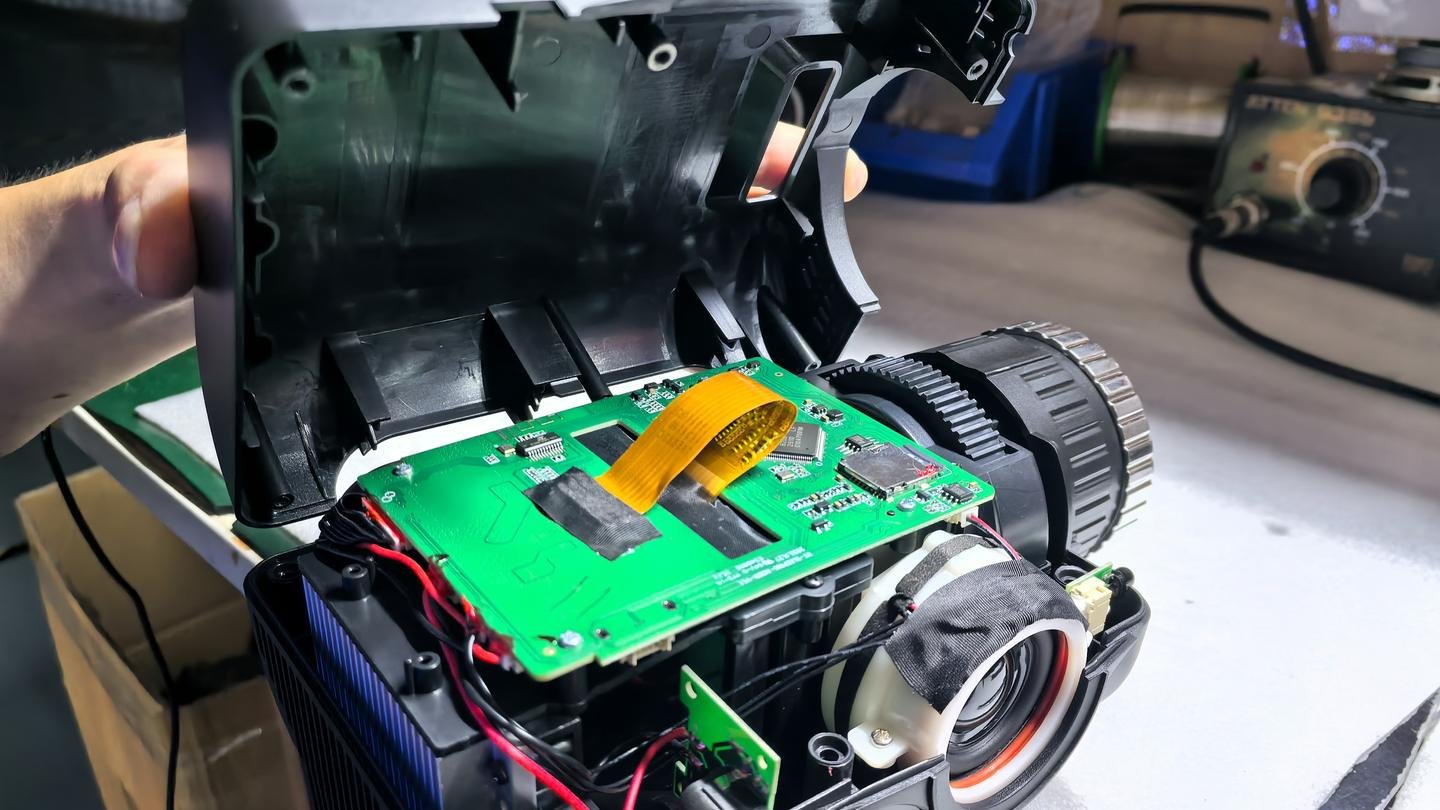
Our factory’s normal process includes about eight hours of aging for each unit. That process fact is real, but “eight hours” alone is not the buyer’s acceptance plan.10 The team still needs to know which states matter before and after aging: power-on, effect selection, motion, controls, visible noise, connectors and the exact functions promised to the channel.
I ask for one signed sample identity and a short production check list. Any approved change receives a revision, not a chat message that disappears. If the buyer later changes color only, the project can remain on the existing-product path. Any other product change becomes a new-product path with tooling, renewed certification work, 2,000 units or more and about 95 days.
Include the Retail Pack
The customer receives the product through packaging, instructions and accessories, not through the factory sample table. Approve what is in the box, how the model is identified and which claims appear on the pack. This is especially important when an astronaut body has several visually similar versions in the market.
The approved sample is not just the unit that looked good; it is the exact product-and-promise package that production can reproduce.11
What Can Go Wrong After a Buyer Commits to Astronaut Projector Inventory?
The greatest risk is not necessarily a defective unit. It is a mismatch between inventory depth and the evidence the buyer used to justify it: trend attention, an incomplete SKU, an untested listing or an unfinished packing record.
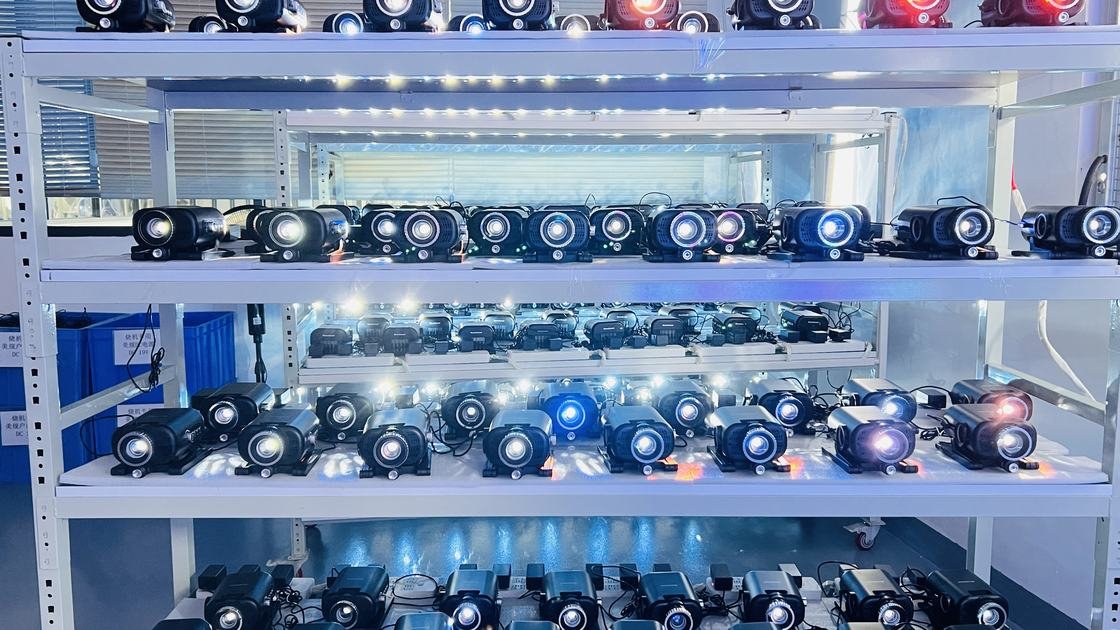
Inventory can fail when trend attention cools, the listing cannot distinguish the SKU, packing data blocks logistics, sample promises drift, or the buyer lacks a stop/reorder rule. Expose those risks before the order and assign an owner to each one.
The Five-Risk Register
Demand risk. Attention does not continue on command. The buyer needs a release plan and a threshold for slowing or stopping exposure.
Positioning risk. If the listing says only “astronaut galaxy projector,” it may have no understandable reason to be chosen over similar shapes.
Data risk. Missing material or carton fields can leak into creative content and landed calculations as guessed values.
Configuration risk. Supplier imagery, sample and production version can drift unless the public SKU and approved functions stay linked.
Replenishment risk. A buyer may assume fast top-ups after launching inventory even though a factory run, production release and international logistics require planning.
I ask the buyer to assign one owner to each risk: marketing, product, logistics, quality or finance. The factory can close product and production facts; it cannot own the buyer’s channel demand or cash exposure. Keeping those owners separate prevents a QC process from being used as proof of sales performance.12
When I Would Not Commit
I would hold the factory program if the buyer cannot choose the SKU, cannot state the channel promise, depends on a missing packing field, or needs a small local trial rather than 1,000 units. I would also hold if the plan assumes the trend guarantees a reorder.
Holding is not abandoning the product. It means returning the uncertainty to the stage that can answer it: small-lot channel test, sample review, data closure or inventory scenario. A factory order should begin when those results can be translated into a controlled configuration and release plan.
Conclusion
The astronaut form is a powerful visual shortcut, but it is not a purchase specification. A responsible inventory decision connects a demand signal to one public SKU, one channel promise, one complete packing record, one sample acceptance and one release/reorder plan. BWL-SP-007 and BWL-SP-009 show why: they share a theme and base power facts, yet differ in visible functions and packing completeness.
My decision rule is to let missing data remain visible. I will not invent material for either SKU or finish BWL-SP-009’s carton weights with arithmetic. I will compare the products we can confirm, run the sample through the buyer’s real listing and pack, and ask whether the channel can carry a 1,000-unit program without treating trend continuation as certainty. That is how the astronaut wave becomes a controlled buying decision rather than a warehouse bet.
Frequently Asked Questions
Is an astronaut galaxy projector still a good product to import?
It can be, but trend attention alone is not enough. Validate the exact SKU, channel position, sample, packing completeness and inventory release plan before committing to a factory run.
What is Bowlum’s MOQ for astronaut projectors?
Factory programs start at 1,000 units. Bowlum does not sell single units; small-lot market tests should use an appropriate distribution channel.
What is the difference between BWL-SP-007 and BWL-SP-009?
BWL-SP-007 combines an RGBW cloud module with a green laser star effect. BWL-SP-009 adds separate projection elements and records moon plus cloud scenes; its carton record is also only partially complete.
What material are Bowlum astronaut projectors made from?
The current material fields for BWL-SP-007 and BWL-SP-009 are open. We do not publish a guessed material; buyers should request confirmation if it affects their decision.
How many astronaut projectors are packed in one carton?
Both BWL-SP-007 and BWL-SP-009 are recorded at 24 pieces per carton. BWL-SP-009 still has pending inner-box and carton-weight fields.
What should I test on an astronaut projector sample?
Check exact SKU identity, named visual functions, control and power behavior, retail-pack contents, listing claims and the critical states before and after aging.
Does eight-hour factory aging guarantee sell-through or zero returns?
No. Aging is a production-control process. It does not predict channel demand, guarantee zero returns or replace the buyer’s inventory and returns plan.
"Multimodal Forecasting of New Fashion Product Sales with ...", https://arxiv.org/html/2109.09824v6. Research on demand forecasting supports treating search and social attention as indirect indicators rather than direct measurements of realized sales or channel-specific sell-through. Evidence role: general_support; source type: paper. Supports: The source should explain that search, social or marketplace attention can be informative for demand forecasting without directly measuring realized sales, margins or channel-specific sell-through.. Scope note: Such research generally concerns aggregated or modeled demand and does not establish the performance of a particular astronaut projector SKU. ↩
"Competitive Retailer Strategies for New Market Research ...", https://scholarcommons.scu.edu/cgi/viewcontent.cgi?article=1122&context=omis. Research on consumer choice and product differentiation indicates that interest in a broad product category does not by itself determine the performance of a specific variant or retail presentation. Evidence role: mechanism; source type: research. Supports: The source should describe how product-level attributes, positioning and channel execution mediate the relationship between category interest and purchase performance.. Scope note: The evidence is contextual and does not predict the performance of either Bowlum model. ↩
"Multi-Agent Deep Reinforcement Learning for Integrated ...", https://pmc.ncbi.nlm.nih.gov/articles/PMC12031219/. Operations-management literature treats inventory commitments as decisions under demand uncertainty and therefore does not regard a favorable trend signal as a guarantee of safe stock depth. Evidence role: expert_consensus; source type: paper. Supports: The source should support the principle that inventory decisions remain exposed to forecast error, demand volatility and execution conditions even when demand indicators are favorable.. Scope note: This supports the risk principle, not a quantitative estimate of the appropriate order size. ↩
"Human-machine Tradeoffs in Supply Chain Decisions (and ...", https://scm.ncsu.edu/scm-articles/article/its-high-time-to-look-at-the-human-machine-tradeoffs-in-supply-chain-decision-making. Supply-chain research links minimum order quantities to procurement commitments and inventory exposure, while the underlying product-definition and planning requirements remain necessary at smaller test quantities. Evidence role: mechanism; source type: research. Supports: The source should explain how order quantities interact with product configuration, procurement planning, inventory exposure and operational preparation.. Scope note: The source may support the operational mechanism but cannot establish that a 1,000-unit threshold is appropriate for every buyer or channel. ↩
"Astronaut Star Projection | Bowlum", https://bowlum.com/products/bwl-sp-007/. The cited product records identify BWL-SP-007 as using an RGBW cloud module with a green laser effect and BWL-SP-009 as including additional projection elements with moon and cloud scenes. Evidence role: case_reference; source type: other. Supports: A dated manufacturer product record or technical specification should identify the LED, laser and scene configurations for both model numbers.. Scope note: Manufacturer records establish the documented configuration but do not independently verify every production batch or the visual performance under all operating conditions. ↩
"Sorting Polyolefins with Near-Infrared Spectroscopy", https://www.nist.gov/publications/sorting-polyolefins-near-infrared-spectroscopy-identification-optimal-data-analysis. Materials-characterization literature distinguishes visual inspection from analytical identification and indicates that polymer formulation generally requires documentation or methods such as spectroscopy or chemical testing. Evidence role: mechanism; source type: research. Supports: The source should explain that visual appearance can indicate form or surface characteristics but generally cannot identify polymer composition or formulation with certainty.. Scope note: The evidence supports the limitation of photographs; it does not determine the material used in either Bowlum model. ↩
"Random Testing Reveals Excessive Power in Commercial ...", https://tsapps.nist.gov/publication/get_pdf.cfm?pub_id=912603. Authoritative laser-safety guidance defines Class 1 as a classification based on accessible emission limits under specified conditions and provides the framework for evaluating wavelength and output claims. Evidence role: definition; source type: government. Supports: The source should define Class 1 laser classification and explain the relevance of accessible emission limits under the applicable laser-safety standard.. Scope note: A classification standard cannot verify the output or classification of a particular unit without product documentation or independent testing. ↩
"Logistics Costs and U.S. Gross Domestic Product", https://ops.fhwa.dot.gov/Freight/freight_analysis/econ_methods/lcdp_rep/index.htm. Logistics and packaging-planning guidance treats package dimensions, gross weight and pack quantity as inputs to storage, handling, freight and shipment-cost calculations. Evidence role: mechanism; source type: education. Supports: The source should explain how package dimensions, weight and pack quantities influence storage, handling, transportation and logistics-cost calculations.. Scope note: The source supports the operational dependency but does not validate the specific packing records reported for BWL-SP-007 or BWL-SP-009. ↩
"Interpretation # 98-0168 ([Yellow Freight System, Inc.] [Mr ...", https://www.phmsa.dot.gov/regulations/title49/interp/98-0168. International shipping terminology distinguishes net weight of the goods from gross weight, which includes the packaging and other materials used to prepare the shipment. Evidence role: definition; source type: institution. Supports: The source should define net and gross shipment weight and distinguish product contents from packaging and protective materials.. Scope note: The definitions support withholding the calculation but do not provide the missing carton weights for the cited SKU. ↩
"An overview of computer software acceptance testing", https://nvlpubs.nist.gov/nistpubs/Legacy/SP/nbsspecialpublication500-136.pdf. Reliability-engineering guidance treats aging or burn-in duration as one test parameter and requires defined operating conditions, monitored failure modes and acceptance criteria for a complete evaluation. Evidence role: mechanism; source type: research. Supports: The source should explain that reliability or aging tests require defined conditions, failure criteria, sample procedures and interpretation rather than duration alone.. Scope note: This does not determine whether eight hours is adequate for the specific projector design or intended service life. ↩
"6.5 Configuration Management", https://www.nasa.gov/reference/6-5-configuration-management/. Quality-management and configuration-control literature supports linking an approved reference configuration to documented requirements and production verification so that customer-facing specifications remain traceable. Evidence role: mechanism; source type: research. Supports: The source should support configuration control, documented specifications and traceability from an approved reference product to production checks.. Scope note: The evidence supports the control method but does not demonstrate that Bowlum’s own approval process achieves batch-wide reproducibility. ↩
"What Does “Product Quality” Really Mean?", https://sloanreview.mit.edu/article/what-does-product-quality-really-mean/. Quality-management research distinguishes manufacturing conformance and defect measures from commercial outcomes such as demand, conversion, sell-through and returns. Evidence role: general_support; source type: paper. Supports: The source should distinguish conformance, defect and reliability measures from demand, conversion, sell-through and return outcomes.. Scope note: The distinction does not imply that product quality is irrelevant to sales; it shows only that QC evidence is not sufficient proof of sales performance. ↩