
A holiday lighting service call cost is often reduced to one word on a work order: replacement. That word tells a manager that something was changed, but it does not show who dispatched the visit, how long access took, what the crew observed, which checks were performed, whether the replacement was exactly compatible, what had to be re-aimed or recommissioned, or whether another visit remained open. It also does not establish that the product caused the event.
When I see a service sheet like that, I do not start with a generic truck-roll figure. I draw the boundary of the event and ask what actually consumed time, travel, access, inventory, technical attention, and scheduled capacity. The problem is not that field teams are careless. The problem is that a work ticket is usually designed to close today's job, while a purchasing team needs a record that can explain tomorrow's sourcing and acceptance decision.
There is no defensible universal holiday-lighting service-call cost. Build a buyer-owned event ledger instead: record the actual dispatch, crew, travel, access, diagnostic and isolation work, compatible replacement, re-aiming, recommissioning, follow-up, records, and any displaced peak-window work. Keep the exact product and configuration attached, and do not turn an observed symptom or replacement action into a confirmed cause.
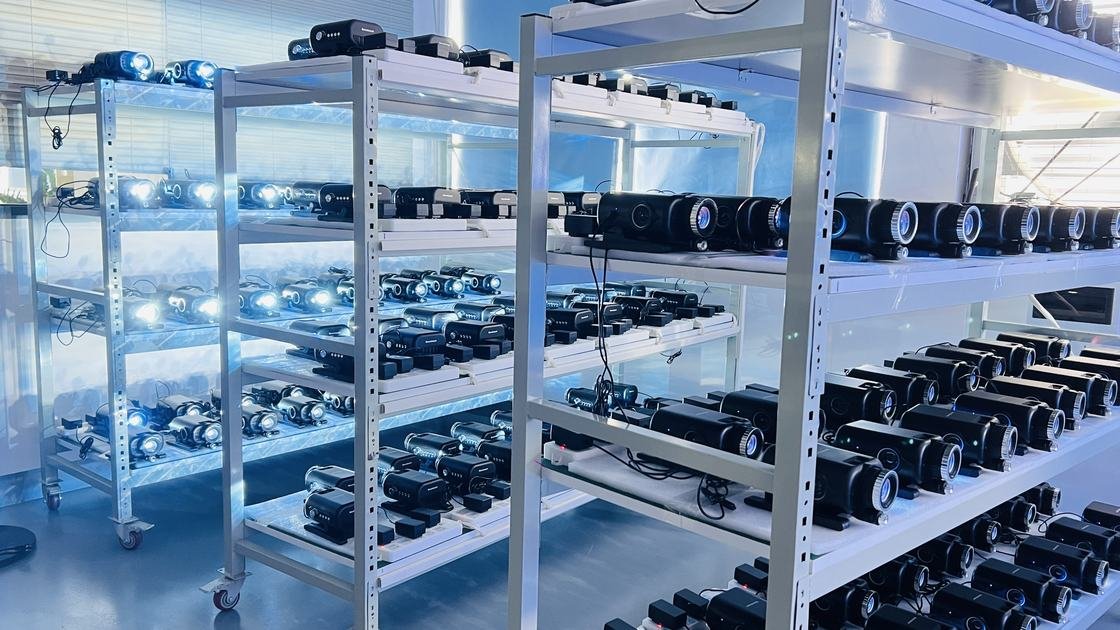
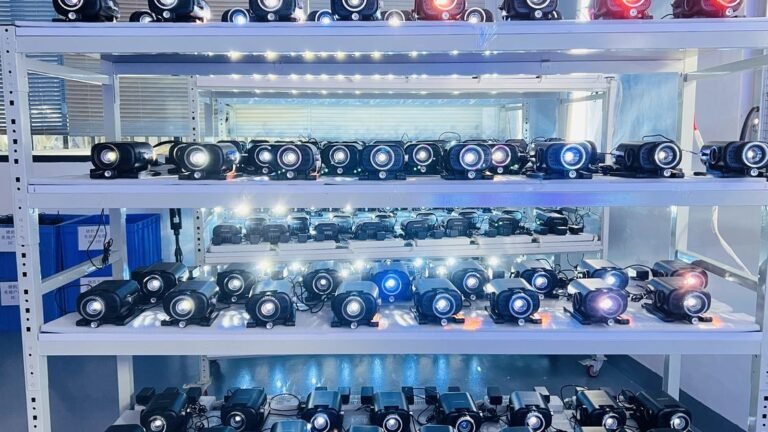
These are real projector racks in our factory, but they do not show a field service event, a failure rate, or the cost of any visit. I use the image for a narrower reason: products that share a broad category can still have different bodies, power paths, controls, mounts, and approved configurations. Below, I show how to define one event, build its ledger row, preserve neutral evidence, separate four different decisions, and return verified patterns to purchasing without creating an industry average.
What Does Holiday Lighting Service Call Cost Actually Include?
A replacement part is visible, so it often becomes the whole story. The less visible work—dispatch, travel, site entry, isolation, restoration, and closure—can disappear even though it used real operating capacity.
Holiday lighting service call cost includes only the activities and capacity that the buyer can show occurred within the defined event. Start at the service request or dispatch decision, finish at the buyer's chosen closure state, and record each actual stage in between. Leave a stage blank or mark it not applicable when it did not occur; never fill the ledger with a default crew, vehicle, duration, or financial value.
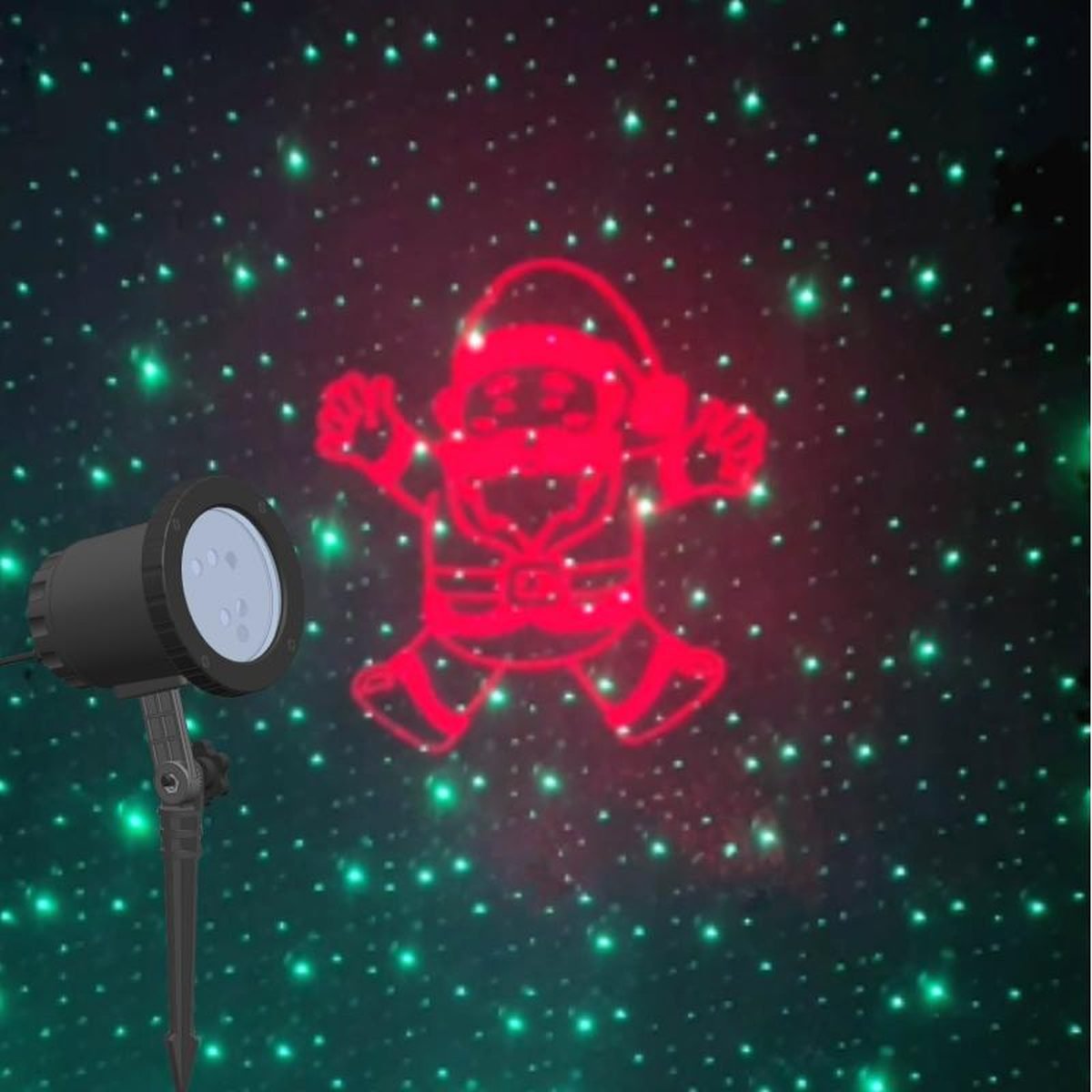
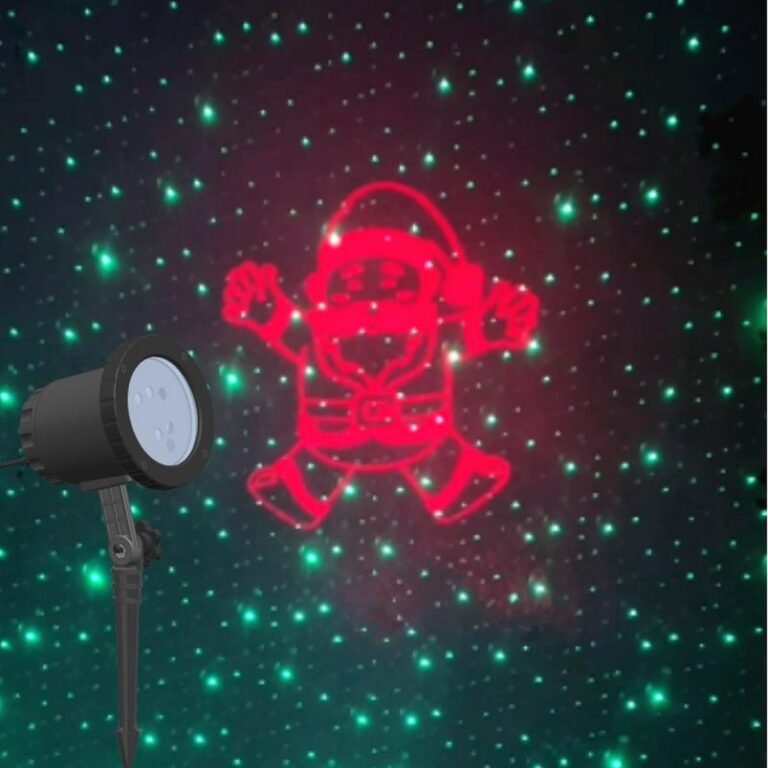
BWL-HP-006 is a current Christmas-pattern projector, and the image shows its product body and a designed holiday effect. It does not show an installation, a service call, an observed issue, or a field result. That distinction is the same one the ledger must preserve: product identity is evidence about what was involved, not proof of why a visit occurred.
Draw the Event Boundary Before You Value It
I begin with two questions: what opened the event, and what closed it? A customer message, monitoring alert, scheduled inspection, or installer observation may open a record. Closure may mean the display was released for use, isolated pending review, temporarily restored with follow-up required, or not released. The buyer defines those workflow states; this article does not assign them universally.
An event can end without a part being replaced. It can also contain a replacement without establishing which component or condition caused the original observation. If the start and finish states are missing, the team cannot tell whether a ticket describes a short verification, a site-access problem, a configuration correction, a temporary restoration, or a longer investigation.
Record the Work That Actually Happened
The following structure is a list of possible fields, not a claim that every service event contains every activity:
| Event stage | What the buyer records when applicable | What the field must not assume |
|---|---|---|
| Request and dispatch | Request time, reported observation, triage owner, dispatch decision, assigned team | That every report requires a site visit |
| Crew and travel | People actually involved, work time, travel time, route or service zone | A universal crew size, vehicle, or trip length |
| Site access | Arrival, access window, permit or escort dependency, time before work could begin | That travel and productive work began at the same moment |
| Diagnosis and isolation | Checks performed, variables held constant, observations after each step | A root cause inferred from the first symptom |
| Compatible replacement | Exact replacement identity, approved association, stock source, removed-item status | That a part fitting physically is compatible, or that substitution proves cause |
| Re-aiming and recommissioning | Position, control state, effect or functional acceptance used for release | That restoring output proves the original unit failed |
| Follow-up and records | Evidence retained, reviewer, next action, open follow-up, closure state | That a closed work ticket closes warranty or technical review |
| Peak-window consequence | Scheduled work actually displaced, rescheduled, or left unaffected | That every event creates opportunity cost |
The buyer can later apply its own payroll, fleet, scheduling, inventory, and commercial values to the verified fields. I keep those local values out of a supplier article because service areas, access rules, operating models, and internal accounting differ. A ledger should expose the inputs; it should not hide an invented benchmark inside them.
The cost record becomes usable only after the event boundary and the work record are real. A generic truck-roll number cannot repair missing evidence.
Which Fields Belong in a Holiday Lighting Service Call Cost Ledger?
An activity list explains what may consume capacity. A durable ledger also needs to connect that work to the exact object, observation, action, owner, and release decision.
Use one row per service event, with linked sections for event identity, site and access, exact product configuration, neutral observation, action trail, capacity used, evidence retained, release state, and next review route. Do not overwrite the original observation when a later reviewer adds a hypothesis or confirmed cause; preserve the sequence so purchasing can distinguish what the crew saw from what was concluded later.
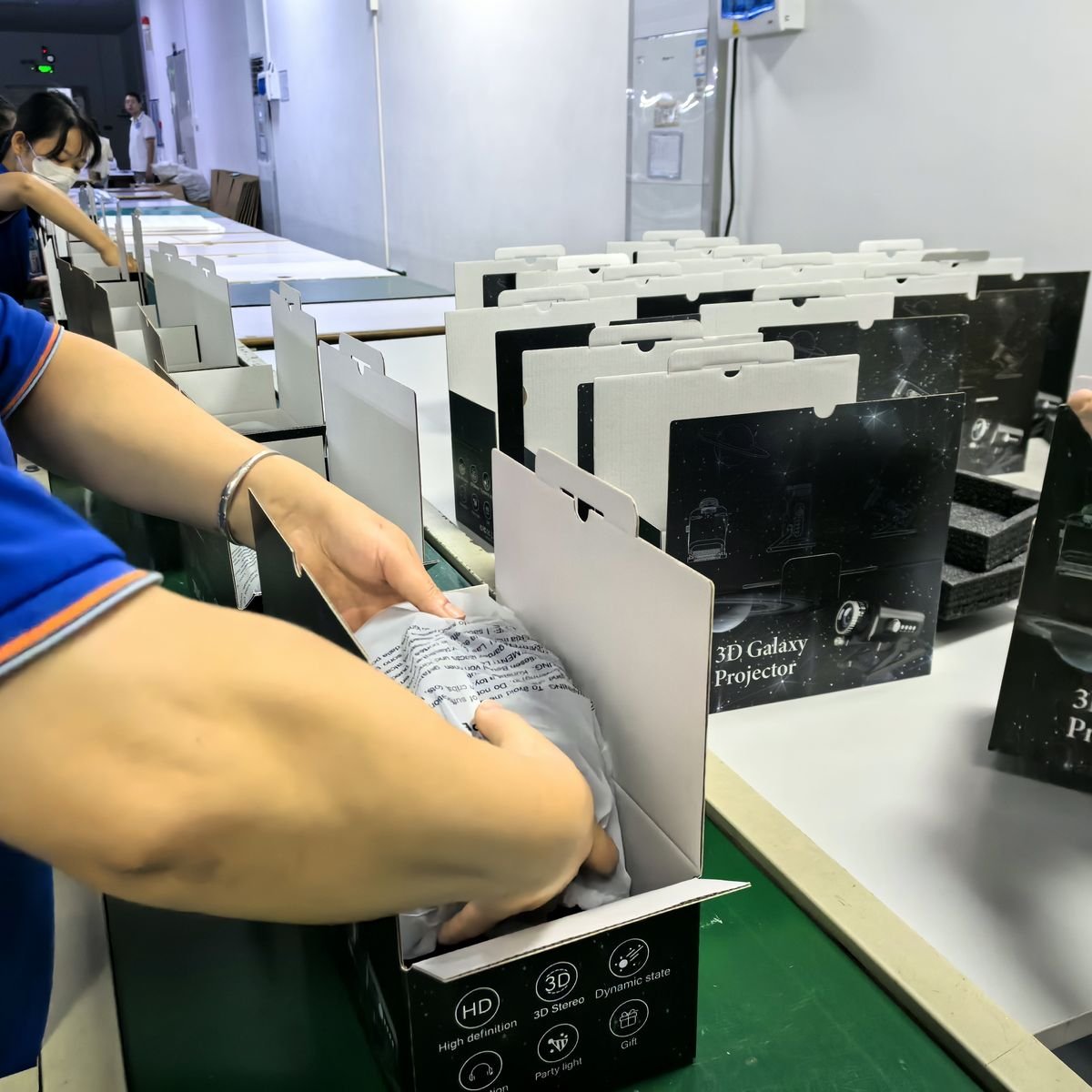
The photograph shows a Bowlum packing process for another projector presentation, not either exact SKU bound to this article. It cannot prove what arrived in a particular order or what a field crew later handled. It does show why the supplied set matters: a service record should not reduce a configured projector, control method, power path, mounting set, and documentation revision to a generic product noun.
A Practical Row Schema
I use field groups because they keep the event readable without collapsing unlike evidence:
| Ledger group | Minimum record | Why purchasing needs it |
|---|---|---|
| Event identity | Unique event reference; opened, dispatched, attended, and closed states where applicable | Prevents two visits or follow-ups from being merged into one story |
| Site and access | Site reference, service zone, access constraints, responsible local owner | Separates equipment work from time controlled by the location |
| Product identity | Public SKU, unit or batch reference, approved version, power and control configuration, mounting arrangement | Makes later comparison possible without mixing configurations |
| Observed symptom | What was visible or measurable, under what known condition, before intervention | Preserves the field observation without choosing a cause |
| Action trail | Checks, isolation steps, approved substitutions, adjustment, re-aiming, recommissioning | Shows what changed and in what order |
| Capacity record | Crew time, travel, access time, inventory issued, follow-up work, displaced schedule if any | Gives the buyer inputs for its own operating calculation |
| Evidence package | Images, video, labels, configuration record, removed-item status, reviewer notes | Allows a later technical or commercial review to work from more than memory |
| Release and routing | Buyer release state, open action, responsible next owner, warranty-review status, root-cause-review status | Stops one closure label from deciding four different questions |
The row can be a spreadsheet, service platform entry, or linked ticket set. The software matters less than the invariants: the original observation remains intact, each action is dated and owned, and later conclusions are appended rather than silently replacing earlier evidence.
Unknown Is a Valid State
A field team may not know the batch reference at the first visit. A removed unit may need later review. A root cause may remain unresolved. I would rather see unknown—label image requested or pending controlled review than a completed-looking cell based on memory.
This is not administrative perfectionism. Unknowns tell the buyer which part of the service system is preventing a sourcing decision. If the same identity field is missing repeatedly, the next action may be a labeling or asset-control improvement. If the evidence package is routinely incomplete, the next action may be a simpler capture format. Neither pattern proves a product defect.
Why Must Symptom, Action, and Root Cause Stay in Separate Columns?
Field work rewards speed. Procurement review rewards causal discipline. A ticket that says “no output—replaced projector” may be enough to tell a dispatcher that the site is operating again, but it is not enough to tell a buyer what failed.
Keep three separate columns: the observed symptom before intervention, the action taken to restore or isolate the system, and the root-cause conclusion with its evidence and reviewer. A replacement is an action, not a diagnosis. If the evidence cannot support a cause, leave the cause open and retain the unit, configuration, and action trail required for later review.
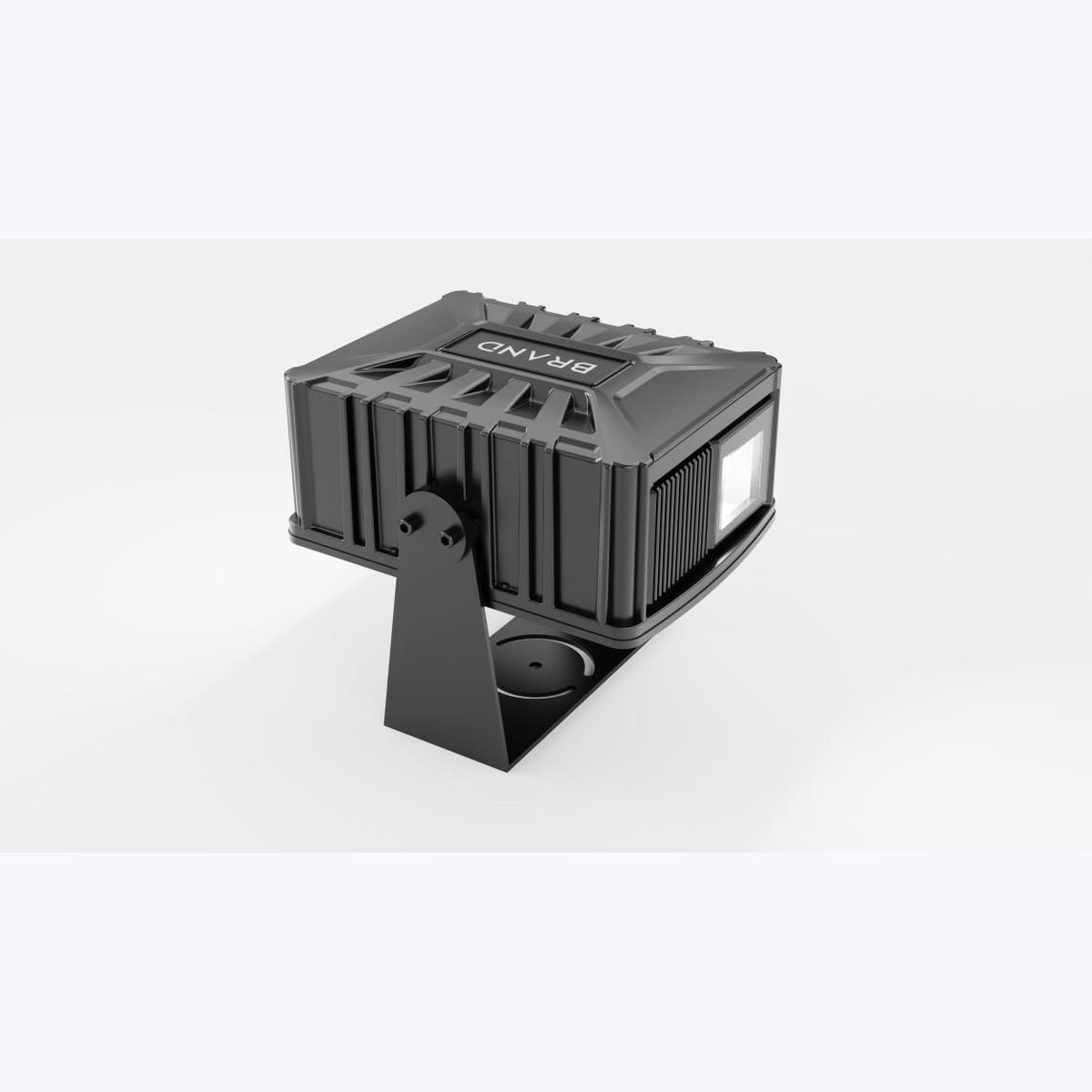
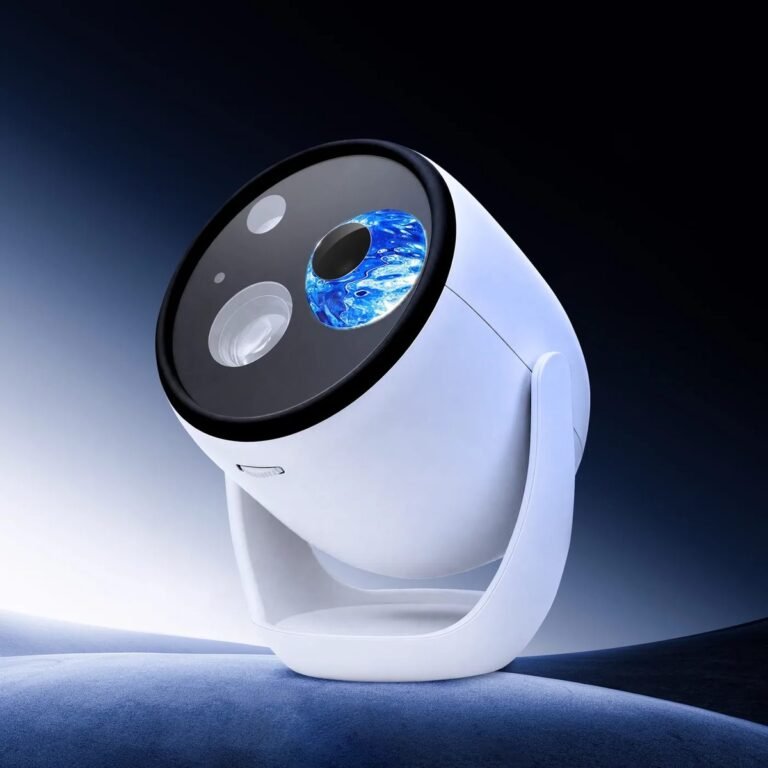
This image is an exact BWL-OL-004 product render. Bowlum's public identity distinguishes a 7-color APP family version and a DMX512 professional version. That is enough to show why firefly projector replaced is incomplete: the public SKU and approved version must travel with the event. The render does not show a service replacement, internal construction, electrical compatibility, or field performance.
Write Observations That Survive Later Analysis
I ask a field record to describe what changed without smuggling a cause into the sentence:
| What happened in the event | Neutral record | Premature conclusion to avoid |
|---|---|---|
| No visible output was observed at the reported time | Record the exact unit, control state, known power configuration, site condition, and checks performed | Projector failed before the system boundaries were isolated |
| Output returned after an approved configured unit was substituted | Record the removed and installed identities, every variable changed, and the recommissioning result | Replacement proves the removed unit was the cause |
| The display needed re-aiming after service | Record mount position, target, acceptance reference, and final release state | Product quality caused the aiming change |
| The same observation returned after release | Open a linked follow-up with the original event and unchanged or changed conditions | The first repair was wrong without comparing evidence |
The wording does not make the field team less decisive. It makes the next decision more precise. Local staff can restore availability while a separate reviewer determines whether the cause sits in product, configuration, installation, environment, handling, or another boundary.
Our winter-risk guide goes deeper on how to inspect moisture, temperature change, power, mounting, and optical conditions. This article stops before that diagnosis. Its job is to make sure the winter observation, the isolation sequence, and the evidence package survive long enough for the right review to occur.
How Should Availability, Warranty, Acceptance, and Root-Cause Review Be Separated?
One event can trigger four urgent questions, and teams often try to answer all of them with the same word: replacement. That creates conflict because each question has a different owner and evidence standard.
Route the event through four independent lanes. Local availability asks how the site can continue; warranty review asks what commercial responsibility was agreed; buyer acceptance asks whether the restored configuration may return to service; root-cause review asks what the evidence supports. An answer in one lane must not be treated as an automatic answer in the other three.
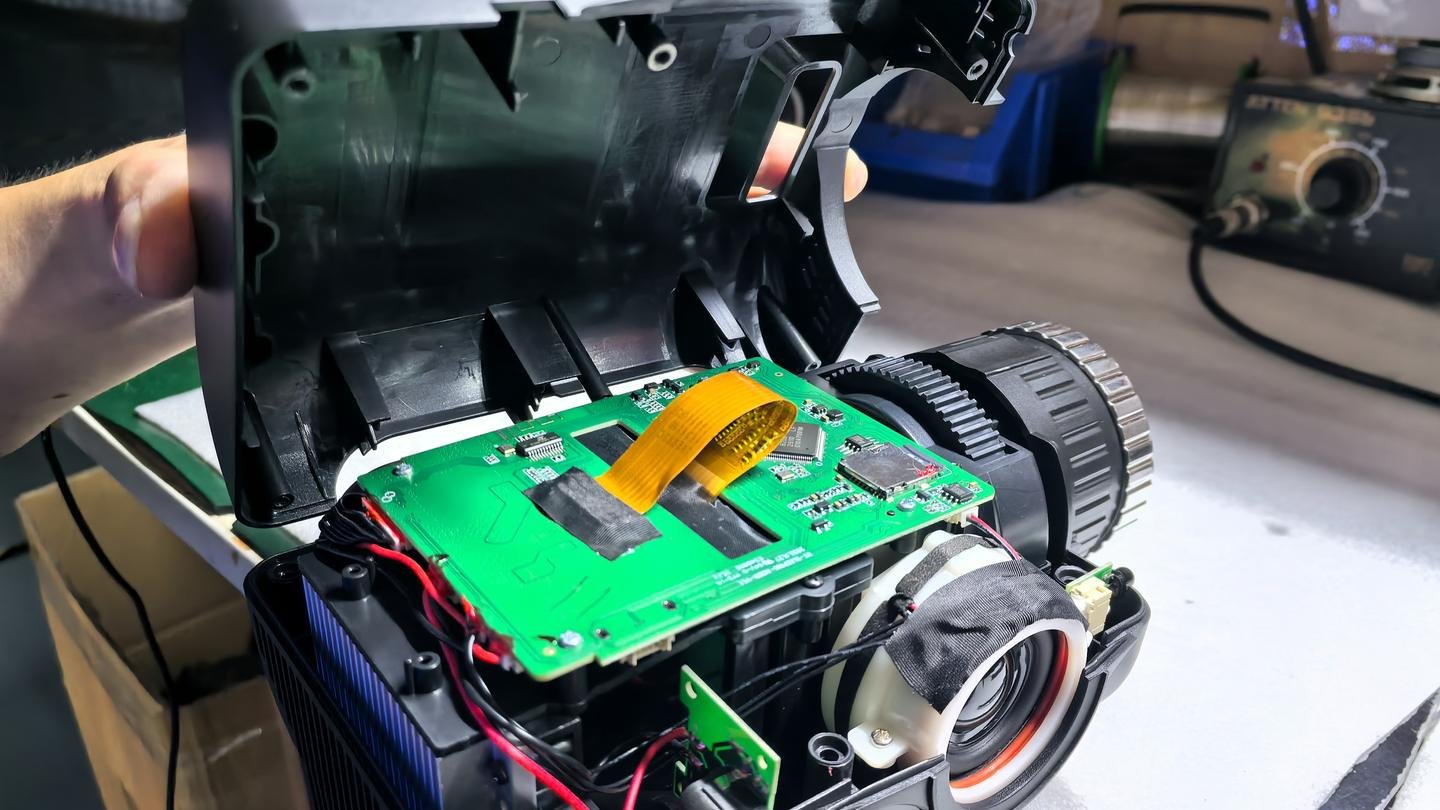
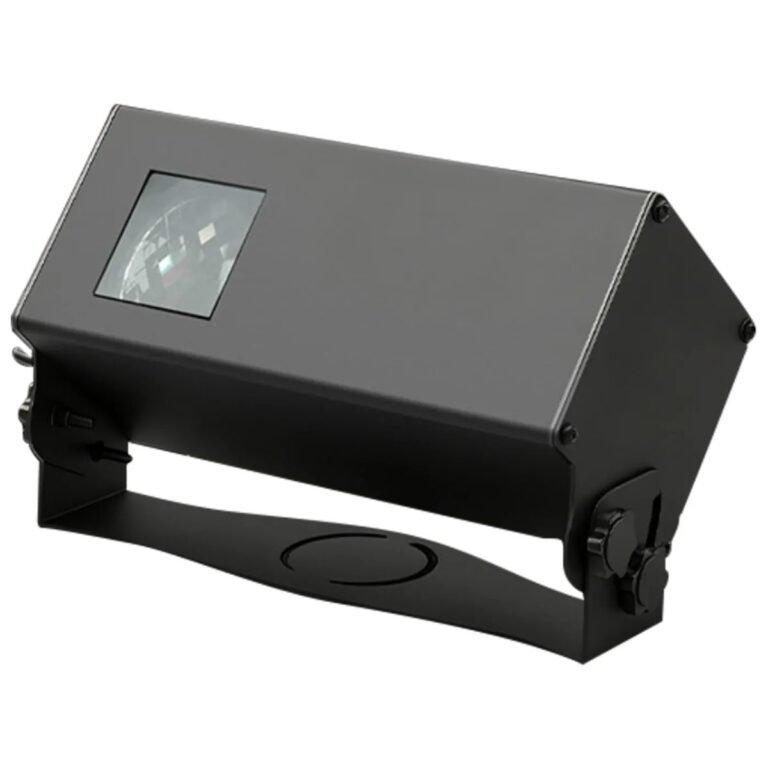
The photograph shows a projector opened during factory inspection. It is generic process evidence, not the BWL-HP-006 or BWL-OL-004, and it does not prove the cause of a field event. I also do not use it as an instruction for a buyer to open a product. Its role here is to make the boundary visible: some review steps belong to an authorized technical process after the local team has preserved the unit and event evidence.
| Decision lane | Question | Evidence and owner | What it does not decide |
|---|---|---|---|
| Local availability | Can an exact compatible configuration be made available for the required service window? | Buyer, distributor, or authorized service owner; local stock and configuration map | Warranty responsibility or root cause |
| Warranty responsibility | What do the agreed order-specific terms require each party to review or provide? | Commercial terms, exact covered object, dates, conditions, evidence, and responsible parties | Immediate local availability or buyer release |
| Buyer acceptance and release | Does the restored system meet the buyer's defined functional and visual acceptance for service? | Authorized buyer owner; approved reference, configuration, recommissioning record | Commercial responsibility or technical cause |
| Root-cause review | What mechanism, if any, is supported by the retained evidence and controlled review? | Qualified reviewer; original observation, action trail, unit, configuration, and further checks | A promised remedy or the site's current availability |
A compatible spare can restore a site before responsibility is decided. A warranty review can remain open after the buyer has released a replacement. A technical cause can remain unresolved even when the display is operating. None of those states is contradictory once the ledger keeps the lanes separate.
Our one-year Christmas light warranty guide explains the separate calendar and order-term questions. Here, I record only the warranty route and its status; I do not let the service-event ledger invent a start point, covered item, response time, or remedy.
Does Bowlum's Roughly Eight-Hour Aging Predict Fewer Service Calls?
A specific factory process is tempting to turn into a field-performance promise. That is exactly where a useful fact can be stretched beyond what it proves.
No. Bowlum runs every unit for roughly eight hours during aging as a unit-level factory release control. That fact does not establish product life, a lower failure rate, a failure ranking, reduced service-call cost, an avoided truck roll, or performance under a buyer's installation conditions. Keep the aging record in the factory-release column and keep field events in the buyer's service ledger.
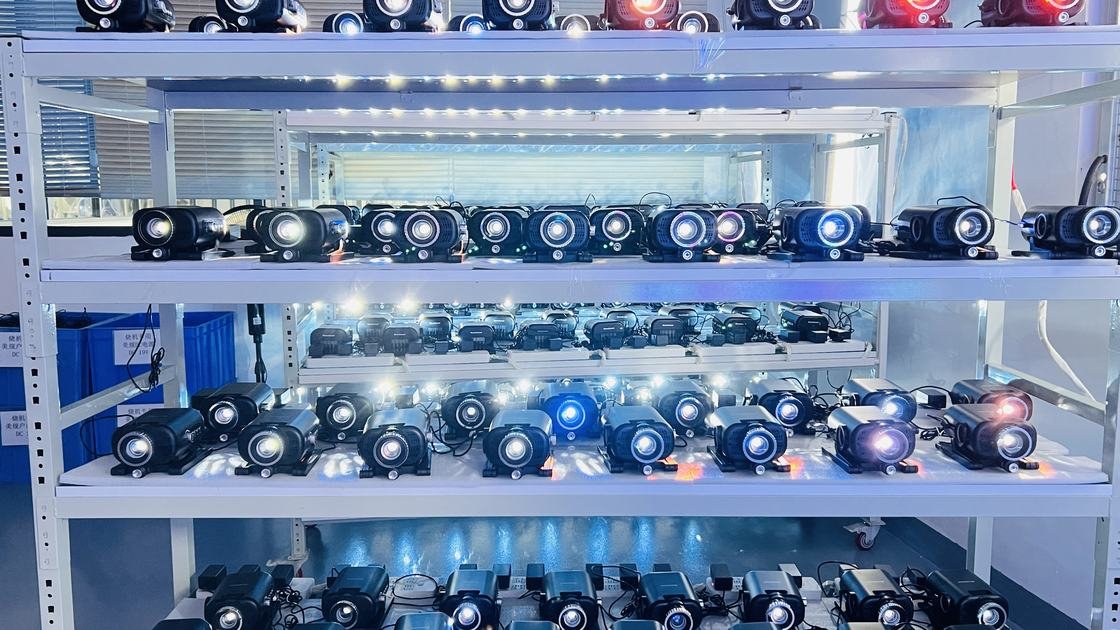
The image visibly shows many powered projector units on racks. It does not identify every SKU, record the duration of any named unit, show an acceptance result, or simulate a service site. The roughly eight-hour duration comes from our factory-confirmed fact layer, not from what can be measured in this photograph.
Keep One Fact in One Column
I use a narrow sentence in a supplier record: every unit receives roughly eight hours of aging before release. I will not extend that sentence to therefore fewer visits, therefore longer life, or therefore no field issue. Those conclusions require field evidence that our current public data does not contain.
The process is still worth recording. It tells the buyer that aging is unit-level rather than a statement about an occasional sample. If a buyer later reviews its own service events, the factory-release record can be one part of the traceability package. It is not the denominator, cause, or predicted outcome of those events.
Do Not Ask a Process Fact to Do a Field Ledger's Job
A buyer comparing suppliers can ask what release controls occur, how unit identity is retained, and what records can be associated with an order. Separately, the buyer should measure its own service burden from its own events. Combining those two evidence layers too early produces a marketing claim, not a decision system.
That is why this article does not estimate a service rate or claim that aging saves a visit. It gives the buyer a structure that can reveal what actually happened after deployment, including events with no confirmed product cause.
How Should Service Logs Change Purchasing and Acceptance Decisions?
One event is a case to route, not a trend. Several inconsistent tickets are still not a reliable dataset. Holiday lighting maintenance becomes purchasing evidence only when the buyer records comparable events with stable definitions.
Aggregate only the buyer's own validated service-event rows, grouped by exact SKU, configuration, site condition, observed symptom, action, and release state. Use recurring evidence gaps or operational patterns to revise supplier questions, service-stock mapping, acceptance methods, installation guidance, and change control. Do not convert the ledger into an industry failure rate or assume that repeated actions prove one shared cause.
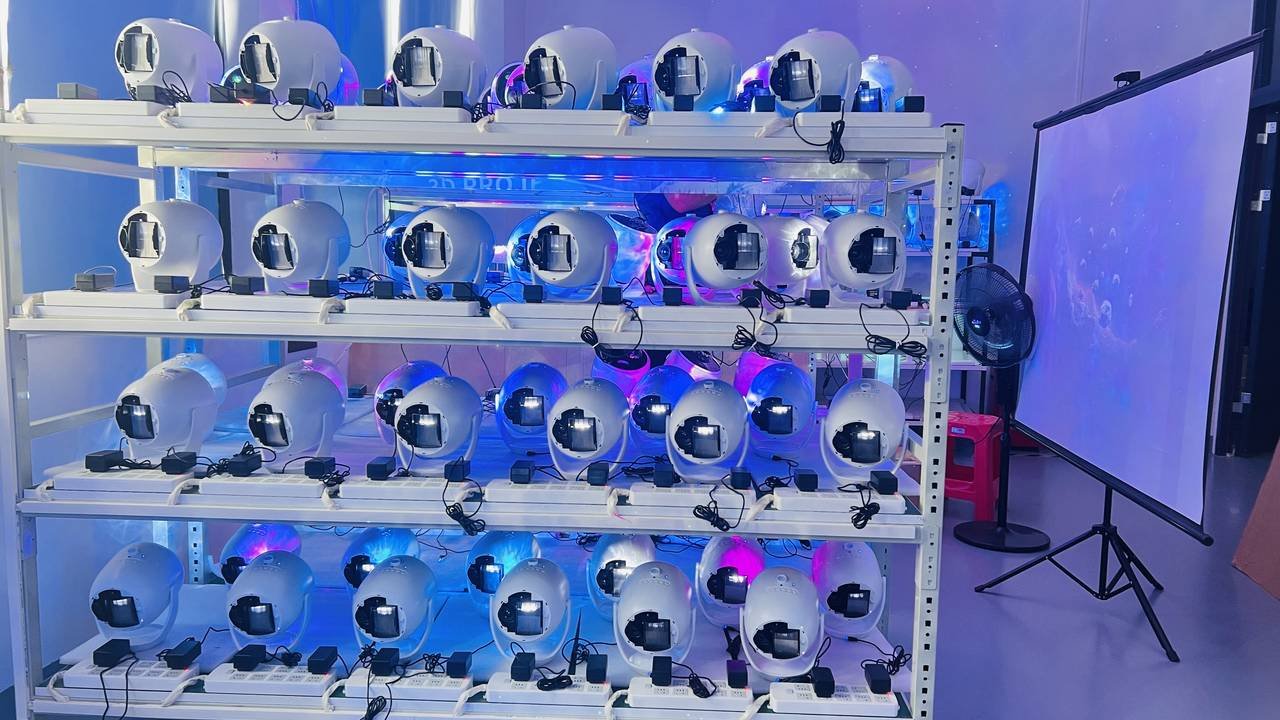
This is a generic Bowlum test-rack image, not either bound SKU and not evidence that a service pattern occurred. It shows why a purchasing decision needs a reproducible comparison: a known unit, a known setup, an observation, and a disposition. A service log can identify what deserves controlled review; it cannot replace the review itself.
Turn Patterns Into Questions, Not Verdicts
| Pattern in the buyer's validated records | Purchasing or acceptance question | Controlled next step | Conclusion to avoid |
|---|---|---|---|
| Access time is repeatedly missing or consumes the event | Does the site plan define access ownership and service windows? | Add access fields and owner to the installation and service plan | The product is expensive to service without separating site constraints |
| Replacement records lack exact configuration | Can the approved SKU, version, power path, control method, and mount be identified at dispatch? | Freeze a configuration map and label compatible local stock | Any unit in the family is an acceptable spare |
| Re-aiming or recommissioning is repeatedly undocumented | What visual and functional reference releases a restored display? | Add a repeatable buyer acceptance record | Output returned, so acceptance is complete |
| Similar observations appear under comparable conditions | Which variables were actually held constant, and what evidence remains? | Route a controlled technical review or pilot | Repeated observation proves one cause |
| Follow-up remains open because evidence is missing | Which capture step is too difficult for the field workflow? | Simplify the form and assign a review owner | The crew did nothing when the process failed to request usable evidence |
For the total seasonal business model, the holiday-lighting margin guide owns the larger question of inventory, timing, import, local service, and factory-direct responsibility. This guide stays one level lower: it makes the individual service event consistent enough to inform that model.
A Texas Installer Example: A Work Order Labeled “Replacement”
An installer in Texas once showed me a work-order view used for seasonal calls. The site reference was present, and the closure field said replacement. That was enough for dispatch history, but the purchasing team was trying to use the same word as the reason for the event and as proof of product responsibility.
I did not assign a cost or reconstruct a product failure from the ticket. I split the row into event-open state, dispatch, actual crew and travel record, access, exact product and configuration, observed symptom, diagnostic and isolation actions, compatible replacement identity, re-aiming, recommissioning, release state, evidence, and follow-up. Where the old ticket could not answer a question, we left the field unknown instead of writing a smoother story after the fact.
The useful change was not a claim that the new sheet saved a visit. It was that the next service record would show which part of the event consumed local capacity and which decision still belonged to warranty or technical review. The installer could restore a site without forcing the word replacement to carry availability, acceptance, responsibility, and cause at the same time.
A service event becomes procurement evidence when the record preserves what was observed, what was done, what was released, and what remains unresolved.
Conclusion
Holiday lighting service call cost is not a number a supplier article can responsibly provide. It is the buyer's own record of one defined event: what opened it, which people and site constraints were involved, what was observed, which diagnostic and isolation actions occurred, what exact compatible configuration was used, how the display was recommissioned, what evidence remained, and which follow-up or scheduled capacity was affected. Keep local availability, warranty responsibility, buyer release, and root-cause review in separate lanes. Keep Bowlum's roughly eight-hour aging in the factory-release column, without turning it into a life or field-cost promise. My rule is simple: before I let a service log influence purchasing, every conclusion must trace back to an exact event row—and every unknown must remain visible.
Frequently Asked Questions
How do I calculate holiday lighting service call cost?
Use your own service-event ledger rather than an industry average. Record the actual dispatch, crew time, travel, access, diagnosis, isolation, compatible replacement, re-aiming, recommissioning, follow-up, records and any scheduled work displaced, then apply your own verified operating values.
What belongs in a Christmas light service call cost ledger?
Keep one row per event with the exact site, public SKU, configuration, observed symptom, action trail, capacity used, evidence, release state and next owner. Preserve the original observation when a later technical or commercial review adds a conclusion.
Does replacing a holiday projector prove that the projector failed?
No. Replacement is an action that may restore local availability; it does not by itself establish root cause. Record every variable changed and retain the removed unit and evidence when later review is required.
Should travel time and site access be included in a service event?
Include them when they actually consumed buyer capacity. Do not insert a default trip, crew or access delay when none was recorded, and keep site-controlled access separate from equipment work.
Does Bowlum's roughly eight-hour aging reduce field service calls?
That conclusion is not supported. Roughly eight hours of aging for every unit is a factory release control; it does not establish life, a lower failure rate, avoided visits, field performance or service-call cost.
Is a warranty response the same as having a local replacement available?
No. Warranty review addresses agreed commercial responsibility, while local stock addresses immediate availability. Buyer acceptance and technical root-cause review are two additional decisions, and none should automatically decide the others.
How can service logs improve the next projector order?
Group validated events by exact SKU, configuration, site condition, observation, action and release state. Use recurring evidence gaps or operational patterns to refine supplier questions, compatible service stock, acceptance checks, installation guidance and change control without presenting the result as a universal rate.