
A buyer writes “one-year Christmas light warranty” in a seasonal-lighting comparison sheet and moves on. The phrase looks complete because it contains a number. Then the operating calendar appears: goods arrive, wait for installation, run for part of the holiday season, come down, enter storage, and return for another campaign. The product may spend far more time packed than powered.
When I review that sheet, I draw two lines. The first is calendar time. The second is active use. They are not interchangeable. A six-week campaign is a useful example, not a universal season length, but it exposes the planning problem: six active weeks do not turn a one-year calendar warranty into several protected seasons.
Bowlum's confirmed standard warranty duration is one year. That fact does not currently tell a buyer the start point, exact covered items, required evidence, response path, or remedy. It also does not promise second-season performance. Seasonal buyers therefore need two separate controls: an order-specific warranty record and an inspection-and-service calendar that continues whether or not coverage is still active.

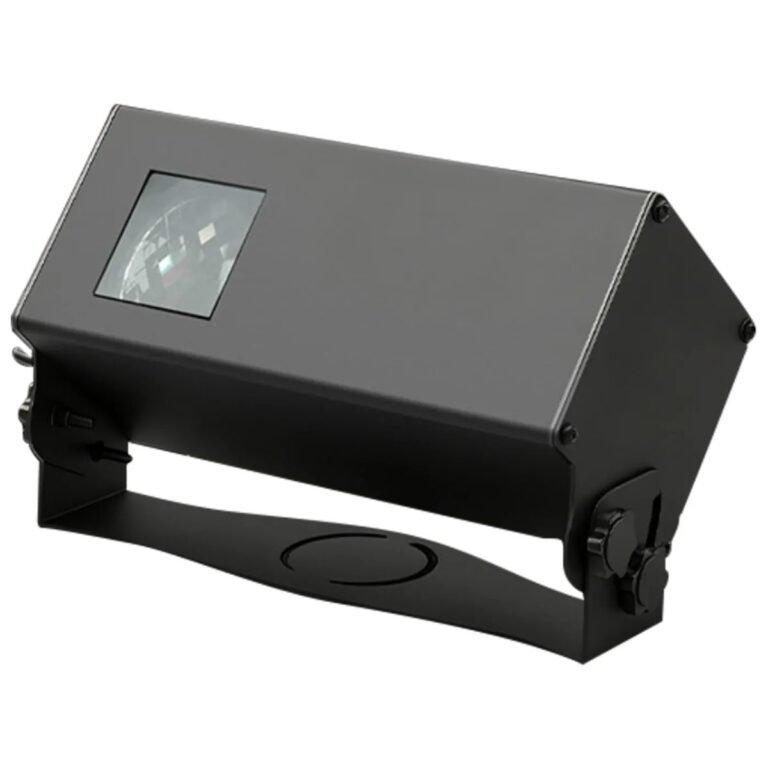
The racks show several physical projector forms inside our factory. They do not establish the warranty terms of any one unit, the condition of stored goods, or a field result. I use the image to make the first control visible: before discussing a claim or a spare, identify the exact product, configuration, included power path, batch, and handoff record. This article then puts that identity onto a seasonal calendar.
What Does a One-Year Christmas Light Warranty Actually Confirm?
Warranty duration is one field in a service agreement. It is not the entire agreement. The number answers “how long” only after both parties know when the clock begins and what object the clock applies to.
For Bowlum, I can state the confirmed duration—one year—but I cannot fill the other warranty fields from that duration. Buyers should ask separately for the start event, covered product and accessories, relevant conditions, evidence required for review, response owner, and available remedy for the exact order.
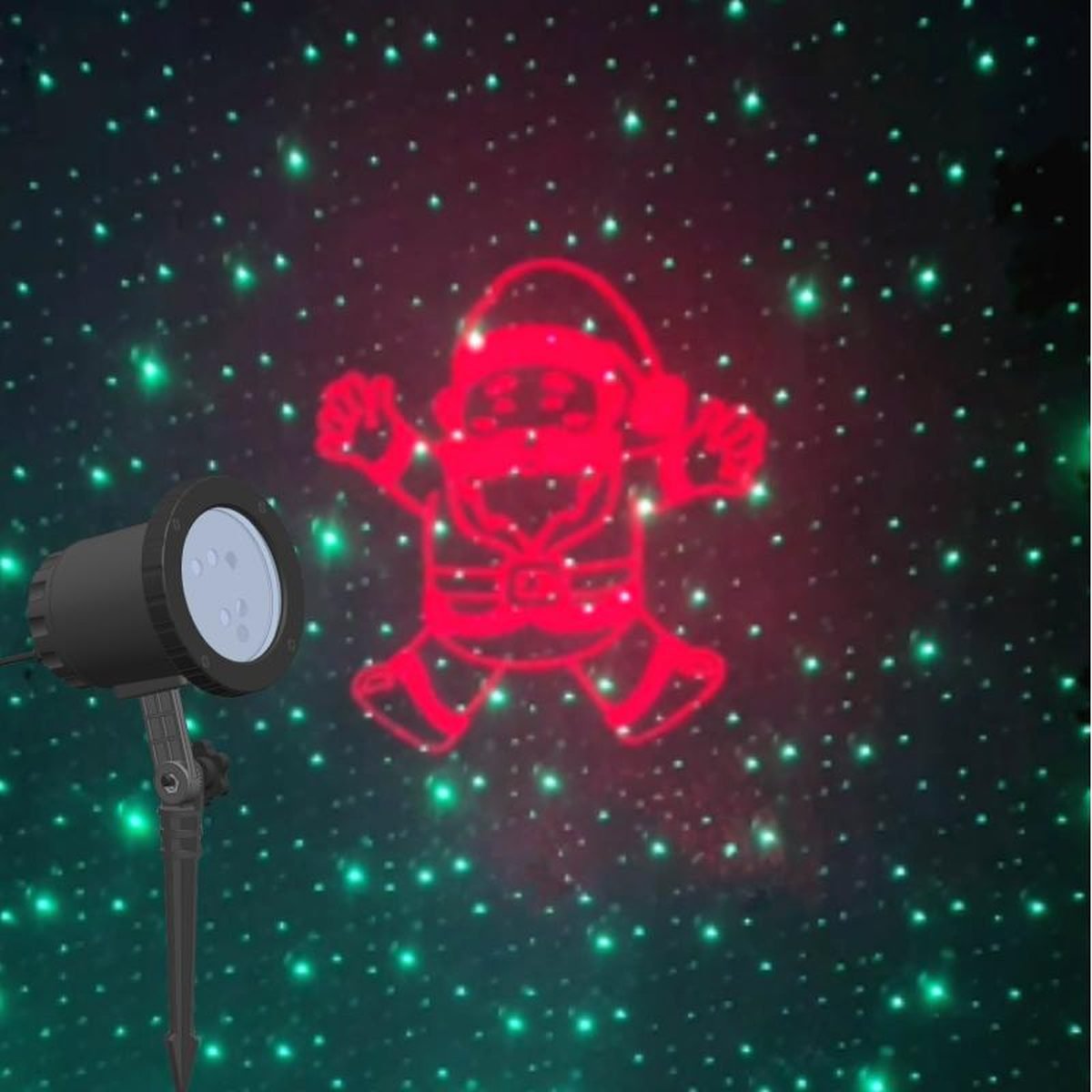
BWL-HP-006 is a current holiday-specific projector. Its published image provides exact-SKU context, but it does not prove what a warranty covers or how a claim would be resolved. Even a clearly identified product set can contain a projector body, controller, remote, adapter, mounting parts, packaging, and instructions. A one-year heading does not silently give every item the same rule.
I therefore use a field-by-field review instead of treating the duration as a complete promise:
| Warranty field | What is currently confirmed publicly | What still needs an order-specific answer |
|---|---|---|
| Duration | Bowlum standard warranty: one year | Start event and exact end date for the order |
| Covered object | Not fully separated in the current fact layer | Product body, adapter, controller, remote, accessories, or named combination |
| Conditions | Not defined by the duration alone | Applicable use, installation, handling, and storage conditions |
| Evidence | Not defined by the duration alone | Identity, issue record, images, video, label, batch, or return material requested for review |
| Response path | Not defined by the duration alone | Who receives the report, who reviews it, and what timing applies |
| Remedy | Not defined by the duration alone | Repair, replacement, parts, credit, or another agreed response |
Leaving a field open is more accurate than making the duration carry it. I do not convert “one year” into “all parts, no questions, immediate replacement.” I also do not assume the opposite. The correct action is to request the missing order-specific terms and preserve the final answer with the product and configuration record.
This separation protects both sides. A buyer can plan evidence and local response before the season. The factory can evaluate an exact object and reported condition instead of receiving a message that says only “the Christmas light stopped.” Duration starts the discussion; identity and process make it usable.
Why Do Calendar Time and Seasonal Operating Time Tell Different Stories?
A seasonal product can be inactive for most of the warranty period. Inactivity does not pause a calendar automatically, and active weeks are not the same unit as elapsed months.
Plot elapsed calendar time and actual operating windows on separate rows. A one-year warranty should not be interpreted as one year of accumulated run time, multiple holiday seasons, or a guaranteed next-season restart. Whether a later event remains within coverage depends on the agreed start point and exact dates.

The workshop photograph shows factory activity, not a warranty clock. It is useful because seasonal planning often compresses factory and buyer time into one line. I pull them apart: production and packing happen before buyer receipt; installation and operation happen later; removal and storage may consume most of the remaining calendar.
Consider an illustrative six-week holiday campaign. The dates below are illustrative schedule markers, not Bowlum terms and not a universal installation pattern:
| Calendar event | Active-use status | Question the buyer must answer |
|---|---|---|
| Goods received | Not yet operating | What exact configuration arrived, and what receiving evidence was retained? |
| Pre-installation check | Short test window | What acceptance method and approved reference are used? |
| Holiday operation | Active | How are location, unit identity, exception, and service action recorded? |
| Removal | No longer operating | What condition and completeness check occurs before packing? |
| Storage | Inactive | How are identity, accessories, condition, and location preserved? |
| Next pre-season review | Short test window | What is the exact date, and is any agreed warranty period still open? |
The table does not predict a failure. It shows why “used only six weeks” cannot extend an unspecified warranty clock. If the start point were shipment, receipt, commissioning, or another agreed event, the end date would differ. Bowlum's current public fact layer does not select among those possibilities, so I leave the start-point cell open until the order terms answer it.
This is also why I do not call a one-year warranty a two-season dataset. A commercial warranty states a service boundary. It does not prove life, storage tolerance, restart behavior, or appearance after a second winter. Our seasonal inventory guide addresses whether stock remains identifiable and commercially supportable; this article addresses when to inspect and what to record around the calendar boundary.
Count the warranty in the unit written in the agreement. Count product use in operating windows. Never let one silently rewrite the other.
What Should a Buyer Check When Seasonal Goods Arrive?
Waiting until installation week concentrates uncertainty at the point when the local team has the least room to investigate. Receiving is the first buyer-controlled opportunity to connect the physical goods with the order record.
At receipt, I ask the buyer to verify exact product and configuration identity, carton and included-set completeness, visible condition, a defined sample power-on check, and an exception record. This does not create or extend warranty coverage; it creates earlier, clearer evidence and prevents unopened stock from remaining unknown.
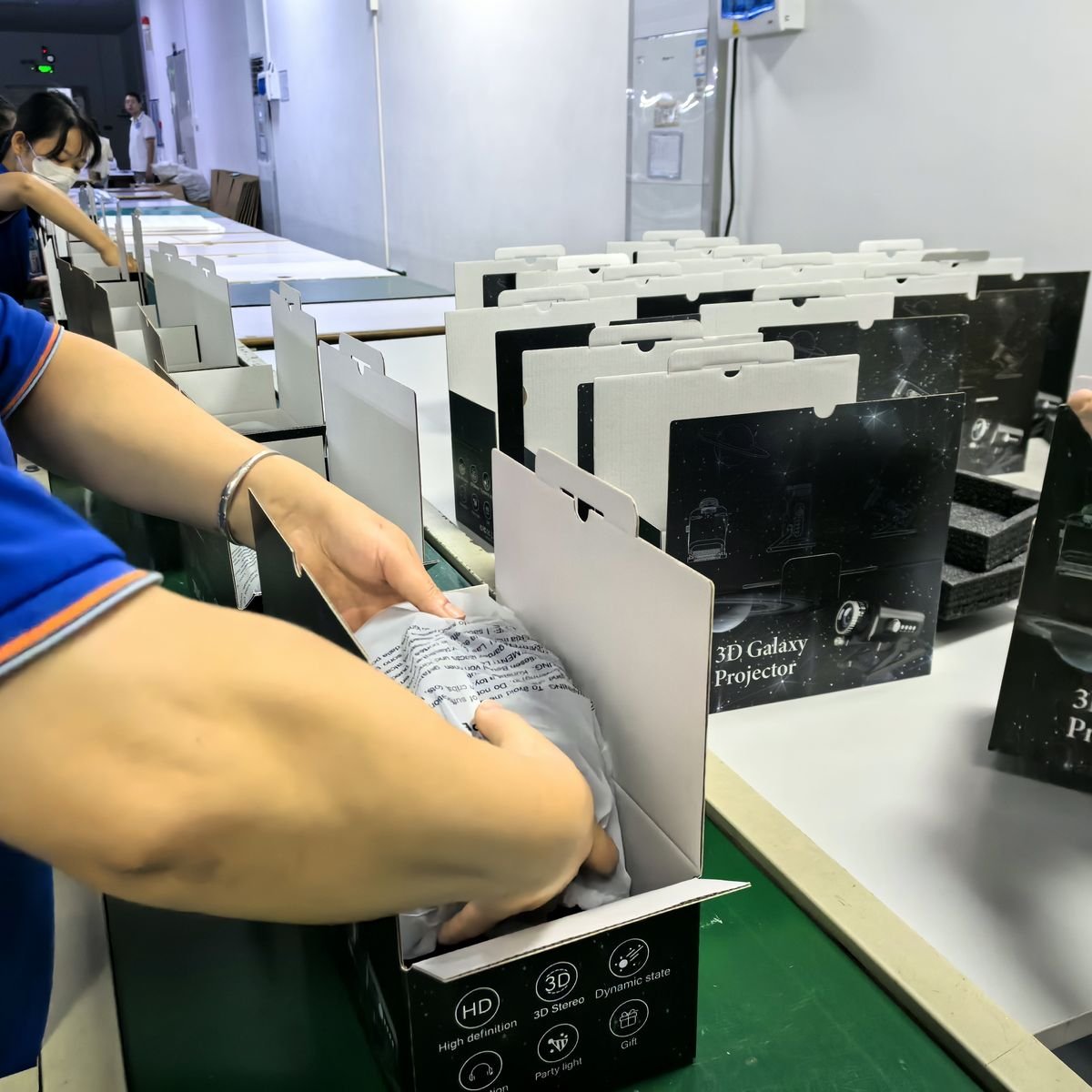
The image shows a real Bowlum packing process, but it does not show the related SKUs in this article or prove that a particular shipment was complete. I use it to mark a handoff. The factory has a packing definition; the buyer has a receiving plan. A useful record connects the two without assuming that an intact outer carton proves every internal item or function.
My receiving sheet has five layers:
- Identity: public SKU, ordered version, control method, destination configuration, label, and batch or other traceable reference.
- Quantity and completeness: cartons received, units sampled, and included items present in the checked sets.
- Visible condition: packaging and product observations recorded without diagnosing a cause from appearance alone.
- Defined power-on check: a repeatable check against the approved product and expected included configuration.
- Exception route: who holds affected material, who records the evidence, and who receives the review request.
“Turn on a few” is not yet an acceptance plan. I ask which units, which configuration, which environment, which observation, and what happens after an exception. The sample size and method belong to the buyer's risk plan; Bowlum's current fact layer does not prescribe one universal incoming-inspection rate, so I do not invent a percentage.
An arrival check also protects configuration continuity. A body may power on while the buyer has not verified the controller version, adapter identity, mounting components, or manual revision. Those details matter when the same stock must support installation, service, and later reordering. Our power-adapter boundary guide explains why the adapter should remain tied to the exact product set instead of becoming a generic spare.
Most importantly, an arrival record does not decide whether an observed issue is covered. It gives the responsible reviewers a dated, identified starting point. I keep the language disciplined: observed, isolated, reported, and under review are not the same as confirmed defect or approved claim.
Why Is End-of-Season Review a Separate Control?
Removal is a change of state. Equipment leaves its installed position, passes through handling and transport, loses its site context, and enters a long inactive period. If the team packs first and asks questions months later, useful evidence can disappear.
Before seasonal units enter storage, I ask the operator to reconcile identity and included parts, record field exceptions and service actions, perform the defined condition or functional check, separate unresolved units, and assign a storage status. The goal is traceability, not a claim that every later issue began during operation.
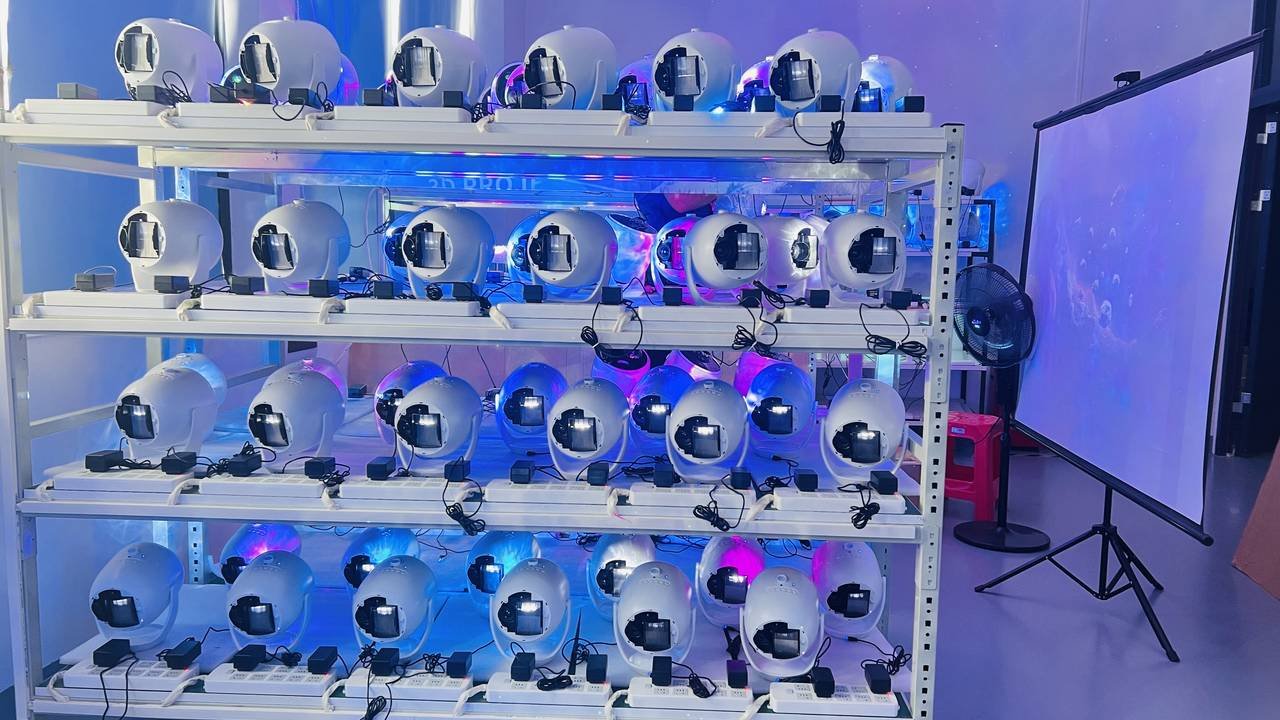
The test-rack image shows a generic factory process. It does not demonstrate an end-of-season field test, a named SKU result, or warranty coverage. Its value here is procedural: a useful check has a known object, setup, observation, reviewer, and next state.
I separate the end-of-season review into four records:
| Record | Buyer action | What it must not be mistaken for |
|---|---|---|
| Installed-unit history | Link location, dates, configuration, and service actions to the exact unit or controlled group | Proof that the site caused or did not cause an issue |
| Removal condition | Record visible condition, completeness, and defined functional observation before storage | A universal durability or remaining-life certificate |
| Exception status | Isolate and label unresolved, incomplete, or review-pending material | An automatic warranty approval or failure diagnosis |
| Storage entry | Record packing state, included items, storage location, and responsible owner | Proof that any future restart will succeed |
I do not write a generic storage temperature or humidity limit when the exact product record does not support one. The buyer should follow the exact product documentation and define its warehouse controls accordingly. The article's method is about record continuity: the same identified set that left the carton should remain identifiable when it enters and exits storage.
This review matters even if everything appears normal. A “no exception observed under the defined check” record is not a life guarantee, but it gives the next team a known baseline. Conversely, an unresolved observation can be raised while dates, people, site conditions, and related materials are still available, rather than reconstructed just before the next installation.
What Should Happen Before the Next Holiday Season?
The first restart after long storage is a new decision gate. The unit has not been continuously observed, and the previous season's final record may no longer describe its current state.
Run a pre-redeployment review against the exact approved configuration and the stored end-of-season record. Confirm identity and completeness, apply the defined power-on and visual acceptance method, reconcile unresolved exceptions, and decide whether each unit is release-ready, service-only, pending review, or not released. Do this independently of any assumption that warranty coverage remains open.
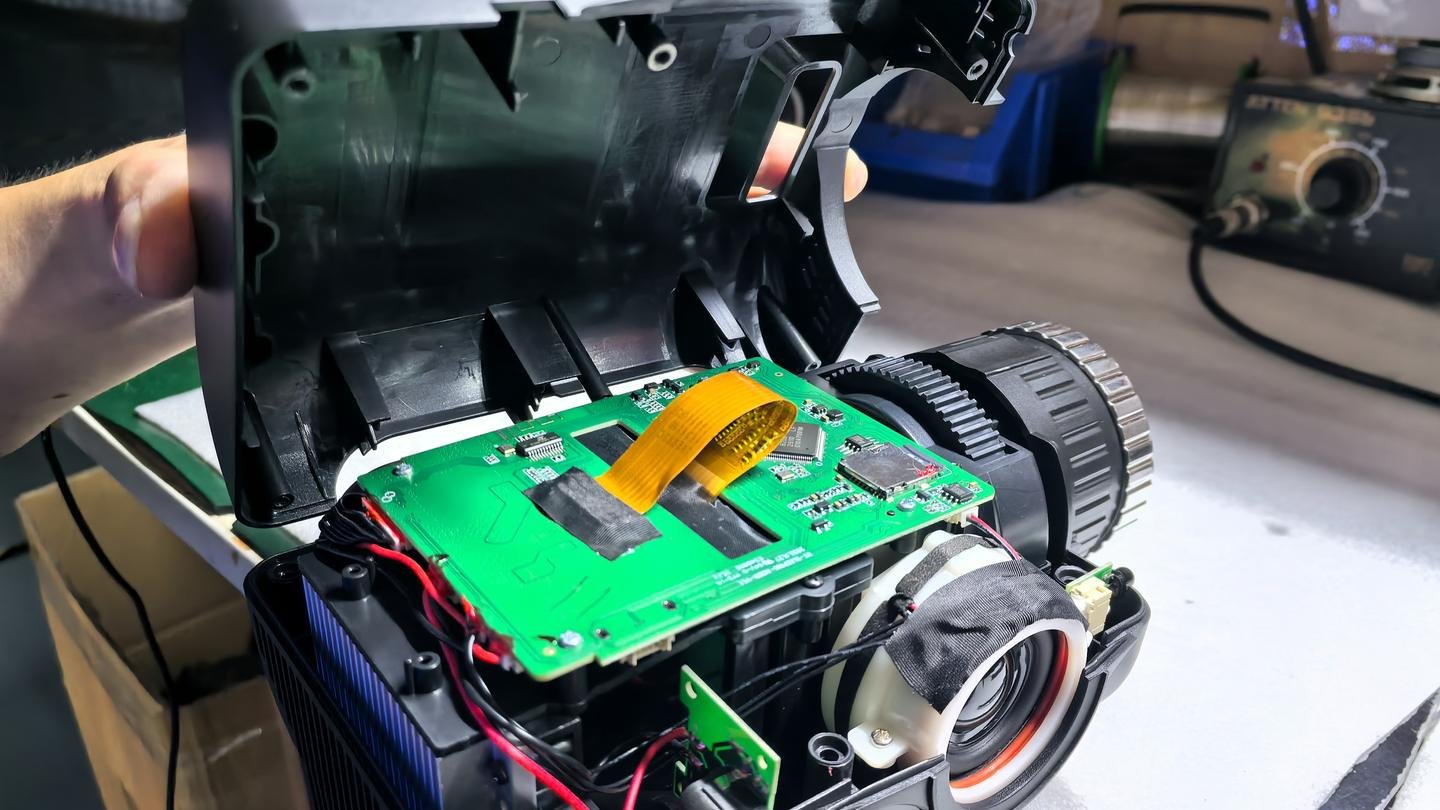
The photograph shows an opened projector during a factory inspection. It does not establish why a seasonal unit might behave differently after storage, and it is not instruction for a buyer to open a product. I use it only to show that inspection depth and responsibility must be defined. A buyer should not improvise invasive work that could affect safety, evidence, or agreed service terms.
My pre-season release states are deliberately simple:
- Release-ready: exact identity and included set confirmed; defined check completed; no blocking exception remains.
- Service-only: retained for controlled service use under the buyer's plan, not released as ordinary sellable or installable stock.
- Pending review: an observation or missing record requires responsible evaluation before use.
- Not released: the buyer's authorized owner has decided the unit or set must not enter the current program.
These are buyer operating states, not Bowlum warranty decisions. They help prevent a warehouse label such as “last year's stock” from functioning as an approval. The exact unit and its record move together.
The timing should leave room for action before crews and sites are committed. I do not prescribe a universal number of days because buyer networks, product configurations, test methods, and local service structures differ. The stable rule is to finish the review before the affected stock becomes the critical path for installation.
This gate also connects warranty and inventory without confusing them. A unit can be outside an agreed warranty period and still be traceable, reviewable, and usable under the buyer's acceptance plan. A unit can also be inside a period yet remain unavailable for immediate field use until the buyer resolves an exception. Coverage status and release status are separate columns.
Are Local Spares a Substitute for the Warranty?
Warranty responsibility and immediate service availability solve different problems. A factory-side review can address the agreed commercial responsibility. It cannot place an exact compatible replacement in an installer's vehicle during the same service window.
No. Local spares do not replace warranty terms, and a warranty does not replace local service inventory. I size and identify service stock around the buyer's downstream response promise, exact configurations, installed base, replenishment path, and acceptable interruption—not around an unsupported universal percentage.

BWL-OL-004 provides a practical configuration example. Our current record distinguishes a 7-color APP family version and a DMX512 professional version. The marketing collage shows application context, not the included-set details or a field-service result. A spare labeled only “outdoor firefly projector” may not preserve the exact control, power, accessory, firmware, documentation, or buyer-approved configuration.
I keep four service questions separate:
- Continuity: What can the local team do when an installation needs a compatible unit now?
- Responsibility: What does the agreed warranty require each party to review or provide?
- Evidence: What identity and issue record must follow the affected unit?
- Replenishment: How and when will consumed service stock be restored?
The service-stock number is a buyer decision. It should use actual installed configurations and service records, not a percentage copied from another program. This is also where the related holiday-lighting service-call cost guide connects: a service event consumes local capacity whether or not a later commercial review assigns responsibility.
I do not call adapters “easy to damage,” “the first failure,” or the largest spare category. Bowlum does not have a supported public failure ranking. The adapter belongs in the configuration record because it is a separate electrical and evidence boundary, not because this article assumes it is weak. The same discipline applies to controllers, remotes, mounting parts, and the main unit.
A warranty answers an agreed responsibility question. A local spare answers an availability question. A seasonal program needs both answers without pretending they are the same.
Which Christmas Light Warranty Terms Should Be Frozen Before the Order?
The most difficult time to discover an undefined warranty term is after an exception has occurred. Before order release, I convert the one-year headline into a responsibility matrix and give every open field an owner.
Freeze the exact covered configuration, warranty start event, duration, relevant conditions, evidence route, response owner, review timing, and available remedies before the order. Keep buyer receiving, seasonal-close, storage, pre-redeployment, and local-spare controls in a separate service calendar.
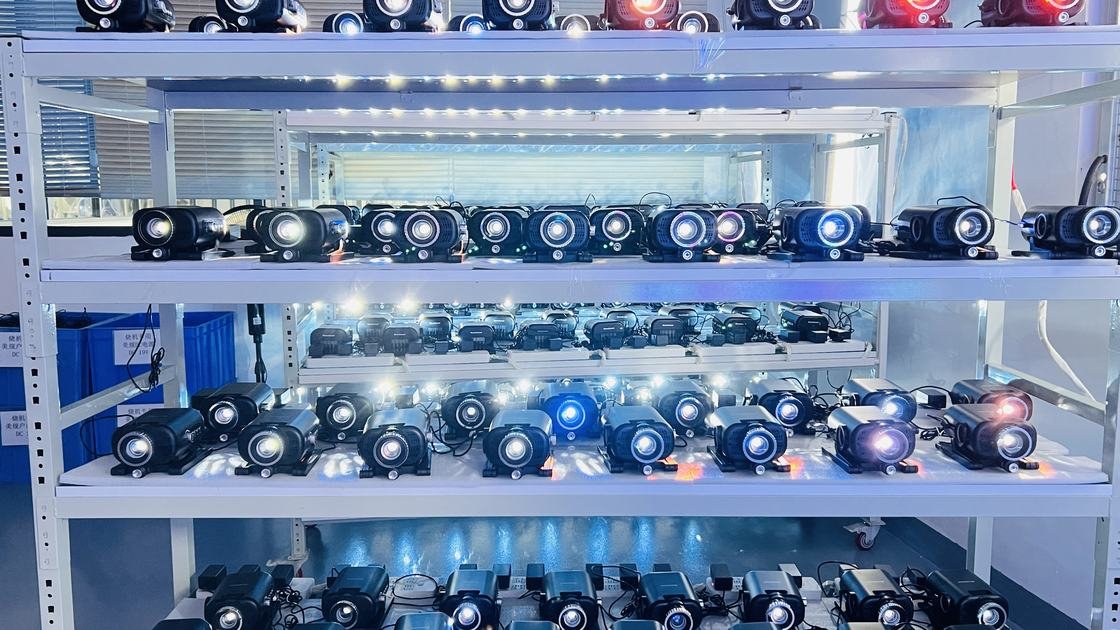
Every Bowlum unit receives roughly eight hours of aging as a factory release control. The image shows powered units on racks, but it does not establish the duration or result for a named SKU. More importantly, aging does not fill the warranty matrix. It is not a life prediction, a second-season simulation, a buyer incoming inspection, or a promise that no field exception will occur.
A Distributor Story: A Calendar With One Missing Line
A distributor in the Midwest brought me a seasonal service calendar built around receiving, installer allocation, removal, and storage. Across the top, one green bar said “one-year warranty.” It did not state when the bar began, which parts it covered, or what happened after a field report.
I did not extend the bar by counting only active weeks. I split it into open questions: start event, covered object, evidence, response path, and remedy. Then I added buyer-controlled checkpoints at receipt, end of season, and pre-redeployment. For service continuity, I asked the team to identify local stock by the exact approved configuration rather than create one mixed “spares” quantity.
The revised sheet did not claim that a warranty case had occurred, that a second season succeeded, or that any particular response was guaranteed. Its result was narrower and more useful: the buyer could see which dates came from its own operating plan, which term still required a supplier answer, and which local action could not wait for a later review.
Use Two Documents, Not One Oversized Promise
I recommend keeping the records separate:
| Document | Required content | Decision it controls |
|---|---|---|
| Order-specific warranty matrix | Exact product/set, start event, duration, conditions, evidence, owner, timing, remedy | Commercial responsibility review |
| Seasonal service calendar | Receipt, pre-install, operation, removal, storage entry, pre-redeployment, local-spare review | Buyer readiness and continuity |
One document should reference the other, but neither should absorb it. A detailed service calendar cannot create a warranty remedy. A clear warranty cannot release stock for next season without the buyer's defined inspection and configuration controls.
That is the honest meaning of a one-year warranty for intermittent seasonal use. It remains a real commercial term, but its value depends on precise scope and evidence. The buyer's operating discipline must continue around it—and sometimes beyond it.
Conclusion
A one-year Christmas light warranty measures an agreed calendar period. It does not measure one year of accumulated operating hours, automatically protect several holiday seasons, or define its own start point, covered parts, evidence, response, and remedy. At Bowlum, the one-year duration is confirmed; the remaining fields need order-specific answers.
My planning rule is to use two records. First, freeze the warranty matrix before the order. Second, run a seasonal service calendar through arrival, installation, removal, storage, and pre-redeployment. Keep exact-compatible local spares for the response promise the buyer chooses to make, while preserving warranty review as a separate responsibility path. That structure is less comforting than one oversized promise, but it is much more useful when the calendar moves faster than the active-use hours.
Frequently Asked Questions
Does a one-year Christmas light warranty mean one year of active use?
Do not treat it as one year of accumulated use. Bowlum confirms a one-year duration, not an operating-hours allowance. Confirm the exact start event and dates for the order, and do not assume storage pauses the agreed clock.
Will a one-year warranty cover the next holiday season?
Do not assume so. The answer depends on the agreed start point, exact dates, covered configuration, conditions, and issue timing. Bowlum confirms a one-year duration but does not currently publish a universal start-point rule.
What should a seasonal-lighting buyer inspect at arrival?
Verify exact product and configuration identity, carton and included-set completeness, visible condition, a defined sample power-on check, and an exception record. The inspection creates evidence and readiness; it does not create or extend warranty coverage.
Why check products again at the end of the season?
Removal changes the product's state and can separate it from site context, accessories, and service history. Record identity, completeness, observations, unresolved exceptions, and storage status before those details become difficult to reconstruct.
Should stored holiday projectors be tested before the next installation?
Yes, under the buyer's defined pre-redeployment plan. Reconcile the stored record, confirm exact identity and included parts, apply the approved check, and assign a release state. Do not assume storage preserves either condition or warranty coverage.
Are spare adapters more important than the warranty?
That comparison is not supported. Warranty responsibility, immediate local availability, and adapter compatibility are separate questions. Do not assume the adapter fails first; identify every spare by the exact product, electrical, control, and destination configuration.
Which warranty details should be confirmed before ordering?
Confirm the covered product and accessories, start event, duration, relevant conditions, evidence needed, response owner, review timing, and available remedies. Preserve the final terms with the exact order and configuration record.