
When a holiday-lighting distributor shows me an inventory report, I do not begin with the total number of units left. I ask the team to write a second credible buyer beside every remaining SKU. A Christmas-specific projector may have one obvious selling window. A moving point or water-ripple effect may be considered for several seasonal or decorative applications, but only if its construction, documentation, control method, and visual result fit those buyers. If the team cannot name another buyer and explain why the product fits, “we can sell it next year” is not a plan. It is a delay.
The seasonal inventory most capable of waiting a year has retained option value1: a visual effect that is not locked to one date, a configuration the channel can still support, current documentation, intact and traceable stock, and more than one credible application. Theme-specific products are not automatically bad inventory, but they need tighter forecasts because their next selling window is narrower.
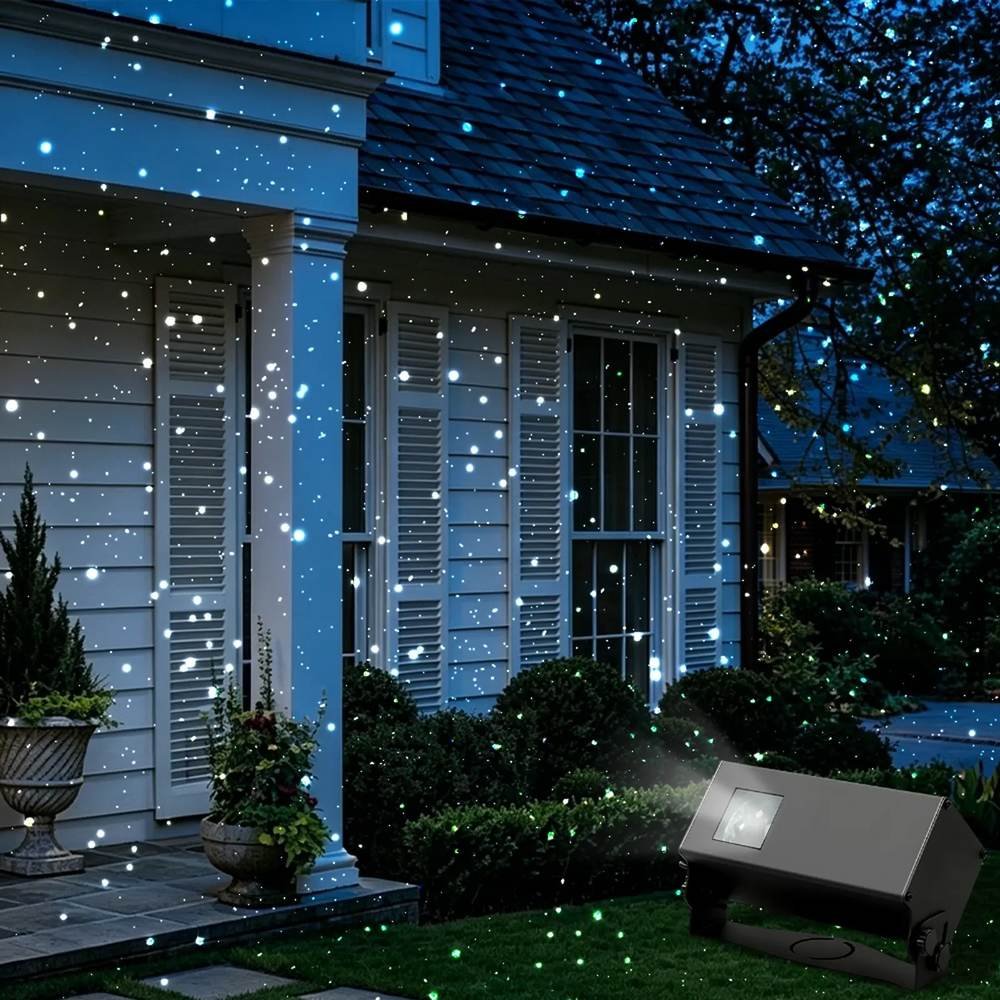
This is the distinction I use in seasonal inventory management: shelf life is not only whether a product still powers on. Commercial shelf life asks whether the same stock can still be identified, documented, supported, and matched to a buyer without inventing a use case. A general effect can preserve more options than a named holiday motif. It does not guarantee demand. The distributor still has to prove that a second channel exists.
Why Is Unsold Seasonal Inventory More Than a Storage Problem?
The warehouse makes leftovers look passive. Cartons sit quietly, so the visible cost is floor space. I ask finance, sales, and service to look at the same stock separately because each team sees a different obligation.
Unsold seasonal inventory ties up cash, warehouse capacity, product attention, and future service responsibility at the same time2. Its risk grows when the product has a narrow selling window, incomplete traceability, changing documentation, or no channel outside the original holiday campaign.
The first cost is obvious: money committed to one SKU cannot be used for another order. The second is physical: the stock needs space, counting, protection, and handling. The third is commercial: salespeople must keep explaining the product, even if the original campaign has ended. The fourth is service: as long as the distributor sells the stock, it needs compatible replacements, accurate instructions, and a response path.
There is also an evidence problem. A carton can remain unchanged while the sales claim around it drifts. The current listing may show an updated accessory, control version, or certification statement that the older batch does not share. If the warehouse cannot separate those batches, the distributor may sell yesterday's configuration under today's description3.
I therefore reject the phrase “evergreen inventory” unless the buyer can answer four questions:
- Can the exact batch be identified?
- Is its configuration still the one being sold?
- Are the instructions and product claims still accurate for that batch?
- Can the sales team name at least one credible application after the original season?
The word credible matters. A snow effect might fit a winter event outside Christmas. A Santa-specific pattern does not become wedding inventory because someone adds “party” to a spreadsheet. Reuse is an application decision, not a label change.
The dangerous inventory is not simply what failed to sell; it is what no longer has a precise promise.
Which Product Attributes Preserve Inventory Options?
I use four filters before saying a projector has carryover potential: visual specificity, installation envelope, control and accessory continuity, and evidence continuity. None can prove future sales, but together they show whether the stock can responsibly be offered to another buyer.
A product preserves more inventory options when its effect can serve several credible briefs4, its installation limits match more than one channel, its accessories and controls remain supportable, and its exact batch can still be sold with current evidence. A generic effect alone is not enough.
The Four-Filter Carryover Test
| Filter | Higher carryover option value | Lower carryover option value | Evidence to retain |
|---|---|---|---|
| Visual specificity | Moving points, ripple, abstract color, or another effect with several plausible briefs | A named character, year, campaign, or single-event graphic | Accurate effect media from the exact model |
| Installation envelope | Configuration can be qualified for several real site types | Product depends on one narrow position, accessory, or protected setting | IP claim, mounting scope, power and cable details, instructions |
| Control continuity | Remote, app, or professional-control version remains known and supportable | App, controller, remote, or pairing path is uncertain | Version record, controller identity, setup guide |
| Evidence continuity | Batch, model, claims, and documentation remain aligned | Old stock is being sold under a newer model's evidence | Batch ID, incoming record, approved product sheet, media set |
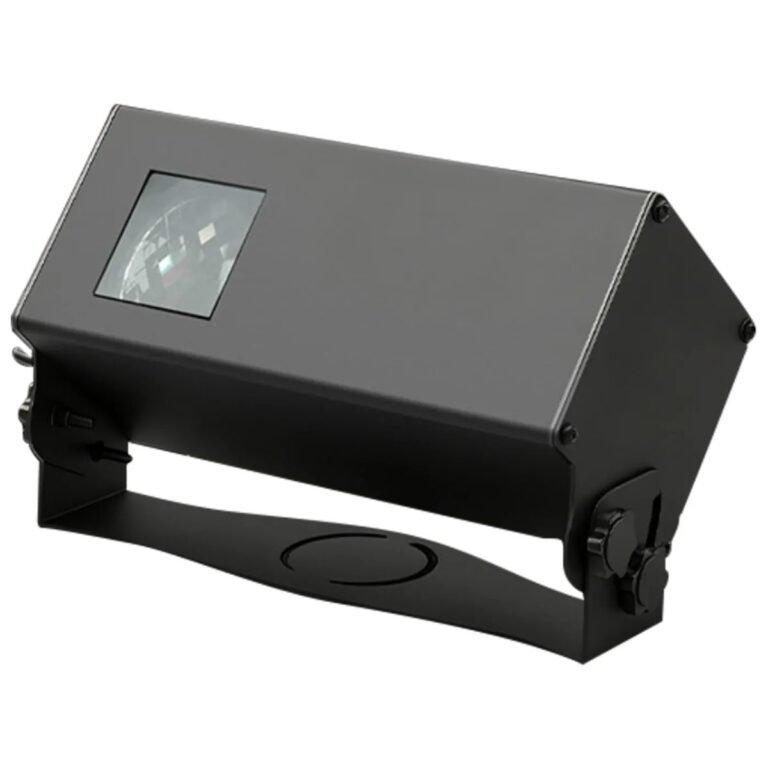
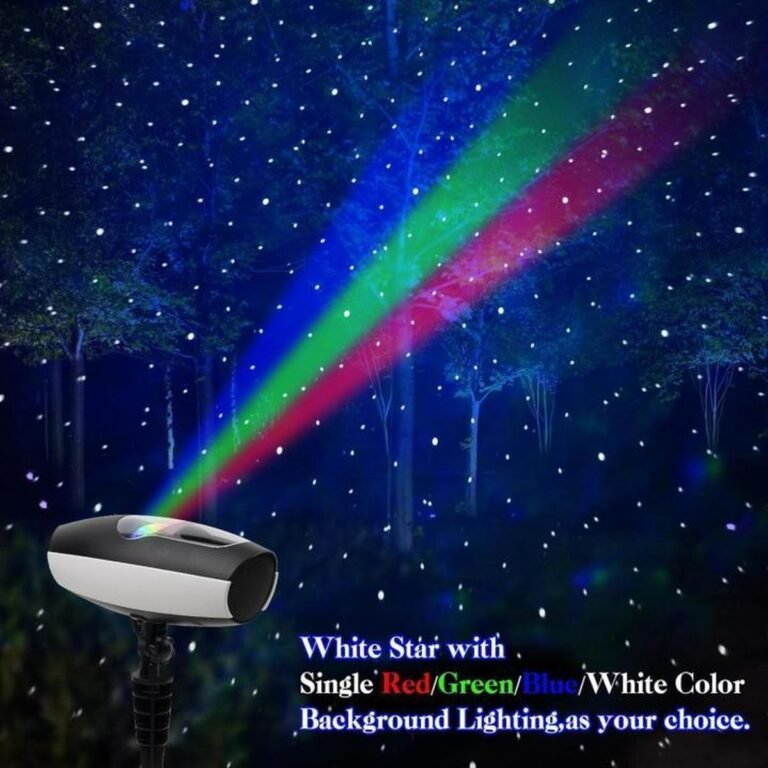
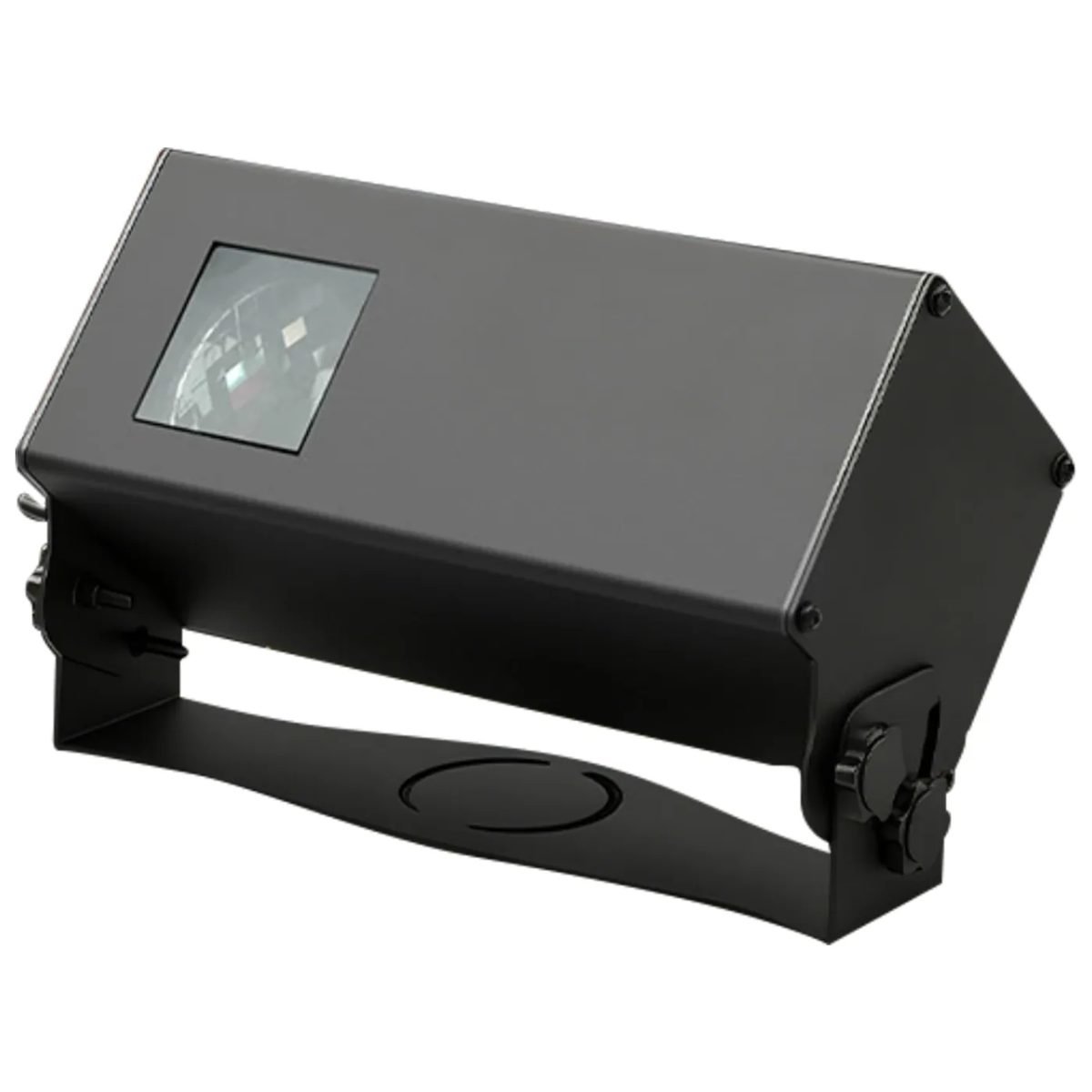
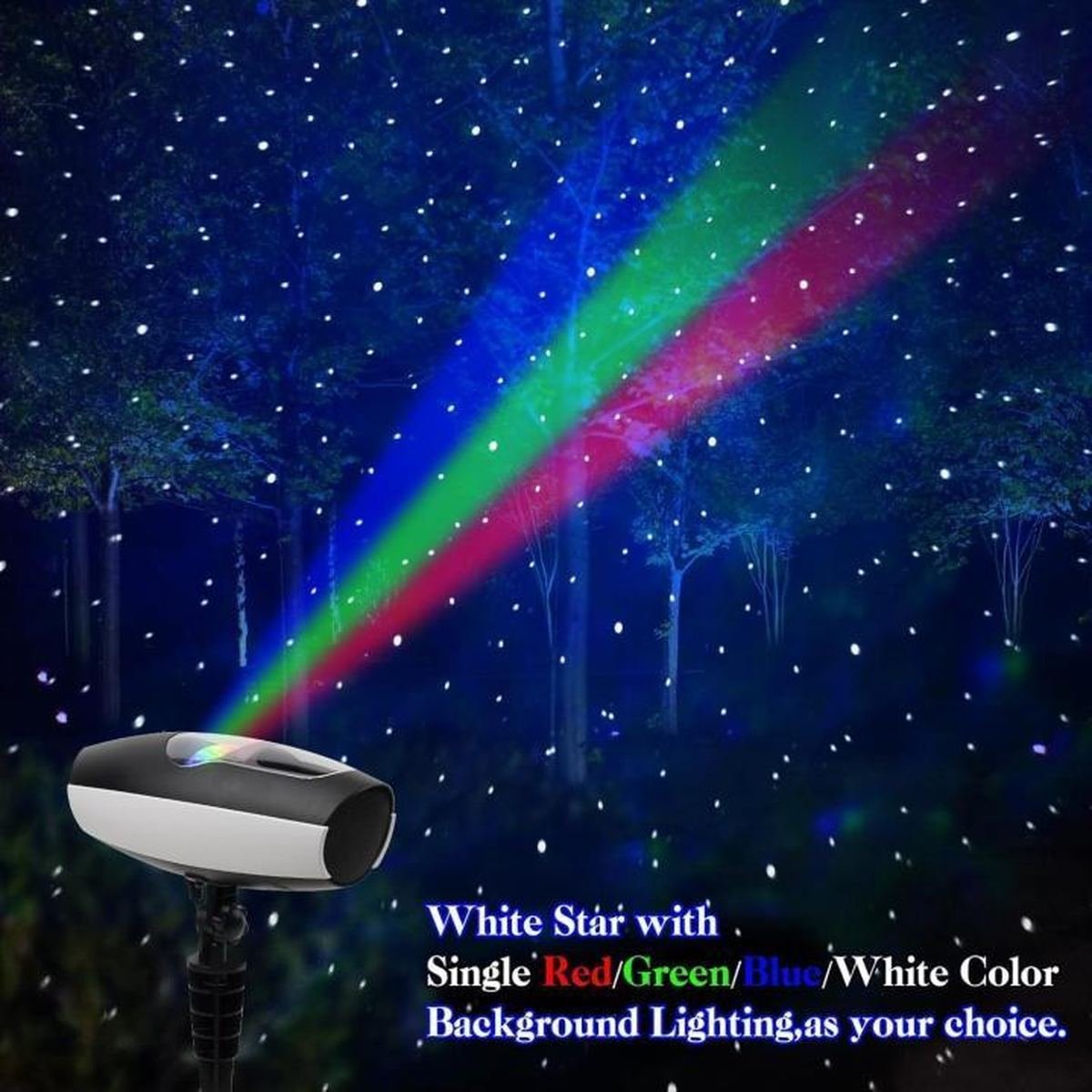
The BWL-OL-001 is a useful example of an effect with several catalog-listed scene ideas: garden landscape, party, and decorative applications. It is listed IP65 with a five-meter cable and Class 1 under IEC 60825-1 in its catalog record. Those exact facts can support qualification for the exact model. They do not prove that every garden, party, or market will buy it, and they do not allow the same statements to be copied onto another projector.
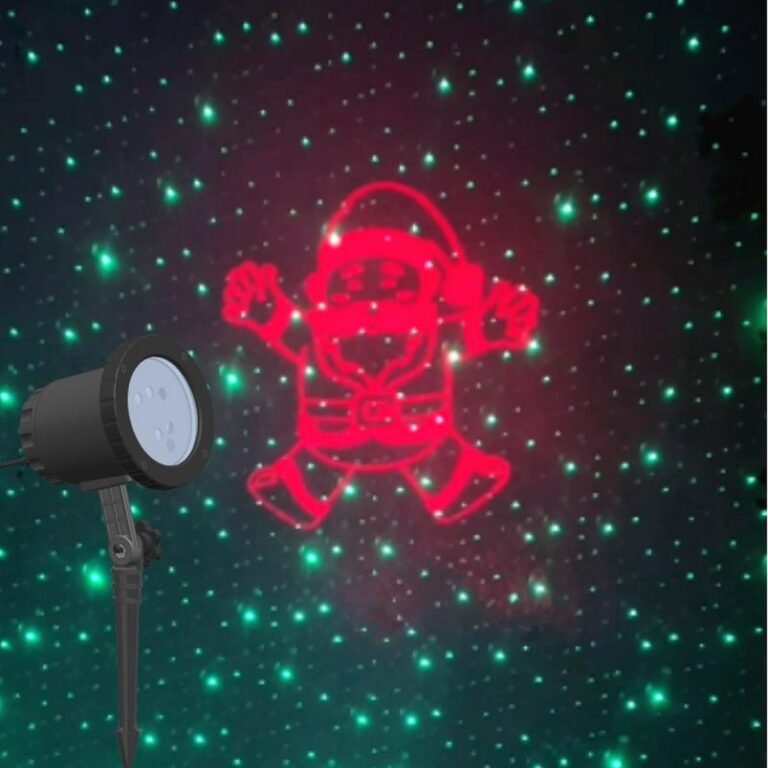
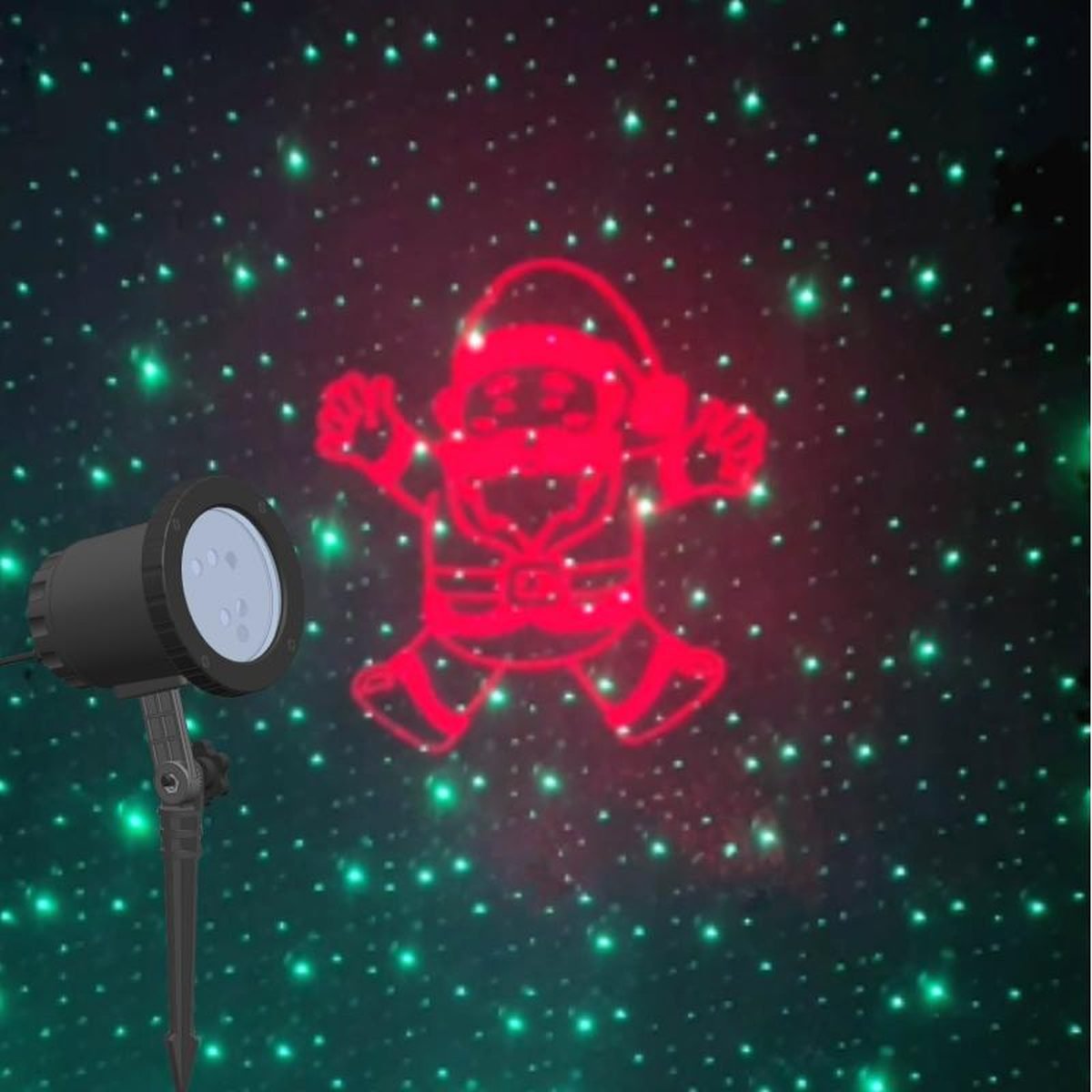
BWL-HP-006 creates the opposite inventory question. Its published image presents an unmistakably Christmas-specific pattern. That clarity can be a strength in the right seasonal campaign. It also means the distributor should forecast it as a narrower promise. The product is listed IP44, and the buyer must qualify the exact installation instead of assuming that “outdoor projector” means any exposed position.
I prefer a mixed range because specificity and flexibility do different jobs. Theme-led products help a retailer communicate a holiday instantly. General effects help an installer or distributor test more than one brief. The mistake is ordering both with the same forecast logic.
Where Can a General Effect Go After the Holiday Window?
The usual answer is a list: weddings, hotels, gardens, openings, events. I do not accept the list until the sales team pairs each scene with an actual buyer, operating condition, and product capability. A possible use is not a channel.
General effects can be evaluated for non-holiday work only when the visual brief, site conditions, operator, and service model all fit5. The reuse path should be written as “effect + buyer + site + control,” not as a collection of broad scene names.

For example, “event use” is too broad. A rental company may need quick setup, repeatable packing, clear labeling, and staff who can test the unit between hires. A hotel may need a stable installation position, an approved operating schedule, and a service contact. A landscape contractor may care about physical security, weather exposure, cable routing, and whether the effect supports the intended atmosphere. The same visual effect enters three different operating systems.
I make the sales team complete this table before moving seasonal stock into another channel:
| Proposed second channel | Visual job | Qualification question | Channel obligation |
|---|---|---|---|
| Event rental | Temporary moving ambience | Can staff reproduce the approved setup at different venues? | Check-in/out test, labeled accessories, transport protection |
| Hospitality | Seasonal or event atmosphere | Is there a secure position, suitable target, operating window, and trained operator? | Site record, control handover, local service path |
| Landscape contractor | Decorative point or ripple effect | Do mounting, power, exposure, and ambient conditions fit the exact model? | Installation documentation and exact-model replacement stock |
| Retail display | Short campaign effect | Does the effect remain visible under the store's real competing light? | Campaign schedule, safe placement, simple operator instructions |
| Residential installer | Removable facade or garden effect | Does the target and throw path work without obstruction? | Site qualification, handover, and return-visit boundary |
This discipline prevents a common end-of-season error: changing the headline while leaving the product qualification untouched. If the sales team shifts a unit from a holiday facade to a hotel garden, it must recheck the site and service assumptions. “Same projector” does not mean “same installation.”
The distributor also needs different sales assets. A Christmas montage may prove what the holiday effect looks like, but it will not help an event buyer understand setup, control, mounting, or pack-down. Carryover inventory needs a second, honest presentation built around the second application—not a seasonal image with the holiday cropped out.
Does IP65 Make Seasonal Stock Easier to Reuse Than IP44?
IP ratings are useful in an inventory review because they narrow the environments that should be considered. I stop the team, however, when the rating becomes a shortcut for “can be installed anywhere outdoors.”
An IP65 listing can keep more outdoor applications open for consideration than an IP44 listing6, but it does not approve every exposed site or predict resistance to ice, road salt, condensation, mounting errors, cable damage, or long-term weathering. Carryover value increases only when the exact product and installation remain within documented limits.

BWL-OL-001 and BWL-OL-002 show why buyers must preserve model identity. Both are outdoor firefly-style products in our public range, yet their catalog records list different ingress-protection levels: IP65 for BWL-OL-001 and IP44 for BWL-OL-002. A warehouse label that says only “firefly projector” is not precise enough for future selling.
The IP code addresses particular solid-particle and water-ingress test conditions. It does not describe every environmental stress a seasonal installation may face7. Our more detailed guide on IP65 outdoor projectors explains why the same rating can lead to different buying decisions depending on the product and field condition.
For carryover stock, I ask the warehouse and product team to retain:
- exact public SKU and batch identifier;
- power-supply and cable configuration;
- included mounting parts;
- IP claim for that exact model;
- model-specific instructions and evidence;
- storage condition and carton status;
- record of any opened, demo, returned, or reworked unit.
That final line matters. Sealed stock, showroom samples, opened returns, and reworked units should not share one inventory status. The product may be the same model, but the buyer promise is different.
An IP rating can widen a qualification conversation; it cannot replace one.
How Should a Distributor Split Core Stock and Trial Stock?
I do not give distributors a universal percentage because their sell-through data, channel mix, and risk tolerance differ. Instead, I separate stock by the evidence behind the forecast and give each group a different reorder rule.
Core stock should be backed by repeatable demand, known configuration, and a service system8. Trial stock should have a capped commitment, a named learning question, and an exit plan9. Theme-specific products can be excellent trial or campaign stock; they become dangerous when treated as core without proven repeat demand.

Core, Trial, and Committed Campaign Stock
| Stock role | Evidence before ordering | Reorder trigger | End-of-season action |
|---|---|---|---|
| Core stock | Repeated sell-through by exact model or stable application, plus known service needs | Actual depletion and forward demand from existing channel | Retain only after configuration and documentation review |
| Trial stock | A specific buyer hypothesis and a limited test | Verified inquiries, samples, orders, and service feedback | Stop, revise, or expand based on the test record |
| Committed campaign stock | Named customer, retailer, or campaign requirement | Contracted or approved campaign demand | Keep separate from general stock; document remaining campaign rights and relevance |
| Service stock | Installed-base requirement and known compatible configuration | Field population and replacement policy | Protect from sales allocation unless policy allows it |
The point is not to avoid narrow products. It is to order them with an honest role. A retailer may need a Christmas-specific visual because that is what makes the product understandable on a shelf. A distributor serving landscape installers may prefer a general moving-point or ripple effect. A professional integrator may require DMX512 capability. Each is valid when the evidence matches the stock role.
I also separate sample success from repeat demand. A dramatic demo can earn attention without proving that the channel can install, support, or reorder the product10. Before moving a trial SKU into core stock, I want to see which buyer used it, under what conditions, what support was required, and whether the same application appears again.
For factory orders, the buyer must combine that logic with manufacturing reality. Bowlum's basic factory MOQ is normally 1,000 pieces, with model or project variation possible, and our standard factory production lead time is 35 days. Those facts make assortment discipline more important, not less. A factory MOQ should not be divided across speculative variations until none has enough evidence or service depth11.
Our projector inventory guide explains another reason a visually popular product still needs a disciplined buying thesis. Inventory architecture is part of product selection, not an afterthought.
What Should You Ask Before Reordering a Seasonal SKU?
At reorder time, last year's sales number can dominate the conversation. I make the team examine the remaining units first. Leftovers contain information about forecast quality, product fit, channel execution, and service burden that a top-line sales report hides.
Before reordering, ask what sold, what remained, why it remained, whether the configuration is unchanged, which second channel was actually validated, and what service the installed base requires. Reorder only the part of the story supported by evidence.
A Post-Season Inventory Review
A Midwest distributor came to me after a season with a mixed group of leftovers. This is a composite scenario built around a recurring planning conflict, not a claim about a named historical order. The first spreadsheet grouped everything as “holiday projectors” and proposed carrying all of it into the next year.
I asked the team to replace the category with four columns: exact SKU and batch, theme specificity, documented installation envelope, and a second buyer supported by an actual sales conversation. Several theme-led units had no credible channel until the next holiday window. Some general-effect units had possible event and landscape briefs, but the team had not yet tested those buyers. Opened samples were mixed with sealed stock, and the accessory version was missing from the inventory description.
We did not relabel the whole balance as evergreen. The distributor separated sealed stock from samples, protected known service units, held theme-specific inventory against the next seasonal campaign, and created small application tests for the general effects. I also asked the sales team to record rejection reasons. A failed second-channel test is useful evidence; it prevents a possible use from becoming a permanent forecast assumption.
The next purchase decision changed because every SKU now had a role. Core products needed repeated demand. Theme-led products needed a campaign commitment or a capped trial. Service stock could not quietly become sellable stock. General effects earned more tests, not an automatic larger order.
Six Questions for the Reorder Meeting
- Which exact batch remains, and is its configuration still current?
- Was the leftover caused by weak demand, late arrival, poor presentation, wrong channel, or a service concern?
- Does the SKU have a second application that was tested with real buyers?
- Are its media, instructions, IP claim, control version, and accessories accurate for the remaining batch?
- How many units must stay reserved for the installed base and warranty response?
- What evidence would cause us to stop reordering this SKU?
Do not ask whether inventory can survive another year; ask whether its promise can.
Conclusion
Seasonal inventory management is not a contest between “safe” generic effects and “risky” holiday themes. A theme-specific product can be strong when it has a committed campaign and a disciplined forecast. A general effect can be weak when no second channel, installation fit, or service process has been validated. I judge carryover stock by retained option value: exact identity, current evidence, supportable configuration, credible applications, and a buyer the sales team can actually name. Before the next order, classify every remaining carton as core, trial, campaign, or service stock. Then make the reorder earn its place from the evidence in that row.
Frequently Asked Questions
What is seasonal inventory management for holiday lighting?
It is the process of forecasting, ordering, identifying, storing, supporting, and deciding the next use of products whose main selling window is seasonal. A good system separates core, trial, campaign, and service stock and retains exact model, batch, configuration, and documentation records.
Can unsold Christmas projectors be sold the following year?
They can be considered for the next season if the exact configuration remains current, stock condition is known, documentation and claims still match the batch, and the distributor can support the product. Physical shelf life alone does not establish commercial shelf life.
Are general projector effects safer inventory than Christmas-specific patterns?
General effects may preserve more possible applications, but they are not automatically safer. The distributor still needs a real buyer, suitable site conditions, current evidence, compatible accessories, and a service plan. Theme-specific patterns can be appropriate when campaign demand is committed.
Does IP65 make a projector suitable for every outdoor site?
No. IP65 addresses defined ingress conditions, not every exposure, mounting orientation, connection, cable risk, ice, salt, condensation, or long-term weathering condition. Use the exact model documentation and qualify the actual installation.
Why should service stock be separated from sellable inventory?
[Service stock supports the installed base and the response promise already made to customers](https://bowlum.com/christmas-light-business-profitability-supply-chain/)[^12]. Selling it as ordinary inventory can leave the distributor unable to replace a compatible unit during the season. Its allocation should follow a written service policy.
How should opened samples and returns be counted?
Keep sealed stock, showroom samples, opened returns, and reworked units in separate statuses. They may share a model number, but their condition, completeness, evidence, and buyer promise differ. Each unit should remain traceable.
What makes a good trial SKU?
A trial SKU has a named buyer hypothesis, capped commitment, clear learning question, accurate evidence, service plan, and exit condition. It should become core stock only after repeated demand and operational fit are demonstrated.
What should a distributor review before a seasonal reorder?
Review exact remaining batches, reasons for leftovers, configuration changes, documentation, tested second channels, service-stock needs, and the evidence that would stop the reorder. Use actual sell-through and support records rather than next-season optimism.
"Supply Chain Management and Demand Uncertainty", https://scholarworks.uni.edu/cgi/viewcontent.cgi?article. Research on inventory flexibility and real-options reasoning supports treating alternative future uses as a source of retained decision value under uncertain demand; this framework is contextual and does not establish that any particular lighting product will find a future buyer. Evidence role: definition; source type: paper. Supports: The source should define how product flexibility and alternative future uses can preserve value under demand uncertainty.. Scope note: The cited literature may address manufacturing or financial options rather than seasonal lighting distribution directly. ↩
"Multi-period Newsvendor Model", https://arxiv.org/html/2602.11821v1. Supply-chain research identifies capital commitment, storage, obsolescence, and handling requirements as material components of inventory carrying cost, supporting the article's broader account of unsold-stock burden without proving the magnitude of those costs for a particular distributor. Evidence role: general_support; source type: research. Supports: The source should document that inventory creates carrying, storage, obsolescence, and operational costs beyond the original purchase price.. Scope note: General inventory studies may not quantify sales attention or product-specific service responsibility. ↩
"FSMA Final Rule on Requirements for Additional Traceability Records - FDA", https://www.fda.gov/food/food-safety-modernization-act-fsma/fsma-final-rule-requirements-additional-traceability-records-certain-foods. Quality and configuration-management standards support maintaining traceable product identities and revision histories so that technical descriptions remain aligned with the supplied configuration; this establishes the control principle but does not show that a specific distributor has misdescribed its stock. Evidence role: mechanism; source type: institution. Supports: The source should explain why configuration and batch traceability are required to keep product records, labeling, and technical documentation aligned.. Scope note: Standards may specify control procedures without addressing the commercial consequences of seasonal inventory. ↩
"A Study of Data-driven Methods for Inventory Optimization", https://arxiv.org/html/2505.08673v1. Research on product flexibility and aftermarket support indicates that adaptable functions, maintainable configurations, and reliable technical information can broaden feasible use and support conditions; the relationship is contextual and does not demonstrate future demand for a particular projector. Evidence role: general_support; source type: paper. Supports: The source should relate product flexibility, serviceability, documentation, and channel compatibility to continued market applicability.. Scope note: The literature may examine industrial products rather than decorative lighting effects. ↩
"A Decision-Centric Architecture for Complex Systems", https://arxiv.org/html/2608.03413v1. Systems-engineering and operational-suitability guidance supports evaluating equipment as part of a use environment that includes site conditions, operators, and support arrangements; this provides contextual rationale rather than direct evidence that every proposed reuse channel is viable. Evidence role: mechanism; source type: education. Supports: The source should support evaluating equipment against intended use, environmental conditions, operator capability, and maintenance arrangements.. Scope note: General suitability frameworks do not validate the performance or demand of a specific lighting application. ↩
"Commercial Grade Christmas Lights: A Factory Definition", https://bowlum.com/commercial-grade-christmas-lights-definition/. IEC 60529-based guidance defines IP44 as protection against solid objects above 1 mm and splashing water, while IP65 denotes dust protection and protection against water jets; these ratings inform qualification but do not by themselves approve a particular installation. Evidence role: definition; source type: institution. Supports: The source should define the tested solid-particle and water-ingress protections represented by IP44 and IP65.. Scope note: Ingress ratings do not cover every environmental, mounting, electrical, or long-term weathering condition. ↩
"Design, construction, and operation of a 30-ton Water- ...", https://arxiv.org/html/2603.20019v1. Engineering guidance distinguishes ingress-protection tests from broader environmental qualification, including corrosion, condensation, ultraviolet exposure, mechanical damage, and installation-specific risks; the limitation is directly relevant to outdoor equipment but does not assess this projector's durability. Evidence role: mechanism; source type: research. Supports: The source should explain that ingress-protection testing covers defined test conditions and does not substitute for corrosion, condensation, ultraviolet, mechanical, or installation-specific assessment.. Scope note: The cited guidance may describe general equipment qualification rather than the exact product construction. ↩
"A Study of Data-driven Methods for Inventory Optimization", https://arxiv.org/html/2505.08673v1. Inventory-control research supports basing replenishment policies on observed demand, item-specific records, and required service levels, which is consistent with treating repeat demand, configuration certainty, and support capability as prerequisites for core stock. Evidence role: general_support; source type: paper. Supports: The source should connect replenishment decisions to demand history, item identity, service-level requirements, and installed-base obligations.. Scope note: Formal inventory models may assume stable demand and therefore require adaptation for highly seasonal products. ↩
"Guidelines for Designing and Evaluating Feasibility Pilot Studies", https://pmc.ncbi.nlm.nih.gov/articles/PMC8849521/. Research on staged experimentation and innovation portfolios supports bounded commitments with explicit hypotheses, evidence-gathering objectives, and continuation or termination criteria; this supports the trial-stock method without proving which thresholds a distributor should use. Evidence role: mechanism; source type: research. Supports: The source should support using bounded pilots, explicit hypotheses, evidence collection, and continuation or termination criteria under uncertainty.. Scope note: Innovation-pilot frameworks may not specify physical inventory, warranty, or seasonal disposal constraints. ↩
"How to Catch Customers' Attention? A Study on the ... - PMC", https://pmc.ncbi.nlm.nih.gov/articles/PMC8714787/. Research on technology adoption and business-to-business purchasing distinguishes initial trial or evaluation from sustained use and repeat demand, supporting the article's warning that a successful demonstration is not conclusive evidence of reorder potential. Evidence role: general_support; source type: research. Supports: The source should distinguish trial interest or demonstration effects from sustained adoption, repeat purchasing, and operational success.. Scope note: Adoption studies may concern software or industrial technologies rather than seasonal lighting products. ↩
"Introduction", https://arxiv.org/html/2509.12183v2. Inventory and sourcing research indicates that minimum-order constraints combined with product variety can increase commitment and mismatch risk when demand is uncertain, supporting the article's caution about fragmenting an order across speculative variations. Evidence role: mechanism; source type: paper. Supports: The source should explain how minimum order constraints and product variety can increase exposure to uncertain demand, obsolescence, and uneven stock allocation.. Scope note: The effect depends on supplier flexibility, replenishment time, substitution options, and the distributor's actual demand distribution. ↩