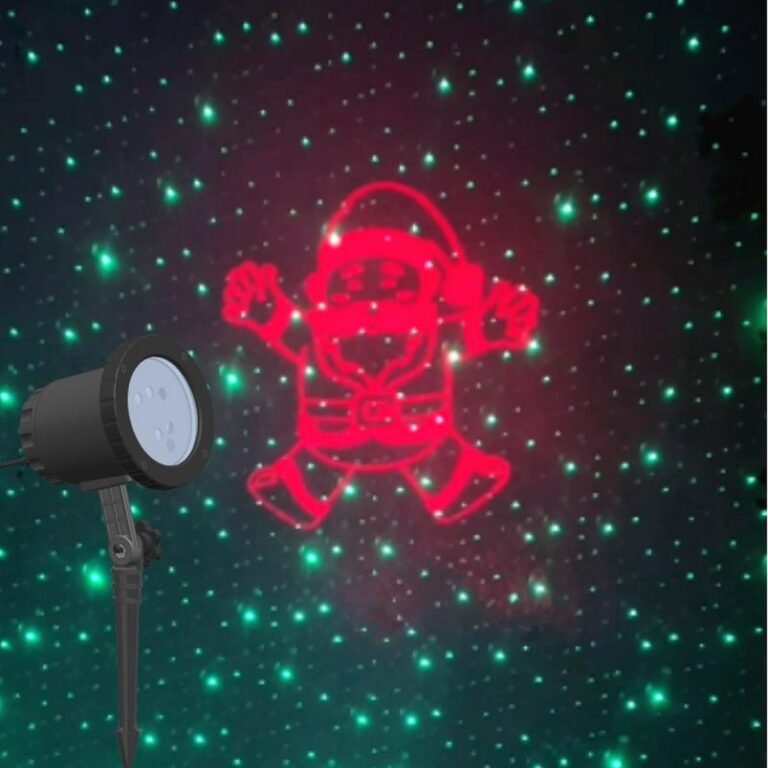

Open ten commercial Christmas lights listings and you will see the same phrase repeated: “commercial grade.” It sounds like a standard, but the words alone do not tell an installer, distributor or property buyer whether a projector has an aluminum or plastic housing, whether the complete electrical chain suits the destination, or whether its control method belongs in a coordinated display. Returns and failed site approvals begin in that gap. The problem is not that every supplier is hiding something. The problem is that a convenient sales category is being asked to do the work of a product specification.
When I review a seasonal-lighting brief, I cross out “commercial grade” until the buyer and I can replace it with conditions that can be checked on one exact model. Bowlum makes decorative projectors, not C7/C9 strings, sockets or installation hardware. Projection is one tool professional holiday-lighting teams may use for broad surfaces, trees, facades and focal effects; it is not a claim that we supply the entire lighting package.
Commercial grade is not a certification or a universal product class.1 For a decorative projector, it becomes useful only when it is translated into model-level evidence for housing, ingress protection, electrical input, cable and connector, control method, laser release process and packing.

Below, I turn that translation into a buyer checklist. I also show where our own source records are complete, where they are not, and why an adapter approval must never be promoted into a whole-product claim. The same product family is available through our outdoor projector range, while the checks here are designed to travel with you to any supplier.
Does “Commercial Grade” Have One Standard Meaning in Christmas Lighting?
Buyers often treat the phrase as if it sits beside IP ratings or an electrical standard. It does not. Different sellers use it for thicker wire, replaceable bulbs, weather resistance, metal construction, higher duty cycles or simply a product intended for a professional buyer.2
No single “commercial grade” label tells you what a holiday projector can survive or how it should be installed. Treat the phrase as a prompt for seven follow-up specifications, not as evidence that the product meets one shared threshold.

Why the Label Persists
“Commercial grade” survives because it compresses a complicated buying decision into two words. A distributor needs a short filter. An installer needs to separate disposable decor from equipment that can enter a season plan. A factory needs language that can cover several variants before a buyer has chosen one. Those needs are real, but the same shortcut creates different expectations at each handoff.
I handle the phrase as a discovery question. If a buyer says “I need commercial grade,” I ask what failure they are trying to prevent: water entry, physical damage, incompatible power, scattered control, slow setup, poor serviceability or unstable supply. The answer identifies which specification matters. Without that answer, upgrading the label does not upgrade the product.
A Better Definition for a Purchase Order
The useful definition is procedural: a commercial product is one whose selection, installation and acceptance conditions are explicit enough for the parties to inspect. That does not mean every value must be the highest available. An IP44 model can be a valid choice in a protected position. A plastic enclosure can be valid where weight and handling matter more than impact resistance. A remote-controlled unit can be right for a small independent zone.
The mistake is turning “commercial” into “maximum everything.” Professional procurement is not a trophy cabinet of high numbers. It is an alignment between exposure, control, service, logistics and the exact project. I will approve a modest specification that matches those conditions before I approve an impressive label with no conditions behind it.
An Example of Two Identical Labels and Two Different Offers
A holiday-lighting buyer once put two projector offers side by side. Both called the product commercial grade. One offer led with a dramatic outdoor image and a waterproof claim. The other looked less polished but separated the housing material, fixture IP rating, electrical input, cable length and control version. The buyer initially treated the first as the stronger product because its presentation felt more complete.
I removed the grade label from both sheets and rebuilt the comparison around the installation. I asked where the fixture, connector and adapter would sit; whether the buyer needed independent zones or synchronized control; and which packing fields the warehouse required. The first offer did not become a bad product, but it became an incomplete decision. The second offer could be evaluated because each answer belonged to a named field.
The buyer’s next step was not to choose a supplier on the call. It was to send both suppliers the same evidence matrix and request the missing boundaries. That changed the decision from “which sales page feels more commercial?” to “which offer can become an acceptance specification?” Any buyer can reuse that move without trusting our label or anyone else’s.
My rule is simple: if a phrase cannot be converted into an inspection point, it does not belong in the acceptance standard.
Which Specifications Actually Separate One Commercial Holiday Projector From Another?
A page can list dozens of features and still omit the five facts that change installation. I start with the physical and system boundaries before I look at colors, effects or app screenshots.
Compare five lines first: enclosure material, IP rating, the complete electrical input-and-adapter chain, cable and connector details, and control method. Then add laser release evidence and packing, because those two lines determine site risk and logistics even when the projected effect looks similar.
The Five-Line Comparison
| Decision line | Weak answer | Procurement-ready answer |
|---|---|---|
| Housing | “Commercial shell” | Named material and construction for the exact SKU |
| Ingress protection | “Waterproof” | Exact IP rating plus intended installation exposure |
| Electrical system | “US/EU available” | Input, output, adapter type and plug destination separated |
| Cable and connection | “Outdoor cable” | Cable length, connector arrangement and strain exposure stated |
| Control | “Smart control” | Remote, app or DMX version named, with required documents |
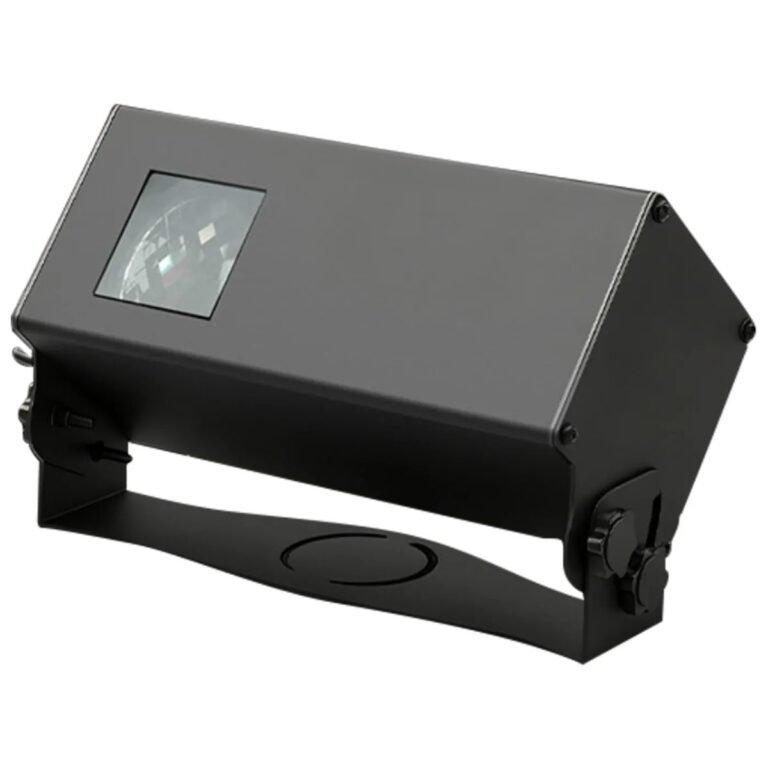
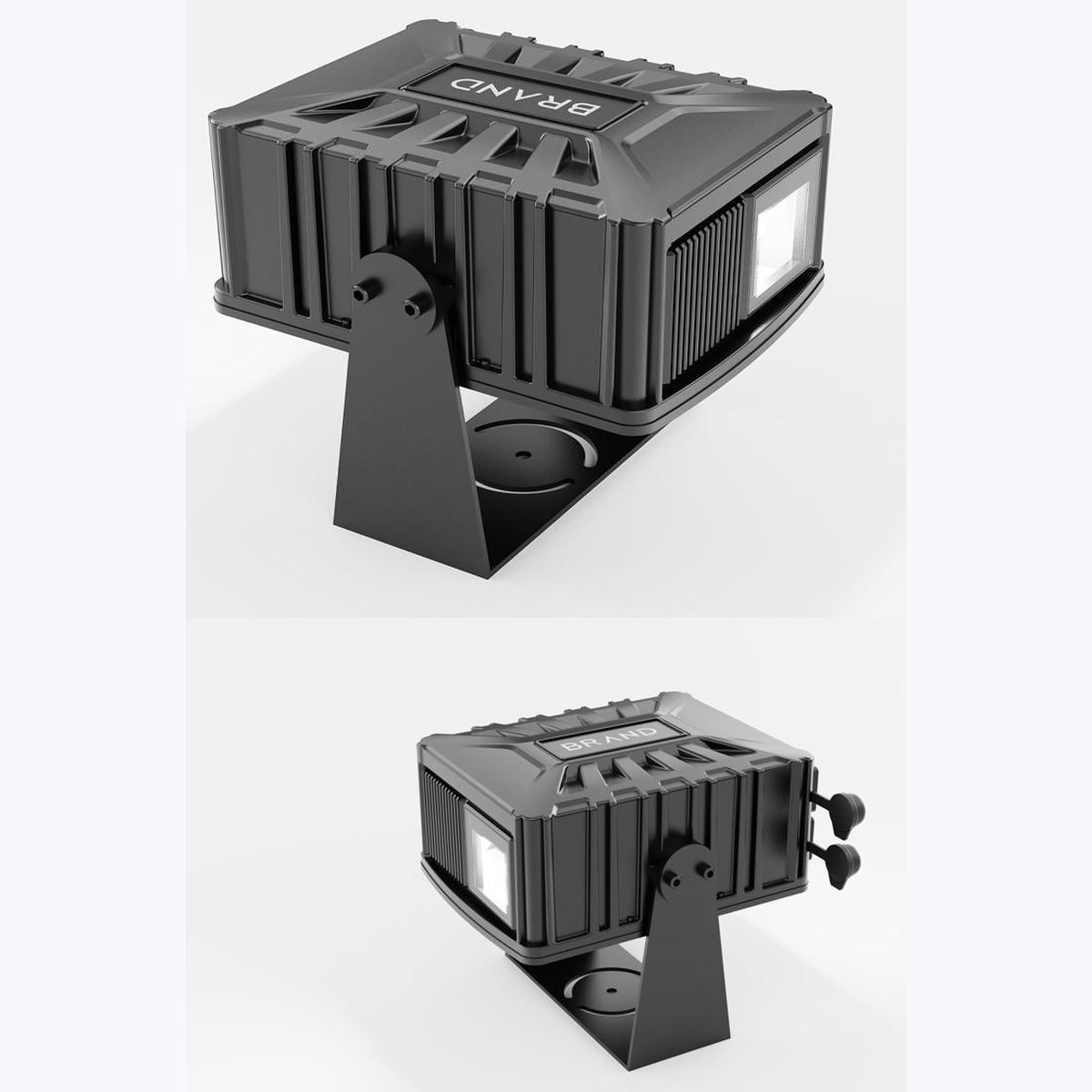
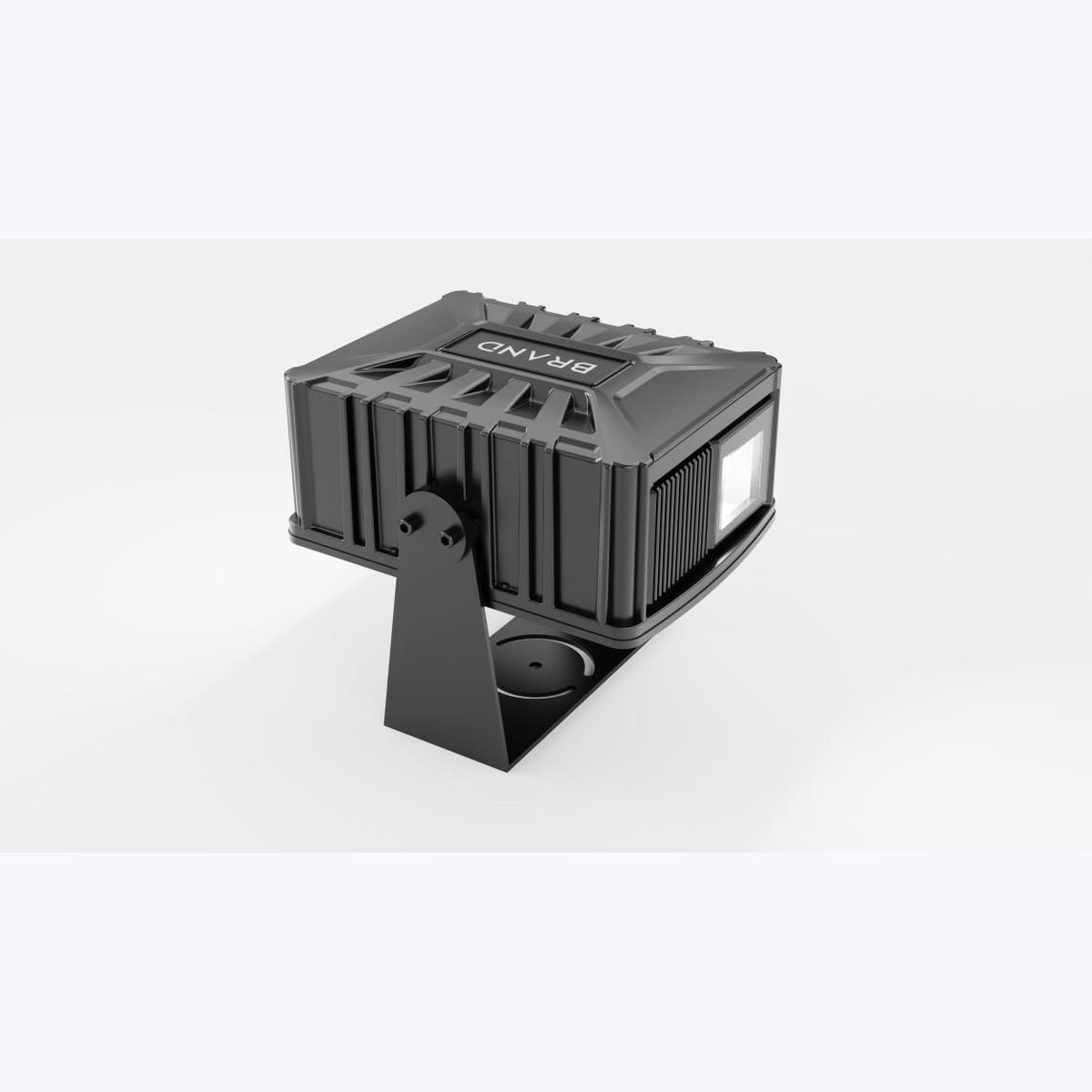
For example, BWL-OL-004 records a one-piece die-cast aluminum housing, IP65, 12V/2000mA input, a 5 m cable and both an app family version and a DMX512 professional version3. BWL-OL-002 records IP44, 5V/2000mA, a 5 m cable and a different optical/effect configuration. Neither becomes “better” simply by occupying the higher or lower row in a table. The first question is which one matches the site and control brief.4
What I Do When a Field Is Missing
I leave it open. Our own catalog proves why this discipline matters. Some records contain material and complete carton data; others do not. The product can still pass production checks while its description remains incomplete. The problem is in the description layer, not automatically in the product.
That distinction protects both sides. Filling a blank with a typical value would make the page look complete but would move an assumption into the buyer’s purchase order. I would rather mark one line “to be confirmed for this configuration” and close it during sample approval than create a precise-looking error that travels into packaging, installation instructions and channel listings.
When Is IP44 Not Enough, and When Is IP65 More Than You Need?
IP ratings attract simple rankings because the numbers are easy to compare. The installation is not. A projector under a canopy, a unit exposed to driven rain and a connector lying in pooled water are three different exposure systems even if the fixture body has the same label.
IP44 can fit a protected outdoor position where splash exposure is controlled; IP65 gives stronger dust and water-jet protection for a more exposed fixture body.5 Neither rating approves careless connector placement, immersion, condensation performance or every winter condition.6
Compare the Whole Installed System
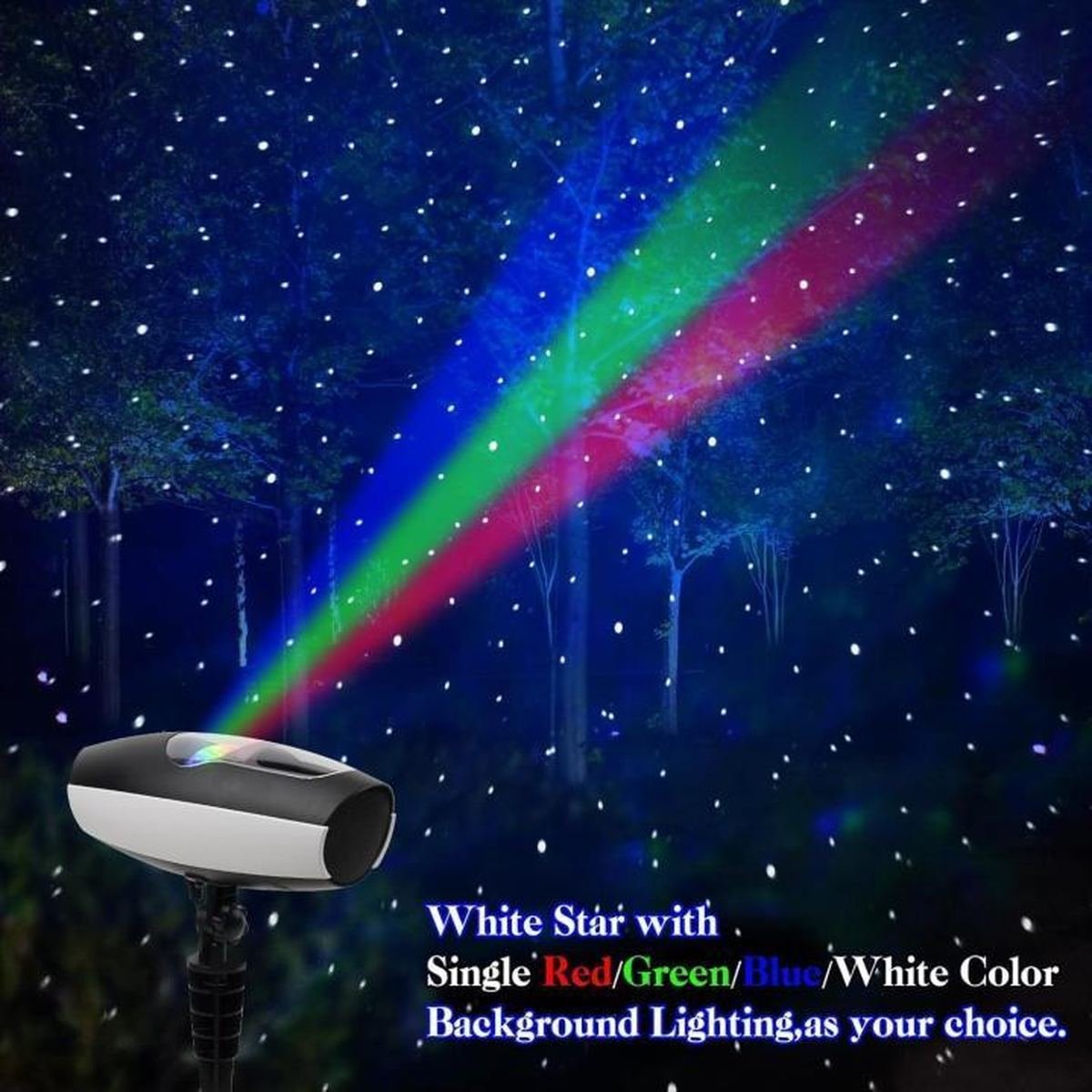
BWL-OL-002 is listed as IP44. BWL-OL-001 and BWL-OL-004 are listed as IP65. That model-level difference is useful, but I do not stop at the fixture body. I ask where the adapter sits, how the connector is oriented, whether the cable runs through a low point, whether irrigation can strike it, and who will inspect the installation after a weather event.
IP65 is not shorthand for “winter proof,” and IP44 is not shorthand for “indoor only.” Those phrases add conditions that the rating itself does not state. Temperature cycling, UV exposure, condensation, mounting stability and cable handling need their own review. If a supplier answers every environmental question by repeating the IP number, the buyer still does not have an installation plan.
Use a Condition-to-Decision Table
| Site condition | What to inspect | Buying consequence |
|---|---|---|
| Protected eave or covered display | Direct splash path, connector and adapter position | IP44 may remain in consideration if the complete system is protected |
| Open facade, tree line or garden zone | Rain path, dust, mounting and cable routing | Prefer an exposed-site model with model-level IP evidence |
| Low point or standing-water risk | Drainage and connector elevation | Redesign placement; a fixture-body rating is not an immersion plan |
| Repeated freeze/thaw or strong temperature cycling | Product-specific operating evidence | Keep the condition open until the exact model is documented |
The professional move is not to demand the highest number. It is to document the exposure and select a product whose evidence answers it. That same discipline prevents an IP rating from being stretched into a claim about parts or conditions outside its scope.
Does an Approved Power Adapter Mean the Complete Projector Is Certified?
This is the line I see buyers miss most often. A catalog row may place familiar approval abbreviations beside “adapter,” and the page designer may later move those marks into a general certification block. The visual change is small; the claim-scope change is enormous.
No. Evidence attached to a power adapter supports that adapter and its stated configuration; it does not automatically certify the projector body, optical system, complete assembly or every market version.7 Ask for the document, model number and covered component before repeating the mark.
Our Own Catalog Shows the Scope Problem
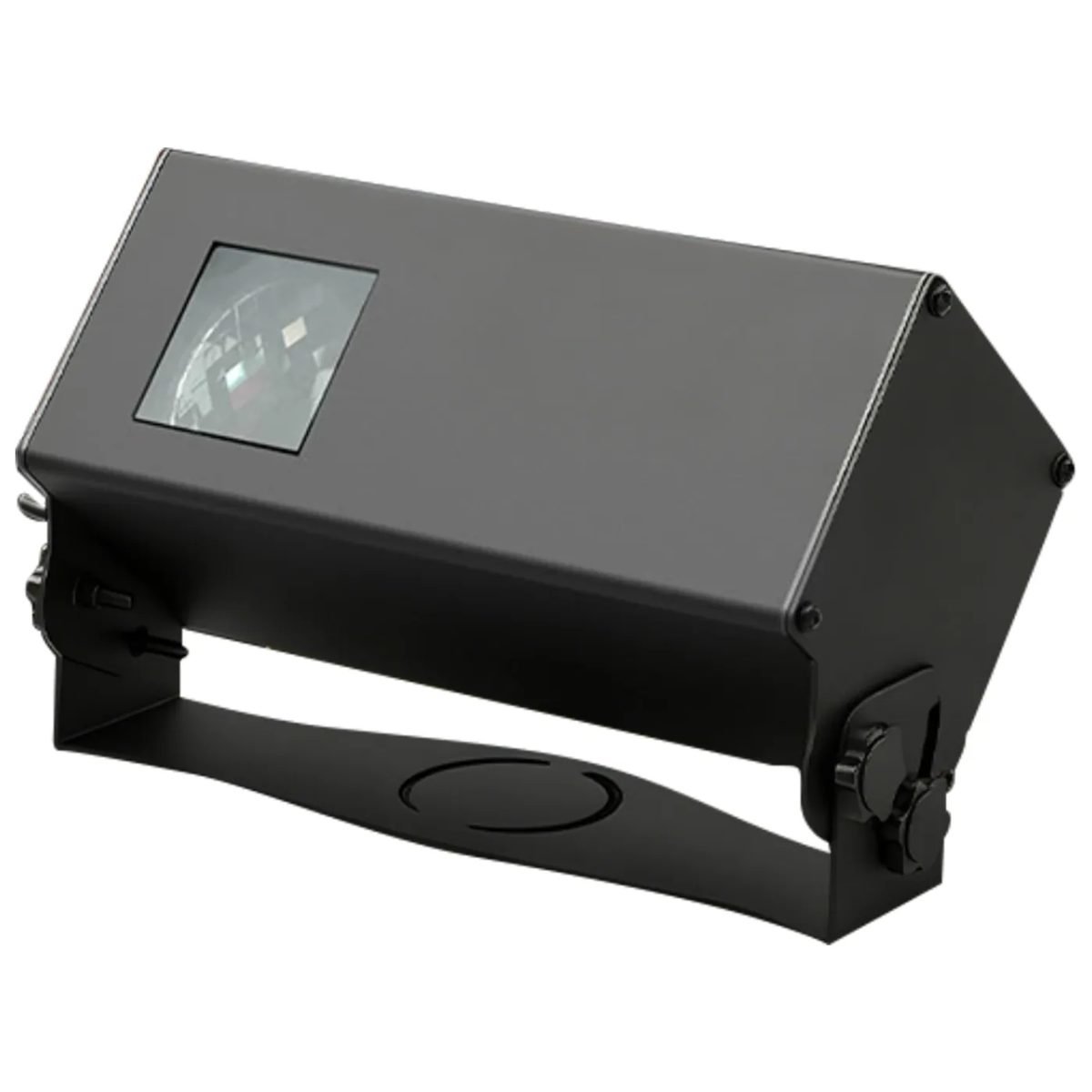
Several Bowlum source rows put approval abbreviations in the power-adapter field. The corresponding whole-product certification field is not complete for every projector. I treat that mismatch as a publishing stop for the general claim, not as permission to promote the adapter line. These units still go through our production controls; the incomplete part is the public evidence scope.
When I audit a file, I ask four questions:
- What exact component or complete product is named?
- What model identifier appears on the document?
- Which destination plug and electrical configuration does it cover?
- Is the buyer about to repeat the claim for one SKU or for an entire range?
A supplier who sends a document without explaining those four boundaries has not finished the answer. A buyer who copies a badge before checking them inherits the ambiguity.
What to Put in the RFQ
Do not ask, “Do you have UL/CE/GS/SAA/PSE?” as one yes-or-no question. It invites a folder of mixed evidence. Ask instead for the required market and configuration, then request a model-level evidence matrix with columns for document owner, covered item, model, issue status and intended claim wording.
That matrix may contain blanks. Blanks are safer than merged scopes. They let the buyer decide whether a gap blocks the current market, requires a new test, or is irrelevant to this order. A neat badge wall cannot do that work.
An approval mark is only as useful as the product, component and configuration boundary attached to it.
How Should a Buyer Verify Class 18 on a Holiday Laser Projector?
Laser language is another place where a product-family statement can outrun model evidence. A buyer needs two separate answers: what is recorded for the selected model, and what release process the factory applies to the unit that will ship.
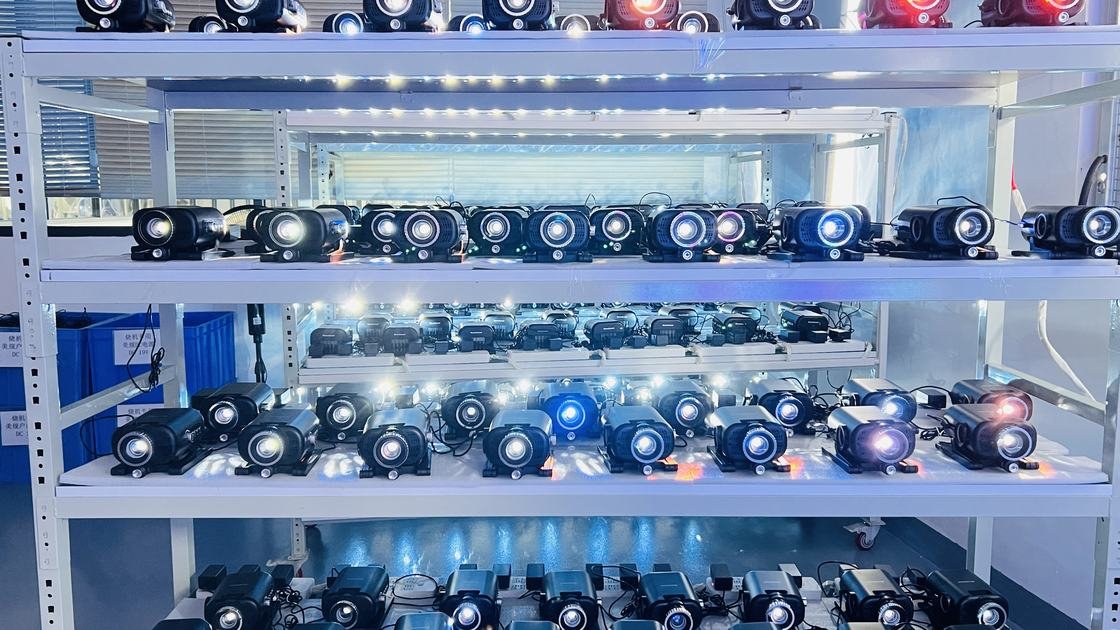
Verify the selected SKU’s laser class and the factory’s release process separately. At Bowlum, BWL-OL-001, BWL-OL-002 and BWL-OL-004 have Class 1 recorded in the catalog, while our laser-unit release rule is checked per unit in an in-house laser test room rather than by a sample-only promise.
Process Evidence and Product Evidence Are Different
Our in-house process tells a buyer how the factory controls release: a laser unit must meet the Class 1 gate before shipment, and the unit is checked rather than relying only on a batch sample.9 The model record tells the buyer which public SKU currently carries a catalog-listed class. Both matter, but one cannot silently replace the other.
For models whose public certification or laser-class field is blank, I do not borrow the wording from a neighboring model. Shared housing, similar effects or the same production building do not create shared evidence. The buyer should request the exact configuration and hold the claim until that record is closed.
Ask for a Release Trail, Not a Slogan
A useful factory answer should explain the control point, who performs it, what pass condition releases the unit and how a buyer can connect the approved sample to production.10 A broad statement such as “safe laser” cannot serve as an acceptance condition. A model name on a page without a release trail is also incomplete.
I tell buyers to separate three documents in their file: the selected product specification, the available model evidence and the production release record agreed for the order. That structure prevents an attractive sales sentence from becoming the only bridge between a sample and a shipment.
Why Does Carton Data Belong in a Commercial-Grade Definition?
Packing often appears after product selection, as if it were only a freight calculation. For a distributor or large contractor, it changes receiving labor, storage density, break-pack planning, unit handling and the number of cartons attached to one project release.
A commercial projector is not fully specified until the buyer knows pieces per carton, carton dimensions, gross weight and the sellable unit inside.11 Compare packing per sellable unit, then verify that the data belongs to the exact model and version.
Two Real Carton Records
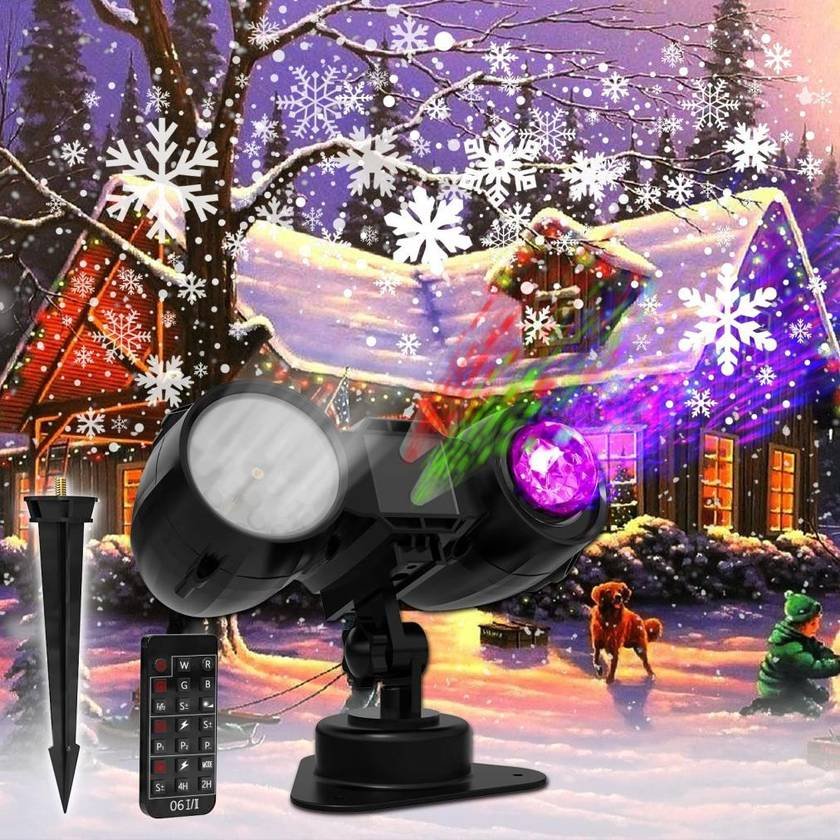
BWL-OL-004 is recorded at 6 pieces per carton, with a carton size of 435 × 330 × 380 mm and carton gross weight of 17.56 kg. Its unit net weight is recorded at 2.56 kg. BWL-OL-001 is also packed 6 pieces per carton, but its recorded carton is 315 × 460 × 360 mm with 17.362 kg gross weight.
Those figures do not prove which product is cheaper to land, because freight rates, pallets, route and warehouse practice are outside the record. They do prove that the same six-piece count can occupy a different shape and distribute weight differently. That affects shelving, pallet planning, handling and the buyer’s own master-data setup.
The Arithmetic Buyers Should Keep
| Packing question | Why it matters | Evidence to retain |
|---|---|---|
| How many sellable units per carton? | Receiving and break-pack plan | Exact SKU/version packing row |
| What are outer dimensions? | Volume and storage geometry | Three dimensions with units |
| What is carton gross weight? | Handling and shipment planning | Gross, not unit or net weight |
| Are unit and inner-box dimensions separate? | Packaging development | Each layer named explicitly |
| Are any fields pending? | Prevents invented calculations | Open-field list and owner |
I calculate only from complete, named fields. If a carton has dimensions but a weight is pending, I do not copy a nearby product’s weight to finish the spreadsheet. One fact should have one home, and that home is the exact packing record.
What Six Questions Should You Ask Any Commercial Christmas Lights Supplier?
A good supplier question is difficult to answer with adjectives. It forces the other side to connect a claim to a product, condition, document or process. I use the following six before I accept “commercial grade” in a comparison.
Ask for the exact model and configuration, housing and IP scope, complete electrical chain, control documents, model-specific laser evidence and release method, and complete carton data. Record every unknown as an open item with an owner instead of letting it disappear into the grade label.
The Six-Question Sheet
- Which exact SKU and version are you offering? Ask the supplier to separate app, remote and DMX configurations rather than treating a family name as one BOM.
- What are the housing material and the IP-rated boundary? Require the answer for the fixture, then map adapters and connectors separately.
- What is the complete electrical path? Record destination input, adapter output, plug, cable length and connection arrangement.
- What control documentation exists? For app or DMX versions, ask for the interface and acceptance material that production will follow.
- What supports the laser statement? Separate the model record from the factory release process and keep the wording model-specific.
- Is packing complete for this version? Require pieces, dimensions, net/gross meanings and pending fields.
Include the Answers the Supplier Cannot Yet Give
This is where trust is earned. We can answer the six questions completely for some fields and not for others. For example, our source records do not contain a complete model-level certification package for every holiday projector, and several packing records remain blank. I will not turn those gaps into range-wide claims.
The right next step is proportional. A missing marketing field may only require source cleanup. A missing installation condition may require a sample test. A product modification may require new evidence and a different schedule. The buyer’s sheet should show which one it is.
Any supplier can repeat “commercial grade.” The useful supplier is the one willing to replace it with a model-level answer, identify the blanks and let those blanks remain visible until they are genuinely closed.
Conclusion
“Commercial grade” is best treated as the beginning of a specification, not the end of a search. For decorative holiday projectors, the buyer’s defensible grade is the combination of an exact model, declared exposure, named electrical system, appropriate control, model-scoped laser evidence, production release method and complete packing record. Some projects need IP65 and DMX; others need a protected IP44 position and a simple remote. Professional buying means knowing why.
My own decision rule is to remove any adjective that cannot survive a sample inspection or document review. If a supplier can answer the seven boundaries in this guide, the phrase becomes unnecessary. If the supplier cannot, the phrase was never protecting the project. Use the checklist against our full product catalog or any competing offer, and keep every unknown visible until someone owns the action that closes it.
Frequently Asked Questions
What does commercial grade mean for Christmas lights?
It has no single universal meaning by itself. For a decorative projector, replace it with model-level checks for housing, IP rating, electrical input, cable and connector, control, laser evidence and packing.
Are IP65 Christmas projectors always better than IP44 models?
No. IP65 provides stronger fixture-body protection, but the correct choice depends on exposure, connector and adapter placement, drainage and other site conditions. IP44 can remain suitable in a genuinely protected position.
Does an approved adapter certify the whole projector?
No. Adapter evidence supports the named adapter and configuration. It does not automatically cover the projector body, optics, complete assembly or every destination version.
How do I verify Class 1 on a holiday laser projector?
Check the exact SKU’s model record and the factory’s release process separately. Keep the product specification, available model evidence and production release record linked to the same configuration.
Why should carton data be checked before selecting a projector?
[Carton count, dimensions and gross weight affect receiving, storage, handling and shipment planning.](https://ops.fhwa.dot.gov/freight/sw/)[^12] They must belong to the exact sellable version rather than a similar model.
Does Bowlum supply commercial Christmas light strings?
No. Bowlum manufactures decorative projectors. Professional holiday-lighting teams may use projection for broad surfaces and focal effects alongside other systems, but we do not present ourselves as a string-light supplier.
What if a supplier specification field is blank?
Keep it open and assign an owner. Close it through source review, model documentation or sample testing; do not copy a typical value from a neighboring product.
"Purer than pure: how purity reshapes the upstream ...", https://arxiv.org/html/2509.18768v1. Formal product standards generally define specific technical characteristics, ratings, or conformity requirements rather than treating the marketing phrase “commercial grade” as a universal certification category. Evidence role: definition; source type: institution. Supports: The source should distinguish formal technical ratings and certifications from informal commercial terminology.. Scope note: This supports the distinction between formal standards and informal terminology but may not prove that no seller or trade association uses the phrase under a particular private definition. ↩
"ScaleEdit-12M: Scaling Open-Source Image Editing Data ...", https://arxiv.org/html/2603.20644v2. Research on product labeling and quality claims can support the observation that commercial-grade terminology is often used to summarize multiple attributes, including durability, construction, intended duty, and target customer. Evidence role: general_support; source type: research. Supports: The source should document variation in how commercial-grade terminology is used across lighting or related consumer-product markets.. Scope note: Evidence from adjacent lighting or consumer-product categories would provide contextual support rather than a definitive survey of Christmas-lighting suppliers. ↩
"LED vs Laser Star Projectors: A B2B Buyer's Guide - Bowlum", https://bowlum.com/led-vs-laser-star-projectors/. DMX512-A is a standardized digital communication protocol used to transmit control data between lighting controllers and compatible equipment. Evidence role: definition; source type: institution. Supports: The source should define DMX512 as a standardized digital data protocol used for control of lighting equipment.. Scope note: Protocol compatibility does not prove that a particular projector implements all relevant DMX functions or conforms to a specific revision. ↩
"Chapter 4 -Specifications | Procurement | Finance Division", https://procurement.gwu.edu/chapter-4-specifications. Performance-based equipment selection evaluates the intended application, environmental exposure, electrical conditions, and control requirements rather than relying on a generalized quality descriptor. Evidence role: general_support; source type: education. Supports: The source should support performance-based selection of lighting equipment according to environmental conditions, intended use, and control-system requirements.. Scope note: This supports the procurement method in general and does not determine which projector is appropriate for a particular site. ↩
"IP65 Projector Limits: Water, Lenses and Condensation - Bowlum", https://bowlum.com/ip65-outdoor-projector-condensation/. IEC 60529 classifies IP44 enclosures as protected against solid objects of at least 1 mm and splashing water, while IP65 enclosures are dust-tight and protected against water jets. Evidence role: definition; source type: institution. Supports: IEC 60529-based guidance should support the dust and water-ingress meanings associated with IP44 and IP65.. Scope note: The rating applies to the tested enclosure and does not by itself establish that a particular installation is suitable for all outdoor conditions. ↩
"IP65 Projector Limits: Water, Lenses and Condensation - Bowlum", https://bowlum.com/ip65-outdoor-projector-condensation/. Ingress-protection testing addresses defined solid-particle and water exposures for the tested enclosure; it does not, without additional evidence, establish immersion suitability, condensation behavior, connector installation quality, or resistance to every temperature cycle. Evidence role: mechanism; source type: institution. Supports: The source should explain that IP testing concerns specified enclosure ingress conditions and does not automatically evaluate all connected components or environmental stresses.. Scope note: The precise scope depends on the applicable standard, test configuration, and manufacturer instructions for the particular product. ↩
"Grid-Supporting Equipment Supply Chains Constrain the ...", https://arxiv.org/html/2604.18411. Conformity-assessment documentation is generally linked to the identified product or component and its stated configuration; approval of a power adapter therefore does not by itself demonstrate conformity of the connected projector assembly. Evidence role: general_support; source type: government. Supports: Regulatory guidance should support the principle that conformity evidence is associated with the product, model, or component identified in the relevant documentation.. Scope note: The legal effect of a particular mark varies by jurisdiction and certification scheme, so the exact document and market must be checked. ↩
"Test Report Model Coverage: A Buyer's Reading Guide", https://bowlum.com/the-test-report-you-were-sent-may-cover-a-different-projector-model/. Under recognized laser-safety frameworks, Class 1 identifies products whose accessible emissions remain within the applicable exposure limits under the specified classification conditions. Evidence role: definition; source type: government. Supports: The source should define Class 1 under a recognized laser-safety framework and explain that classification is assigned under specified measurement and emission conditions.. Scope note: A general Class 1 definition does not verify the classification of any particular Bowlum model or production unit. ↩
"Attachment B: Specific Instructions for Laser Product Inspections and Tests", https://www.fda.gov/medical-devices/guidance-documents-medical-devices-and-radiation-emitting-products/inspection-and-field-testing-radiation-emitting-electronic-products-attachment-b-specific. Quality-management guidance supports documenting product-specific inspection and release controls before shipment, including records that demonstrate conformity with defined acceptance criteria. Evidence role: general_support; source type: research. Supports: Quality-management and laser-manufacturing literature should support the value of documented final inspection and release controls for safety-critical product characteristics.. Scope note: Such guidance supports the control principle but does not independently verify that this manufacturer performs unit-level Class 1 testing. ↩
"Recommendations on Ensuring Traceability and ...", https://nvlpubs.nist.gov/nistpubs/ams/NIST.AMS.300-10.pdf. Quality-management frameworks commonly require documented evidence that specified requirements have been met before release and encourage traceability of inspection results to the relevant product or production lot. Evidence role: expert_consensus; source type: institution. Supports: Quality-management guidance should support documented acceptance criteria, assigned responsibility, release records, and traceability.. Scope note: The framework establishes a general control model, not a mandatory checklist for every decorative-lighting supplier. ↩
"Creation and Evaluation of a Food Product Image Dataset ...", https://arxiv.org/html/2411.10591v1. Supply-chain identification standards treat the sellable unit and its higher-level packaging as distinct data entities and commonly require quantities, dimensions, and weights to be recorded for logistics use. Evidence role: general_support; source type: institution. Supports: Packaging-data standards should support identifying the trade item or sellable unit and recording case quantity, dimensions, and gross weight.. Scope note: The cited data conventions support operational completeness but do not establish a universal definition of “commercial projector.” ↩