
When an importer sends me a photograph of one certification mark on a power adapter and asks whether the complete outdoor projector is covered, I stop the review and draw the system first. The retail set may arrive in one box, but its external adapter, low-voltage cable, connector, projector body, controls and mounting parts do not automatically share one evidence scope.
The distinction is easy to miss because the adapter is selected and packed with the projector. It is also easy to overcorrect and treat any adapter mark as meaningless. Neither shortcut helps a buyer. The adapter has its own identity, input and output ratings, intended end use and supporting evidence. Those records can be important without becoming evidence for the whole luminaire.
LED power adapter certification belongs to the exact adapter and its documented scope. It does not automatically certify the complete projector, and it does not make another adapter compatible merely because the plug appears to fit. Procurement should control the shipped adapter, its label and evidence, and every approved replacement as one exact configuration.
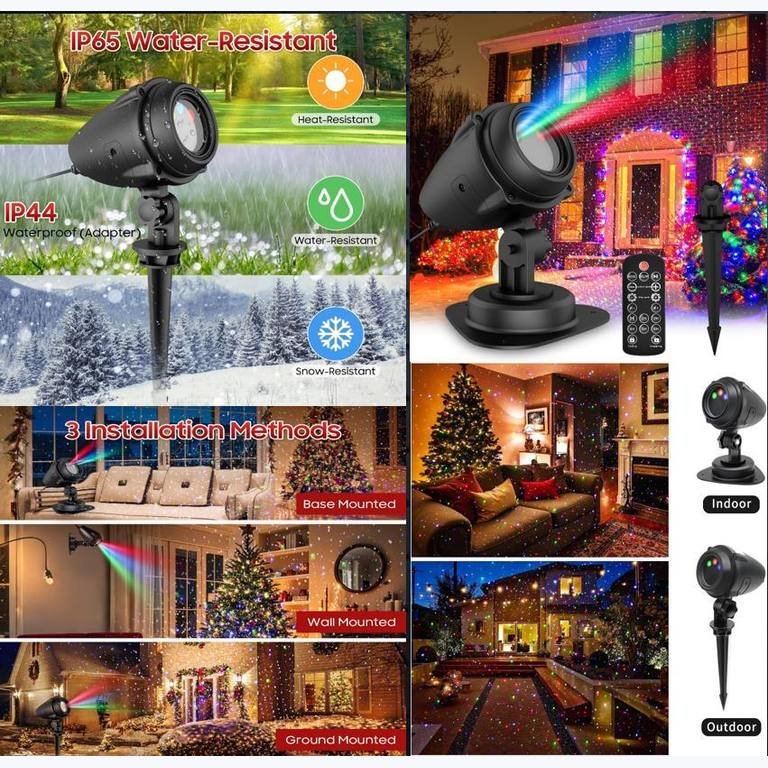
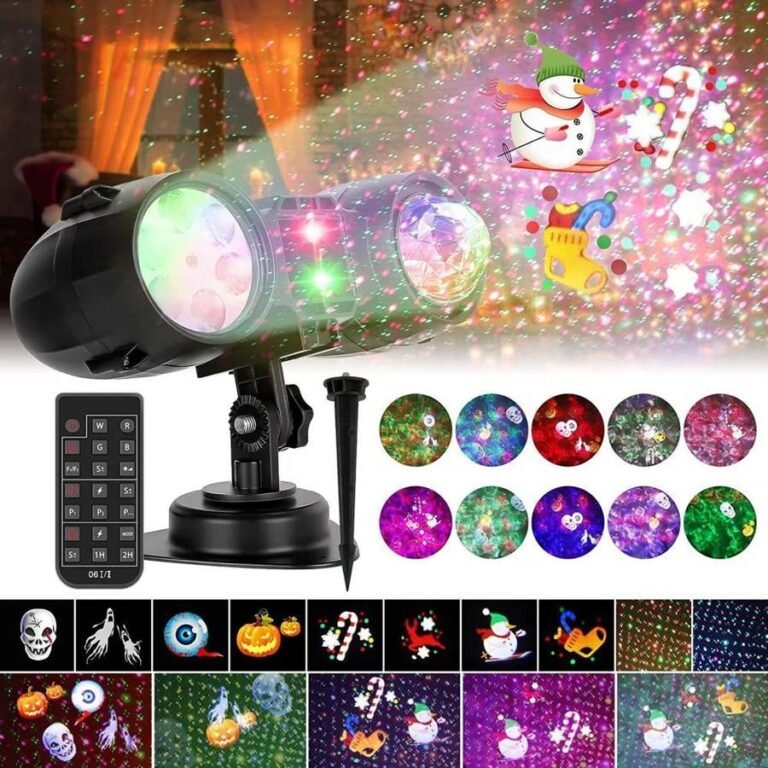
The BWL-OL-005 marketing layout is useful because it visibly separates several parts of the supplied set. I am not using the printed claims in the artwork as evidence of any rating, certification or installation approval. A product image cannot reveal the adapter model, document holder, connector polarity or certification scope. It simply helps us see why a one-box purchase still needs more than one controlled record.
This article stays with that procurement boundary. Our separate test-report model-coverage guide explains how to map a report to a sellable projector model more broadly; here I focus on the external power supply that can be overlooked inside that map.
What Is the Power Adapter Boundary in a Projector System?
A buyer often describes the unit, cable and adapter together as “the projector.” That language is convenient for sales, but it is too compressed for sample approval, compliance review or service planning.
The adapter boundary begins at its mains-side input and ends at its specified low-voltage output. The projector body, downstream connector arrangement, controller, remote and mounting hardware remain separate parts of the supplied system, even when they are sold under one Bowlum SKU.
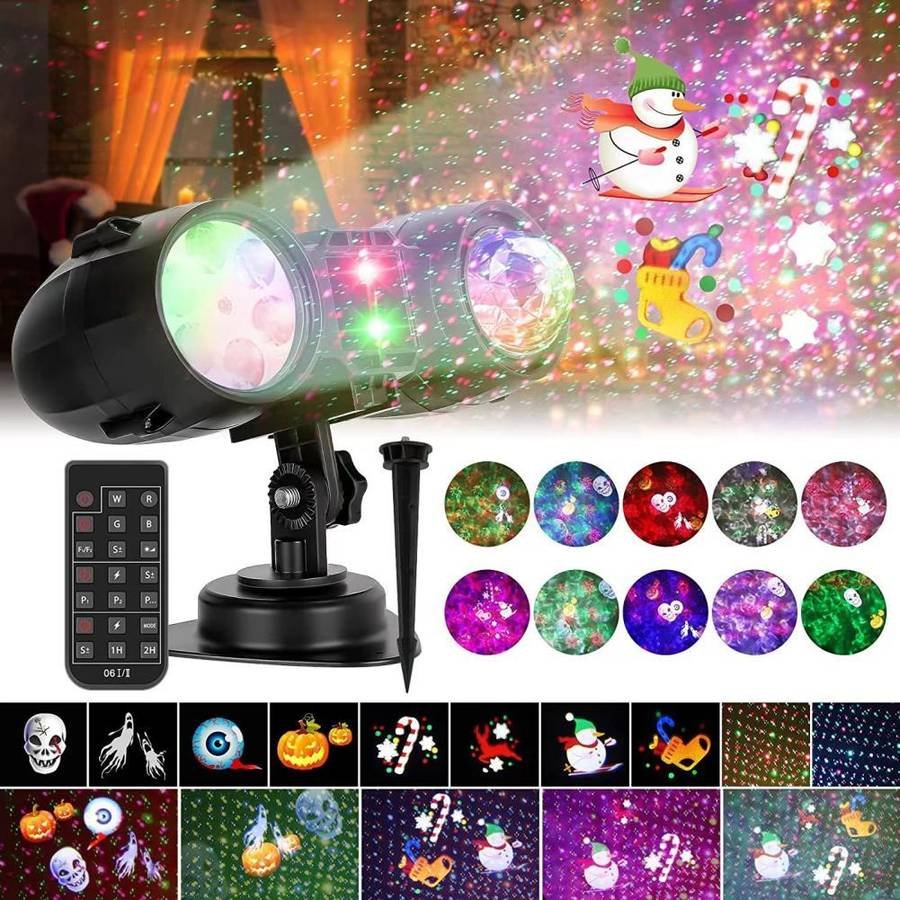
I start a sample record by drawing five boxes rather than writing one product name:
| Controlled boundary | Identity to retain | Question it answers |
|---|---|---|
| Mains connection | Destination plug and supplied adapter identity | What receives the local mains supply? |
| Adapter | Full label, input, output and exact supporting document | What conversion device was actually supplied? |
| Low-voltage path | Cable, connector arrangement and documented polarity where available | How does the specified output reach the projector? |
| Projector body | Public SKU, version and product label | Which finished lighting product is being evaluated? |
| Controls and mounting | Remote or controller version, base, stake or bracket | Which complete sellable and installable configuration was approved? |
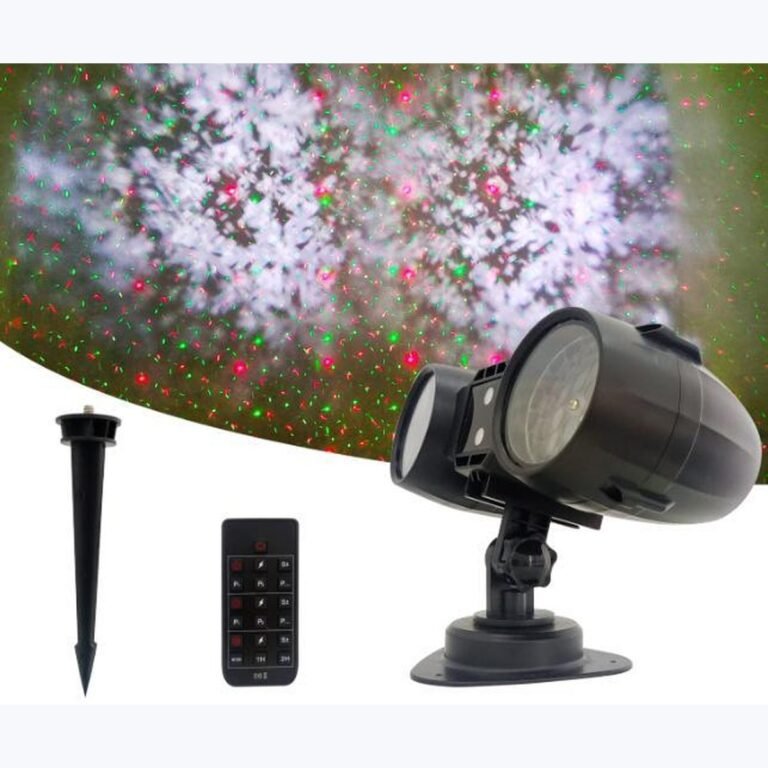
The public record for BWL-HP-002 provides a concrete example. It lists a 110–220V input and a 5V/1500mA output in the power field. The standard set includes the unit, adapter, remote, ground stake and round base. I can use those facts to define the supplied architecture. I cannot look at the picture above and recover the adapter's label, its document number, plug version or connector details; the image does not show them.
Why One SKU Still Needs a Configuration Row
The sellable SKU identifies the offer, while the configuration row identifies what must remain together. Two units with the same projector body but different destination plugs or adapter models may create different document and replacement questions. Conversely, two adapters that share an electrical output on a short specification line may still differ in connector, polarity, enclosure, label or approved end use.
I therefore record both identities: projector SKU + supplied adapter identity. If the adapter changes after the sample is approved, I treat that as a controlled change that needs review. I do not assume it is an invisible purchasing substitution.
That discipline is not a claim that the adapter is likely to fail. It is simply configuration control. The same principle applies to any part whose identity affects electrical suitability, documentation or service replacement.
One retail box can contain several evidence scopes. Packaging the parts together does not merge those scopes.
Does LED Power Adapter Certification Cover the Whole Projector?
Marks such as UL, CE, GS, SAA or PSE often appear in the same commercial conversation, so a spreadsheet may place them in one “certification” cell. That cell loses the two details a reviewer needs most: which object carries the claim and what evidence supports it.
No. Evidence attached to an external adapter covers that adapter only within its stated model, ratings and conditions. It cannot be promoted into certification of the complete projector unless product-level evidence explicitly includes the finished configuration.
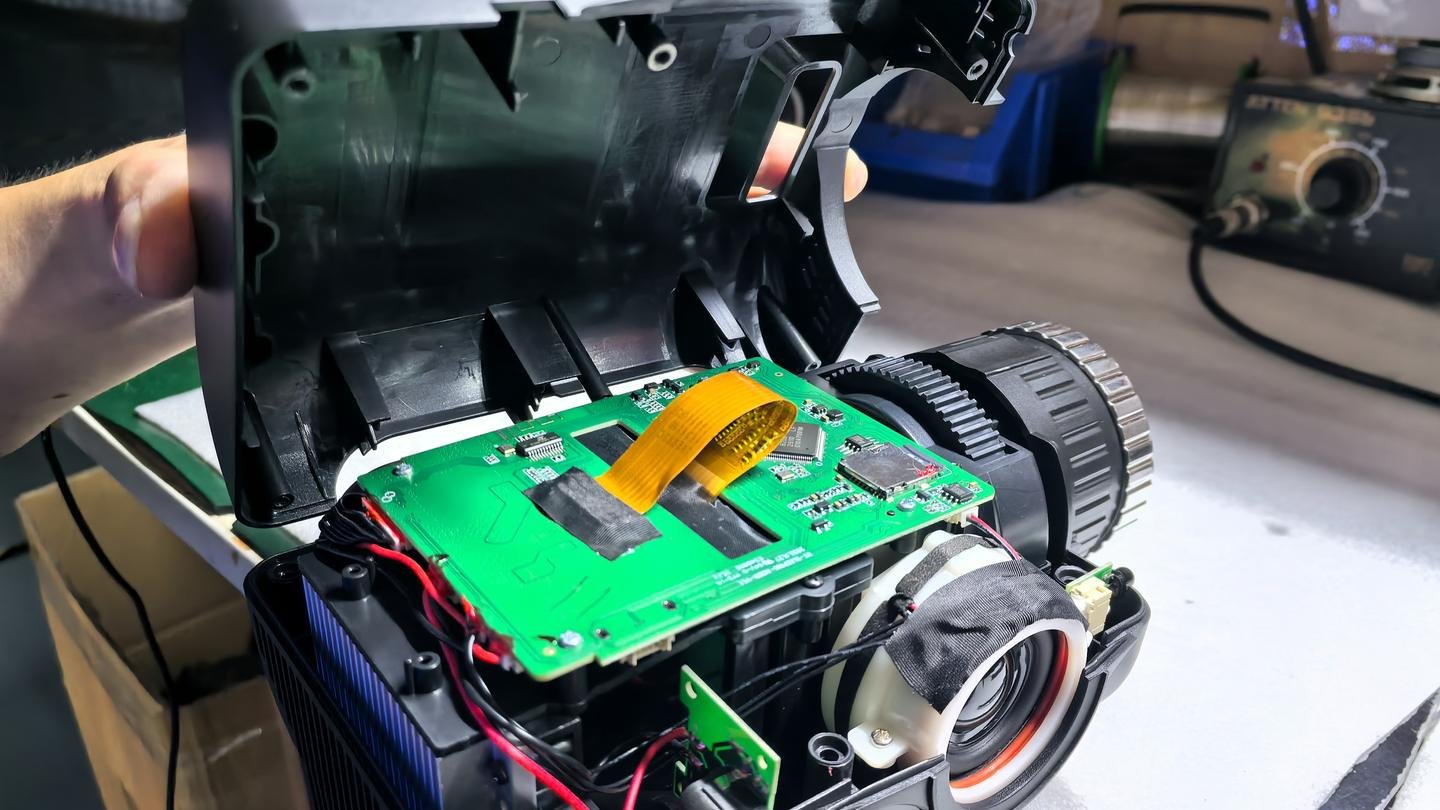
The photograph above shows an internal projector assembly during inspection. I use it to make the physical boundary visible: the electronics inside the body are not the external adapter. The image proves neither component certification nor finished-product certification. It is process context, not a certificate.
Our structured catalog makes the evidence boundary unusually clear. For BWL-HP-002, BWL-HP-003, BWL-HP-004 and BWL-HP-005, the power-source field describes the adapter with UL/CE/GS/SAA/PSE designations. The same product records do not carry a whole-project certification entry in their structured certifications field. That allows me to state what the adapter field records. It does not allow me to write “the projector is UL/CE/GS/SAA/PSE certified.”
An empty product certification field also has a narrow meaning. It tells me this source record cannot support a whole-product claim; it does not prove that no other evidence exists anywhere. If a buyer needs a finished-product answer, I ask for the exact product-level file rather than turning missing data into a negative assertion.
Keep Different Schemes From Becoming One Badge
UL, CE, GS, SAA and PSE do not all represent the same legal mechanism, assessment route or market requirement. I keep each designation exactly as recorded and route the actual evidence package to the buyer's responsible compliance reviewer. A printed logo, a supplier sentence and a certificate or report are not interchangeable records.
Before I accept any row in a compliance matrix, I separate four questions:
- Object: Is the file about the adapter, the projector body or the complete supplied system?
- Identity: Does its model match the label on the item being shipped?
- Scope: What standard, rating, construction and conditions does the file address?
- Decision owner: Who is qualified and responsible for accepting it for the destination and channel?
If a property manager, marketplace, insurer or customer asks for a complete-product record, an adapter-only file cannot answer that request by itself. I do not predict what any reviewer will accept; requirements differ. I only make sure the buyer is not sent the wrong object under the right-looking heading.
What Should You Check on Adapter Documents and Labels?
A document can be genuine and still be irrelevant to the adapter in the carton. The recurring procurement risk is not only a false file; it is a real file attached to the wrong model, rating, revision or product scope.
Match the shipped adapter label to the supporting evidence through model identity, applicant or responsible party, input, output, applicable scope and intended configuration. Then retain the mapping beside the exact projector SKU and destination version.
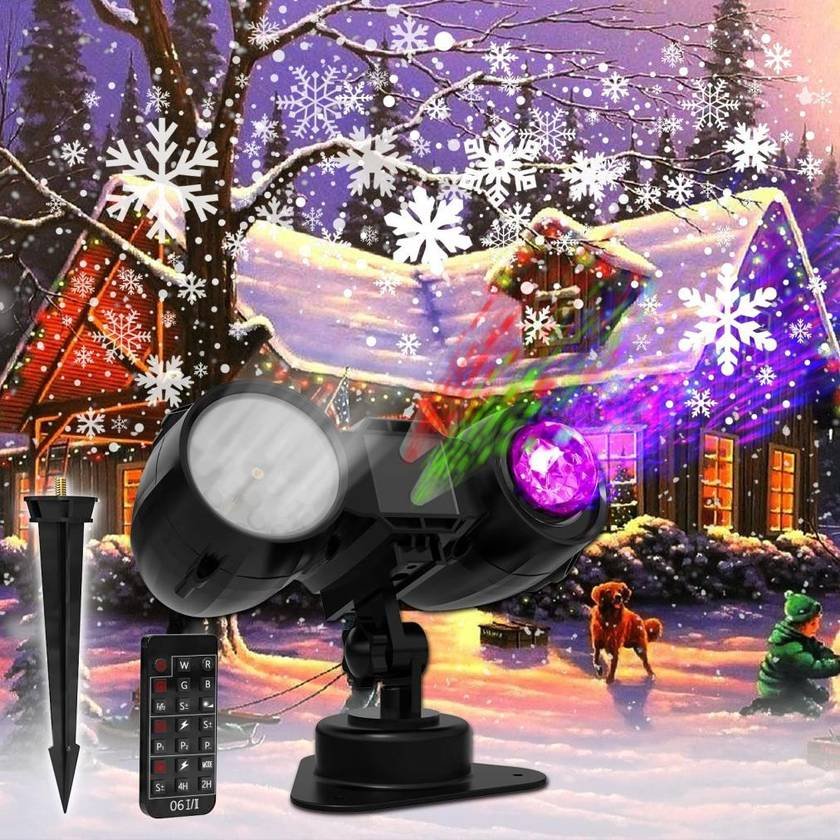
The BWL-HP-003 image identifies a product presentation, not the adapter evidence. I cannot read a power-supply model or verify a certification designation from it. When the physical sample arrives, I photograph the complete adapter label straight-on and preserve the image with the sample version. The review begins from the shipped object, not from a generic gallery.
I then read the file and label in a fixed order:
| Check | Evidence to compare | Do not substitute |
|---|---|---|
| Adapter model identity | Label model against certificate, report or declaration model | Similar housing or supplier family name |
| Responsible party | Name on the evidence against the party named for that adapter | Projector brand alone |
| Input rating | Label and document input against the destination supply plan | The broad phrase “universal voltage” |
| Output rating | Voltage, current and output type against the exact projector record | Connector fit or another SKU's rating |
| Connector and polarity | Approved drawing, label or controlled specification where recorded | A visual guess from a photograph |
| Market plug/configuration | Physical sample and order configuration | A stock image of another plug version |
| Evidence scope | Object, standard, conditions and limitations named in the file | A logo copied into a product sheet |
| Projector association | Approved BOM/configuration row and sample record | Verbal memory after a reorder |
Ask Questions That Preserve the Boundary
“Does it have UL?” invites a one-word answer. I replace it with a question that makes the object and model explicit: “Which supplied adapter model is represented by this UL-related evidence, and where is that adapter mapped to BWL-HP-003?” The same pattern works for every designation without pretending the schemes are identical.
For the HP group discussed here, the catalog records 110–220V input and 5V/1500mA output. Those are useful comparison fields. Connector dimensions and polarity are not recorded in the public catalog entry I reviewed, so I leave them blank in this article. I do not infer either one from the product image or copy it from a neighbouring SKU.
The buyer's controlled file can carry more detail than the public page. A useful evidence packet includes the sample label image, the exact file supplied for that adapter, the reviewer decision, any conditions attached to that decision, and the date or configuration revision. If any identity is unclear, I write an open action rather than a green check.
A certification question becomes auditable only when the sentence names the object, model and scope.
When Is a Replacement Projector Adapter Actually Compatible?
Service teams naturally look for a fast swap when a projector does not power on. This article does not rank adapters as a failure cause, and it is not a troubleshooting guide. The replacement question starts only after a team has decided that a controlled substitution is appropriate.
A replacement is compatible only when the approved configuration confirms its electrical output, connector, polarity, intended environment and product association. A matching connector shape, shared input range or familiar certification mark is not enough.
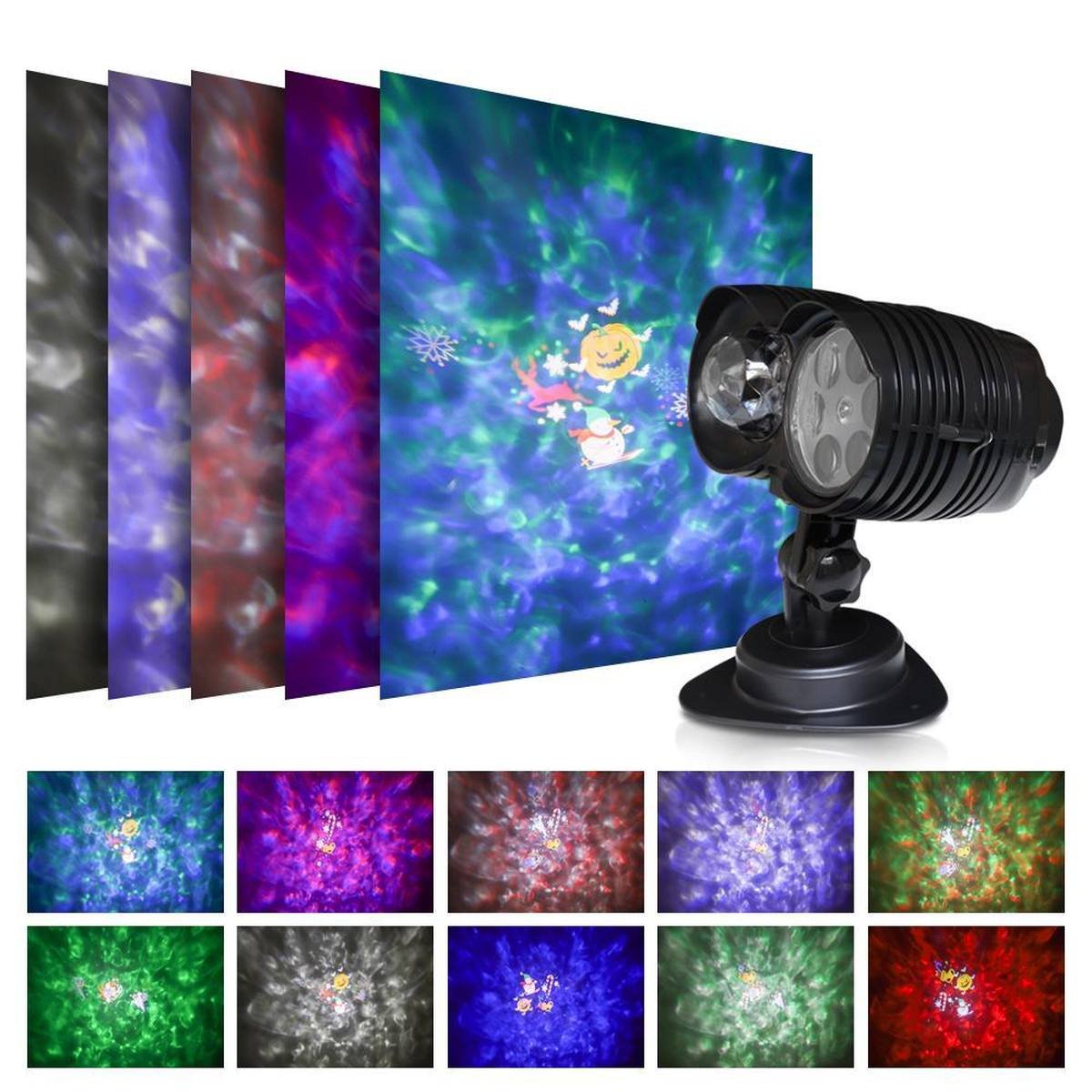
The catalog already gives a strong reason not to generalize. BWL-HP-002, BWL-HP-003, BWL-HP-004 and BWL-HP-005 are each recorded with a 110–220V input and 5V/1500mA output. BWL-OL-005 is recorded with a 110–220V input and DC12V/1A output. Sharing the 110–220V line does not make the low-voltage outputs equivalent. I would never approve substitution between those rows.
The table below records only what our current public source can support:
| Public Bowlum SKU | Recorded adapter input | Recorded output | Safe procurement conclusion |
|---|---|---|---|
| BWL-HP-002 | 110–220V | 5V/1500mA | Keep the exact approved adapter identity with this SKU |
| BWL-HP-003 | 110–220V | 5V/1500mA | Do not infer connector or polarity from the shared rating |
| BWL-HP-004 | 110–220V | 5V/1500mA | Review any adapter change against the approved configuration |
| BWL-HP-005 | 110–220V | 5V/1500mA | The product image is not compatibility evidence |
| BWL-OL-005 | 110–220V | DC12V/1A | Do not cross-use with the 5V/1500mA group |
Do Not Turn This Into DIY Electrical Advice
Voltage and current are necessary comparison fields, but this article is not permission to improvise a power supply. A replacement also has to preserve the correct output type, connector, polarity, environmental boundary and approved product association. Those details should come from controlled product records and qualified review, not trial and error.
I keep three service states:
- Approved exact replacement: documented for that SKU and configuration.
- Candidate under review: label, electrical and construction evidence collected, but not released.
- Not interchangeable: any confirmed mismatch or missing identity that prevents approval.
End users should not open the housing, splice cables or test an improvised adapter. The importer, distributor, qualified service team or factory should define the permitted replacement unit and diagnostic process. If the source record lacks connector or polarity data, the safe editorial answer is “not established here,” not a guess.
This is where a configuration-controlled product catalog is more valuable than a long list of logos. Buyers can browse the outdoor projector range by application, but the replacement decision must return to the exact product row.
How Should a Distributor Plan Adapter Service Stock?
A buyer may ask for a simple rule such as “add a fixed percentage of adapters to every order.” That produces a clean purchasing number, but it ignores installed mix, configuration differences, service promise, replenishment time and verified demand.
There is no defensible universal spare-adapter percentage. Plan service stock by exact approved adapter configuration, deployed SKU mix, local service commitment, replenishment conditions and observed validated demand, then review the row when the product or adapter changes.
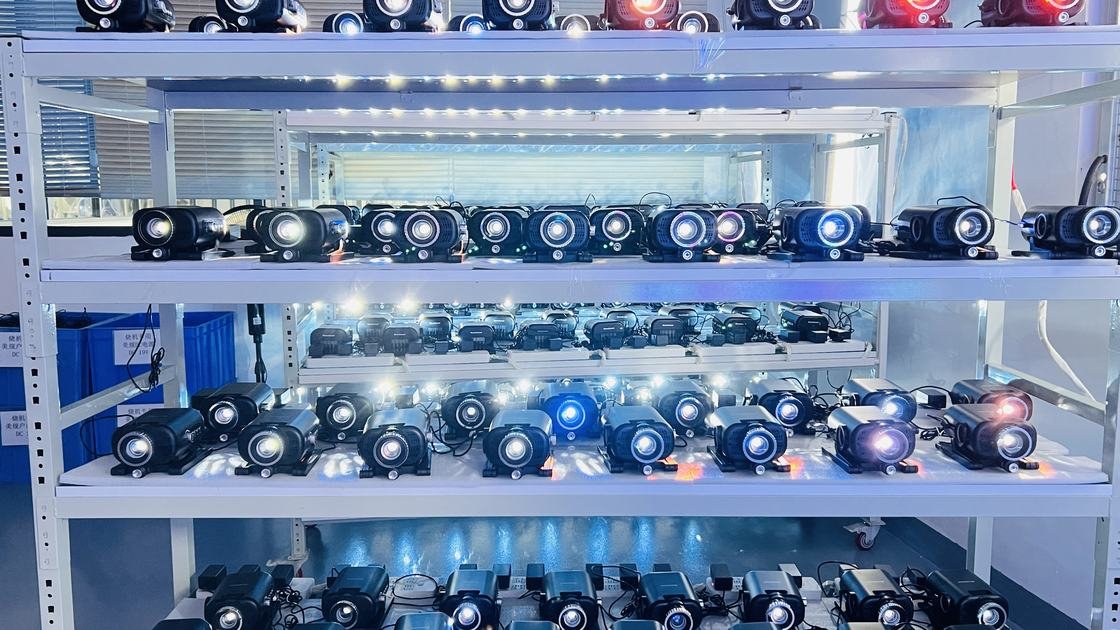
Every Bowlum unit receives roughly eight hours of aging as a production-stage control. The rack image gives context for that process by showing powered units and visible cables on racks; it does not identify each adapter or exact configuration. I do not use the process to claim a field lifetime, failure ranking or certification result. It does reinforce why the powered configuration should remain identifiable during production and service.
A Distributor Example: Replacing the Universal Ratio
A Midwest distributor once sent me a seasonal service-stock sheet with one blank cell: “extra adapters, ___%.” The same sheet mixed several projector designs and destination versions. Filling the blank would have created a confident number with no defined denominator and no link to the exact adapter in each carton.
I refused to supply a generic percentage. Instead, I asked the buyer to list each sellable projector SKU, the shipped adapter identity, destination plug, approved replacement, units already deployed, units planned for deployment, local service response and replenishment trigger. For the first cycle, any quantity had to be an explicit commercial planning choice, not a disguised industry failure rate.
We also added a review rule: when the adapter model, plug, output, connector, label or evidence package changes, the old service row stops inheriting automatically. The buyer can keep a spare only if the team can identify which live configuration it serves.
The revised plan made no claim about failure order, frequency or relative replacement economics. It did something more useful: it made every spare traceable to a supported product configuration and gave the distributor a place to record its own validated demand over time.
| Planning input | What to record | Review trigger |
|---|---|---|
| Installed mix | Active units by exact SKU and adapter configuration | New product or destination version |
| Service commitment | Which approved assembly the local team promises to replace | Change in service channel or response plan |
| Stock position | On hand, allocated and incoming by exact adapter identity | Allocation consumes the agreed operating buffer |
| Replenishment | Confirmed source and current replenishment conditions | Supplier, component or lead-condition change |
| Observed demand | Validated service use with SKU, symptom and disposition | Enough reviewed records to update planning assumptions |
| Change control | Adapter label, output, connector and evidence revision | Any identity or construction change |
No line in that table produces a universal percentage. The quantity belongs to the distributor's installed base and service model. A new program with no demand history should say that its planning assumption is provisional. An established program can update the row from its own reviewed records without presenting them as an industry-wide rate.
A useful spare is not “an adapter that fits.” It is an identified, approved replacement for a configuration the service team can trace.
What Should the Supplier Lock Before Samples and Reorders?
Certification and compatibility records often look complete at sample stage, then drift when purchasing substitutes an adapter or a destination plug changes. The buyer needs a release rule that survives the gap between one sample and repeat production.
Before sample approval, lock the exact projector SKU, adapter identity, input/output, plug version, controlled connector details, label and evidence mapping. Before every reorder, confirm that the shipped configuration still matches or route the change through documented review.
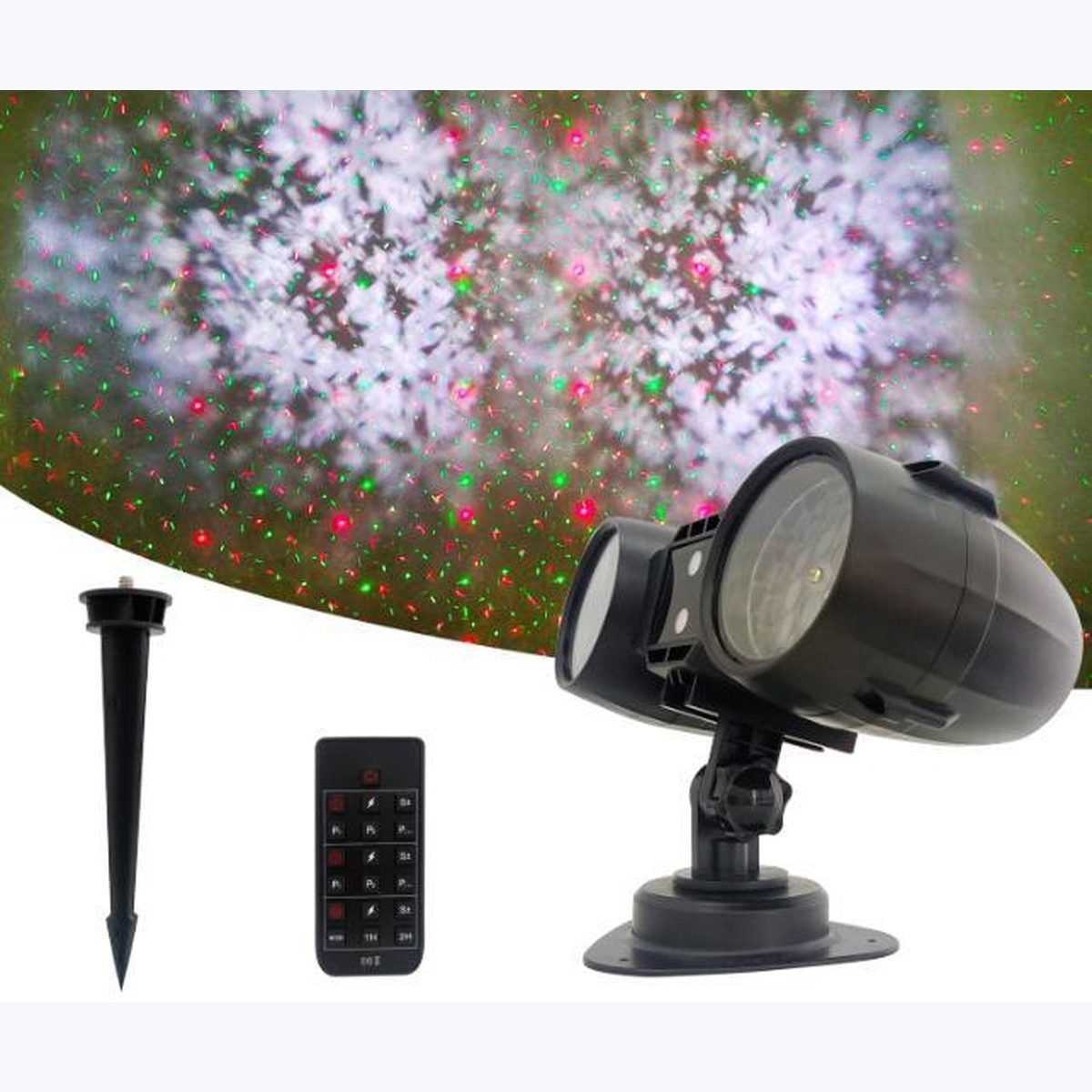
I put the adapter on the sample-approval sheet rather than leaving it in the packing-list notes. For BWL-HP-004, the public record gives the 110–220V and 5V/1500mA boundary and names the adapter designations. The retained sample and controlled production record must supply the exact identity that a public image cannot.
The minimum release package is short:
- Sellable identity: public Bowlum SKU and destination configuration.
- Physical adapter identity: clear label photograph and controlled adapter model.
- Electrical mapping: input, output and documented connector/polarity details.
- Evidence mapping: exact adapter file, model match, scope and reviewer decision.
- Approved set: projector, adapter, cable path, controls and included mounting parts.
- Change notice: which adapter-related changes require review before shipment.
- Retained reference: one approved configuration or equivalent controlled record for comparison.
Production Control Does Not Expand Certification Scope
Our roughly eight-hour unit aging process is relevant to production release. It does not turn an adapter document into a projector certificate, and it does not establish which component will need service first. I keep the aging result, adapter evidence and finished-product evidence in separate rows because each answers a different question.
I apply the same boundary to reorders. “Same specifications” is not enough if the adapter model or document scope changed. The supplier should present the delta; the buyer's responsible reviewer decides whether the existing approval still applies. If the change is not yet reviewed, the reorder record should stay open rather than inherit the prior green status.
The broader Bowlum product catalog can organize sellable SKUs, while the controlled BOM, label images and evidence matrix stay behind the procurement decision. Public content should not pretend to expose a complete compliance file. It should tell a buyer exactly which questions the current facts can and cannot answer.
Conclusion
An external power adapter is part of the supplied projector system, but it remains its own configuration and evidence boundary. Its label and supporting documents can establish facts about that exact adapter; they do not automatically certify the projector body or the complete luminaire. Replacement control follows the same logic: a shared input range, familiar mark or matching connector shape cannot replace an approved product association. I advise distributors to map every shipped adapter to the exact public SKU, preserve the label and document scope, leave unknown connector details blank, and build service stock from their own installed mix and reviewed demand. My release rule is simple: if the team cannot identify the adapter, its evidence and the projector configuration it serves, the row is not ready for approval or replacement.
Frequently Asked Questions
Does a certified power adapter mean the projector is certified?
No. Adapter evidence applies to the exact adapter and its stated scope. A complete-projector claim requires product-level evidence that explicitly covers the finished configuration; do not promote an adapter mark into a luminaire certification.
What should I check on a projector power adapter certificate?
Start with the object covered, adapter model, responsible party, input, output, standard or scheme, conditions and exact scope. Then compare those fields with the physical label and the adapter mapped to the sellable projector SKU.
Can I replace a projector adapter if the plug fits?
No. Connector fit does not establish output voltage, current, polarity, environmental suitability or approved product association. Use only an exact replacement or a candidate that the responsible qualified team has reviewed and approved for that configuration.
Are BWL-HP-002 and BWL-OL-005 power adapters interchangeable?
No conclusion of interchangeability is supported, and their recorded outputs differ. BWL-HP-002 is recorded at 5V/1500mA, while BWL-OL-005 is recorded at DC12V/1A. Keep each adapter tied to its exact approved product configuration.
How many spare projector adapters should a distributor order?
There is no universal percentage. Plan by exact installed SKU and adapter configuration, local service commitment, stock position, replenishment conditions and the distributor's own validated service demand, then review the quantity when any configuration changes.
Does factory aging prove the adapter or projector is certified?
No. Aging is a production-stage control, not a certification decision. Bowlum's roughly eight-hour unit aging process should remain separate from adapter evidence, finished-product evidence and any field-life assessment.
What should trigger a review of an approved projector adapter?
Review any change to adapter model, plug version, input/output, connector, polarity, label, responsible party, supporting evidence or projector association. Do not let a reordered configuration inherit the earlier approval silently.