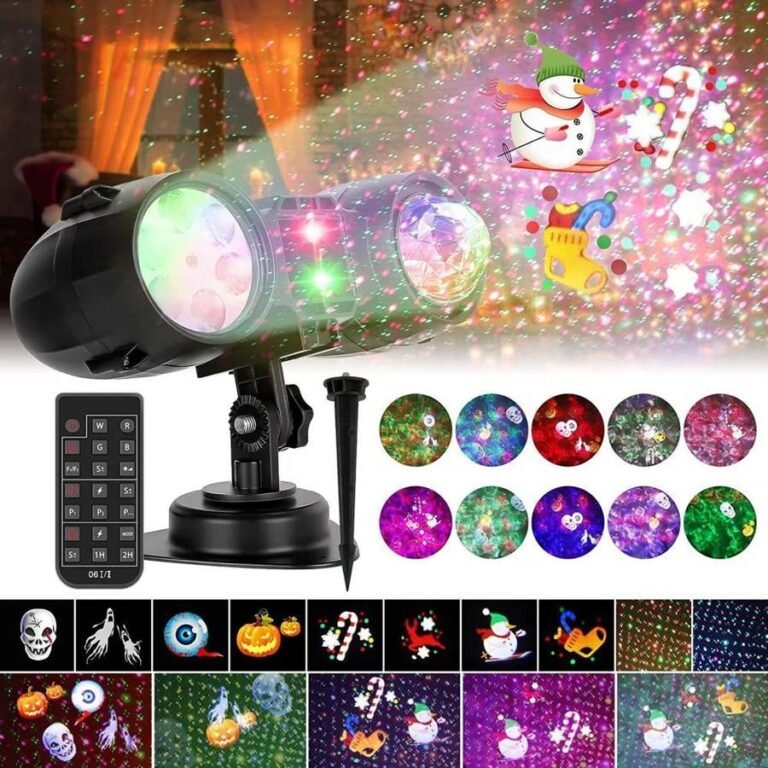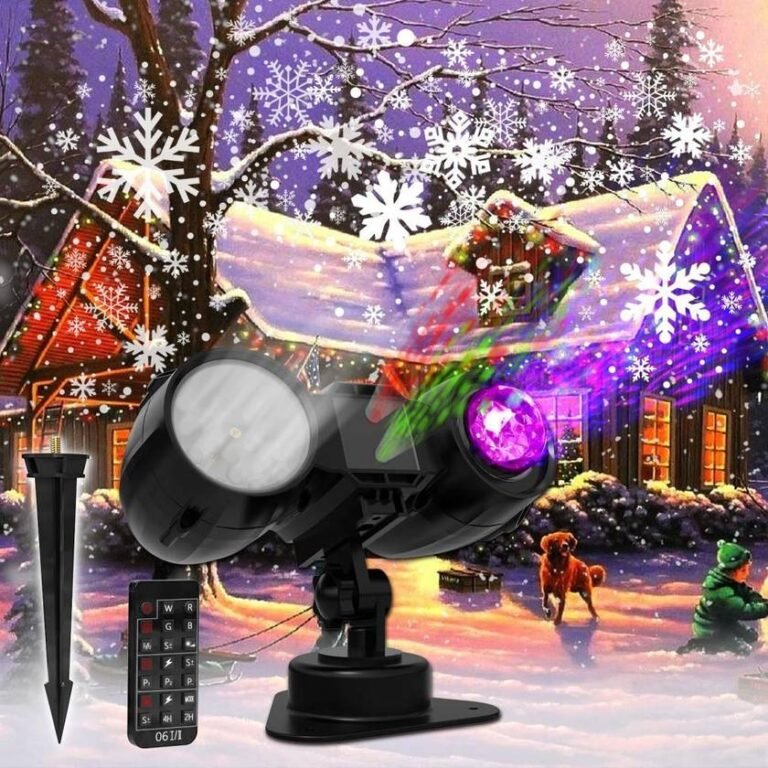

When a distributor asks me which Christmas projector will still look better in its second winter, laser or LED, I remove the “winner” row from the comparison sheet. I can explain what each light source does. I can inspect the exact product architecture and define a repeatable test. What I cannot honestly provide is a two-winter durability ranking when the products have not been run side by side under the same weather, duty cycle, storage conditions and acceptance method.
The problem is not that laser and LED are identical. They are not. The problem is that a component label is being asked to predict the life of an entire outdoor system.
Laser versus LED determines the visible effect and the way that effect should be verified; it does not, by itself, tell a buyer which finished projector will survive two winters. A defensible buying decision needs an exact-SKU baseline, documented operating conditions, end-of-season handling, a second-season re-test and a service-stock plan.
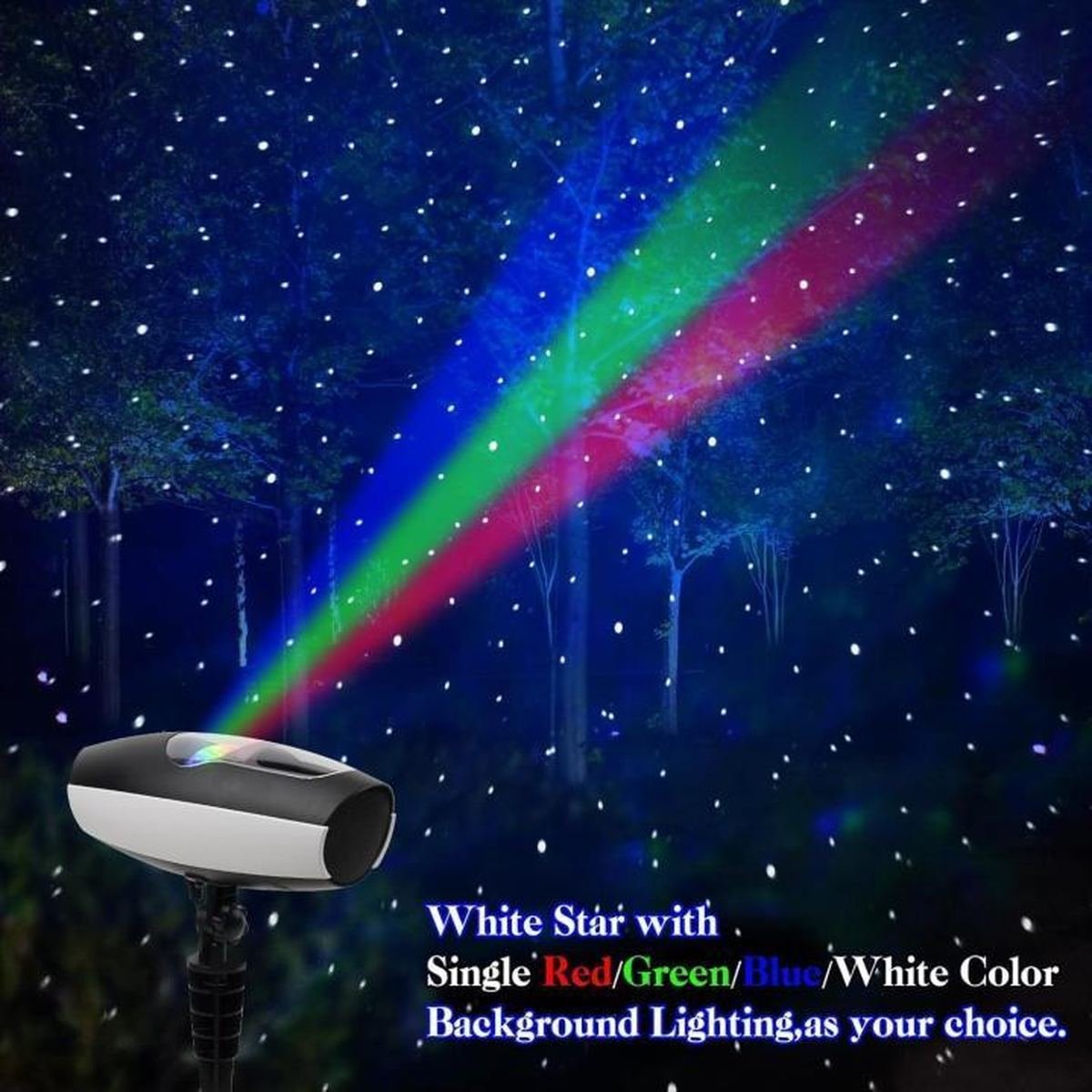
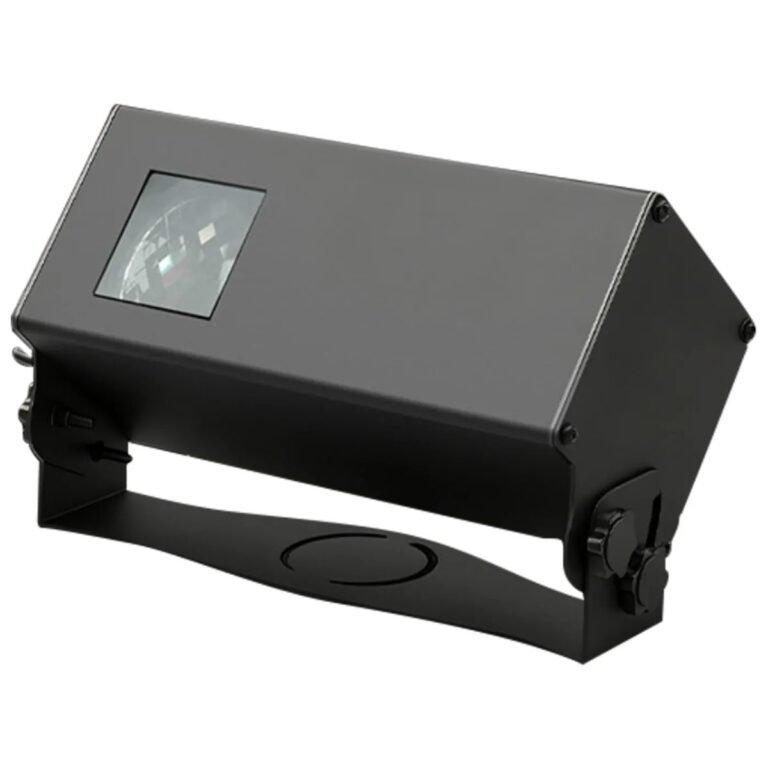
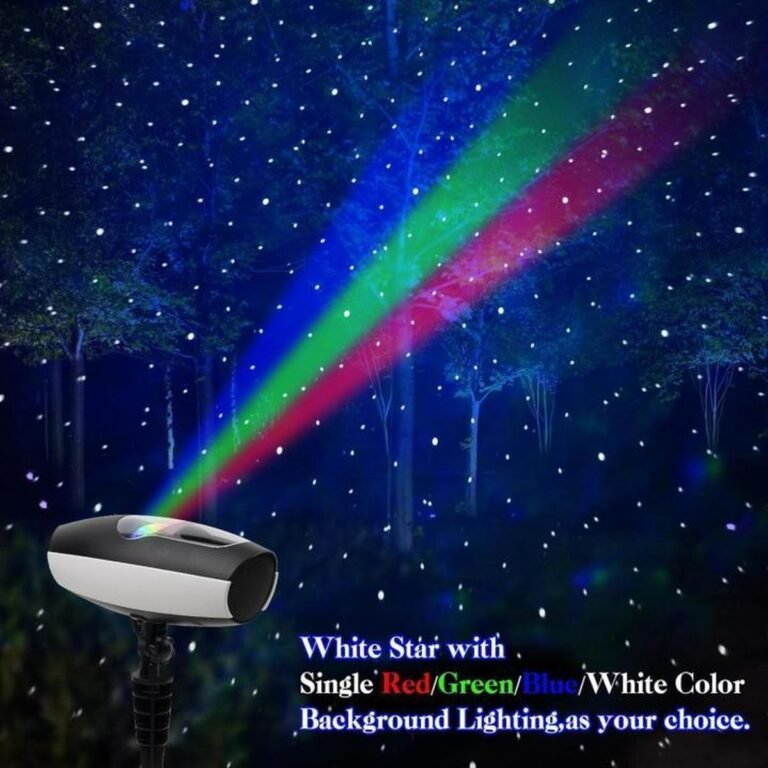
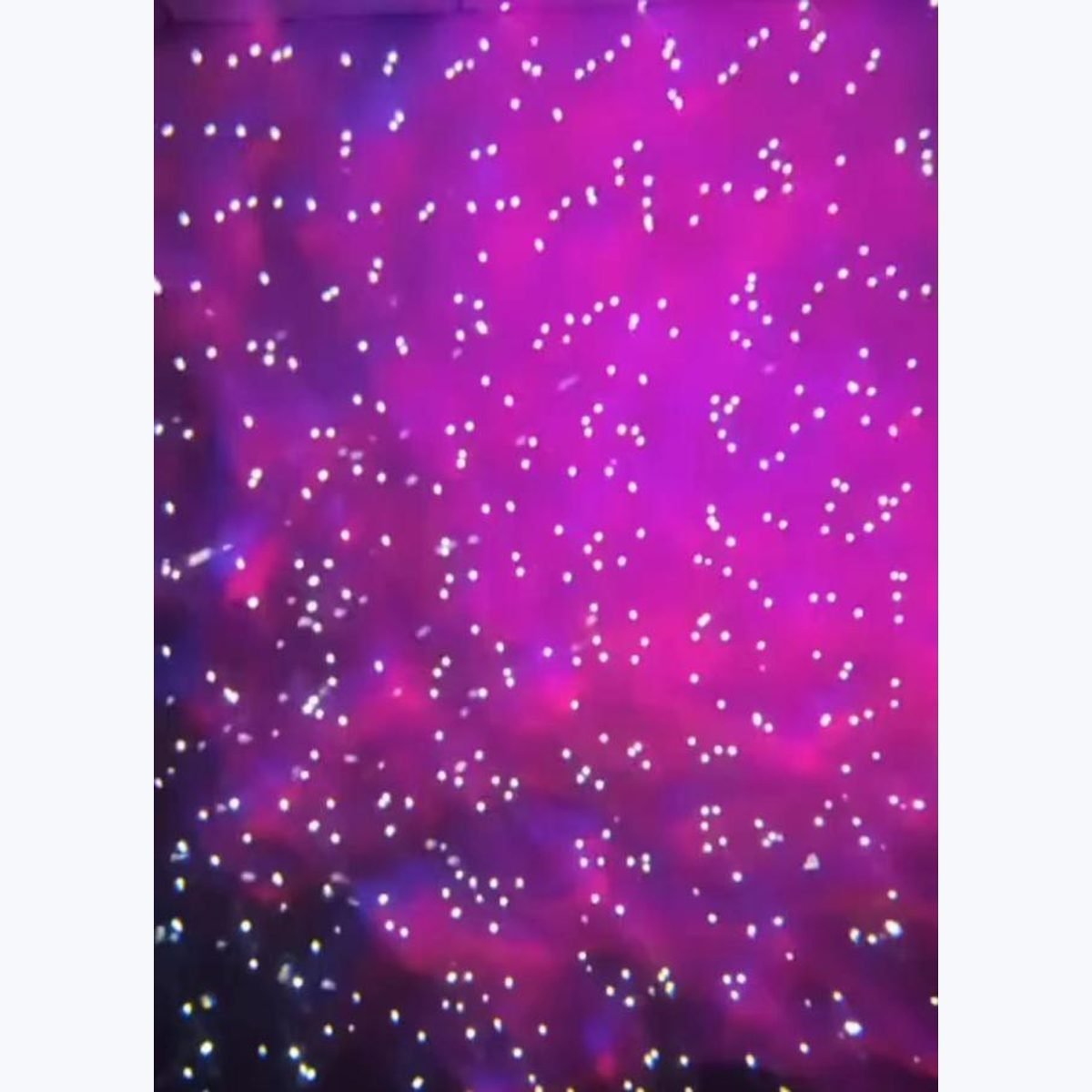
BWL-OL-002 is a useful opening example because its cataloged architecture includes a white laser firefly effect and an RGBW LED background. One housing contains both source types, so the question “Is laser or LED better?” is incomplete before it starts. Below, I separate output choice from reliability, show how I handle cold-weather uncertainty, and build the two-season record a distributor can reuse with any supplier. Our indoor LED-and-laser guide explains effect architecture in star projectors; this article stays with outdoor holiday ownership and field service.
What Does Laser vs LED Actually Change in a Christmas Projector?
Retail comparisons often arrange laser and LED as two quality grades. That framing hides the first decision an importer or distributor must make: what should appear on the surface?
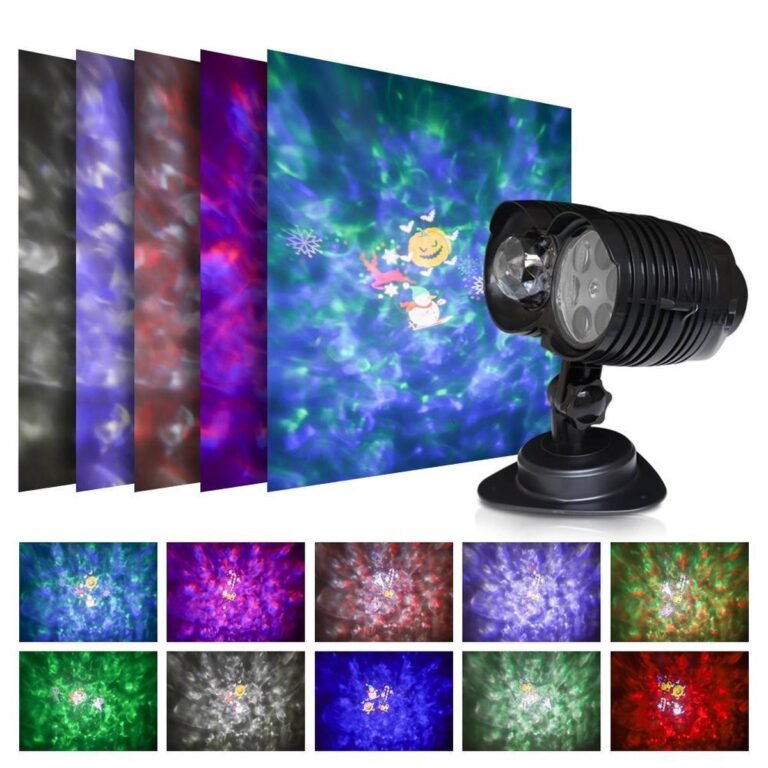
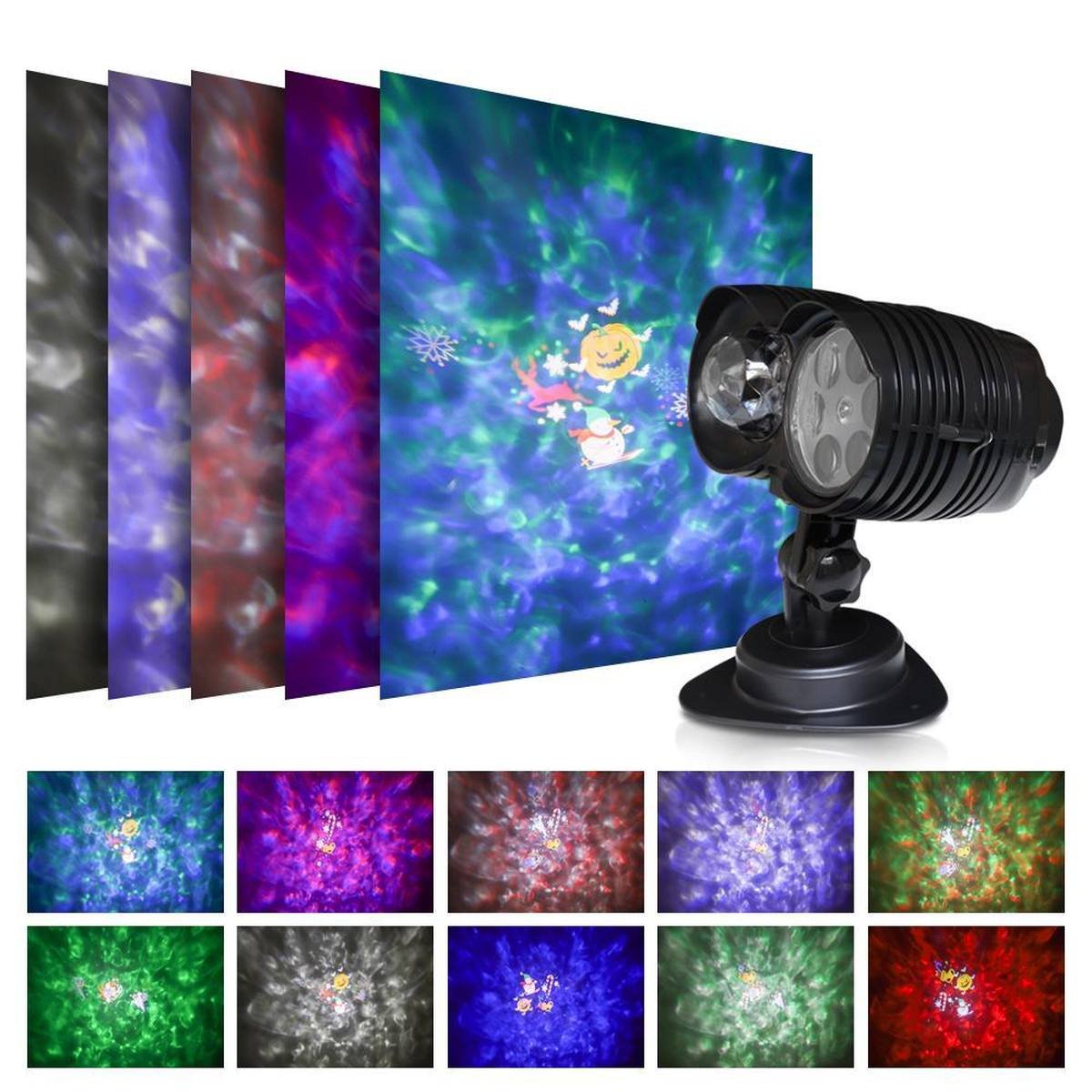
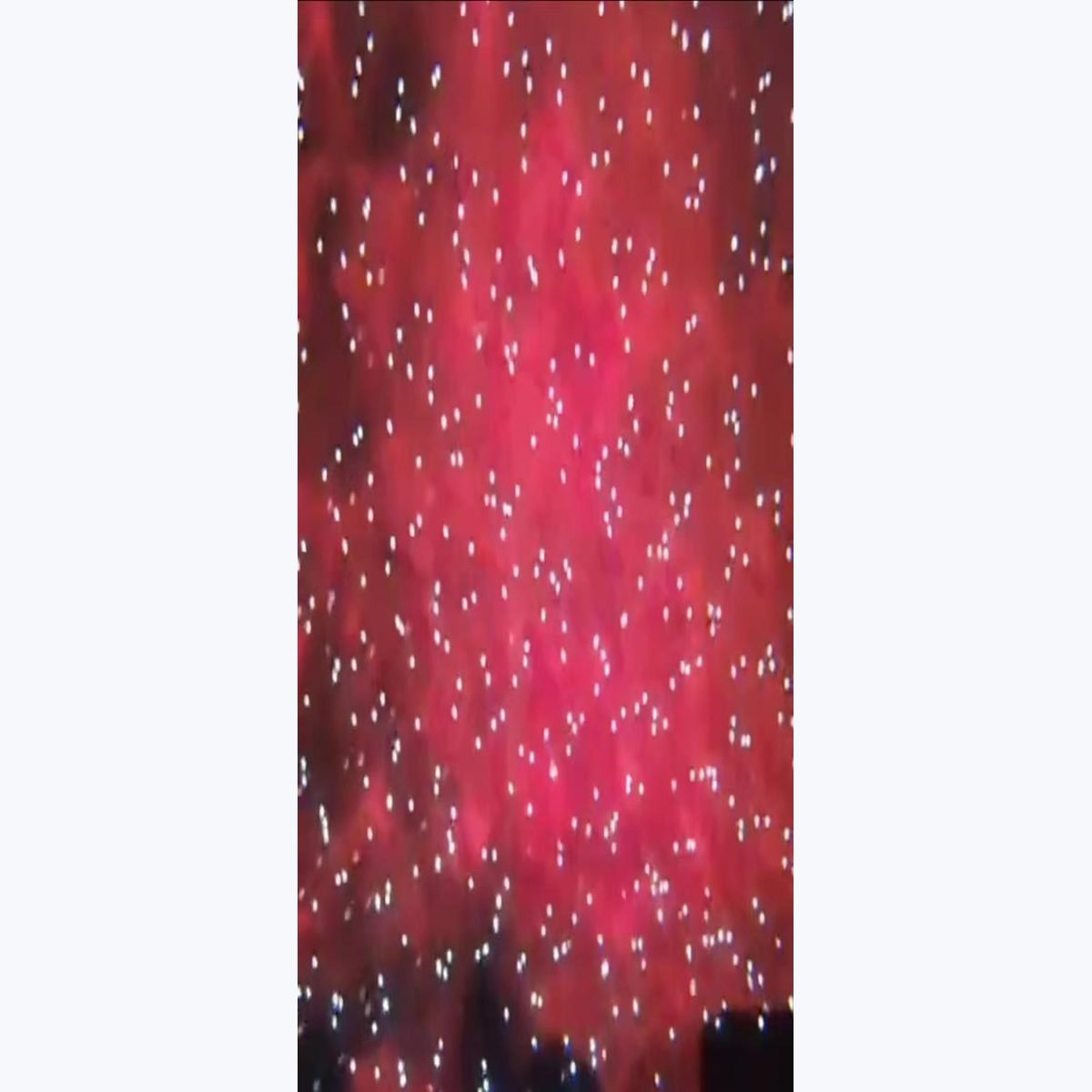
In the Bowlum products discussed here, laser creates a defined firefly-style point effect, while the pure LED product projects broader coloured fields and themed images through its optical system. A hybrid can combine those roles. Choose the required visual job first; do not turn the source name into a durability or quality ranking.
Start With the Output, Not the Component Badge
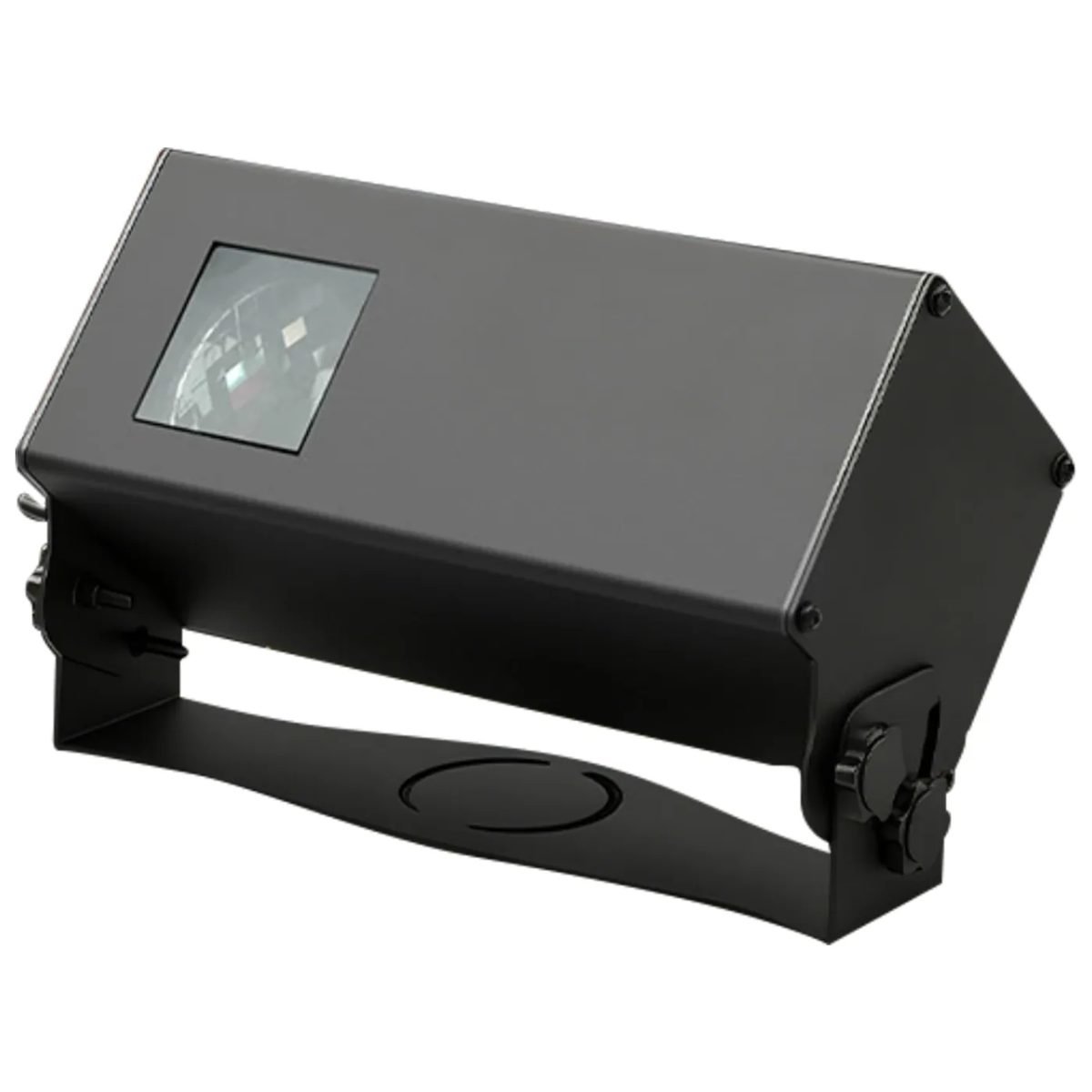
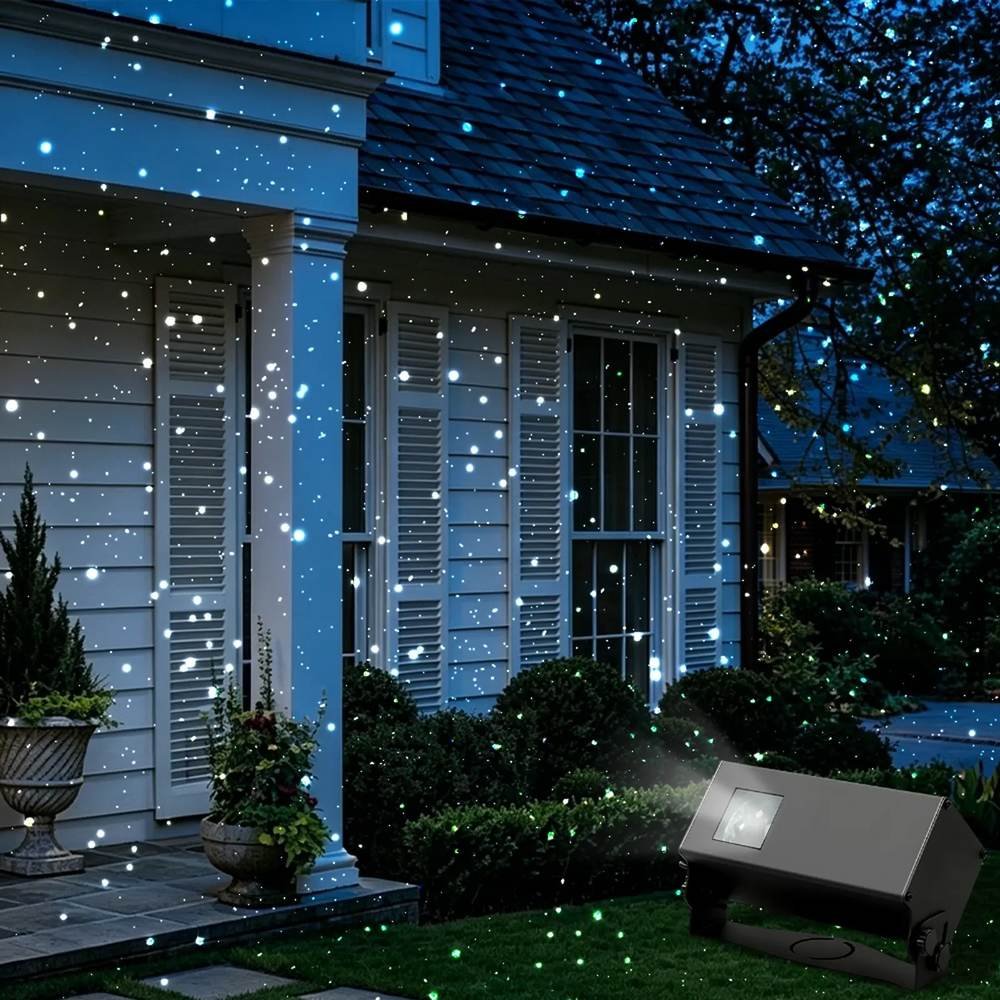
BWL-OL-001 is cataloged as an outdoor laser firefly projector. Its visible job is a field of defined moving or static points. BWL-HP-005 is cataloged as a pure LED holiday projector with eight built-in themes and coloured background effects. BWL-OL-002 combines a white firefly point layer with an RGBW LED background.
Those are three product architectures, not a podium:
| Buying question | BWL-OL-001 laser example | BWL-HP-005 LED example | BWL-OL-002 hybrid example |
|---|---|---|---|
| What is the visible job? | Firefly-style point field | Themed image with coloured field | White point field plus coloured LED background |
| What should sample approval examine? | Point definition, motion and usable field | Theme identity, focus, colour field and controls | Each layer separately, then the combined result |
| What does the source label prove about life? | Nothing by itself | Nothing by itself | Nothing by itself |
| What exact catalog boundary matters outdoors? | IP65 is recorded for this SKU | IP44 is recorded for this SKU | IP44 is recorded for this SKU |
I treat the table's third row as the important one. A laser source can be part of a poorly managed finished product, and an LED source can be part of a well-managed one. The reverse is equally possible. Housing design, optics, driver or adapter, connections, controls, moving parts, installation exposure and storage all remain in the reliability chain.
Why “Sharper” Still Needs a Test Condition
A point effect can look more defined than a broad LED image, but that does not create a universal installation rule. Throw distance, target colour, ambient light and viewing position change what the buyer sees. A dark promotional image identifies the intended effect; it does not establish the acceptable result at a commercial site.
When I compare samples, I keep the camera position, projector position, surface and ambient condition fixed. Then I ask a narrow question: does this exact architecture deliver the effect the channel needs? That comparison is useful. “Laser is premium” is not.
A light source is an optical decision first. It becomes an ownership decision only after the finished system and its operating conditions are defined.
Can the Light Source Predict Which Outdoor Projector Lasts Longer?
“LED lasts longer” and “laser lasts longer” both sound technical because they refer to real component technologies. Neither sentence is a finished-product lifetime claim a buyer can safely use.
No. The light source alone cannot predict the service life of an outdoor Christmas projector. Both gradual performance change and abrupt loss of function can originate in the source, power electronics, optics, motor or control system, seals, cables, connectors, installation environment or storage history.
Source Life Is Not System Life
A projector can still produce light while no longer producing an acceptable effect. Output may appear weaker, a colour layer may shift, a pattern may lose definition, a moving effect may stop moving, a control mode may fail, or the whole unit may not start. Procurement therefore needs two definitions:
- Functional failure: the unit or a required function does not operate.
- Performance failure: the unit operates, but the agreed visible result is no longer within the acceptance boundary.
The second definition is especially important for seasonal decoration. “It turns on” is not enough if a branded effect no longer matches the approved sample. Conversely, a buyer should not call every apparent loss of brightness a failed source before checking power, optics, surface and ambient conditions.
I use the observed symptom to open an investigation, not to name the failed component:
| Observed symptom | Plausible areas to isolate | Unsafe shortcut | Better next record |
|---|---|---|---|
| Unit does not start | Approved adapter, cable, connector, control state, internal electronics | “The LED died” or “the laser failed” | Test the exact unit with its approved configuration and record each isolation step |
| Effect looks weaker | Power delivery, optical surface, ambient light, target surface, source output | “Normal aging” | Repeat the original baseline under matched conditions |
| Point or image loses definition | Lens or optical surface, focus, mounting geometry, pattern mechanism | “Wrong source type” | Compare the same position, surface and viewing point |
| Motion stops but light remains | Motor, mechanical path, control mode or drive electronics | “The projector is worn out” | Separate static optical output from movement and control |
| Colour layer changes | Source channel, control setting, optics or power | “All units in the batch will do this” | Check more than one retained reference unit and preserve batch identity |
The Evidence We Do Not Have
I checked our product data and factory facts before writing this comparison. We do not have a controlled dataset in which the selected laser, pure LED and hybrid outdoor projectors were operated for two winters with the same duty cycle, temperature profile, moisture exposure, installation geometry, storage process and acceptance limits. We also do not have a model-specific life-hour claim that I can defend for these three exact SKUs.
That absence is not a reason to invent a winner from general component reputation. It is a reason to design a better record. I will not turn a component lifetime from a datasheet into a promise for the assembled projector, and I will not present a marketing photograph as evidence of long-term maintenance.
This boundary matters commercially. A distributor who repeats an unsupported life ranking owns that promise when an installer asks for a replacement. A supplier who cannot show the complete test should not be allowed to hide behind a familiar source label.
How Should You Evaluate Cold-Weather Start-Up Without Guessing?
Cold-weather performance is often reduced to one sentence: LED likes cold, or laser dislikes cold. That may describe one component under one laboratory condition, but the projector in the yard includes far more than the emitter.
Evaluate cold start on the exact finished SKU, approved adapter and required control mode. Obtain the documented operating and storage limits, then record a repeatable start-up test at the intended condition. If those product-level limits or curves are absent, leave the comparison unresolved instead of declaring a laser or LED winner.

Test the Finished Chain
At low temperature, the buyer still depends on the adapter, cable, connectors, controls, mechanical movement and optical assembly. A source that can emit under a cold component test does not prove that the supplied adapter starts correctly, that a moving mechanism reaches its normal behaviour, or that the complete effect matches the approved state.
Our current public catalog does not record model-specific operating-temperature or storage-temperature ranges for BWL-OL-001, BWL-OL-002 or BWL-HP-005. I leave that comparison blank. I do not borrow a range from a neighbouring SKU, and I do not translate “outdoor” into an unstated winter rating.
A useful cold-start record does not need invented thresholds. It needs controlled fields:
| Record this | Why it matters |
|---|---|
| Exact public SKU, batch and approved configuration | Stops evidence from drifting to a similar-looking model |
| Projector, adapter and control mode tested together | Captures the complete start-up chain |
| Conditioned temperature and duration, recorded by the test owner | Makes “cold” reproducible instead of subjective |
| Time and state at first power-on | Separates immediate start from delayed or partial operation |
| Static effect, motion and control response | Prevents one working function from masking another |
| Matched warm-condition baseline | Shows whether the difference belongs to the condition |
| Photos or video with fixed positions and camera settings | Creates a comparison record rather than a beauty shot |
Keep Temperature Change Separate From Water Exposure
A cold-start test and an ingress test answer different questions. Sudden temperature changes can also create condensation conditions that a simple “worked in the cold” note does not describe. The installation plan should therefore preserve the product instructions, environmental limits and transition conditions used in the test. Do not move a unit between extremes, energize it or open it merely to create dramatic footage.
I also keep IP on a separate line. BWL-OL-001 is recorded as IP65, while BWL-OL-002 and BWL-HP-005 are recorded as IP44. Those exact ratings inform placement and exposure decisions; they do not supply an operating-temperature range. Our detailed IP65 and condensation guide explains why the number cannot carry the entire outdoor decision.
If the exact product has no documented cold limit and no finished-unit cold-start record, the honest comparison result is “not yet established.”
What Should a Two-Season Acceptance Record Contain?
A first-season sample approval is usually treated as a gate: pass it, order it, archive it. For a seasonal product, that approach throws away the reference needed when the same units return from storage.
Build one record that follows the exact SKU from incoming approval through first-season use, storage and second-season re-commissioning. Keep the effect baseline, configuration, installation condition and observed change together so the second-year decision is based on evidence rather than memory.
The Baseline Has to Be Reproducible
The approved sample should not be represented by one attractive image. Keep a controlled reference that another person can repeat: exact unit identity, adapter and controls; projector and target positions; surface; ambient-light state; selected mode; camera position and manual settings where possible; and the buyer's pass-or-fail description.
That description should follow the architecture. For BWL-OL-001, it may cover point definition, distribution, motion and control. For BWL-HP-005, it may cover theme identity, focus, colour field and movement. For BWL-OL-002, the point layer and LED background should be recorded separately before the combined scene is approved.
Carry the Record Through the Off-Season
The ownership plan needs more than a warranty date because a holiday product can spend most of the calendar switched off. A unit may operate for a short campaign, then be removed, transported, cleaned, packed and stored before the next installation. Those off-season steps are part of the product history.
I divide the record into five checkpoints:
| Checkpoint | Minimum record | Decision it supports |
|---|---|---|
| Incoming acceptance | Exact SKU, configuration, functions and matched effect baseline | Did the shipment match the approved sample? |
| Installation release | Position, surface, ambient condition, power and exposure boundary | Was the product used inside the accepted setup? |
| End-of-season removal | Visible condition, cable and connector condition, missing accessories, abnormal symptoms | What must be isolated before storage? |
| Storage handoff | Unit identity, approved parts kept with it, packing condition and storage instructions used | Can the same configuration be reconstructed? |
| Second-season re-test | Same baseline fields plus every observed change | Is the unit ready, serviceable or unsuitable for redeployment? |
The record should preserve uncertainty. If the first-season camera was set automatically, say so. If the surface or ambient condition cannot be recreated, do not describe a visual difference as source degradation. The point is not to make every observation laboratory-grade. It is to prevent weak evidence from becoming a strong claim.
One-Year Warranty Is Not a Two-Season Dataset
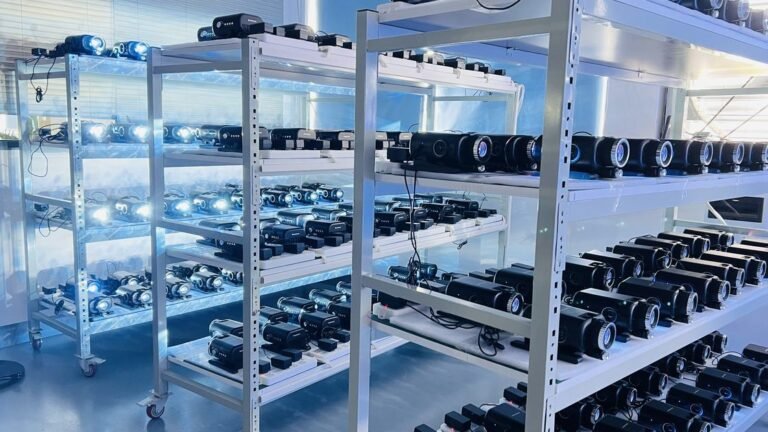
Our factory-confirmed standard warranty is one year. That is a commercial service boundary, not proof of a two-season performance curve. The same distinction applies to the roughly eight-hour aging test every unit receives: it is a production-stage control, not a compressed simulation of two winters.
When I review an ownership plan, I keep those facts in their proper columns. Warranty tells the buyer what service period was agreed. Aging tells the buyer what release-stage process occurred. Only a longitudinal record tells the buyer how the exact product behaved across removal, storage and reinstallation.
How Should a Distributor Build Service Stock for Laser, LED, and Hybrid Projectors?
Installers experience a projector as one box that either performs or creates a return visit. A distributor has to see the replaceable configuration behind that box without assuming every fault belongs to the light source.
Build service stock around exact product identity, approved power and control configurations, mounting hardware and complete replacement units—not around generic “laser spares” or “LED spares.” A hybrid product also needs symptoms recorded by channel so the distributor knows whether the point layer, background layer, motion, control or power path changed.
A Distributor Example: Replacing the Lifetime Winner
A distributor in the Midwest once organized a seasonal assortment sheet around a simple question: which source should his installer channel trust for a second season? The draft had “laser” and “LED” as rows, followed by an empty cell for expected life. Filling that cell would have made the sheet look complete, but no test behind it could support the answer.
I removed the lifetime row and asked him to classify the offer by exact product and visible job. Was the installer selling a firefly-style point field, a themed LED image, or a combined point-and-background effect? Which adapter and controls belonged to each unit? What would be kept locally for a same-day service decision? Which first-season record would still be available when equipment came out of storage?
The revised brief did not declare a source winner. It required a retained reference unit, a matched visual baseline, approved power and control configurations, a removal inspection, a storage handoff and a pre-deployment re-test. The distributor could use the same structure for every supplier because none of the questions depended on our marketing language.
That was the useful outcome: the buyer exchanged an unprovable promise for a service system his own team could operate.
The best second-winter claim is not “this source lasts longer.” It is “we can identify what changed, reproduce the comparison and make the service decision before the installer reaches the site.”
Stock the Decision, Not Every Possible Part
Not every component should become a field-replaceable item. Opening a laser product, substituting an unapproved power supply or mixing controls across revisions can create new safety, compatibility and evidence problems. The supplier should define what may be replaced as a complete approved assembly and what requires a whole-unit exchange or factory-level evaluation.
I use a short service matrix:
| Service need | Local stock or record | Boundary |
|---|---|---|
| Verify whether power is the issue | Approved adapter identified for the exact SKU and configuration | Do not substitute on connector fit alone |
| Restore mounting or placement | Correct mounting hardware and installation record | Hardware must preserve the approved geometry and exposure boundary |
| Replace a failed installation quickly | Complete matched replacement unit | Preserve SKU, batch and configuration in the service log |
| Diagnose a hybrid effect | Baseline of each optical channel and control state | Do not label the entire unit “dim” without separating layers |
| Escalate a repeated symptom | Retained unit, batch identity, photos or video and isolation steps | Do not convert one field observation into a batch-rate claim |
This is also why importers and distributors matter to professional installers. A factory can document the product and support a planned seasonal program; the local channel is positioned to hold the immediate replacement inventory a contractor needs during installation week. The service promise has to match the supply-chain role.
Where Do Class 1 and IP Ratings Fit—and Where Do They Stop?
Safety and ingress markings are often pulled into durability comparisons because they are the strongest-looking facts on a specification sheet. They answer important questions, but not the question “Which unit will look the same after two winters?”
Laser class addresses laser safety, while an IP rating addresses tested ingress protection conditions. Neither is a service-life prediction. Keep each statement attached to the exact product, then add separate evidence for effect acceptance, cold start, storage and second-season performance.
Keep Class 1 Attached to the Exact SKU
Our catalog records BWL-OL-001 and BWL-OL-002 as Class 1 under IEC 60825-1. That statement belongs to those named products and their records. BWL-HP-005 is a pure LED product, so laser classification is not the selection language for its light source.
At the factory, every laser unit must meet the Class 1 release requirement in our own laser test room before it can ship. I describe that as a unit-level production process. I do not use it to claim that every product shares one certificate, and I do not use a safety release check as evidence of optical performance after storage.
The questions should remain separate:
| Evidence | What it can answer | What it cannot answer |
|---|---|---|
| Exact-SKU Class 1 record | Which laser safety classification is recorded for that product | How long the point effect remains acceptable |
| Factory Class 1 release process | What every laser unit must meet before shipment | Whether one certificate covers every SKU |
| Exact-SKU IP rating | The recorded ingress-protection level for that enclosure | Every weather exposure, condensation condition or installation practice |
| Roughly eight-hour unit aging | Whether a release-stage production control occurred | Two winters of operation, transport and storage |
| One-year warranty | The confirmed commercial service period | A universal lifetime or second-season appearance |
Use Ratings to Route the Next Question
BWL-OL-001 is recorded as IP65. BWL-OL-002 and BWL-HP-005 are recorded as IP44. That difference should route the buyer into a placement and exposure review, not a claim that one light source is inherently more durable. In these examples, IP and source type vary at the same time; treating any later difference as “laser versus LED” would confound the comparison.
When I approve a comparison sheet, I require one fact per row and one scope per fact. Source type defines the optical task. Class defines the exact laser-safety statement. IP informs ingress-related placement. Aging and warranty describe production and commercial boundaries. The two-season record describes what actually happened to the exact unit.
Buyers can use the outdoor projector range to compare product roles, but no archive label replaces exact-SKU evidence. If a supplier collapses safety, ingress and lifetime into one word such as “professional,” ask for the rows to be separated before approving the offer.
Conclusion
Laser versus LED Christmas projectors is not a contest with a universal lifespan winner. It is a sequence of narrower decisions: choose the visible effect, keep safety and ingress facts attached to the exact SKU, document the full configuration, establish a reproducible first-season baseline, preserve removal and storage history, and re-test before the second deployment. A distributor who does that can diagnose change before an installer reaches the site; a buyer who relies on the source badge inherits an untestable promise. My own rule is simple: when the evidence cannot separate light source, power, optics, control, exposure and storage, I leave the lifetime cell blank and ask the buyer to build the record that will make next winter's answer possible.
Frequently Asked Questions
Do laser Christmas projectors last longer than LED projectors?
Not as a general rule that a buyer can apply to finished products. Source technology is only one part of a projector; power electronics, optics, movement, seals, connections, installation and storage can control usable life. Compare exact products under the same conditions and define both functional and visual failure.
What should I test before using an outdoor projector for a second winter?
Repeat the first-season baseline with the same SKU, adapter, controls, position, surface, ambient condition and effect mode. Check start-up, static output, motion and controls separately, then record every difference before redeployment. If the conditions changed, do not label the result source degradation.
Are LED Christmas projectors better in cold weather?
Do not assume that from the LED label alone. The complete unit also depends on its adapter, electronics, controls and any moving mechanism. Obtain the exact product's operating and storage limits and run a documented finished-unit cold-start test at the intended condition.
Does Class 1 mean a laser projector will last longer?
No. Class 1 is a laser-safety classification, not a lifetime or optical-maintenance rating. Keep the classification attached to the exact SKU and use a separate baseline and re-test to judge long-term visible performance.
Does IP65 guarantee that a Christmas projector will survive two winters?
No. IP65 describes ingress protection under defined test conditions; it does not cover every installation, temperature transition, storage method, connector arrangement or service-life outcome. Use the exact rating to guide placement, then evaluate the rest of the ownership system separately.
Should a distributor stock laser, LED or hybrid holiday projectors?
Stock the visual jobs the channel actually sells. A defined point effect, a themed LED image and a layered hybrid scene solve different briefs. For each exact SKU, add a reproducible baseline, approved configuration, service boundary and local replacement plan.
What evidence should a supplier provide for a two-season service plan?
Ask for exact product identity, configuration, operating and storage boundaries, a repeatable acceptance method, allowed service substitutions, production-control facts and the warranty boundary. Then preserve the buyer's own installation, removal, storage and second-season re-test record.