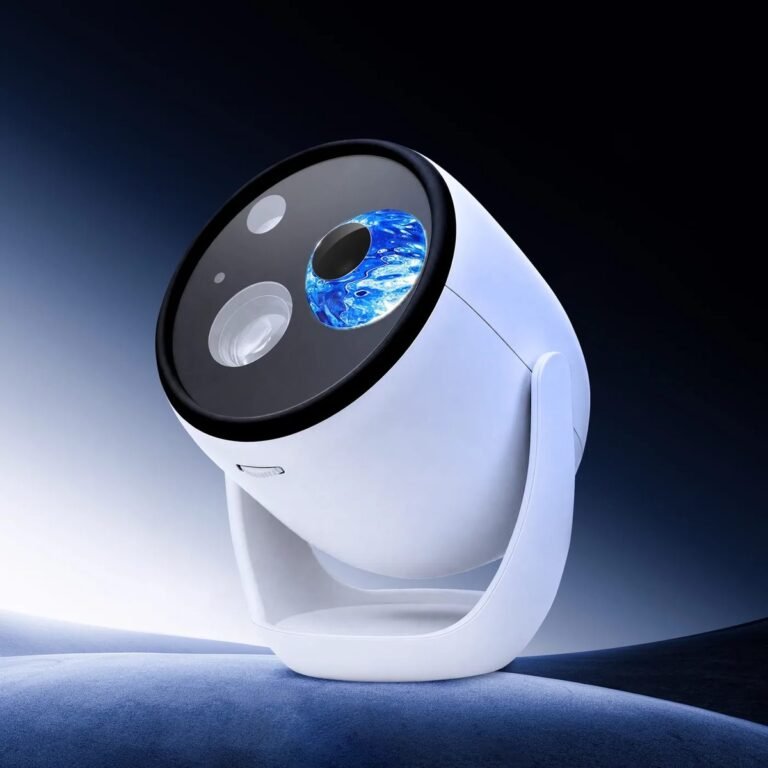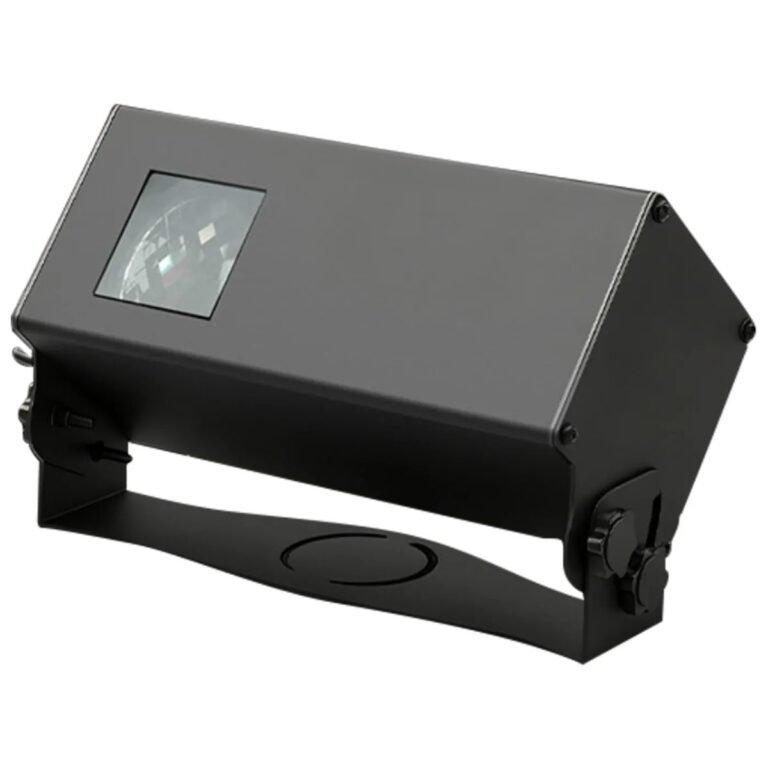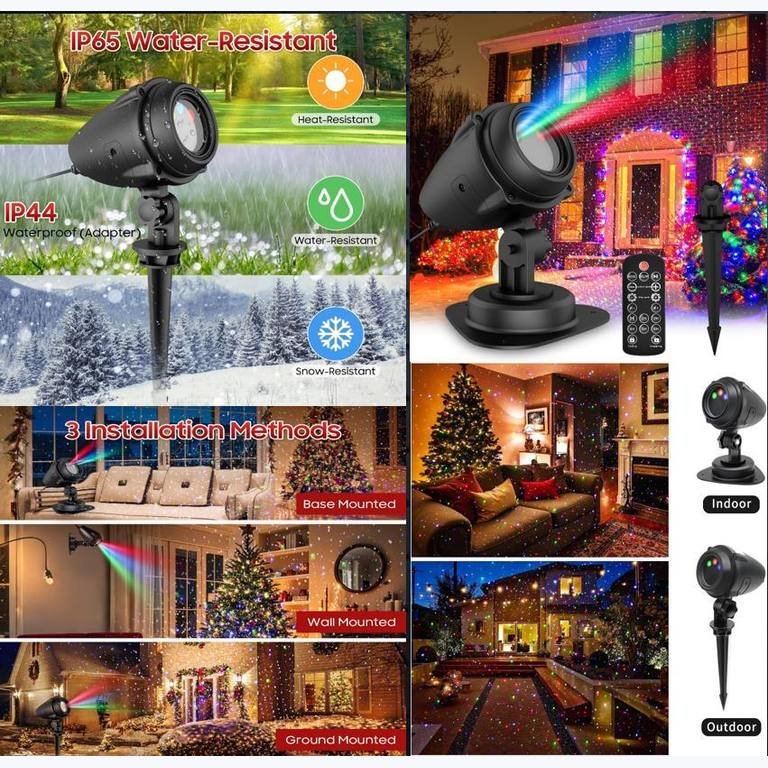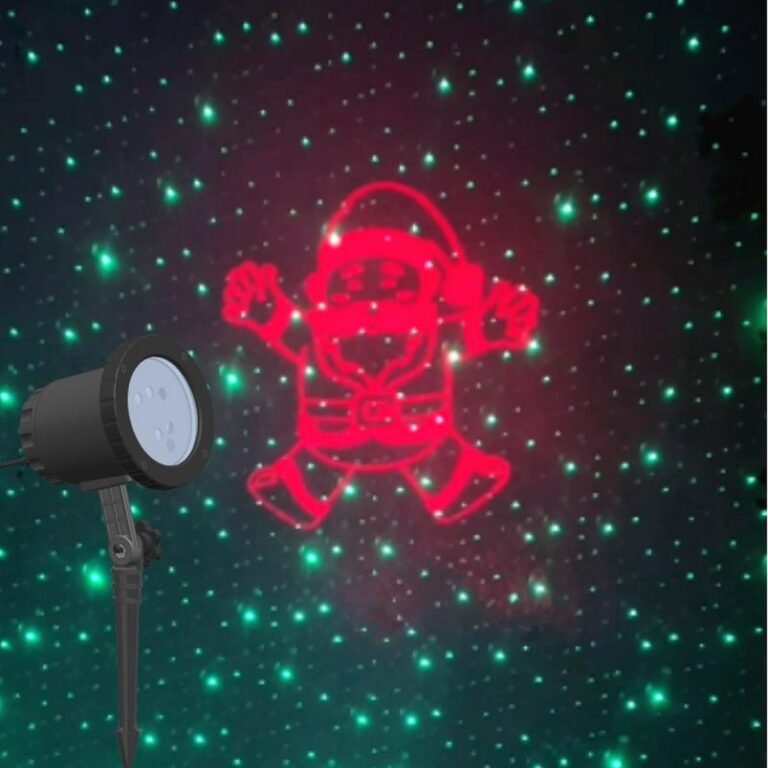

A customer return arrives with the note “does not work.” The importer records one return, the factory hears one complaint, and neither side learns whether the next unit will fail the same way. When a complaint reaches me in that form, I do not begin by defending the factory or naming a failed part. I ask for the product identity, power setup, exact symptom and one continuous video, then I compare the affected unit with a known-good control.
Consumer troubleshooting asks how to make that lamp work again. B2B quality control asks a different question: what pattern does this unit belong to? The problem is not that every return hides a batch defect. The problem is that unstructured return notes destroy the evidence needed to rule one in or out.
Classify projector problems by pattern before deciding the remedy: isolated variation, batch-linked cluster, transport or accessory issue, or repeatable design limit. Record order, production identity, symptom, power path, settings, environment and evidence so the factory can test a hypothesis instead of replying to “broken.”
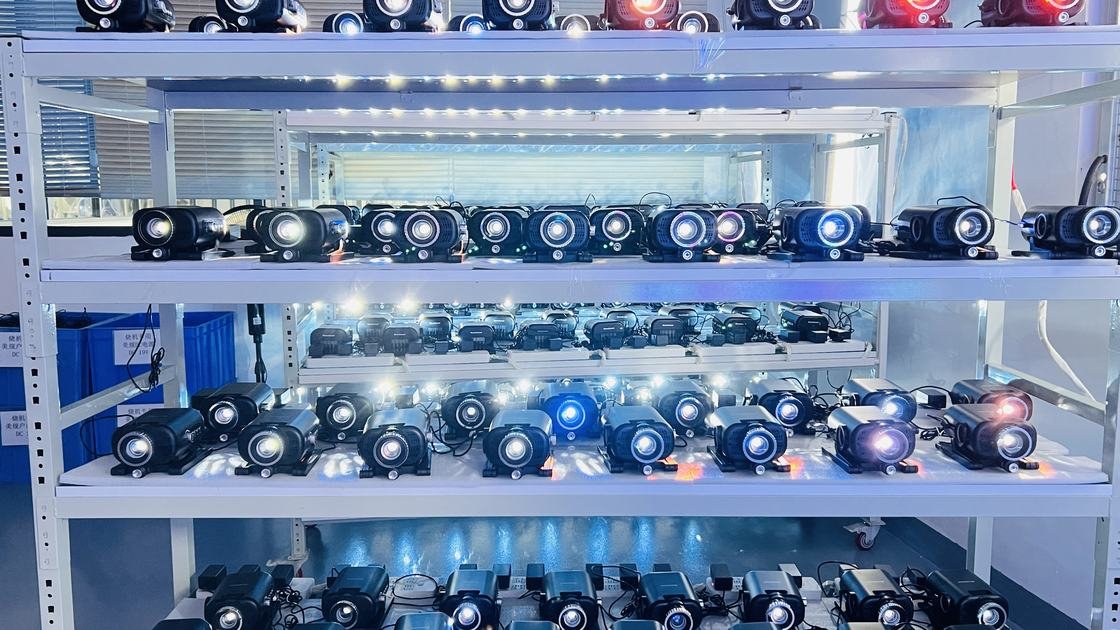
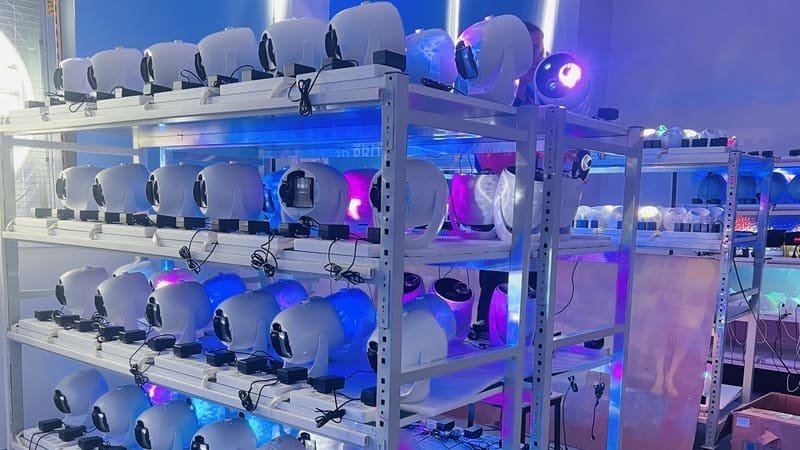
Our factory runs each unit for roughly eight hours during aging1. That is a real release control, but it does not make field returns impossible and it does not reveal what happened in shipping, installation or later use2. Below, I will show how a buyer turns returns into evidence, without inventing a “normal defect rate” that our data does not contain.
The method applies to both indoor star projectors and outdoor projectors; use the product catalog to preserve the exact SKU before grouping symptoms.
Is This One Broken Projector or a Problem With the Batch?
Importers often decide from the return count alone. Pattern quality matters more than the total when diagnosing cause.
Treat a complaint as a possible pattern only after you can group units by order, production or component identity and reproduce the same symptom under the same test. One failed unit is evidence of that unit. Several similar notes are not batch evidence until the product, power source and conditions are normalized.3
Use four buckets:
| Pattern | What it looks like | First buyer action |
|---|---|---|
| Isolated | One unit, no repeated symptom or shared identity | Preserve unit and complete the diagnostic record |
| Batch-linked | Same symptom clusters in an order, date, lot or component range | Compare affected and unaffected units from that group |
| Transport or accessory | Damage or failure follows packaging, adapter, cable or route | Separate lamp body, accessories and carton evidence |
| Design or use limit | Symptom repeats under a specific condition across units | Reproduce the condition and compare with approved use |
Do not call any bucket “normal” without a validated baseline. We do not publish a product failure-rate dataset, so this article will not give a percentage that pretends to define normality.
I resist the urge to label a batch from the complaint count alone. I first group the units by order, configuration, adapter and symptom, then look for a boundary that affected units share and known-good units do not.
The minimum record for the first unit is:
- buyer SKU and Bowlum SKU where relevant;
- purchase order and received carton identity;
- product label or serial information if available;
- exact symptom in observable language;
- adapter, cable and plug used;
- control method and settings;
- installation environment;
- short video showing the test from power-on;
- whether the same setup works with a known-good unit.
“Does not work” becomes “indicator remains off using the supplied adapter; same outlet powers a known-good unit.” The second sentence gives both sides a next test.
A return percentage tells you how much pain exists. A grouped symptom tells you where to look.
How Should You Log Isolated or Random Projector Failures?
Random is often used to mean “we have not found the pattern.” Keep the wording honest until enough structured evidence exists.
Log isolated failures as individual observations with complete identity and test conditions. Do not assign a cause from one unit, and do not discard it because no cluster is visible yet. A later pattern can only be found if early records use the same fields.
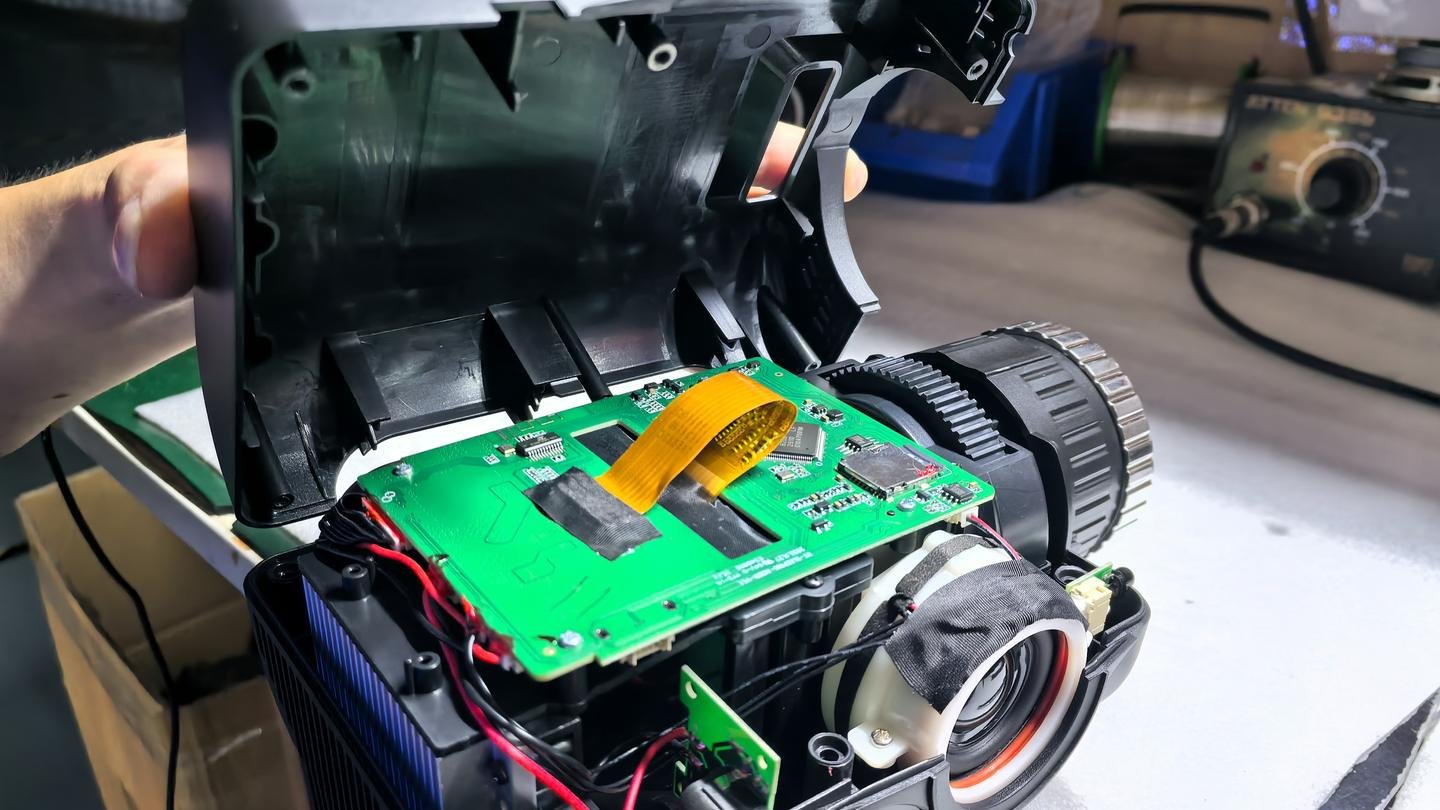
Build the return form around observations:
I want the first return record to be usable months later when a second symptom appears. That is why I keep the customer's original words but add controlled fields and visible test conditions. I cannot reconstruct an erased adapter label or missing unit identity after the product has been discarded.
| Field | Good entry | Weak entry |
|---|---|---|
| Symptom | “Point effect operates; background LED does not illuminate” | “Lighting issue” |
| Time | “Present at first power-on” | “Stopped quickly” |
| Power setup | Supplied adapter identity and outlet test | “Cable OK” |
| Controls | Button, remote or app path tested | “Tried everything” |
| Environment | Indoor/outdoor, surface, temperature condition if relevant | “Normal use” |
| Evidence | One continuous video from label to power-on | Edited clips with no unit identity |
Why One Record Still Matters
An isolated unit can expose a missing diagnostic field. If the support team cannot tell which adapter was used, add adapter identity to the return form before the next complaint. If the video never shows the label, change the video instruction. The first improvement may be to the evidence system, not the product.
Keep both affected and known-good controls. When the same adapter, remote or setting is tried across them, the comparison narrows the path. Without a control unit, a team may replace the projector when the cause sits elsewhere in the setup.
Do not open every returned product before documenting external behaviour. Disassembly can alter connectors, seals or mechanical evidence. Photograph the unit and carton, reproduce the symptom, then follow the agreed investigation process.
How Do Batch-Linked Failures Reveal Themselves?
A batch pattern is not simply “several units failed.”4 The affected units need a shared boundary that unaffected units do not share.
Batch-linked failures reveal themselves when the same symptom clusters around a production, component, adapter, packaging or shipment boundary. Compare affected and unaffected units, then change one variable at a time. The goal is to find a shared generator, not collect similar adjectives.

Start with these possible boundaries without assuming any is the cause:
| Boundary to compare | Evidence needed | What it may separate |
|---|---|---|
| Production or shipment lot | Order and traceability record | A time-bounded assembly or component change |
| Adapter or cable type | Photos, labels and swap test | Accessory path from lamp body |
| Optical or control configuration | Product variant and firmware/configuration | One option from another |
| Carton position or damage | Carton photos and packing map | Transport and compression pattern |
| Region or installation | Plug, voltage, network and environment | Use-condition or setup pattern |
The investigation should compare within and across boundaries. If all affected units share an adapter label but unaffected units from the same product do not, test the power path. If affected and unaffected units share the adapter, keep looking. Do not stop at the first visually convenient difference.
I ask our QC and production teams to test one variable at a time. If we change the adapter, control method and product body together, a successful restart still does not tell the buyer which boundary mattered.
The Three Product Areas Buyers Should Separate
The original content plan called for “three components that cluster.” We do not have a verified defect dataset that supports naming three common failing components. The safer and more general diagnostic split is:
- Power path: outlet, plug, adapter, cable, connector and internal power stage.
- Effect path: LED, laser where present, optics, motor or scene mechanism.
- Control path: buttons, remote, wireless configuration, firmware or app where present.
This is an investigation map, not a claim that any area fails more often. It prevents “does not light” from sending every unit down the same repair path.
| Symptom | Power-path test | Effect-path test | Control-path test |
|---|---|---|---|
| No response | Known-good power setup | Not yet reached | Hardware button before remote/app |
| One effect missing | Confirm stable power | Isolate missing channel | Check mode and independent control |
| Intermittent behaviour | Observe connector and supply | Record movement or thermal condition | Compare local and remote control |
When Is a Complaint a Design Limit Rather Than a Defect?
This distinction can sound like a supplier escaping responsibility. It must be tied to an approved use condition and reproducible behaviour.
A design limit is a repeatable boundary of the approved product, not a convenient label for a complaint. If the unit behaves consistently outside its intended distance, ambient light, control or installation condition, document the boundary and correct the listing or model choice. If it fails inside the agreed condition, continue the defect investigation.5
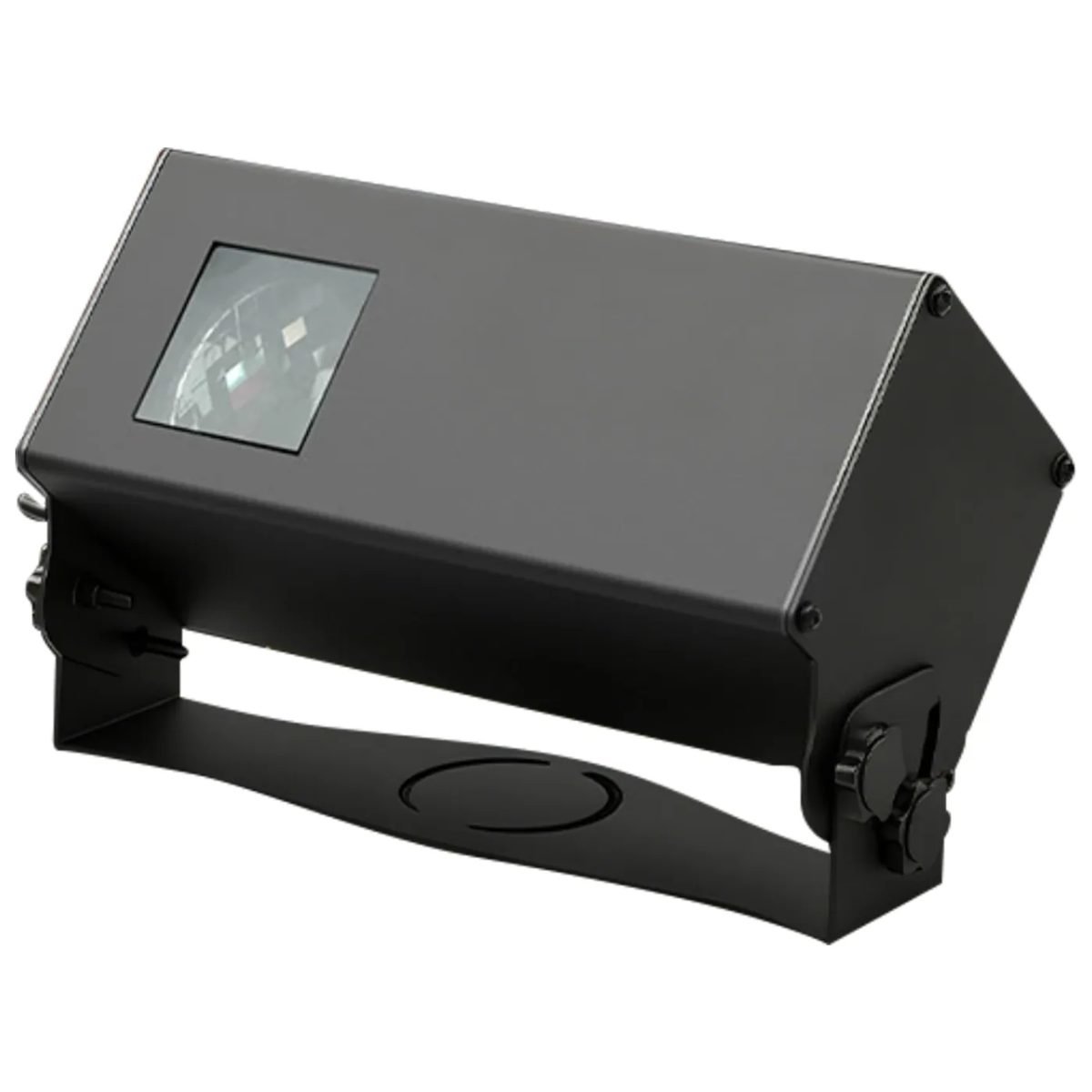
Examples of boundary questions:
- Is a point effect becoming hard to see under higher ambient light, or is the optical channel not operating?
- Is a remote outside its intended control path, or does it fail beside the unit?
- Is condensation being observed after a temperature transition, or is external water entering the housing?
- Is app pairing failing because the selected product configuration does not include the assumed platform?
- Is an effect sparse because throw distance changed, or because part of the optical system failed?
| Complaint wording | Boundary test |
|---|---|
| “Not bright enough” | Same unit, surface, distance, ambient condition and approved reference |
| “Remote is weak” | Defined position and control method with a known-good remote |
| “Outdoor unit has moisture” | External ingress inspection plus temperature and installation history |
| “App does not work” | Confirm exact app-enabled configuration and clean pairing flow |
The buyer's listing and manual matter here. A limitation becomes a defect expectation when marketing promises beyond the product's tested use. That is why unconditioned coverage, “works anywhere” app language and category-wide weather claims create returns even when the product matches its design.
I do not use “design limit” as a way to close a complaint. I show the approved condition, reproduce the behaviour inside and outside it, and correct the product, listing or model choice according to that evidence. If I cannot reproduce the boundary, the cause remains open.
Risk Disclosure
The factory cannot decide this distinction from a short video alone. Environmental records may be incomplete, the product may have been altered after return, and a known-good control may not be available. The honest outcome can be “cause not yet established.” That is more useful than forcing every case into supplier defect or customer misuse.
Why Should You Test the Adapter, Cable and Lamp Separately?
“The lamp does not turn on” describes the final symptom, not the failed item. Decorative projectors often depend on an external adapter and model-specific power input.
Separate the power source, cable, connector and projector body before assigning a no-power cause. Use a verified compatible setup and never substitute an adapter merely because the plug fits. Record the labels and result of each swap so the factory can reproduce the same path.
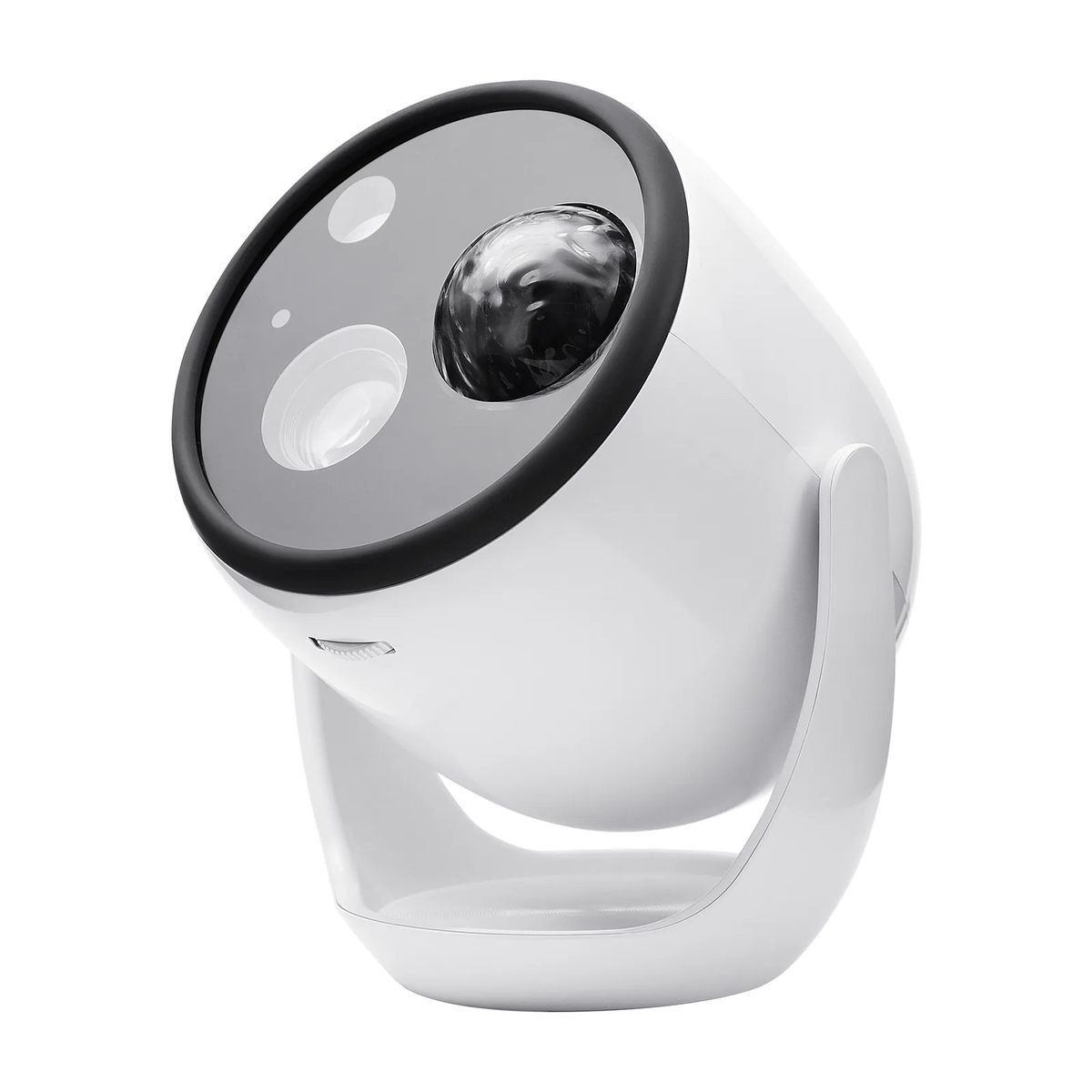
Our catalog keeps power input and power source by product because projectors do not all share one requirement. Some use external adapters; others use USB Type-C. A physically compatible connector does not prove electrical compatibility.6
Use a controlled swap matrix:
| Test | Suspect unit | Known-good unit | Interpretation boundary |
|---|---|---|---|
| Suspect adapter + suspect unit | Record baseline | — | Confirms the reported setup only |
| Known-good compatible adapter + suspect unit | Record | — | Helps isolate supplied power path |
| Suspect adapter + known-good compatible unit | — | Record | Use only when compatibility is verified |
| Local hardware control | Record | Record | Removes remote/app from first test |
Safety comes first. Do not ask end customers to open the housing or use unverified power equipment. The importer or qualified service team should perform the agreed tests.
A Return Investigation That Narrowed the Test Path
A seller reports a group of “no power” returns. I do not claim the adapter is the cause. I ask the team to group units by order and adapter identity, preserve the original setup, then test affected units with a known-good compatible setup. I also ask for one unaffected unit from the same product group so the comparison has a control.
The first useful result is not a guessed root cause. It is two narrower paths: units that change behaviour under a controlled power setup, and units that do not. The seller's return log now gives the factory a reproducible test instead of one broad “broken” code. That method fits the real product facts: power source and input differ by model, while roughly eight hours of factory aging still cannot explain what changed after release.
How Do You Build a Return Log the Factory Can Act On?
Most return exports are designed for refunds, not engineering. They preserve a reason code and lose the unit identity, test and environment.
Build a return log with one row per unit7 and controlled fields for product, order, traceability, symptom, time-to-symptom, power setup, control path, environment, carton condition, media and disposition. Use pivot views to find clusters without deleting the original observations.
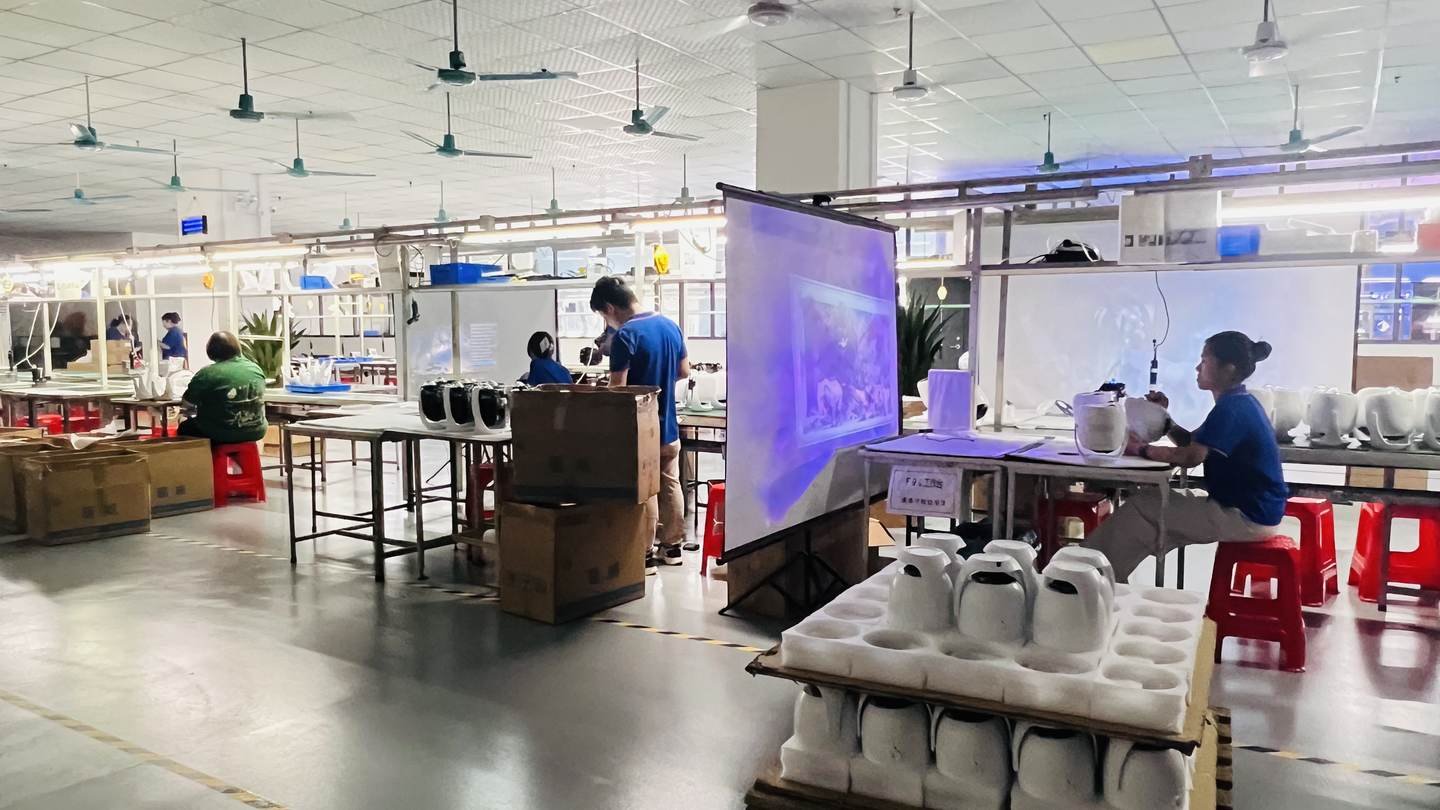
Recommended columns:
| Group | Fields |
|---|---|
| Identity | Buyer SKU, Bowlum SKU, order, carton, serial/label if available |
| Symptom | Controlled code plus customer wording |
| Timing | First use, after duration, intermittent or after event |
| Setup | Adapter/cable, controls, app or remote, settings |
| Environment | Indoor/outdoor, installation and relevant conditions |
| Evidence | Photos, continuous video and return receipt |
| Investigation | Reproduction result, control comparison and owner |
| Disposition | Pending, confirmed path, replaced, repaired or unresolved |
Keep customer wording alongside the controlled symptom code. “Looks weak” may map to “effect visible but below approved reference under matched condition.” The original phrase can contain clues; the controlled field enables grouping.
When I hand a return record to the factory team, I want them to know what to reproduce without calling the end customer again. I keep unknowns explicit because an open field directs the next test; a guessed cause sends production toward the wrong correction.
Use three views:
- Symptom × order to find lot clustering.
- Symptom × component or configuration to find shared boundaries.
- Symptom × environment or route to find installation and transport patterns.
Do not delete unresolved rows from the denominator or rewrite them as confirmed causes. A dashboard that looks clean by forcing certainty will send the factory toward the wrong corrective action.
A factory can act on an incomplete investigation if the unknown is explicit. It cannot act on a complete-looking return code that erased the evidence.
What Should Go Into the QC Checklist Before the Next Purchase Order?
The next-order checklist should be derived from validated failure modes and important product risks, not an ever-growing list of every complaint ever received.
Convert confirmed patterns into a targeted incoming or pre-shipment check with product identity, test condition, sampling or unit scope, pass/fail rule and evidence record. Keep factory release controls, shipment inspection and buyer receiving checks separate so each has a clear owner.
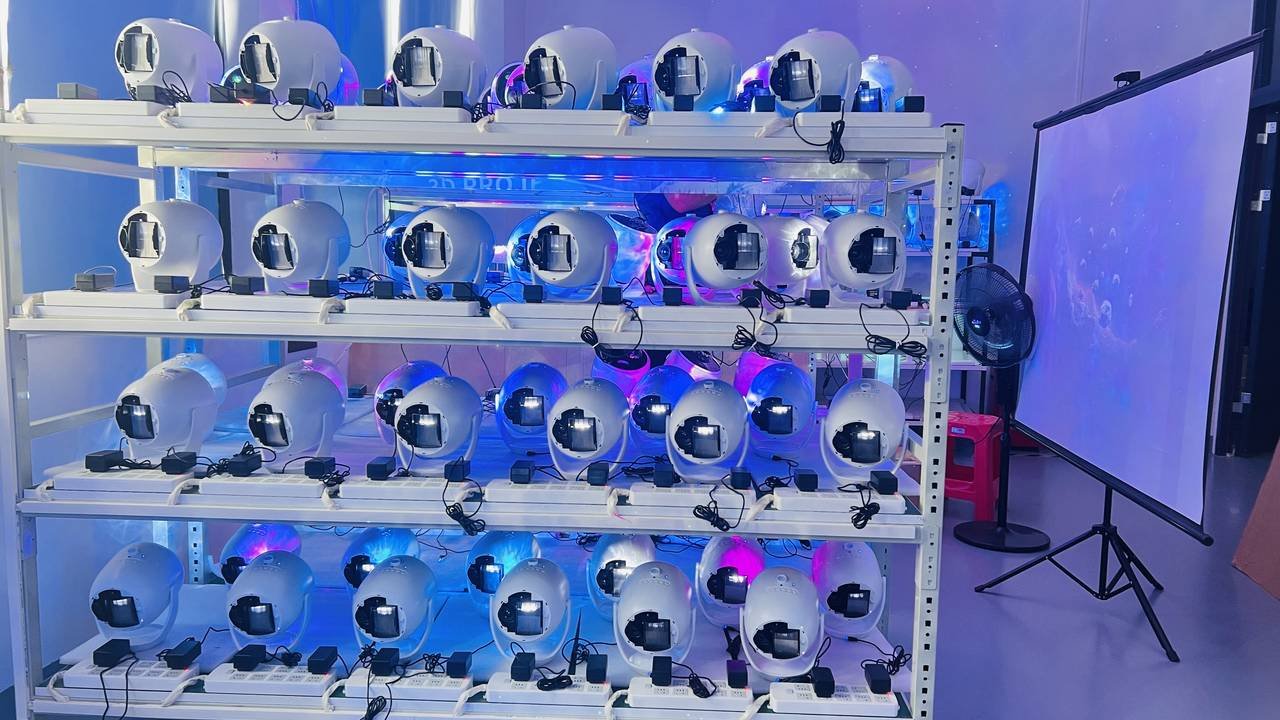
Structure the plan:
| Control point | Owner | Example purpose |
|---|---|---|
| Factory aging | Factory | Operate each unit before release under the factory process |
| Laser release requirement | Factory | Verify each applicable laser unit against the factory rule |
| Pre-shipment inspection | Buyer/factory/inspector as agreed | Check lot against approved sample and checklist |
| Receiving inspection | Buyer | Detect transport, carton or configuration issues |
| Return feedback | Buyer + factory | Feed validated patterns into the next control |
For every new clause, ask:
I only add a permanent QC item when I can name the failure model, test condition, owner and removal rule. I do not want a long checklist that proves everyone was cautious while hiding which control actually protects the next order.
- Which real failure model does this control address?
- Can the inspector reproduce the test?
- Does the test belong at factory, shipment or receiving?
- What evidence will prove it happened?
- When can the clause be removed or reduced?
That last question prevents a checklist from becoming a museum of old incidents. Controls should remain because the risk persists, not because nobody wants responsibility for deleting a line.
The best outcome of a return investigation is not “factory admitted fault” or “buyer used it wrong.” It is a smaller uncertainty and a control placed at the cheapest point where recurrence can be detected or prevented.8
Conclusion
A batch problem is a pattern, not a feeling created by several returns. Preserve identity, normalize the setup, separate power, effect and control paths, and compare affected units with known-good controls. Do not invent a normal failure rate or force an unresolved case into a neat cause. When the evidence is structured, the factory can change a component, process, packing method, listing or test. When the evidence is only “broken,” the next order begins with the same uncertainty.
My decision rule is to make every complaint answer one useful question, even when it cannot yet prove a cause. If the record does not narrow the next test, I improve the record before I argue about responsibility.
Frequently Asked Questions
How many failed units make a batch defect?
There is no universal count. A batch pattern requires a shared symptom and boundary, such as order, component, configuration or shipment identity, compared with unaffected units.
What should a projector return log include?
Include product and order identity, symptom, timing, power setup, controls, environment, carton condition, media, reproduction result and disposition for each unit.
Should I test the adapter separately from the projector?
Yes, using only a verified compatible setup. Record adapter labels and swap results so the power path can be separated from the lamp body.
What is the difference between a design limit and a defect?
A design limit is repeatable outside the approved use condition. A defect occurs when the product fails the agreed requirement inside that condition; both require a controlled reproduction.
Does factory aging mean field failures cannot happen?
No. Aging is a factory release control. Shipping, installation, accessories, environment and later use still require field evidence when a complaint occurs.
Can I use customer return reason codes for factory analysis?
Use them as a starting point, but preserve unit identity and observable evidence. Refund-oriented codes are usually too broad for root-cause work.
When should a return issue be added to the next QC checklist?
Add it after the failure mode or risk is defined well enough to create a repeatable test, owner, scope and pass/fail rule. Review later whether the control still needs to remain.
"A Methodology for Testing", https://nvlpubs.nist.gov/nistpubs/Legacy/IR/nbsir76-1157.pdf. Reliability engineering literature characterizes burn-in or aging tests as screening methods intended to expose some early-life failures before shipment. Evidence role: general_support; source type: research. Supports: Reliability literature should support the general use of burn-in or aging as a screening and release-control method for detecting some early-life failures.. Scope note: Such literature cannot verify this factory's stated eight-hour duration or prove that the process is applied to every unit. ↩
"QUALIFICATION TESTING", https://ntrs.nasa.gov/api/citations/19710019569/downloads/19710019569.pdf. Reliability testing is condition-specific: a pre-shipment aging test can reveal failures under its defined stresses but cannot by itself represent all transport, installation, and field-use environments. Evidence role: mechanism; source type: research. Supports: Reliability sources should explain that controlled pre-shipment screening samples only selected stresses and may not represent transport, installation, or later-use conditions.. Scope note: The source would support the limitation of aging tests in general, not the performance of this particular factory process. ↩
"2.1.1.4. Variability - Information Technology Laboratory", https://www.itl.nist.gov/div898/handbook/mpc/section1/mpc114.htm. Experimental-design principles support normalizing relevant test conditions and using comparison groups before attributing repeated observations to a shared source. Evidence role: general_support; source type: research. Supports: Experimental-design and reliability sources should support controlling relevant variables and comparing affected observations with appropriate controls before inferring a common cause.. Scope note: These principles do not establish a universal number of failures required to classify a manufacturing batch as defective. ↩
"Glossary - Information Technology Laboratory", https://www.itl.nist.gov/div898/handbook/glossary.htm. Statistical process-control guidance distinguishes evidence of an assignable cause from ordinary variation by examining structured patterns relative to an established process baseline rather than relying on a raw event count alone. Evidence role: expert_consensus; source type: government. Supports: Statistical process-control guidance should support distinguishing random variation from evidence of a special or assignable cause using patterns, baselines, and process context.. Scope note: Process-control methods require an appropriate baseline and may not directly translate to sparse field-return data. ↩
"ABC's of Conformity Assessment", https://nvlpubs.nist.gov/nistpubs/SpecialPublications/NIST.SP.2000-01.pdf. Conformity-assessment principles require products to be evaluated against their stated requirements and treat failure under an applicable specified condition as evidence requiring nonconformity review. Evidence role: expert_consensus; source type: institution. Supports: Quality-management and conformity-assessment sources should support investigating products that fail specified requirements under specified conditions.. Scope note: The applicable requirement may be contractual or product-specific, so general conformity guidance cannot determine the disposition of an individual return. ↩
"Draft Electromagnetic Compatibility Requirements Volume III", https://www.nist.gov/document/crt-emc-draft-tgdcpdf. Electrical-safety guidance explains that mechanical connector fit does not establish compatibility; voltage, current capability, polarity, and applicable device requirements must also correspond. Evidence role: mechanism; source type: government. Supports: Electrical-safety guidance should support checking electrical ratings and polarity in addition to connector fit when selecting a replacement power supply.. Scope note: The cited guidance would provide general electrical-safety support and would not determine compatibility for a specific projector model without its technical specifications. ↩
"Complaint Files", https://www.fda.gov/files/about%20fda/published/Complaint-Files---Printable-Slides.pdf. Complaint-handling guidance emphasizes retaining product identification, complaint details, investigation findings, and disposition records so recurring issues can be evaluated across individual cases. Evidence role: general_support; source type: government. Supports: Complaint-handling and quality-system guidance should support retaining identifiable product records, investigation details, and disposition information.. Scope note: Regulatory complaint-record requirements vary by product category and jurisdiction and may not prescribe the exact spreadsheet structure described here. ↩
"Risk Management Input Compiled 20170207.xlsx", https://www.nist.gov/document/8-9-risk-management-input-compiled-20170207pdf. Quality-improvement methods prioritize evidence-based cause analysis and corrective action, with controls designed to prevent recurrence or detect nonconformity at an effective stage of the process rather than merely assigning responsibility. Evidence role: expert_consensus; source type: research. Supports: Quality-improvement literature should support evidence-based root-cause analysis, corrective action, and prevention or detection controls located in the process where they are effective.. Scope note: The economically optimal control point depends on failure severity, process structure, detection capability, and implementation cost. ↩