
A brand can approve the sample, receive the shipment and build sales before learning that product quality was only one of the launch risks. When I review a product for a buyer, I now build two files beside the sample: one maps product identity to evidence, and the other records design origin, content rights and relevant patent questions. I do this before production because a working lamp cannot answer a document or rights complaint after the listing is interrupted.
A marketplace can request compliance evidence. A rights owner can submit a trademark, copyright or patent complaint through platform tools. Customs and market-surveillance authorities can act within their own legal scope. The problem is not that every complaint is correct or every document request ends a listing. The problem is that the seller must respond with product-specific evidence while the supplier relationship may still be built on brochures and verbal assurances.
Buyers inherit part of a supplier's evidence and design risk when they place a product on the market. Reduce interruption risk by mapping the exact product to required documents, asking who created and owns the design, checking relevant patents and licensed content, and requiring change control before production. None of those steps guarantees that a complaint will never occur.
This article is procurement guidance, not legal advice. Requirements differ by product, country, sales channel and claim. Use qualified compliance and intellectual-property professionals for the actual market decision. What the factory can do is make the product, evidence, design history and configuration easier to inspect before risk reaches the listing.
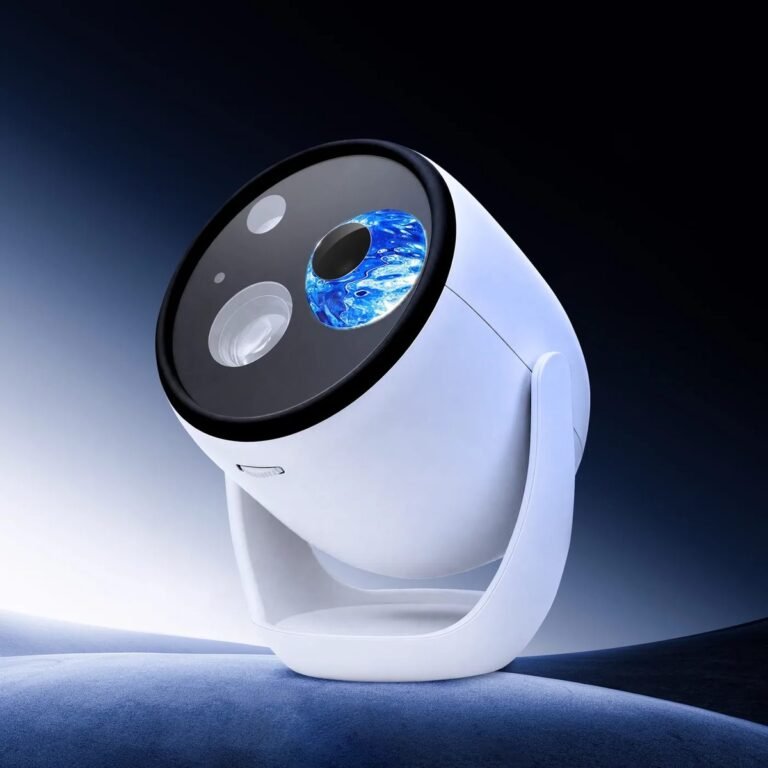
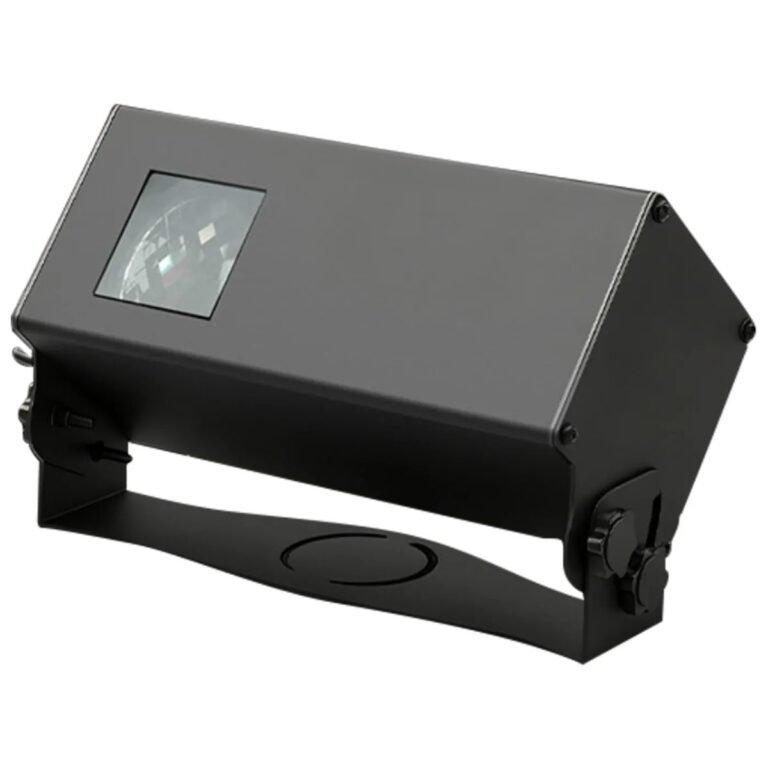
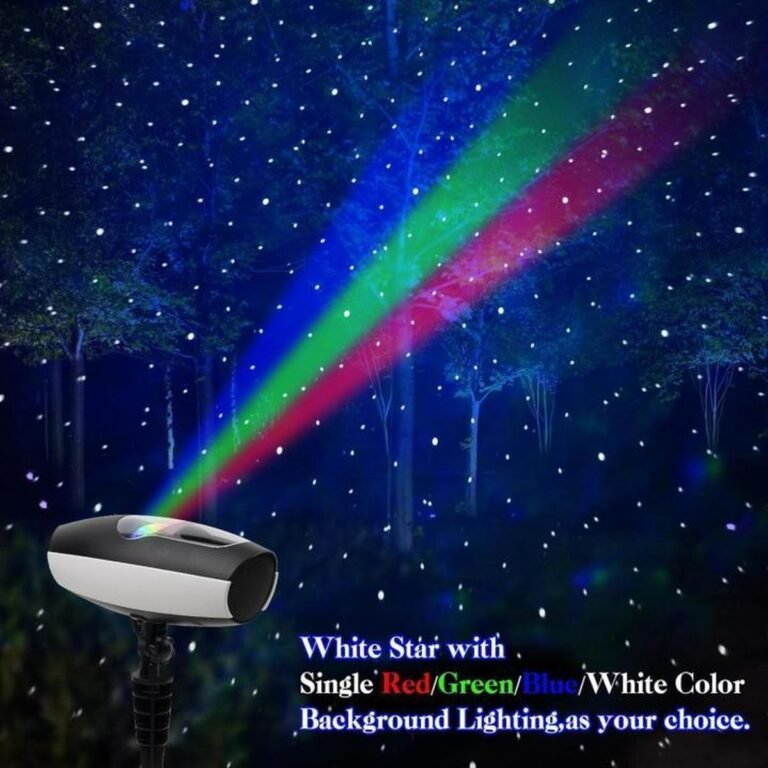
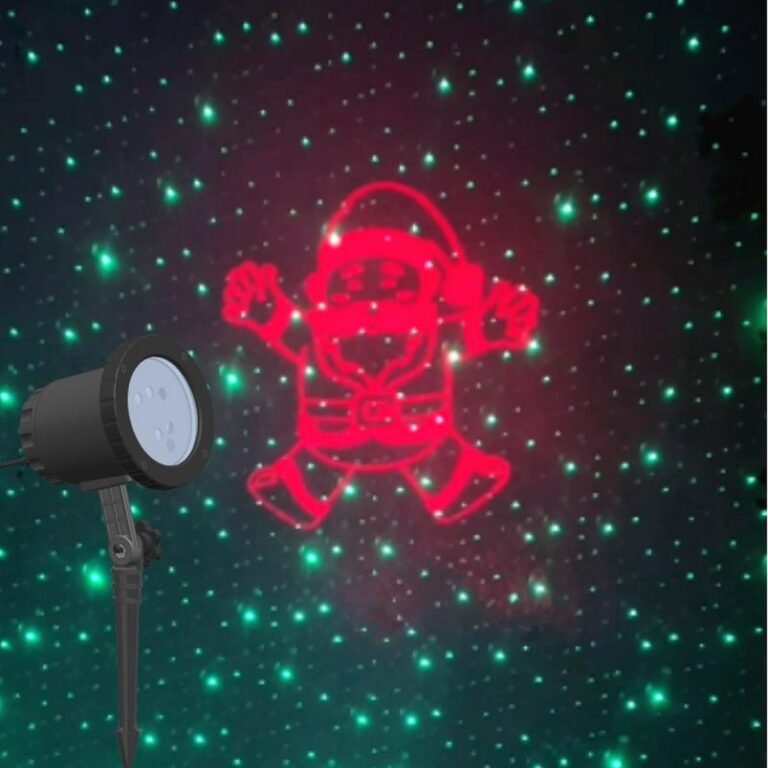
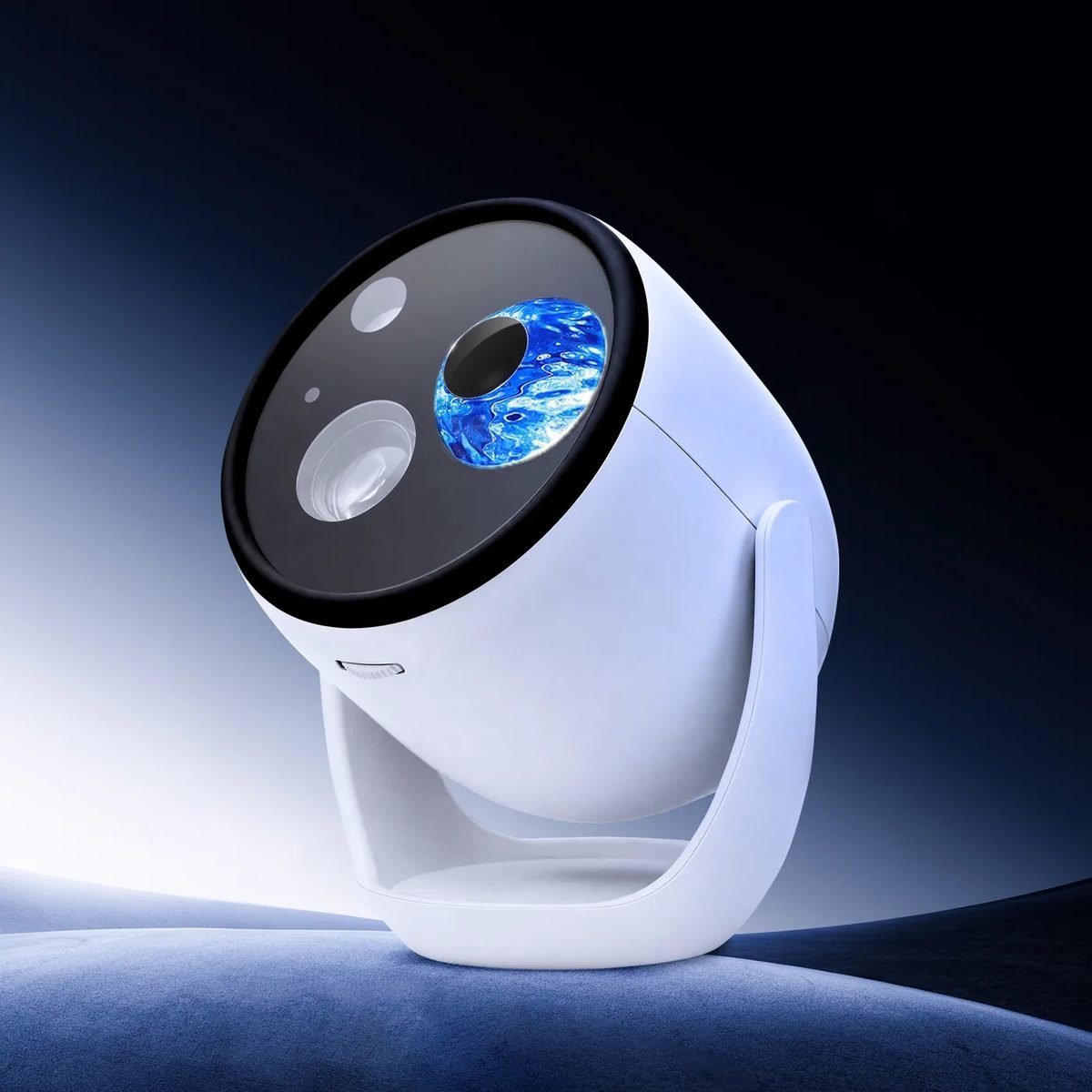
Start from the exact item in the product catalog, whether it is an indoor star projector or an outdoor projector, and build the evidence file around that identity.
Which Three Risks Can Interrupt a Projector Listing?
Sellers often group every removal under “compliance.” Separate the mechanism first because the evidence and response are different.
Three major interruption paths are product-compliance action, intellectual-property complaints and listing or product-identity mismatch. Authorities and platforms use different processes, but each can stop or restrict sales while the seller produces evidence or changes the offer. Product quality alone does not answer any of them.
| Risk path | Typical trigger | Evidence the buyer needs ready |
|---|---|---|
| Product compliance | Authority, marketplace, retailer or channel requests conformity evidence | Exact product mapping, technical documents, labels and responsible-party records as applicable |
| Intellectual property | Rights owner alleges patent, trademark, copyright or design-right infringement | Design history, patent or license review, artwork rights and supplier representations |
| Product/listing mismatch | Delivered configuration differs from page, label or approved evidence | Golden sample, configuration record, bill-of-material change control and receiving inspection |
Amazon's current official seller materials describe tools through which rights owners can report suspected copyright, trademark and patent infringement. EU product-compliance guidance also describes documentation duties and the ability of authorities to stop or remove non-compliant products from sale.1 Those mechanisms are enough to make pre-order evidence a commercial requirement, even though the facts and legal result of any individual case will differ.
Do not write an RFQ clause that says “supplier guarantees the listing will never be removed.” A supplier does not control platform policy, rights-owner action or the buyer's own listing. Write duties the supplier can perform: disclose design origin, provide specified evidence, notify changes, cooperate with legitimate requests, and preserve records.
I separate these three paths before I ask for documents. If I call every interruption “compliance,” I may collect a certificate when the real question concerns design rights, or inspect product quality when the listing and supplied configuration no longer match.
The buyer cannot outsource marketplace responsibility, but it can refuse to inherit undocumented product and design assumptions.
How Does Customs or Market-Surveillance Risk Differ From Platform Risk?
“Customs seizure” is often used as a dramatic catch-all. Border, market-surveillance and platform actions have different legal bases and evidence paths.
Customs authorities act at the border under applicable import and intellectual-property rules; market-surveillance authorities act on products made available in a market; platforms enforce their policies and respond to legal or rights-owner notices. A document accepted in one process may not close another. Define the destination and channel before collecting files.
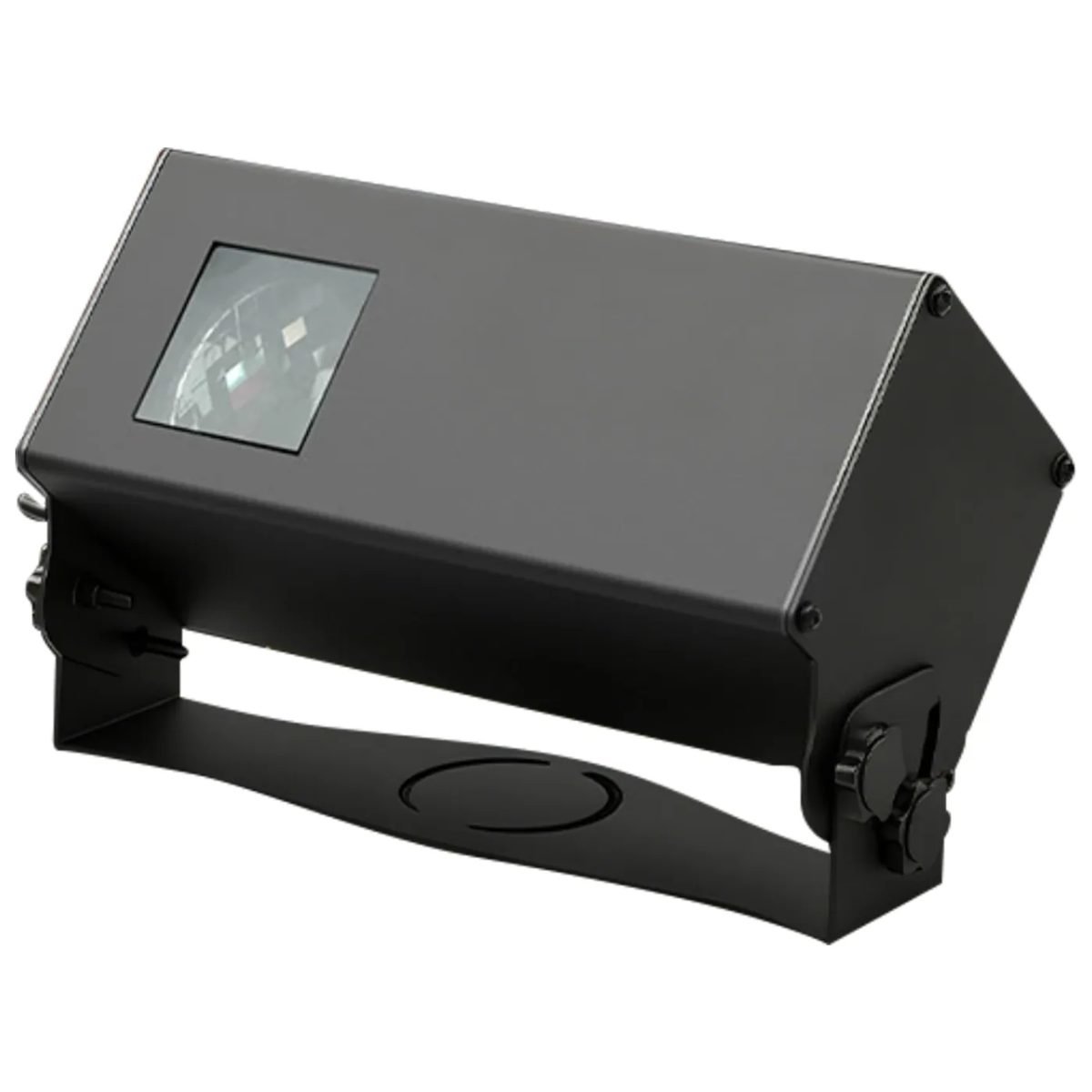
The buyer should maintain separate rows:
| Review area | Question | Supplier input |
|---|---|---|
| Import | What product, code, label and documents enter the destination? | Product identity, packing, labels and available evidence |
| Market placement | What conformity and responsible-party duties apply? | Technical product data and document cooperation |
| Marketplace | What evidence or declarations can the platform request? | Product-specific files and configuration mapping |
| Intellectual property | Does the design, content or branding create rights risk? | Design origin, patent information and licenses where applicable |
U.S. Customs and Border Protection, for example, describes border enforcement for recorded trademarks and copyrights and can detain or seize qualifying infringing goods.2 That is not the same as saying customs resolves every patent dispute at the border. Avoid expanding one authority's role into a universal warning.
EU guidance describes obligations for economic operators to provide product documentation and help authorities obtain conformity records. It also recognizes that authorities can order products stopped or removed from circulation. Again, the exact duty depends on product and role.
What to Put in the Purchase File
- buyer and supplier legal identities;
- exact product and sellable SKU mapping;
- destination and sales channel;
- label, manual and packaging version;
- evidence list with product scope;
- responsible-party and document owner as applicable;
- design-origin and IP-review status;
- change-notification clause;
- response contacts and record-retention location.
The file should exist before shipment. Rebuilding it after a request creates pressure to accept whatever document the supplier can find first, whether or not it maps to the product.
I want the buyer to be able to open one row and see the product, destination, evidence status and responsible owner. If I cannot connect a file to the exact sellable configuration, I keep it in the supplier capability folder rather than presenting it as product proof.
Why Can Marketplace Compliance Reviews Affect a Whole Product Category?
Sellers experience a review as a sudden listing event. The underlying trigger may be a policy change, a regulator concern, a rights-owner campaign or a category-level evidence request.
Marketplaces can request evidence or restrict offers at scale when a category, claim or policy concern is identified. The seller must still answer for the exact product. A supplier's general certificate list is weaker than a ready model map, current document pack and named owner who can respond.
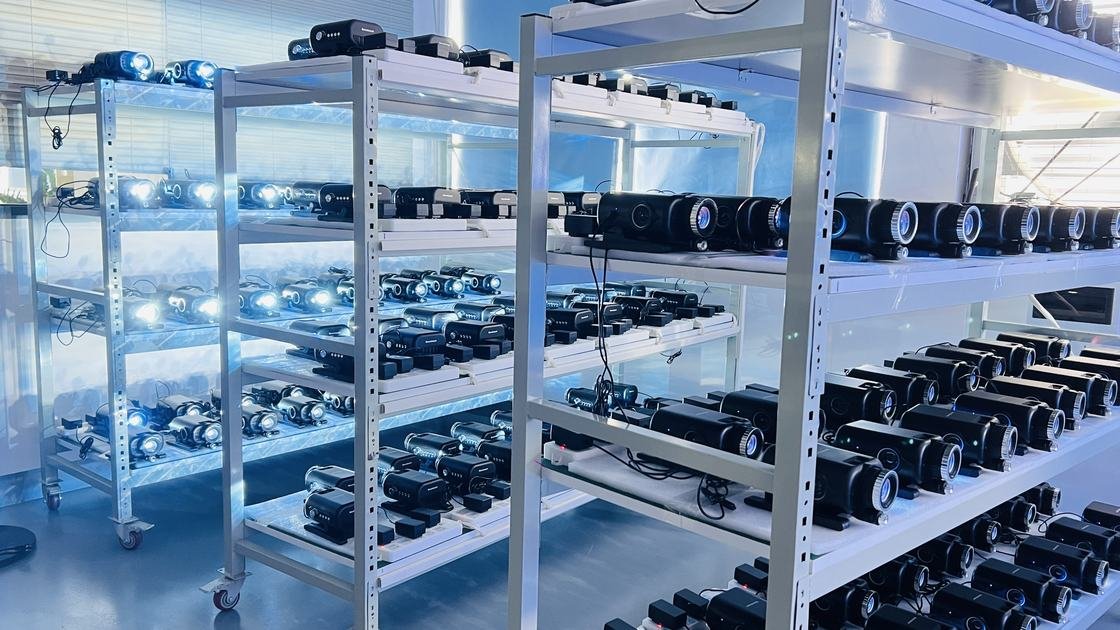
The buyer's preparation should separate company capability from product evidence.
| Supplier statement | What it helps establish | What it does not establish |
|---|---|---|
| Factory has long compliance experience | Ability to work through requests and audits | Evidence for the exact purchased SKU |
| Factory can arrange customer audit | System-level cooperation | Product conformity for one model |
| Factory has many patents | Design and R&D depth | Non-infringement of every product in every country |
| Product has a named report | Starting evidence | Applicability to the supplied configuration without mapping |
| Every unit receives factory controls | Production process | Marketplace acceptance of documentation |
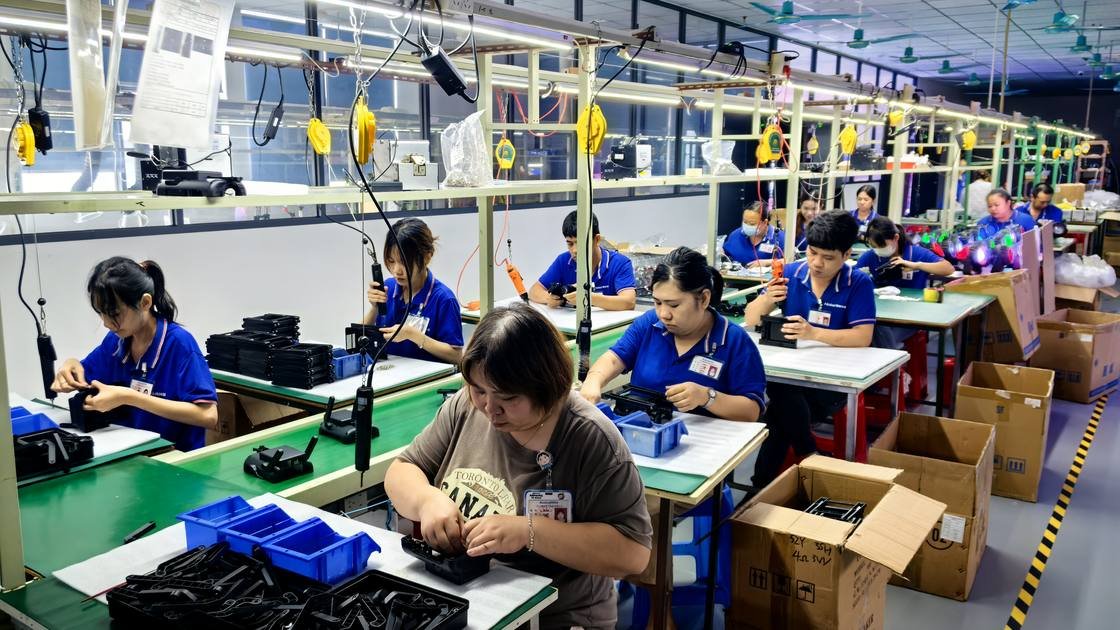
At Bowlum, we keep these states separate. The factory has extensive certification experience, and many large customers value that document depth because switching suppliers can reopen qualification work. The factory also applies roughly eight hours of aging to each unit and a Class 1 release requirement to laser products.3 Those are meaningful controls, but none allows us to make one universal certificate sentence across the catalog.
I use factory capability to judge whether our team can retrieve, map and maintain evidence. I still make the product row do the final work. A broad certificate list may start the review, but I do not let it replace the exact model and configuration the buyer will sell.
Prepare a Response Pack Before the Request
- Create one row per sellable SKU.
- List the exact model and selected configuration.
- Attach the evidence currently held.
- Mark reports that still require retrieval.
- Store packaging, manual and label versions.
- Name a factory and buyer owner for response.
- Re-review after any component, app, adapter or claim change.
This does not guarantee the platform accepts the first submission. It reduces preventable delay caused by searching for product identity after the listing has already been affected.
Why Is a Patent Complaint Different From a Product-Quality Complaint?
A product can work exactly as promised and still be challenged because of its design, mechanism, artwork, content or branding.
A patent or other IP complaint concerns rights, not whether the unit performs well.4 Quality inspection cannot clear it. Buyers need design-origin records, relevant patent or license review, supplier representations and a response path for the countries and platforms where the product will be sold.
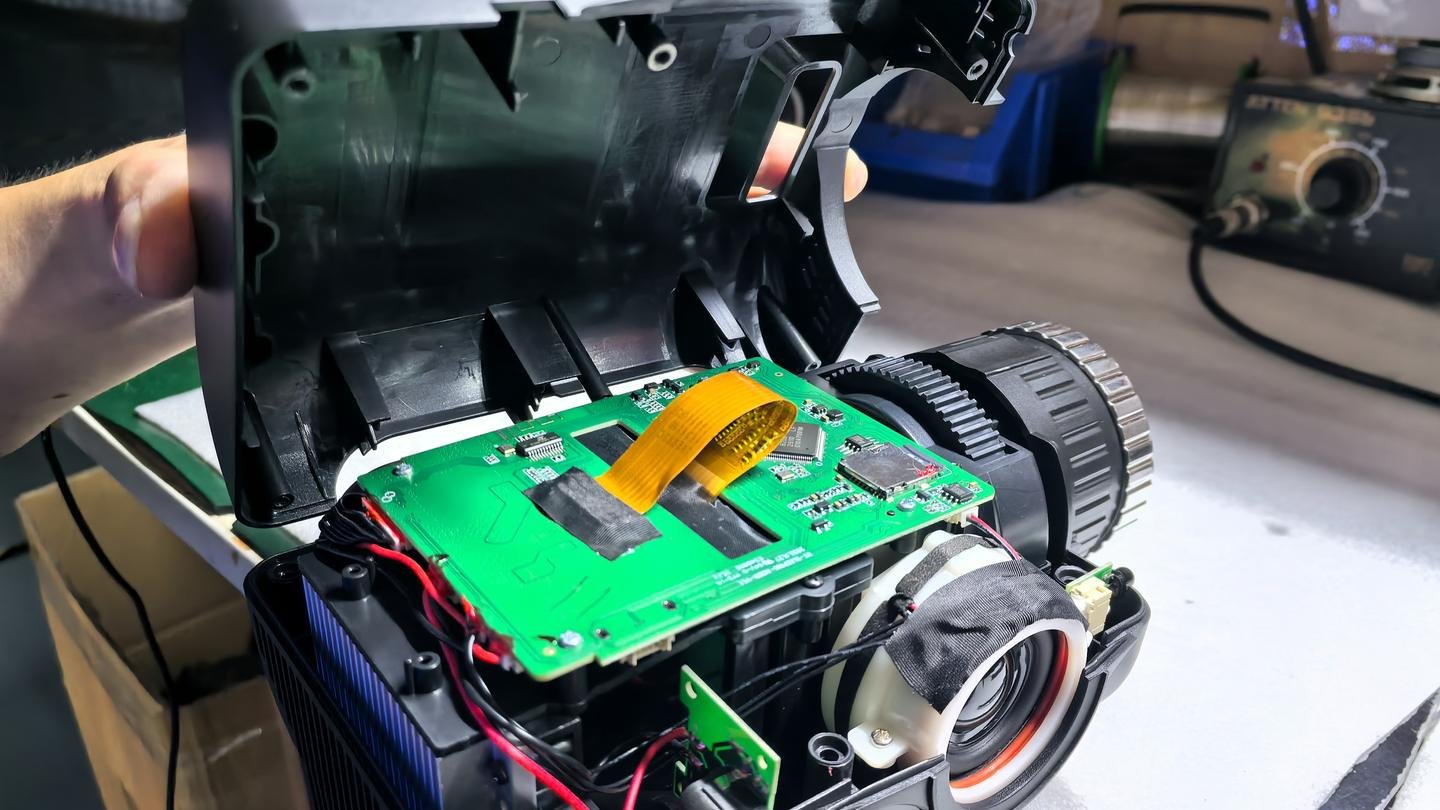
Separate the rights:
| Right or issue | What may be challenged | Procurement evidence to request |
|---|---|---|
| Patent | Functional invention or protected design, depending on jurisdiction | Relevant patent search and supplier design position |
| Trademark | Brand names, logos or confusing source identifiers | Brand authorization and artwork control |
| Copyright | Images, scenes, manuals, software or marketing content | Creation record, license or ownership |
| Design right | Product appearance or registered design | Design history and jurisdiction-specific review |
Amazon's official tools allow rights owners or agents to report suspected patent, trademark and copyright infringement, with processes depending on the right and store. That makes the buyer's first question broader than “Do you own patents?” It should be “What part of this product did you design, which rights are relevant, and what can you show?”
A Seller Review That Changed the Due-Diligence Question
A seller approaches us after receiving an IP complaint on another product. The first question is whether our design is our own. I do not answer with a guarantee of non-infringement. I ask which country, platform, product element and right are involved, then I show the offered product's design position, the factory's relevant patent information where available, and the limits of what has been reviewed.
The seller stops asking for a blanket guarantee and requests the product-relevant patent position, design origin and review boundary instead. Our factory's 200-plus patent portfolio gives that conversation a serious starting point, but it does not close the legal question. The next step remains product- and jurisdiction-specific review, with the portfolio treated as business-attested design depth rather than automatic clearance.
A patent portfolio is a reason to investigate a supplier's design depth. It is not a promise that no one can ever make a claim.
How Does a Supplier Patent Portfolio Reduce Risk Without Eliminating It?
Factories sometimes present a patent count as a wall of protection. Buyers need to know what the portfolio covers and whether it connects to the offered product.
A relevant patent portfolio can show that a supplier develops its own mechanisms and has records of design activity. It can reduce the chance that the product is an unexamined copy, but only product- and jurisdiction-specific review can assess a particular infringement risk. Ask for relevance, ownership and status—not only a total count.
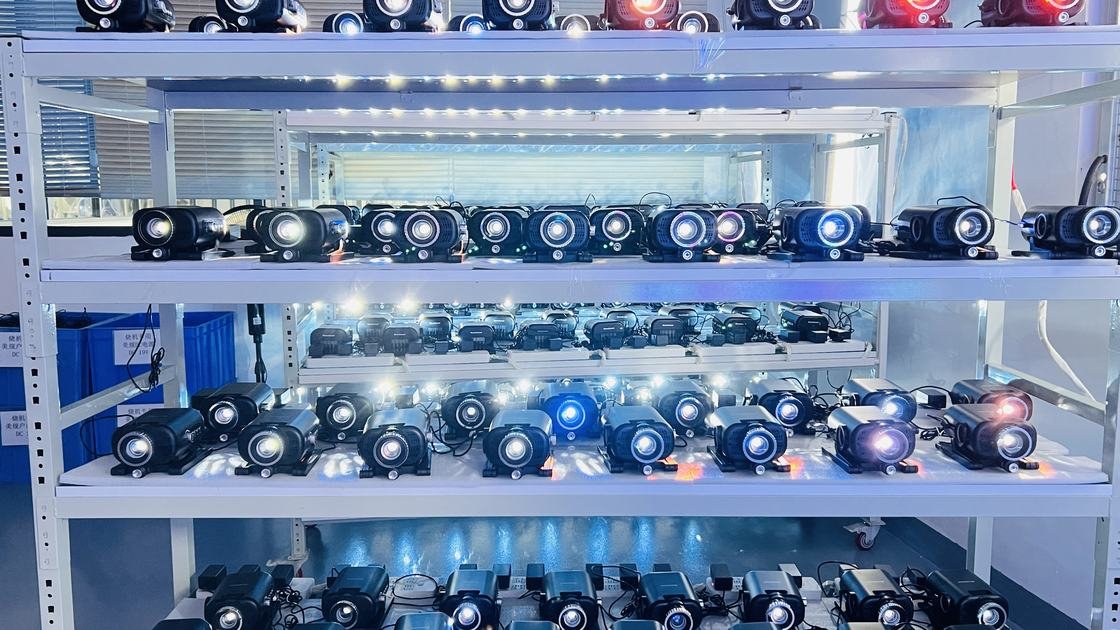
Use this due-diligence ladder:
| Supplier evidence | What it can indicate | Remaining question |
|---|---|---|
| Total patent count | Scale of recorded IP activity | Which rights are active and relevant? |
| Patent numbers and owners | Searchable legal records | Does ownership map to the supplier entity? |
| Product-to-patent map | Relationship to the offered design | Which claims or design elements matter? |
| Development drawings and history | Independent design process | Were third-party elements licensed or cleared? |
| Supplier warranty/indemnity clause | Commercial allocation of risk | Is it enforceable and sufficient for the buyer? |
The last row requires legal advice and contract judgment. A strong clause can still be limited by supplier resources, jurisdiction and factual scope.5 Do not treat contract language as proof of freedom to operate.
At Bowlum, the next evidence upgrade is clear: confirm which patent numbers can be published, provide a searchable list and connect relevant rights to product families. Until that work is done, we can state the factory-attested portfolio size with its evidence status, but we should not imply that every BWL SKU is covered by a particular patent.
I treat the patent count as a reason to open the evidence file, not as the conclusion of the review. I want relevance, ownership and status for the offered design before I use the portfolio to support a buyer's decision.
Why This Matters to Reorders
Large buyers often stay with a qualified supplier because switching reopens document review, product evidence, design history and platform files. That is a real switching cost. The buyer is not simply buying one projector; it is buying continuity of a defensible sales file.
What Should You Ask Before Placing the Order?
Generic questions invite generic answers: “Are you certified?” “Do you have patents?” “Can you guarantee no problem?” Turn each into a traceable request.
Before ordering, ask for the exact product-evidence map, design origin, relevant patent or license information, content and artwork rights, product-change history, factory controls and a written notification duty for future changes. Define who responds if a platform, authority or rights owner asks a question.

Use a decision-grade question table:
I ask these questions in writing because verbal confidence is difficult to audit after a team member, component or listing changes. If an answer is pending, I keep the purchase-file row open and name who must close it before production release.
| Ask | Weak answer | Stronger answer |
|---|---|---|
| Which documents apply to this SKU? | “We have all certificates.” | Model map, report IDs, scope and gaps |
| Who created the design? | “Our factory.” | Development history and relevant rights information |
| Does the content belong to you? | “It comes with the product.” | Ownership or license for scenes, images and software |
| Can components change? | “Same quality.” | Written change-notification and re-approval rule |
| What happens after a complaint? | “We solve it.” | Named owner, records and cooperation duties |
| Is the product guaranteed non-infringing? | “Yes, 100%.” | Qualified explanation plus legal-review boundary |
Purchase-Order Controls
- Freeze the sellable product and configuration.
- Attach the approved sample, label, manual and packaging version.
- Attach the product-evidence matrix.
- Record design-origin and IP-review status.
- Require disclosure of relevant third-party modules, content and licenses.
- Require written approval before material changes.
- Define document cooperation and record retention.
- Define the buyer's own legal and compliance review gate.
Any supplier who refuses to name the product, evidence and design source is leaving the buyer with an unbounded risk. A supplier who names the limits is giving the buyer something a lawyer or compliance reviewer can actually evaluate.
Why Do Large Buyers Stop Switching Suppliers After Qualification?
Price comparisons treat suppliers as interchangeable. Qualification creates an evidence and operational history that has to be rebuilt when the source changes.
Large buyers stay with qualified suppliers because switching can reopen product testing, documentation, audits, patent and design review, packaging approval, platform files and change-control trust.6 Certification depth and an owned design portfolio become commercial continuity, not decorative badges.
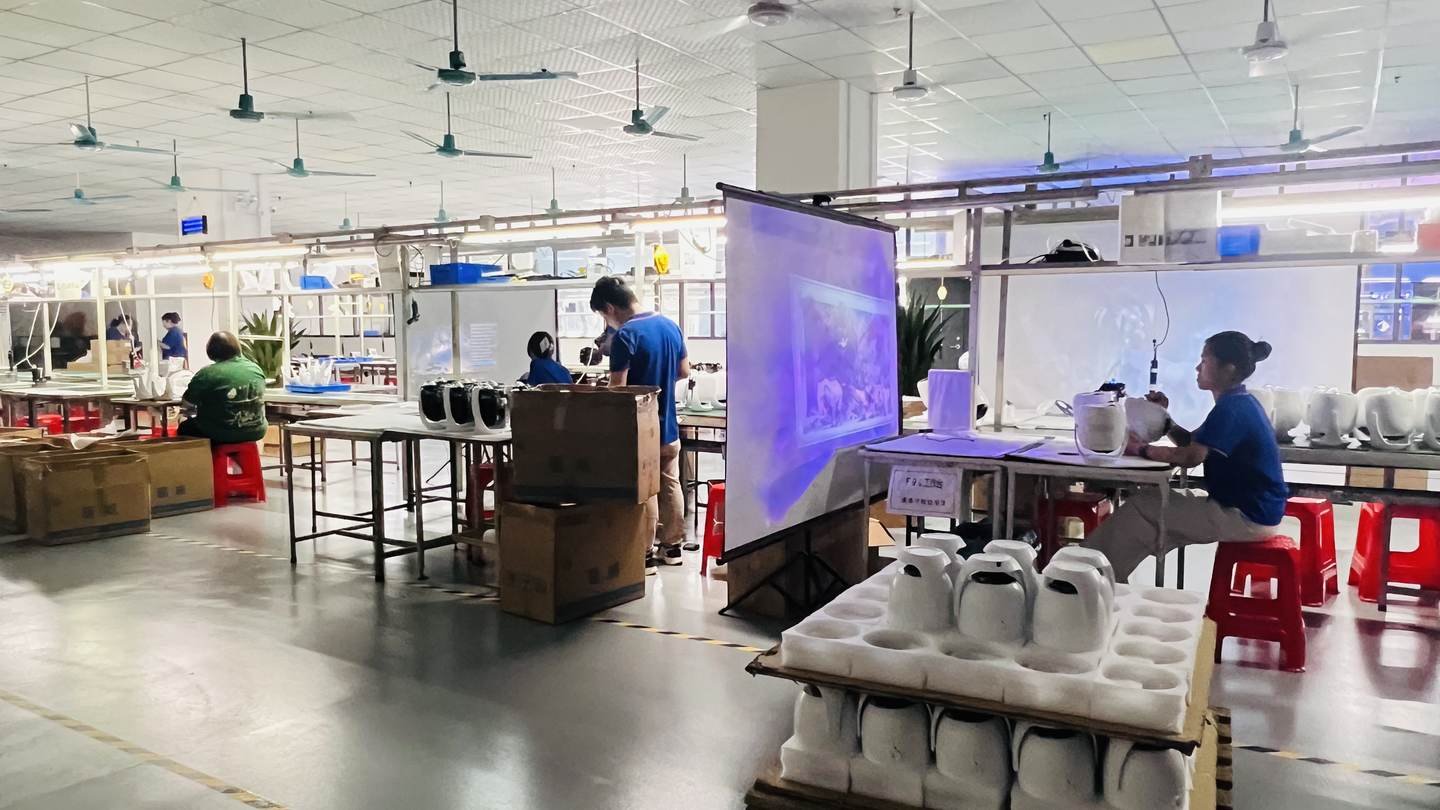
Our factory has told us that comprehensive certification capability is one reason large customers find it difficult to replace the source. Those customers are not searching by certificate name at the discovery stage. They value the evidence later because it reduces the chance that their sales process is interrupted.
I read that factory statement as an aggregate commercial insight, not as permission to invent a named customer story. It tells me why the document system matters: once a buyer has connected tests, packaging, design history and change control to one supplier, switching means rebuilding the chain.
| Qualification asset | What switching reopens |
|---|---|
| Product evidence map | Model and document applicability review |
| Approved sample | Effect, components and configuration acceptance |
| Factory audit history | System and customer requirement review |
| Patent/design file | Design-origin and legal-risk assessment |
| Change-control record | Trust that reorders match earlier approval |
| Field feedback history | Knowledge of real installation and return patterns |
This is not an argument against switching. A buyer should switch when performance, evidence, cooperation or commercial fit fails. It is an argument for measuring the full cost: replacing a supplier means rebuilding a defensible product file, not only approving another sample.
Risk Disclosure: Evidence Reduces Probability, Not Uncertainty to Zero
Certifications can be scoped incorrectly. Patents can be irrelevant, expired or challenged. Platforms can change policy. A supplier can change components without enough notice. Buyer artwork can introduce new rights risk. No portfolio or factory process eliminates those possibilities.
The practical goal is lower, and more useful: make the product and design history traceable, close known gaps before release, and know who can respond when the unexpected request arrives.
Conclusion
The real supplier question is no longer “Can this factory make the projector?” It is “Can this product keep moving through import, platform, retail and reorder without relying on invisible assumptions?” Build the product-evidence map, inspect design origin, ask for relevant patents and licenses, control changes and keep professional review in the loop. Bowlum's certification experience and 200-plus patent portfolio are meaningful because they can support that continuity—not because a badge count or patent count can guarantee that a listing will never be challenged.
My decision rule is to reject any guarantee that cannot name its product, market, evidence and owner. I trust a supplier more when it shows me the boundary of a document or patent position than when it promises that no interruption can ever happen.
Frequently Asked Questions
Can a marketplace remove a listing after the product is already selling?
Yes. Platforms can restrict offers or request evidence under their policies, and rights owners can submit IP complaints through available tools. The facts and response process depend on the case.
Does a supplier patent portfolio guarantee no infringement?
No. A relevant portfolio can show design depth and reduce copying risk, but it cannot guarantee freedom to operate for every product, country or legal claim.
What patent information should I ask a projector supplier for?
Ask for relevant patent numbers, owners, status and the connection to the offered product. Use qualified counsel to assess the actual risk in your markets.
Are factory audits the same as product certifications?
No. Factory audits review company systems or facilities, while product evidence addresses claims and scope for a product. Keep them in separate rows.
What should be in a product compliance response pack?
Include exact SKU mapping, configuration, reports held, open retrieval items, labels, manual, packaging, responsible owners and change history.
Can a good-quality projector still face an IP complaint?
Yes. Intellectual-property disputes concern rights in design, branding, content or technology, not whether the physical product performs well.
Why do large buyers avoid changing qualified suppliers?
Switching can reopen documents, audits, samples, design review, platform files, packaging and change-control trust. The qualification history has real operational value.
"Product compliance - ensure your product complies with EU ...", https://europa.eu/youreurope/business/product-requirements/compliance/index_en.htm. European Union product-compliance guidance requires relevant economic operators to maintain or provide conformity information and permits market-surveillance authorities to take measures against non-compliant products, including restricting their availability. Evidence role: general_support; source type: government. Supports: European Union guidance on economic operators' documentation obligations and market-surveillance measures concerning non-compliant products.. Scope note: The precise documentation duty and enforcement measure vary by product category, regulation, operator role, and Member State procedure. ↩
"Home - U.S. Customs and Border Protection", https://iprr.cbp.gov/s/. U.S. Customs and Border Protection explains that it may detain, seize, or otherwise take enforcement action against imported goods suspected of infringing eligible recorded trademarks or copyrights. Evidence role: case_reference; source type: government. Supports: CBP materials describing enforcement actions involving recorded trademarks and copyrights at the U.S. border.. Scope note: This support concerns U.S. border measures for specified intellectual-property rights and does not establish equivalent treatment for patents or other jurisdictions. ↩
"Conformance with IEC 60825-1 Ed. 3 and IEC 60601-2-22 Ed. 3.1 (Laser ...", https://www.fda.gov/regulatory-information/search-fda-guidance-documents/laser-products-conformance-iec-60825-1-ed-3-and-iec-60601-2-22-ed-31-laser-notice-no-56. Laser-safety guidance defines Class 1 as a classification for products whose accessible emissions remain within specified exposure limits under the applicable standard. Evidence role: definition; source type: government. Supports: Government or standards-based explanations of the meaning and safety conditions of Class 1 laser products.. Scope note: Such guidance can explain the Class 1 classification but cannot independently verify the factory's claimed eight-hour aging process or its release controls. ↩
"Intellectual Property Enforcement", https://www.wipo.int/en/web/ip-enforcement. Intellectual-property infringement is assessed by reference to the scope and unauthorized use of a protected right, rather than by whether the accused product satisfies ordinary quality or performance expectations. Evidence role: definition; source type: institution. Supports: Definitions of intellectual-property rights and infringement as unauthorized use of protected subject matter.. Scope note: The precise infringement test differs among patents, trademarks, copyrights, design rights, and national legal systems. ↩
"Insolvency Arrangements and Contract Enforceability", https://www.imf.org/external/np/g10/2002/pdf/120502.pdf. Contract scholarship recognizes that an indemnity allocates financial responsibility between parties but does not itself ensure recovery where enforcement, jurisdiction, factual scope, or the indemnifying party's financial capacity is limited. Evidence role: mechanism; source type: paper. Supports: Contract-law analysis of indemnity limitations, cross-border enforcement, jurisdiction, and counterparty credit risk.. Scope note: The effect of a particular warranty or indemnity depends on its wording, governing law, forum, and the parties' circumstances. ↩
"Landing Optical Circuit Switching at Datacenter Scale", https://arxiv.org/pdf/2208.10041. Supply-chain and transaction-cost research identifies supplier switching as a source of recurring qualification, coordination, information-transfer, and relationship-rebuilding costs. Evidence role: general_support; source type: paper. Supports: Research on transaction costs, supplier switching costs, and the operational costs of requalifying suppliers.. Scope note: The research supports the general mechanism but does not establish that every large buyer will incur each listed projector-specific review cost. ↩