
A projector specification sheet can look finished because every row contains a value. That visual completeness is often misleading. One field may have been confirmed for the exact current configuration, another may have come from a catalog, another may describe a real measurement whose conditions were lost, and another may have been copied from a similar product simply because the table looked unfinished.
When I read a supplier spec sheet, I label the evidence state before I judge whether the value sounds reasonable. I want to know what the field is allowed to prove. A neat number with the wrong status is more dangerous than an honest blank.
Read every decision-relevant projector specification in two parts: the value and its evidence state. Use at least four states—confirmed for the exact model/configuration, listed in a controlled source, conditional on missing test or rating context, and pending or unknown. Never let formatting turn one state into another.
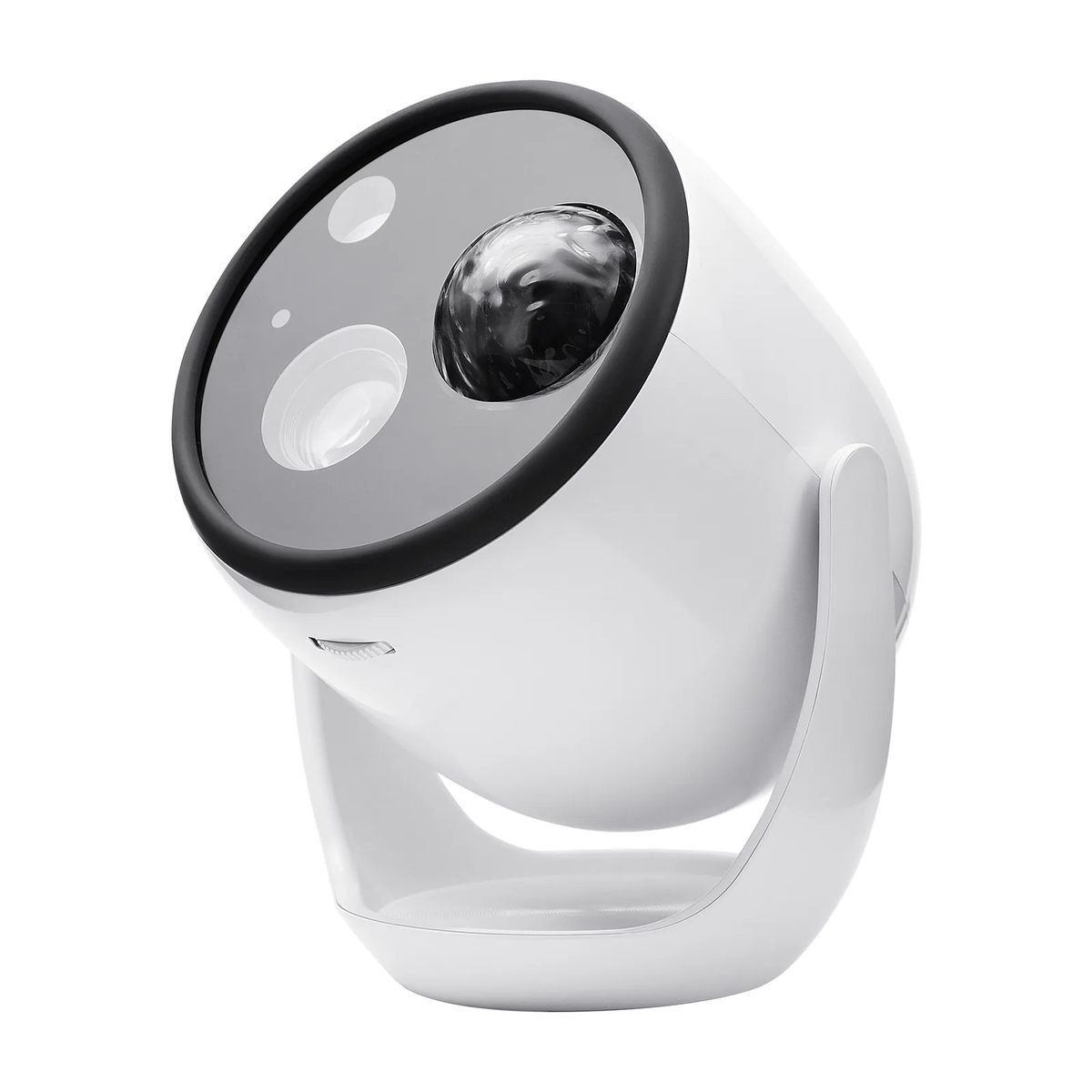
Below, I show how to build that status layer, apply it to exact projector configurations and carry it into sample approval. This is a buyer-verification method, not a promise that every available field has already reached the strongest evidence state.
What Does a Projector Spec Sheet Field Actually Prove?
Buyers often treat the existence of a value as proof. But a value can exist in a sales message, a catalog, a quotation, a product record or a test file, and those sources do not carry the same meaning.
A spec-sheet field proves only what its source, product identity, conditions and scope support. The value itself does not reveal whether it applies to the exact model, current variant or shipment version. Read the evidence state first, then decide whether the field is suitable for comparison, sample approval or a contractual requirement.
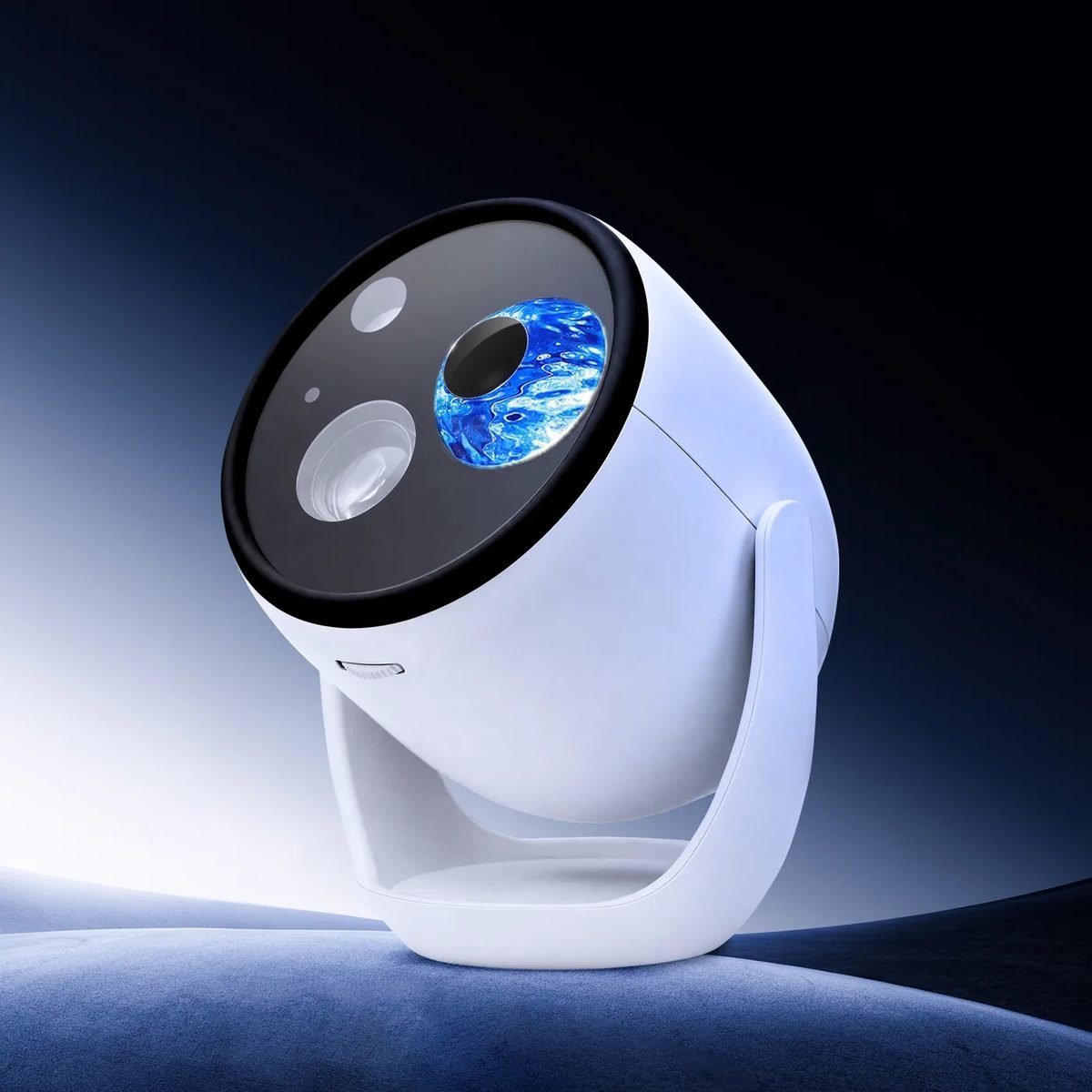
One Field Can Serve Different Decisions
A product-family catalog can be useful for shortlisting. It may show that a model offers remote control, a certain power arrangement or a particular visual format. The same source may be insufficient for a high-risk claim or shipment acceptance limit.
I separate three buyer decisions:
- Can I shortlist this product? A controlled catalog or published product record may be enough for ordinary fields.
- Can I approve this sample? The exact unit, configuration and repeatable behaviour need to match the field.
- Can I repeat this claim in my listing, packaging or compliance file? The evidence must support the exact statement, scope and destination use.
The stronger commercial consequence requires the stronger mapping. A field does not become stronger because it is reused in more documents.
| Field presentation | What it may prove | What it does not prove automatically |
|---|---|---|
| Product catalog row | The supplier listed a value for a named product record | Current-version confirmation or repeatable performance |
| Quotation row | The supplier offered a value in a commercial configuration | That the sample and bulk goods match it |
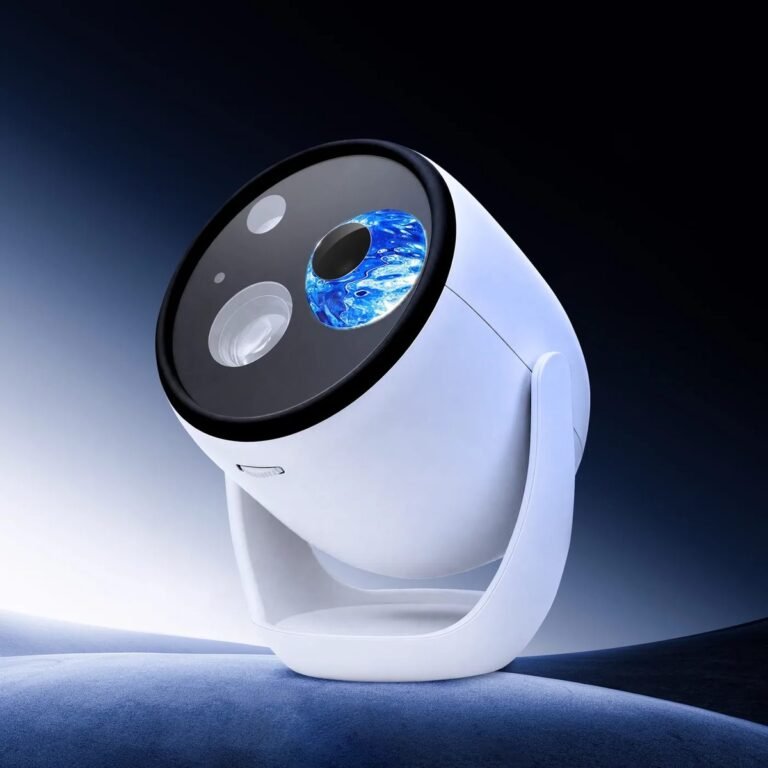
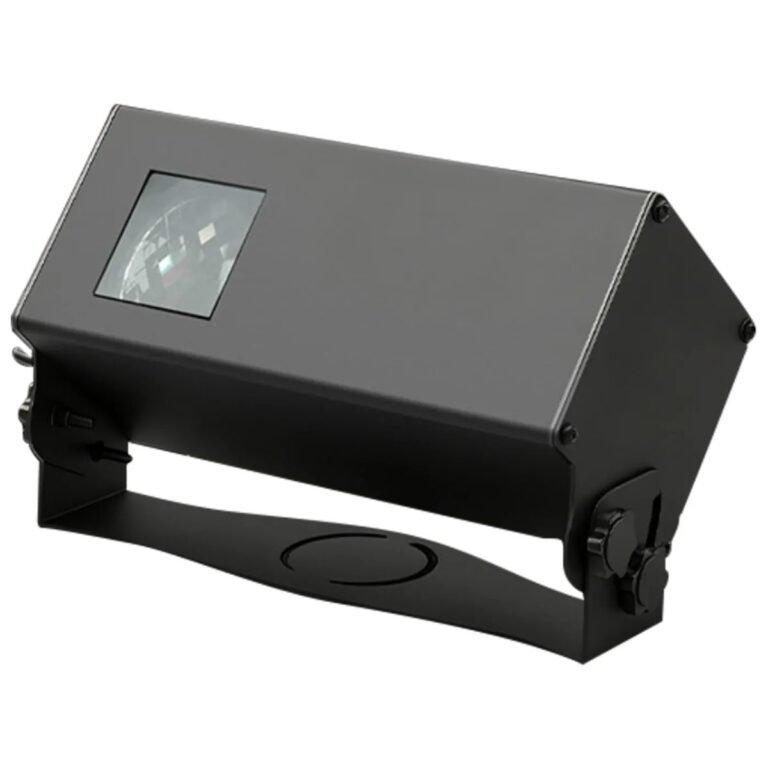
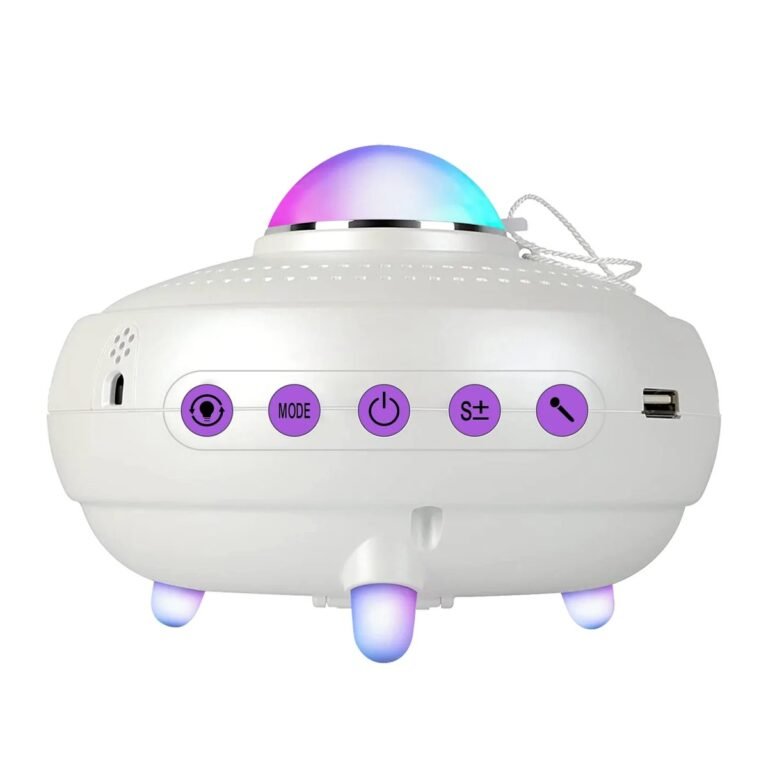
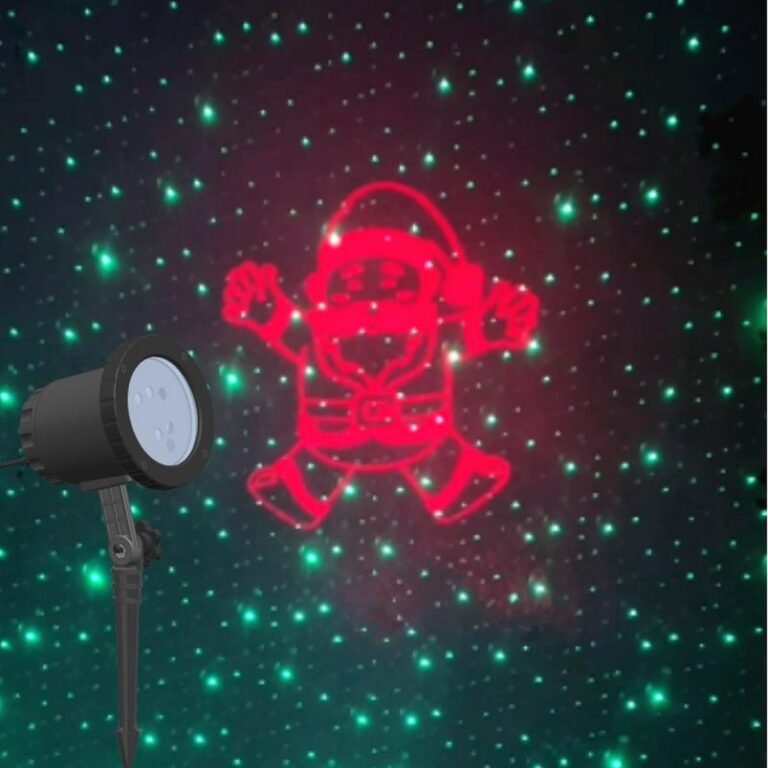
| Product image | Appearance of the pictured product | Power, optical performance, ingress or document scope |
| Test photo | A visible test activity occurred | Conditions, result, sample identity or batch-wide outcome |
| Report or declaration | What the document states for its named scope | Coverage of an unlisted variant or changed configuration |
| Blank field | The value is not currently established in that record | Product failure or supplier dishonesty |
Start with Product Identity
Before reading power, coverage, content count, ingress or laser language, ask which exact public SKU and variant the row describes. The Bowlum product catalog uses public SKUs so the product page and buyer discussion can point to the same visible identity. Internal purchasing codes do not belong in the public article or buyer-facing URL.
I will not let a category name such as “outdoor firefly projector” supply a missing field for every product in that category. Similarity tells me where to look next. It does not provide evidence.
A specification without exact product identity is not a weak answer. It is an answer to an unknown product.
Which Evidence States Should Appear on a Buyer-Ready Spec Sheet?
The usual spec sheet gives buyers columns for values but no column for confidence or proof. Adding one status column changes the conversation immediately.
Use four visible evidence states: model-confirmed, source-listed, conditional and pending/unknown. Define each state in writing, attach it to the field rather than the whole product, and prevent sales or editorial teams from upgrading the state without new evidence.
The Four-State Model
| Evidence state | Buyer meaning | Suitable use | Stop condition |
|---|---|---|---|
| Model-confirmed | The exact current model/configuration has a written or repeatable basis for the field | Sample approval or order requirement within that scope | Model, version, method or file scope cannot be mapped |
| Source-listed | A controlled catalog, quotation or product source explicitly lists the value | Shortlisting and a request for deeper confirmation | The website or sales message is the only source |
| Conditional | The value has a basis, but critical test, rating or use conditions are missing or not attached | Directional comparison with an explicit caveat | Buyer tries to use it as a pass/fail limit |
| Pending / unknown | The exact value is not established in the current record | Retrieval, test or clarification task | Someone fills it from memory, a similar SKU or an industry average |
These states are field-level, not product-level. A single projector can have a source-listed power input, a model-confirmed packing configuration, a conditional projection-area range and a pending document field at the same time.
Do Not Collapse “Listed” into “Confirmed”
The word “official” causes trouble here. A catalog may be an official supplier asset, yet a field can still lack current-version confirmation or repeatable measurement conditions. The catalog is evidence that the value was listed. It is not automatically evidence of every later interpretation.
When I use a catalog value, I preserve its source status. If the buyer needs a stronger decision, I assign the next action: map it to the exact sample, obtain the current file, repeat the measurement or leave it pending.
Make Status Changes Traceable
Every upgrade should answer three questions:
- What new evidence arrived?
- Which exact product/configuration does it cover?
- Which field changed state, and who reviewed it?
Without that trail, “confirmed” becomes a sales adjective rather than an evidence state.
How Does Exact Model and Version Identity Change the Meaning of a Specification?
Decorative projectors often share housings, visual language and option lists. That makes them efficient to present and easy to confuse.
Treat each model and sellable variant as independent until a controlled relationship proves that a field is shared. A common housing, product family or supplier prefix cannot transfer power, controls, content, packing, ingress, laser or document claims from one configuration to another.

Configuration Is More Than the Housing
Take three public Bowlum identities as an example:
- BWL-3D-001 is a 3D galaxy projector with recorded variants and its own power, content and packing fields.
- BWL-SP-001 is a zodiac and aurora product with a different control, audio, power and packing arrangement. Its current public product data leaves projection distance and area blank.
- BWL-OL-001 is an outdoor firefly projector with its own housing, mounting, cable, power, packing and product-level ingress record. Its coverage range carries a different evidence problem: the original measurement conditions were not retained with the number.
The point is not to compare which product is “better.” It is to show why a complete field in one row cannot repair an incomplete field in another.
A Verified Editorial Review: The Error Did Not Begin on the Production Line
We once reviewed a Bowlum sourcing article line by line against the controlled product records. The physical products had not changed. The errors sat in the content layer.
One description had allowed a performance range associated with the outdoor line to influence an indoor product sentence. Another statement expanded a model-level technical line into language that sounded true for an entire category. Each sentence looked plausible because the numbers and terms existed somewhere nearby.
My part in the correction was mechanical. I placed each measurable sentence beside the exact product record, source and scope. If I could not keep all three aligned, I held the sentence. I did not replace it with what “these products usually use.”
The buyer lesson is more useful than the confession: a supplier can manufacture the correct product while its website creates the wrong specification through copying, summarizing or editorial smoothing. That is why the buyer must verify the product and the description as separate layers.
Industry knowledge helps me find the suspicious field. It never supplies the missing value for a specific product.
Which Projector Fields Need the Strongest Evidence Review?
Not every field carries equal risk. Colour and connector form are visible. Performance, safety and document claims often survive as text long after their original qualifiers disappear.
Prioritize fields that affect buyer promises, installation, product selection or destination-market risk: projection distance and area, power or output language, control/content configuration, ingress statements, laser language and document scope. Review these fields by exact product and evidence state before copying them into packaging, listings or purchase orders.

Performance Ranges
A projection-area range can come from real field work and still be unsuitable as an acceptance limit when the original surface, distance, ambient light or observation rule is missing. That is a conditional field, not necessarily a false field.
I ask four questions:
- Which exact product and mode produced the result?
- At what distance and projection direction?
- On what surface and under what ambient light?
- How was the usable boundary defined?
If the source retained the range but not those conditions, I label it conditional. I do not call it measured in a repeatable sense, and I do not call it invented.
Power, Light Source and Output
Input power, adapter rating, LED component labels and optical output are different quantities. A supplier can write an accurate number beside an ambiguous label and still mislead a buyer.
The status field should not be “confirmed: 10 W.” It should name what is confirmed: product input, adapter output, component rating or measured optical quantity. If the technical label is unclear, the value remains pending even when the number itself appears in a source.
Controls and Content
Remote, button, app, audio and scene-content options can change without changing the basic product name. A buyer should record which control path and content set belongs to the approved variant.
For products in the star and galaxy projector range, this may include remote functions, Bluetooth or USB audio, scene content and power arrangement. A field that says “app control” without naming the actual version, onboarding path and supported behaviour is not yet buyer-ready.
Ingress, Laser and Documents
These fields tempt writers to use category-wide language. Resist it. A product-level ingress statement does not define every outdoor model. A laser or document statement must remain attached to the exact product and evidence scope that supports it.
| Weak field | Better field structure |
|---|---|
| Waterproof outdoor series | Exact SKU + stated ingress value + source status + installation limits still to confirm |
| Laser projector | Exact SKU/version + technical field + evidence status + document/test mapping |
| Certified | Exact document type + product/configuration + destination relevance + current review status |
| Covers a large area | Exact mode + range + measurement conditions or conditional label |
How Should Buyers Handle Measured Values When the Conditions Are Missing?
The most difficult fields are not obviously wrong. They are numbers with a credible history but no reproducible context.
Keep an unconditioned measured or estimated value as conditional evidence. Preserve the source and do not discard the number, but do not use it as a contractual pass/fail criterion until the product, setup, method and acceptance boundary can be reproduced.
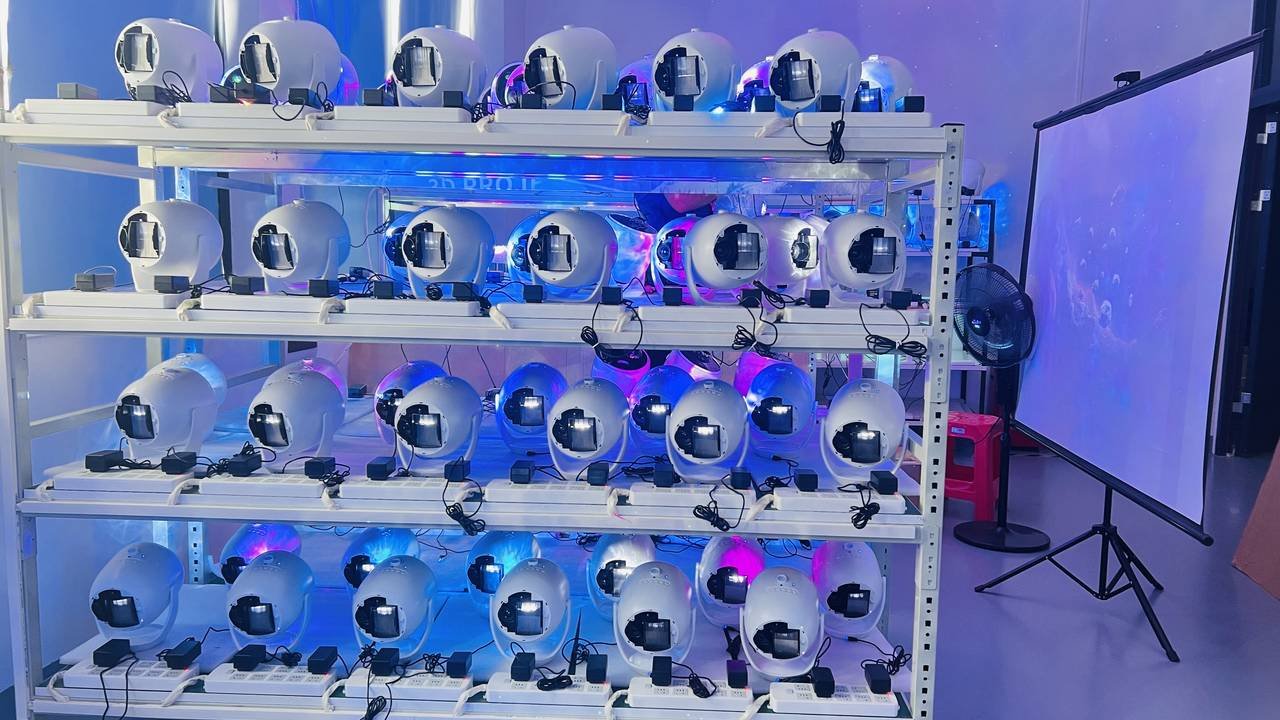
“Measured Before” and “Verifiable Now” Are Different
Our outdoor data contains a useful example. The relevant coverage figures have a field-measurement and estimation basis, and the data layer preserved the source values rather than inventing replacements. However, the original surface, ambient-light level and observation method were not retained with those figures.
That creates two true statements:
- the figures were not fabricated by the content team;
- the figures cannot currently be reproduced from the surviving record.
I keep both statements. Calling the value fake would be unfair. Calling it model-confirmed for repeatable acceptance would be too strong.
Reopen the Test Instead of Improving the Wording
When a conditional field matters to the buyer, the next action is not a more persuasive sentence. It is a controlled test brief.
| Test element | Record before testing |
|---|---|
| Product identity | Public SKU, configuration and unit reference |
| Mode | Colour, pattern, speed, focus and control state |
| Placement | Distance, angle and projection direction |
| Environment | Surface, ambient light and relevant site condition |
| Observation | What is measured or judged and by whom |
| Acceptance | Pass/fail boundary agreed before the result is seen |
| Evidence | Original photo/video/data and date |
I will not turn a planned test into a past-tense claim. Until the same method is actually used and recorded, the field stays conditional or pending.
This matters especially for outdoor decorative projectors, where surface, distance, ambient light, mounting and weather exposure can change what a buyer sees.
How Do You Turn Evidence States into a Sample-Approval Record?
A status column is useful only if it changes the buying process. The buyer should be able to move from the spec sheet to a physical approval without losing the field boundaries.
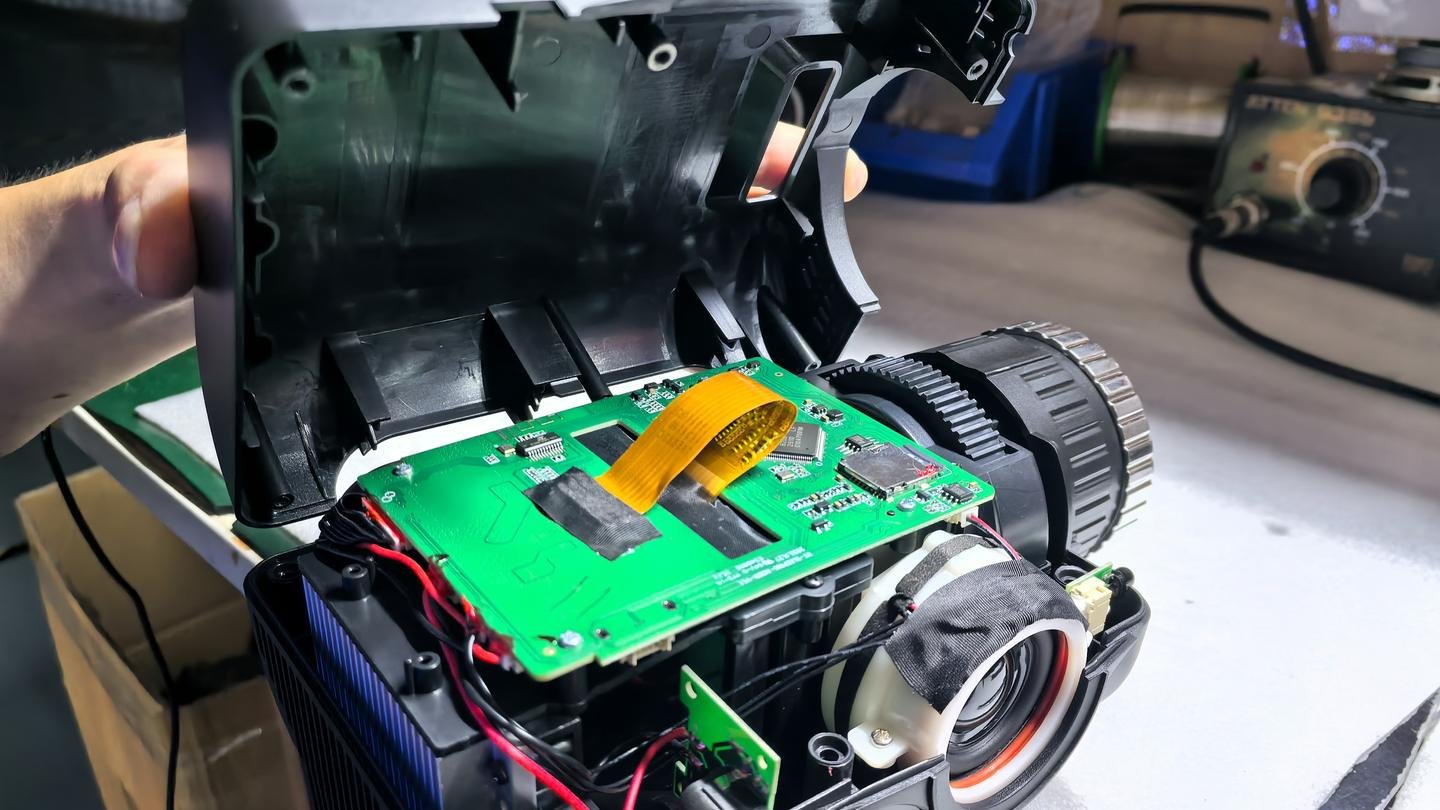
Build the sample-approval record from the spec sheet: copy each decision-relevant field with its evidence state, identify how the sample will check it, and record the result without upgrading unrelated fields. The sample closes only the questions it can actually demonstrate.
Map Each Field to an Approval Method
| Spec-sheet field | Evidence state before sample | Sample action | State after approval |
|---|---|---|---|
| Housing/finish | Source-listed | Compare physical unit with agreed colour/finish reference | Model-confirmed for approved sample configuration |
| Remote functions | Source-listed or pending | Run every agreed control and record mapping | Model-confirmed for tested version |
| Projection effect | Conditional | Test in recorded conditions with defined acceptance | Model-confirmed only for those conditions |
| Packing configuration | Source-listed | Pack final unit, accessories and inserts; measure/confirm exact plan | Confirmed for that physical pack |
| Document scope | Pending review | Review exact file/model/version mapping separately | Product-mapped only after document review |
| Unknown performance field | Pending | Run agreed test or retrieve current source | Remains pending if neither action closes it |
The last column should not automatically say “confirmed.” A sample can close visible function while leaving document scope open. A report can close a document question while leaving the shipped unit's version identity open.
Preserve the Blank Through the Purchase Order
The most common failure is that a pending field disappears when the purchase order or packaging file is created. Someone fills it to make the document look complete.
I prefer an explicit instruction: pending — do not publish or treat as acceptance criterion. That is operationally stronger than an empty cell with no explanation.
The same field status should travel into the quotation, sample record, artwork review and shipment checklist. If one downstream document shows a stronger state, it must point to the evidence that changed it.
Where Can an Evidence-State System Still Fail?
No label protects a spec sheet when people use it mechanically. “Model-confirmed” can become stale after a version change, and “source-listed” can be mistaken for current evidence if the source is old or broad.
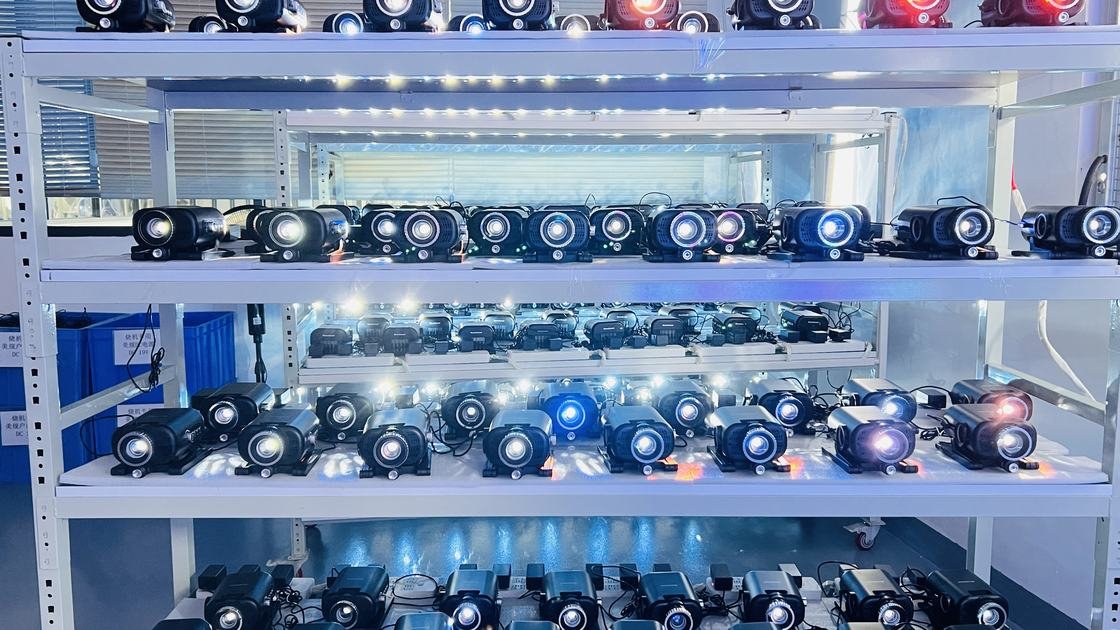
Evidence states fail when product versions change without reopening affected fields, when one document's scope is generalized, or when reviewers treat status labels as permanent. Add change triggers, ownership and re-review dates; otherwise a disciplined table will slowly become another polished source of stale claims.
Define the Reopen Triggers
Reopen an affected field when any of these changes:
- product version or component option;
- optical or electrical configuration;
- firmware, controls, app path or content set;
- power component or plug option;
- housing, mounting or ingress-related construction;
- label, manual, retail pack or included accessories;
- document revision, expiry, model list or destination requirement.
The exact trigger list will differ by product, but the invariant is stable: when the source-generating configuration changes, the derived claims need review.
Do Not Use Status to Hide Responsibility
A buyer-ready sheet should name who closes a pending field. “To be confirmed” without an owner or decision date can survive until shipment.
I also avoid the opposite failure: requiring laboratory evidence for every ordinary field. Evidence should be proportional to the claim. A physical measurement can confirm carton size. A repeatable scene can confirm an effect under defined conditions. A high-risk safety or market document needs the appropriate product-specific basis.
Keep Editorial Copy Downstream
The website can explain why a field matters. It should not become a second product database. When editorial language and the controlled record disagree, hold the public sentence, trace the source and correct the downstream copy.
That process cannot guarantee that no error will ever appear. It can show whether a supplier knows how to detect, narrow and correct one.
The useful question is not whether a supplier has ever published a wrong field. It is whether the supplier can show where the field came from and what changed its status.
Conclusion
A projector spec sheet is not a flat collection of facts. It is a set of claims at different evidence states.
Read the exact product and configuration first. Label each important field as model-confirmed, source-listed, conditional or pending. Keep the source and scope attached. Reopen fields when the version changes. Translate only the appropriate fields into sample checks, and let a blank survive when no current evidence can close it.
This makes comparison slower for a few minutes and safer for the rest of the order. It also prevents the most expensive kind of specification error: a plausible value that passes through the supplier's website, the buyer's packaging and the purchase order without anyone noticing that it belonged to a different evidence state.
My final decision rule is simple: I do not approve a value until I can also name what level of proof it carries and which exact configuration it describes.
Frequently Asked Questions
What does model-confirmed mean on a projector spec sheet?
It means the field has a written or repeatable basis mapped to the exact current model or configuration. The scope should name what was confirmed and which version, method or file supports it.
Is catalog-listed data reliable enough for a bulk order?
It is useful for shortlisting and identifying what the supplier has stated. Before making it an order requirement, map it to the exact sample or obtain the stronger product-specific basis the decision requires.
Why should unknown projector specifications remain blank?
A blank preserves the fact that the exact value is not established. Filling it from a similar product, memory or an industry average creates a false product-specific claim.
How do I verify a projector coverage or distance claim?
Record the exact product and mode, distance, surface, ambient light, projection direction and acceptance boundary. Without those conditions, keep the value conditional rather than using it as a shipment pass/fail limit.
Can a product photo prove a projector specification?
A product photo can support visible identity and appearance. It cannot by itself prove power, optical performance, ingress, safety classification or document coverage.
Does an approved sample confirm every field on the spec sheet?
No. A sample can close observable identity, function and effect questions under recorded conditions. Document scope, destination requirements and untested fields remain separate.
When should a confirmed projector field be reviewed again?
Review it when the product version, components, optics, electronics, controls, content, power items, accessories, packaging or supporting documents change. The affected field should reopen before the new configuration is approved.