
A buyer gives me one date: the display must be lit before the holiday opening. The planning sheet beside it often contains only “production,” “shipping,” and a hoped-for arrival. I do not answer that sheet with a universal order-by month. I first separate the decisions the buyer controls from the factory work we control and the transport, customs, receiving, and installation work that other teams control.
The problem is not that one party is hiding the schedule. The problem is that six different clocks have been compressed into one line called lead time. When one approval moves, everyone discovers too late that they were counting from different start events.
A usable Christmas lights lead-time plan starts with the immovable lighting date and works backward through installation readiness, receiving, route-specific logistics, factory production, sample approval, and product release. Bowlum's confirmed 35-day production cycle and approximately 95-day new-tooling path describe factory scope; neither is a promise for total calendar-to-arrival time.
Below, I show how I turn a desired lighting date into named gates, how the 35-day and approximately 95-day paths differ, where sample approval changes the schedule, and which open decisions should stop a production release.
What Does Christmas Lights Lead Time Actually Include?
“Lead time” sounds like one duration. In practice, sourcing, product, factory, forwarder, receiving, and installation teams may each be using the same phrase for a different piece of the project.
Christmas lights lead time includes several connected clocks with different owners and different start events. I keep product decisions, sample approval, factory production, logistics, receiving, and installation separate so one confirmed factory duration cannot silently become an unconfirmed arrival promise.

Give Every Clock an Owner and a Finish Condition
I use a schedule register before I use a calendar. Each row must state who can close it, what starts it, what finishes it, and what record proves the finish. A date without those four fields is a reminder, not a release gate.
| Schedule clock | Primary owner | Start must be defined as | Finish evidence |
|---|---|---|---|
| Product decision | Buyer product/sourcing lead | Decision set opened for the named SKU and version | Frozen configuration and open-item list |
| Sample approval | Buyer approver + factory product/QC owner | Controlled sample or revision submitted | Approved baseline, exceptions, and revision ID |
| Factory production | Factory production owner | Order-specific release event confirmed | Factory release and packing records |
| International and domestic logistics | Buyer-appointed logistics owners | Booked route and cargo handoff boundary | Route-specific milestone records |
| Receiving | Buyer warehouse/QC owner | Goods available under the receiving plan | Count, condition, and exception record |
| Installation and commissioning | Project/installation owner | Site and goods released for work | Site-specific completion decision |
The table deliberately contains no generic freight or installation duration. Those values depend on a route, destination, season, site, and service scope that the factory fact files do not define. The buyer should obtain them from the owner of that segment and keep the assumptions visible.
One Date Cannot Answer Six Questions
If a quotation says only “35 days,” I ask what event starts those 35 days and what event ends them. Does the clock begin at a commercial confirmation, at receipt of a required file, or after a sample decision? Does it end when production is complete, when goods are packed, or when cargo changes hands? The current Bowlum fact supports a factory production cycle. It does not support filling every adjacent row with the same number.
A schedule becomes controllable when every duration has an owner, a start event, a finish boundary, and evidence. Without those, adding the durations only produces a precise-looking guess.
Where Should You Start When Working Backward From the Lighting Date?
Buyers often begin with the factory because that is the party they are speaking to. I begin at the other end: the last date the business cannot move without losing the intended display window.
Start with the required lighting date, then work backward through site readiness, installation, receiving, route-specific logistics, factory release, sample approval, and product decisions. I mark each dependency before assigning a date, because a calendar cannot repair a missing decision.
Define the Last Responsible Gate
The lighting date is not necessarily the installation start. The site owner may need a commissioning check, the installer may need access, and the warehouse may need time to receive and separate goods by project. I ask each downstream owner for its own finish condition and place those gates backward from the lighting date.
A backward schedule can be built without pretending every project follows the same number of days:
| Work backward from | Question to close | Do not substitute |
|---|---|---|
| Lighting date | What does “ready” mean to the project owner? | Expected cargo arrival |
| Installation release | What site, labor, mounting, and electrical conditions must be ready? | A product delivery notice |
| Receiving closeout | What must be counted, checked, separated, or held? | Factory QC records |
| Logistics handoff | Which route and milestone definitions apply to this shipment? | A generic ocean-freight estimate |
| Factory release | Which exact SKU, variant, artwork, included set, and packing plan may ship? | “Same as quotation” |
| Sample approval | Which sample revision and exceptions became the baseline? | “Sample looks good” |
| Product decision | Which requests are closed and which remain blocked? | Supplier selected |
Freeze the Sellable Product, Not Just the Product Name
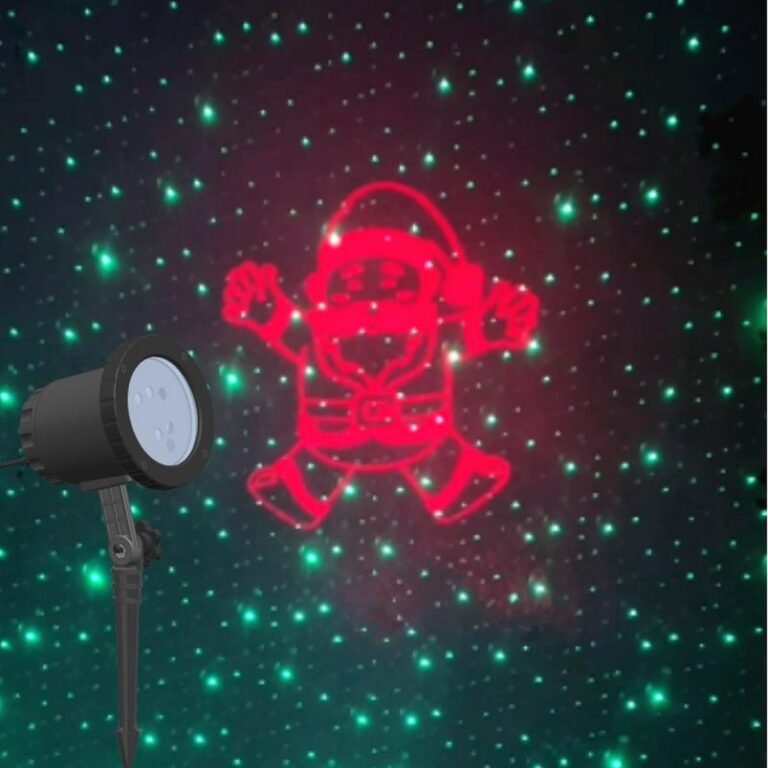
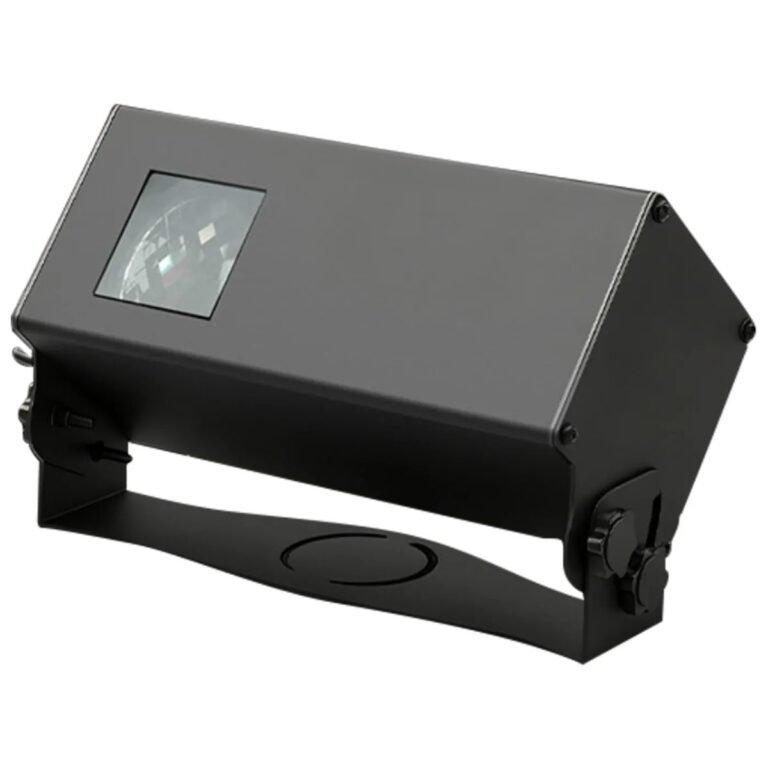
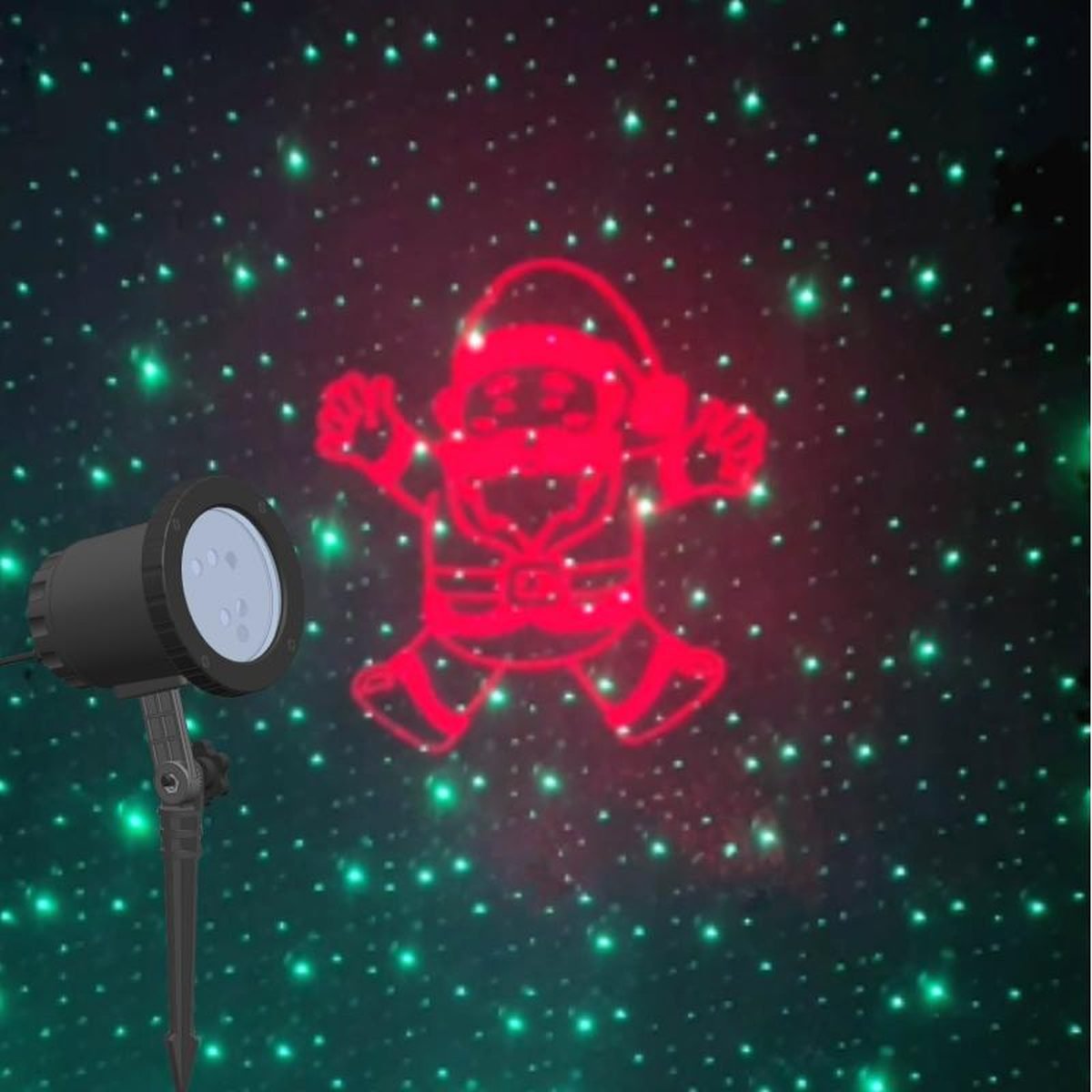
BWL-HP-006 is a current holiday-projector SKU, but a product image alone is not a schedule input. The buyer must still freeze the included controls, power path, labels, artwork, instructions, and packing plan that belong to the sellable set. I will not treat the main image above as proof that those project decisions are closed.
The same rule applies to a configurable product. BWL-OL-004 has a 7-color APP family version and a DMX512 professional version in the current record. A schedule that says only “BWL-OL-004” has not yet told production which version to build.
If the project has not yet selected its outdoor product family, that choice belongs before schedule release; our outdoor laser projector range is a product-selection starting point, not a substitute for freezing the exact SKU and configuration.
What Do the 35-Day and 95-Day Factory Timelines Actually Cover?
Two factory numbers appear in our confirmed records, but they do not describe interchangeable projects. Using the faster number for a structural customization is not optimism; it is a scope error.
The confirmed 35 days is a factory production cycle and also the production segment after a signed sample in the new-tooling path. Approximately 95 days applies from confirmed industrial design through bulk shipment when a change beyond housing color creates a new-tooling, new-product path. Neither figure includes an assumed freight, customs, receiving, or installation duration.

The Customization Question Comes Before the Calendar
I ask one question before selecting a factory path: Is the requested product change only a housing-color change? The confirmed Bowlum boundary is unusually clean. A housing-color-only change does not require new tooling or renewed certification and remains on the approximately 1K / 35-day side. The color-sample duration itself is not confirmed in our source, so I leave that row open until the exact project is reviewed.
Any other product change—appearance, structure, optics, circuitry, or function—moves to the new-product path. It requires tooling, renewed certification, a starting quantity of 2K, and approximately 95 days from confirmed industrial design through bulk shipment. The detailed color-versus-new-tooling guide explains why that single question changes four project conditions at once.
| Product path | Confirmed factory scope | What remains project-specific |
|---|---|---|
| Existing configuration | 35-day factory production cycle | Exact start event, production slot, files, logistics, receiving, installation |
| Housing-color-only change | No new tooling; certification does not need to be redone; approximately 1K; 35-day production path | Color sample and approval timing, files, logistics, receiving, installation |
| Any other appearance, structural, optical, circuit, or functional change | New tooling; certification redone as a new product; 2K starting quantity; approximately 95 days from confirmed design through bulk shipment | Buyer design readiness, revision decisions, route, receiving, installation |
Why I Keep the Source Boundary Beside the Number
The approximately 95-day path contains about 60 days from confirmed industrial design through tooling and trial production, followed by sample signoff and the 35-day bulk-production segment. The source describes sample delivery and signoff as quick and does not assign a separate duration. I therefore do not invent one for a public schedule.
Likewise, the general 35-day factory figure was not recorded with a universal peak-season exception table. I use it as the confirmed base scope and require the exact order to confirm its start event, slot, and finish boundary before anyone converts it into calendar dates.
Why Can Sample Approval Disrupt a Holiday Lighting Schedule?
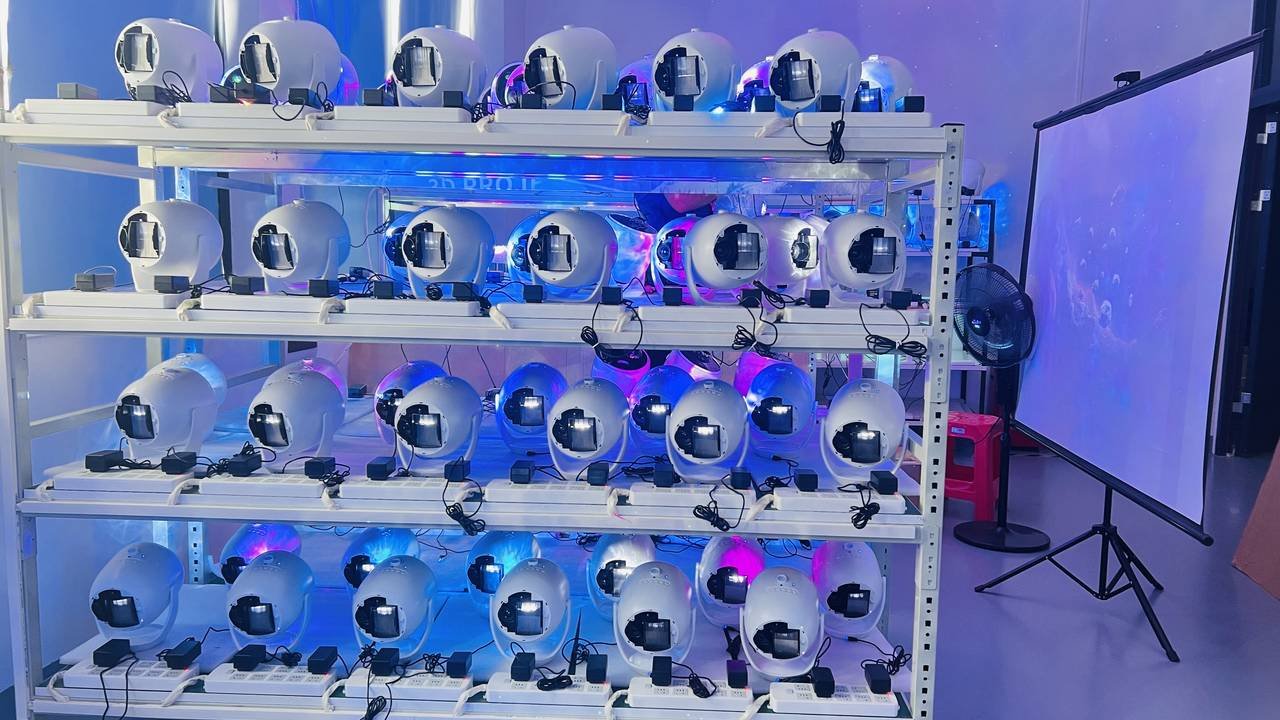
Production is physical and visible. Sample approval can look like a short administrative step even though it contains buyer decisions, file versions, observations, exceptions, and sometimes several affected functions.
Sample approval disrupts a schedule when the buyer and factory have not defined the submitted revision, the test condition, the approver, accepted exceptions, and the decision that closes the gate. I turn “looks good” into a reproducible baseline before allowing its date to support production planning.
Approval Time Is Controlled by Decision Loops
I do not publish an average sample-approval duration because the current evidence does not contain one. A buyer can review one stable configuration or reopen optical, artwork, control, accessory, and packing questions in the same round. Those are different workloads even if both are called a sample.
Instead, I expose the loops:
| Approval question | Weak state | Schedule-ready state |
|---|---|---|
| Which unit is under review? | “Latest sample” | SKU, version, reference ID, and date |
| What is the setup? | “Normal room” | Recorded mode, distance/position, surface, and ambient condition where relevant |
| What changed? | New photos in an email | Revision delta and affected owners |
| What passed? | “Looks fine” | Observable functions and visual boundary accepted |
| What did not close? | Discuss later | Named open item, owner, and release point |
| Who may approve? | Everyone copied | One named decision owner per affected function |
Separate a Review Comment From a Change Request
A comment does not always change the product. I ask whether it corrects the record, changes artwork, changes an included item, or changes the product itself. If it changes appearance, structure, optics, or circuitry, the project may cross the color-only boundary and move to the new-tooling path. That decision belongs before a revised deadline is promised.
Which Buyer-Side Decisions Must Close Before Factory Production?
A factory cannot manufacture the buyer's internal assumptions. If two versions, two artwork files, or two packing plans remain valid in the handoff, production is being asked to choose a commercial decision.
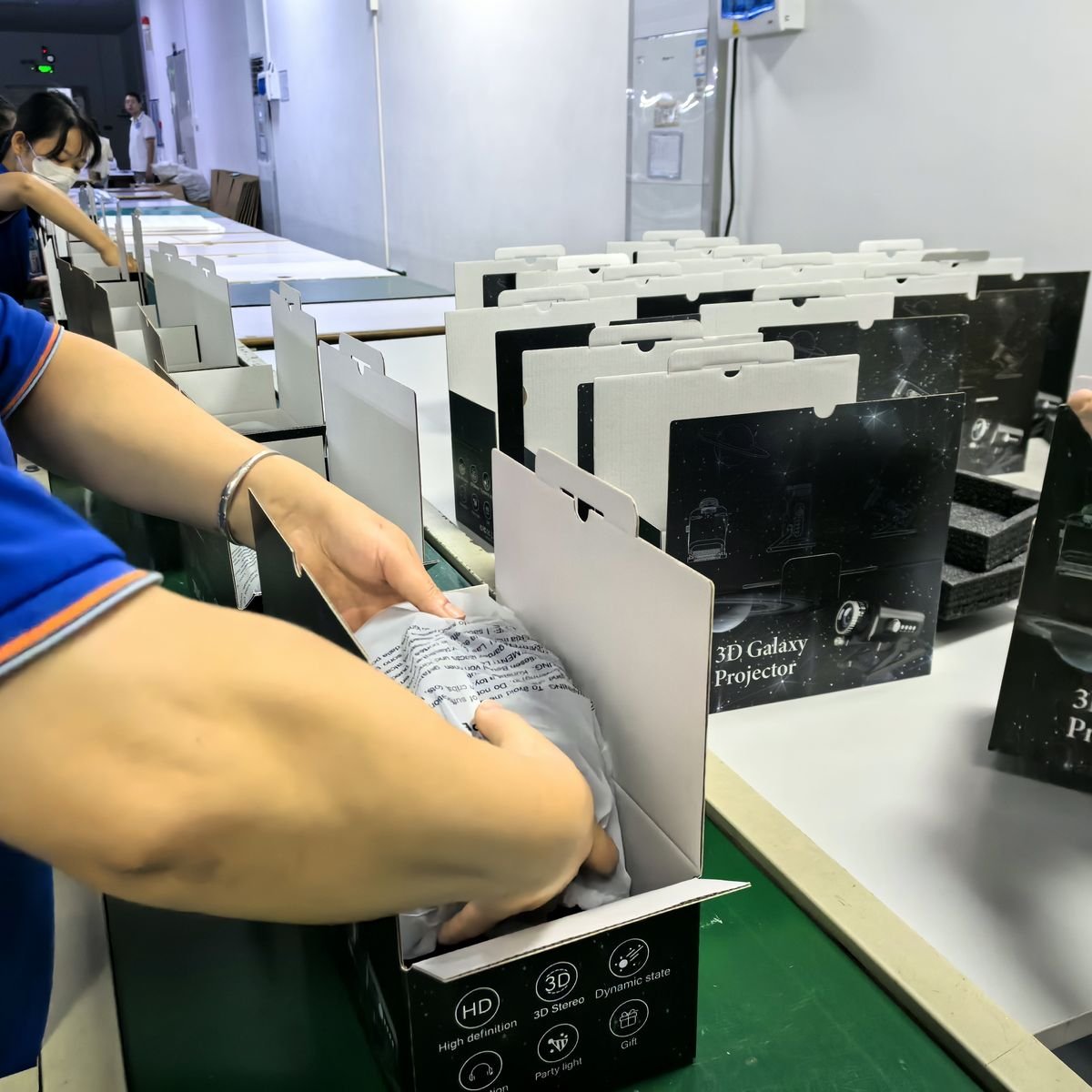
Before factory production, close the exact SKU and variant, approved sample baseline, included set, labels and artwork, instructions, selected packing plan, acceptance responsibilities, and authorized changes. I hold the release when a required field is still hidden in an email or marked only “final.”
Build a Decision-Complete Release Packet
The packet does not need to be large. It needs to be executable:
- public SKU and exact selected version;
- approved sample/reference ID and exception list;
- included unit, approved power path, controls, cables, mounting parts, and documents;
- released label, artwork, and instruction revisions;
- selected retail and master-carton plan;
- factory release checks and buyer receiving boundary;
- change register with old state, proposed state, affected evidence, and approval owner.
Packing calculations deserve their own review because carton count and geometry affect the logistics plan. The published projector carton and CBM guide shows how to compare that data. In the deadline sheet, I record only the plan that was selected and who may change it.
Put Commercial Dependencies in Their Correct Path
For a new-tooling product, the confirmed development flow starts with project confirmation and a 30% deposit on tooling and development charges, then design and circuit development where applicable, prototype review, tooling, trial production, bulk-sample approval, and bulk production. The percentage is a payment term, not a product price. It should appear as a project dependency only when that new-tooling path applies.
I do not copy the same step into every standard-product schedule. The commercial start event for an exact order must be confirmed in that order's record.
Where Can a Backward Holiday-Lighting Schedule Still Fail?
A neat backward plan can still fail if it hides an assumption. The most dangerous rows are often the ones that look finished because someone typed a date without naming the evidence behind it.
A backward schedule still fails when it uses a generic logistics duration, treats a provisional sample as approved, allows changes after release without impact review, or leaves no receiving and installation margin. I keep those risks visible as open conditions instead of turning them into unsupported calendar promises.
Five Risks That a Date Alone Hides
| Hidden assumption | What can change | Control I put in the schedule |
|---|---|---|
| “Shipping takes the usual time” | Route, service, handoffs, customs, destination conditions | Route-specific owner, estimate date, and milestone definitions |
| “The sample is basically approved” | Revision, exception, artwork, included set | Approval state and exact baseline ID |
| “A small change will not affect timing” | Tooling, certification, sample, documents | Delta review before the prior approval carries forward |
| “Factory QC means receiving is done” | Transit condition, count, buyer acceptance | Separate factory-release and buyer-receiving gates |
| “Arrival means ready to install” | Site access, allocation, mounting, labor, commissioning | Site-owner release and installation closeout |
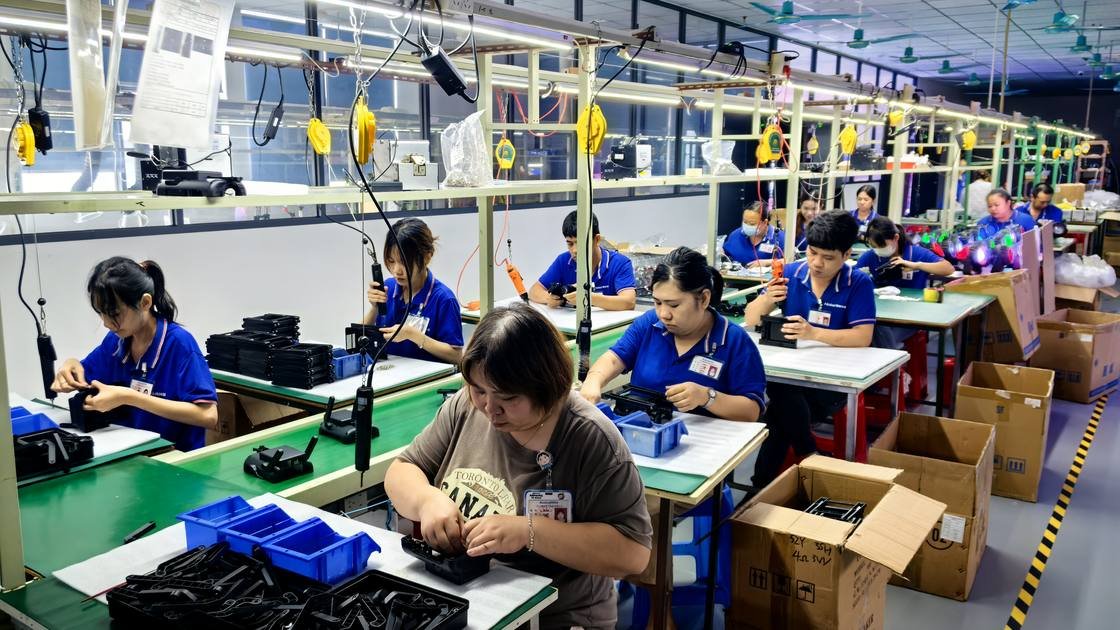
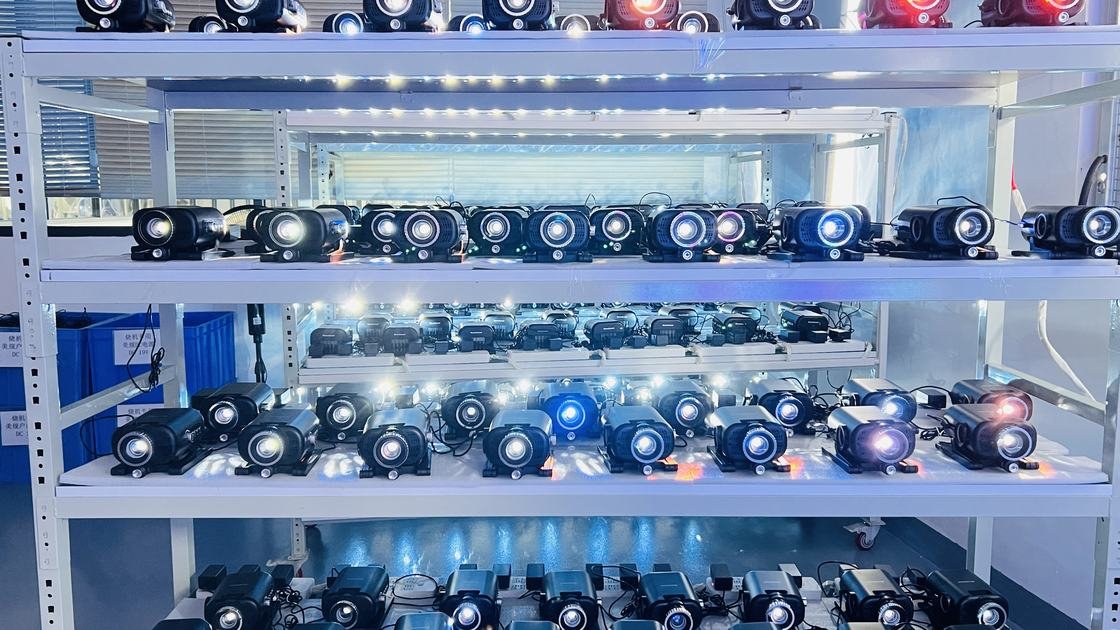
Every Bowlum unit receives roughly eight hours of aging as a factory release control. I keep that fact in its proper stage. It is not proof of lifetime, not the buyer's incoming acceptance, and not a reason to delete receiving time from the schedule. The photograph above shows powered units on racks; it does not establish the duration or result for a named SKU.
A Buffer Is a Decision, Not a Leftover
There is no universal public buffer I can support for every destination and installation. The owner of each segment should state the uncertainty it is absorbing and how late an exception can be resolved without moving the lighting date. A blank buffer is not aggressive planning; it is an unnamed acceptance of risk.
How Should a Buyer Build a Deadline-Ready Holiday Lighting Schedule?
The most useful schedule is not the one with the most dates. It is the one that tells the team what is released, what remains open, who owns the next decision, and which downstream dates depend on it.
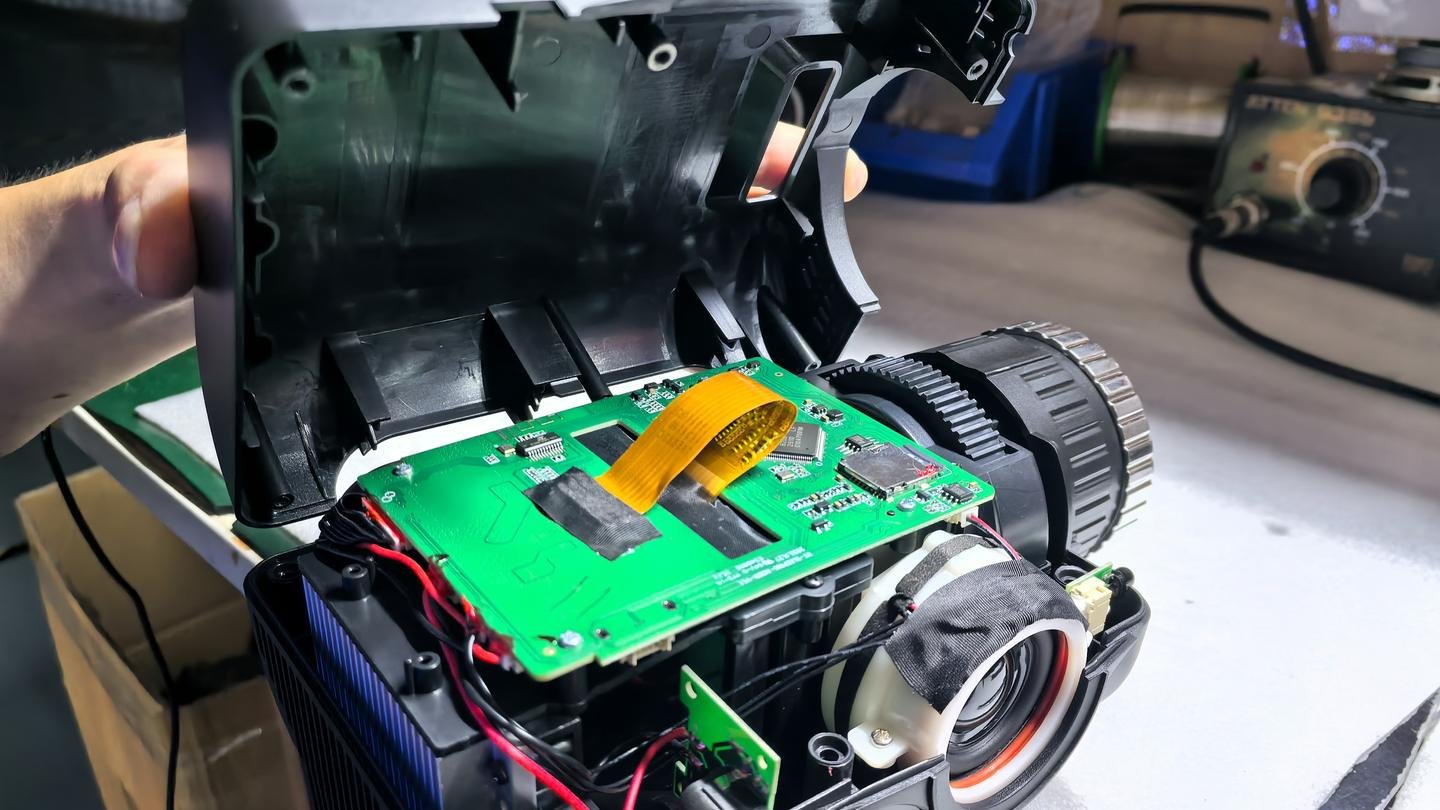
Build one gate register with the lighting date at the top, then assign every preceding product, sample, factory, logistics, receiving, and installation gate an owner, state, evidence record, and latest responsible decision point. I approve the factory segment only after its inputs are executable and its boundary is not being mistaken for total lead time.
The Gate Register
Use one row per decision rather than one row per department:
| Gate | State | Owner | Required evidence | Downstream dependency |
|---|---|---|---|---|
| Product configuration | Not submitted / review / approved / blocked | Buyer product owner | Frozen SKU/version and open items | Sample and factory path |
| Sample baseline | Same four states | Buyer approver + factory owner | Reference ID, setup, decision, exceptions | Production release |
| Artwork and included set | Same four states | Brand/packaging owner | Released revisions and complete set | Printing and packing |
| Factory production | Same four states | Factory production owner | Order-specific start/finish boundary | Logistics handoff |
| Logistics | Same four states | Buyer logistics owner | Route and milestone record | Receiving plan |
| Receiving | Same four states | Warehouse/QC owner | Count, condition, exceptions | Project allocation |
| Installation | Same four states | Project owner | Site release and completion criteria | Lighting date |
“Sent” is not an approval state. “Discussed” is not an approval state. I keep those words in the activity log, not the release column.
A Distributor Example: The Date Stayed, the Question Changed
A Midwest distributor preparing a holiday assortment gave me a lighting date and a sheet with two durations: factory and shipping. The product family, control version, sample revision, receiving check, and installer allocation were still outside the sheet.
I did not add a larger safety number to make the plan look cautious. I separated the six clocks, placed the 35-day factory scope only in its own row, and asked the buyer's logistics and installation owners to supply their route- and site-specific gates. I also marked the control version and sample baseline blocked instead of letting “supplier approved” release production.
The buyer's next action changed from asking whether the order was “still on time” to closing the specific decisions that controlled the next release. That is the result another buyer can reuse: a deadline discussion becomes useful when it identifies the next owner and evidence, not when one party offers a confident total it cannot control.
Work backward from the lighting date, but approve forward one gate at a time. The date is the destination; the evidence chain is what allows the project to move.
Conclusion
Christmas lights lead time is not one factory number plus one freight guess. It is a chain of product decisions, sample approval, factory production, route-specific logistics, receiving, and installation gates that happen to meet at one immovable lighting date. Bowlum can confirm the scope of a 35-day production cycle and the approximately 95-day path for a new-tooling product after industrial design is confirmed. I will not stretch either figure across transport, customs, receiving, or site work that it does not cover. My final schedule rule is simple: start with the lighting date, expose every dependency, and release the next gate only when its owner, state, and evidence are visible.
Frequently Asked Questions
How early should a business order Christmas lights?
There is no defensible universal order-by month for every product, route, and site. Start with the required lighting date and work backward through installation, receiving, route-specific logistics, factory production, sample approval, and product decisions using estimates from each segment owner.
Does Bowlum's 35-day lead time include shipping and customs?
No. The confirmed 35 days describes a factory production cycle. Freight, customs, domestic transport, receiving, installation, and buyer approvals are separate schedule segments and require their own owners and assumptions.
Does the approximately 95-day timeline apply to every private-label order?
No. It applies when a change beyond housing color creates a new-tooling, new-product path involving renewed certification. Existing configurations and housing-color-only changes remain on the 35-day production side, while project-specific approval and logistics time still sits outside that number.
What starts the approximately 95-day custom-product timeline?
The confirmed scope starts when the industrial design is determined. It includes about 60 days through tooling and trial production, sample signoff, and the following 35-day bulk-production segment; buyer design preparation before that point is not included.
Can production start before the holiday-projector sample is approved?
Do not treat an unapproved sample as a production baseline. Close the exact revision, observable checks, accepted exceptions, included set, artwork, packing plan, and approval owner before the relevant production release.
How long does a custom housing-color sample take?
The current factory source does not confirm a public duration for that sample step. Housing-color-only work does not require new tooling or renewed certification, but its sample and approval timing should remain open until the exact project is reviewed.
How much schedule buffer should a holiday-lighting importer keep?
No single public buffer fits every route, destination, receiving plan, and installation. Ask each segment owner what uncertainty the buffer covers, when its estimate was made, and which exception would consume it; keep that decision visible instead of burying it inside one total.