
A buyer asks for a custom projector housing and describes the request as “just a small change.” The color will be different, but perhaps one edge should also move, an opening should be relocated, or the light pattern should behave differently. The adjective small makes the brief sound close to an existing product. It does not tell engineering whether the product is still the same.
When I review that request, I replace “How small is the change?” with a binary question: Is housing color the only product change? That question is useful because it compares the request with a fixed existing-product baseline instead of comparing opinions about difficulty.
If housing color is the only physical product change, Bowlum uses the existing-product color route: no new tooling and no repeat of certification work. If anything else changes in the exterior, structure, optics, circuit, or function, we treat it as a new product: new tooling, renewed applicable certification work, a 2K-or-higher minimum, and an approximately 95-day development-to-shipment benchmark after industrial design is confirmed.
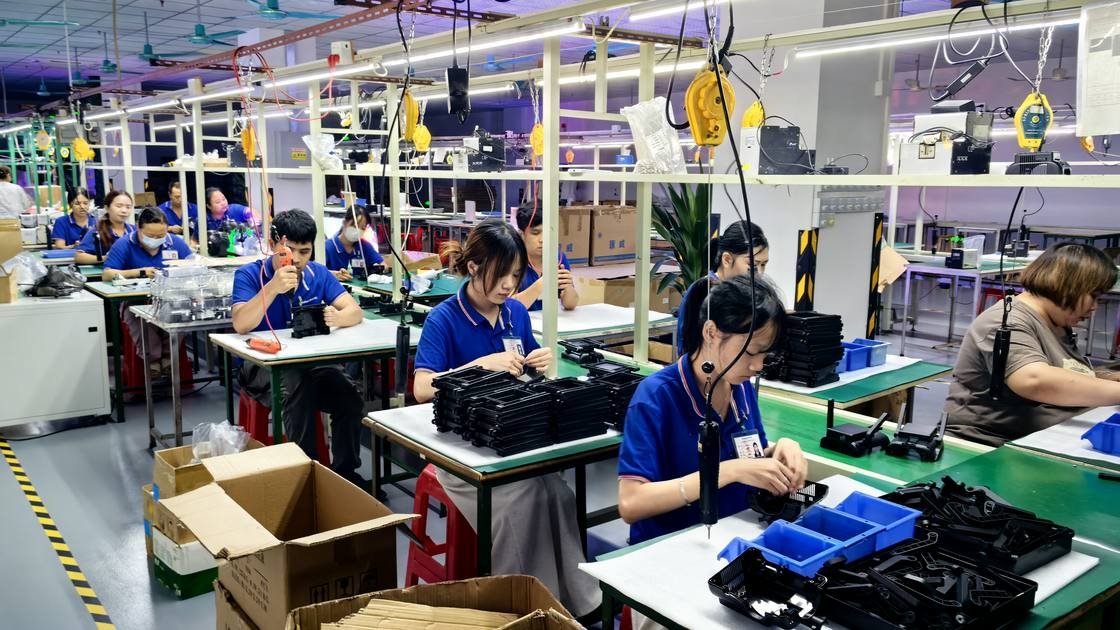
The workshop image shows the environment in which one buyer sentence becomes work for several functions. It does not prove output, capacity, or a result for a particular custom project. In this guide, I will keep the decision narrow: classify the physical change, put the correct MOQ and clock around it, and freeze the brief before the project crosses into an expensive-to-reverse gate. Buyers who need the broader service map can also review our OEM and ODM manufacturing process.
What Is the One Question That Classifies a Custom Projector Request?
“Minor customization” is not an engineering category. A request can look minor in a presentation and still alter the mold, internal fit, optical path, circuit, or product function. Conversely, a visibly different housing color can leave every physical dimension and internal interface unchanged.
Compare the proposed unit with one frozen existing-product baseline, then ask: “Is housing color the only product change?” A clear yes stays on the color-only route. Any other physical or functional delta moves the request to the new-product route. Do not create a third category called “almost the same.”

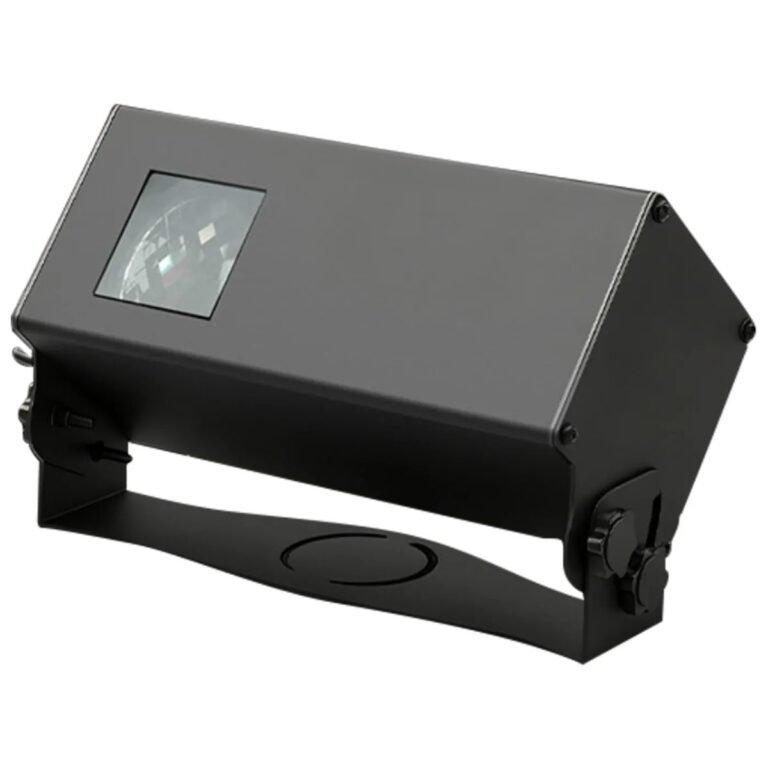
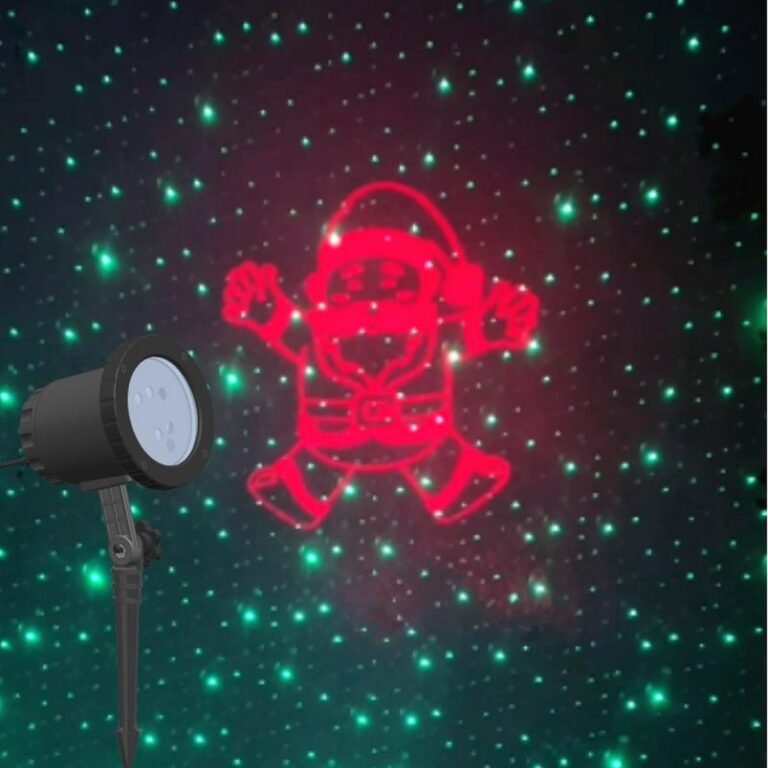
BWL-OL-004 is one example of an existing public product that could anchor a comparison. The application collage identifies the product context; it does not demonstrate a customized housing, a requested effect, or a measured result. A buyer and factory would still need to identify the exact existing version and write every requested difference. The same method can begin from another suitable product in our current projector range.
Start With a Baseline, Not a Mood Board
I first write down the existing product identity and its approved physical state. Then I create a delta list. “Use this product, but make it ours” is not a delta list. Neither is a page of inspiration images. The working brief needs to show what remains fixed and what changes.
| Requested item | Does it preserve the existing physical product? | Route in Bowlum's process |
|---|---|---|
| Different housing color only | Yes, if geometry, material interfaces, optics, circuit, and function stay fixed | Existing-product color route |
| New outline, opening, grille, button position, or molded mark | No; the exterior geometry changes | New-product route |
| New internal support, assembly relationship, or mounting structure | No; the structure changes | New-product route |
| New lens, optical element, projection path, or optical behavior | No; the optical system changes | New-product route |
| New PCB, circuit, control behavior, or product function | No; the electrical or functional system changes | New-product route |
| Printed logo, retail-box artwork, or manual copy only | Usually a separate branding or artwork workstream | Classify separately; it does not by itself decide physical tooling |
This is a factory-process classification, not a claim that every manufacturer, product, or destination market uses identical rules. In our confirmed process, only housing color remains on the no-new-tooling side. “Mostly color” does not qualify if the remaining part of the sentence changes the product.
Ask the Question in a Form That Cannot Hide a Delta
I do not ask, “Do you need a new mold?” The buyer may not know, and the question invites a commercial guess before engineering has a defined change. I ask for a yes or no to color-only, followed by five checks:
- Does the external geometry remain identical?
- Does the internal structure remain identical?
- Does the optical system remain identical?
- Does the circuit and control behavior remain identical?
- Does every product function remain identical?
If every answer is yes and only the housing color changes, the request is color-only. If one answer is no or unresolved, I do not promise the color route. I mark the open delta and route it for definition before quoting a project schedule.
The size of a change is an opinion. Whether color is the only physical change is a testable classification.
What Happens If Housing Color Is the Only Product Change?
Color-only does not mean “choose a color name and start production.” The physical product stays fixed, but the buyer and factory still need a controlled color reference, an approved sample, and a retained comparison standard.
For a true housing-color-only request, Bowlum keeps the existing tooling and does not redo certification work. The factory prepares the color finish, the buyer signs off the sample, and both buyer and factory retain a reference sample so production can be compared with the approved state.

The BWL-SP-011 image makes the distinction visible: imagine changing the white housing color while preserving its complete geometry and system. The photograph does not prove that this SKU has been custom-colored, and it does not approve any proposed finish. It is an existing-product baseline, not a custom-project result.
Control the Color as an Approved Reference
In our process, the color route runs through a physical sample rather than an adjective alone:
- The existing product and unchanged physical configuration are identified.
- The requested housing color is prepared through the applicable finishing process.
- The buyer reviews and signs the color sample.
- The buyer retains one reference sample and the factory retains another.
- Production is compared with the retained reference.
The retained samples reduce a common source of ambiguity. “Warm white,” “champagne,” or a digital color value can help initiate a discussion, but appearance also depends on material, finish, light, and viewing conditions. A signed physical reference states what the project accepted without pretending that a descriptive name is a complete manufacturing standard.
I also record which surfaces receive the color and which do not. If the buyer wants a different material texture, relocated opening, new raised feature, or molded emblem, I stop calling the request color-only. Those are physical changes even if the overall silhouette still looks familiar from a distance.
Put MOQ and the 35-Day Clock in the Right Place
For a non-neutral housing color, our confirmed minimum is approximately 1K units. That number belongs to the color route; it is not a universal minimum for every private-label task or every existing product. Exact product and project feasibility still need to be matched to the selected baseline.
The confirmed 35 days is the factory production cycle. I place it after the color reference and production configuration have been approved. I do not fold color-sample preparation, buyer review, artwork, approval delay, transport, customs, or arrival into that number. Our source record does not establish a universal duration for the sample-and-approval stage, so I leave that stage open instead of inventing a faster total lead time.
| Color-only milestone | What is decided | Is it included in the 35-day production cycle? |
|---|---|---|
| Baseline selection | Exact existing product and unchanged configuration | No |
| Color definition and sample | Finish and surfaces for buyer review | No |
| Buyer sign-off and retained references | Accepted color state | No |
| Factory production | Build against the frozen product and approved color sample | Yes |
| Freight and arrival | Shipment route, customs, and destination receipt | No |
What Changes Push the Request Into New Tooling?
Buyers often use visual percentage language: “The product is 95% the same,” or “Only one small part moves.” Tooling does not classify a brief by the percentage of pixels that look familiar. It responds to geometry, fit, interfaces, optical requirements, circuit requirements, and function.
Any requested change beyond housing color—exterior, structure, optics, circuit, or function—moves the project into Bowlum's new-product path. That path requires new tooling and renewed work for all applicable certifications; it is not an extension of the existing product's approval simply because the change looks small.
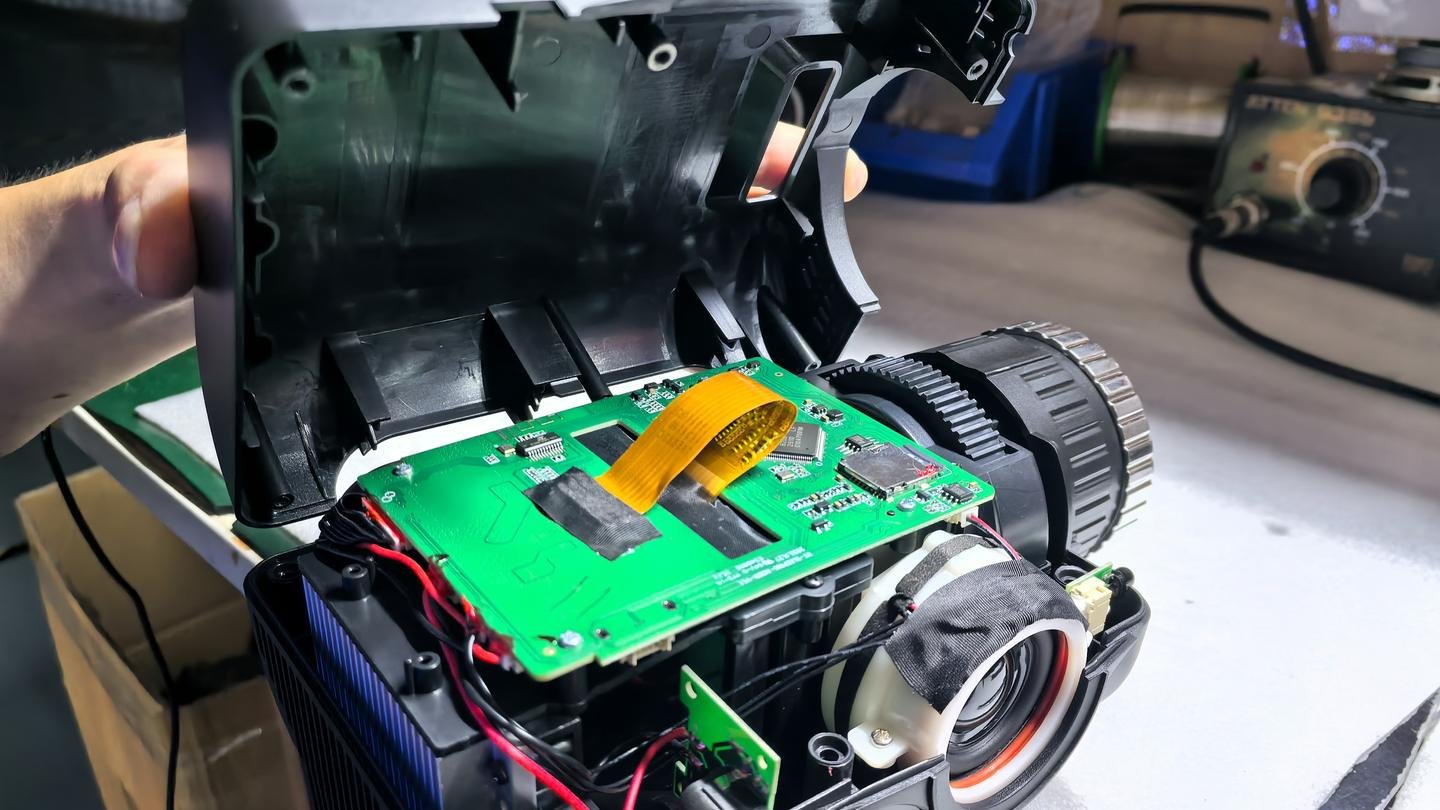
This is a generic Bowlum process photograph. It makes an internal boundary visible, but it does not prove the construction, test result, or certification status of a named product. A circuit change can be invisible in a catalog image and still make the engineering path fundamentally different.
Five Change Families Cross the Boundary
I translate buyer language into five physical or functional families before the project path is selected:
| Change family | Typical buyer request | Why it is not color-only |
|---|---|---|
| Exterior | Change the outline, openings, button locations, decorative relief, or molded brand feature | Housing geometry changes |
| Structure | Move supports, mounting points, internal holders, or assembly relationships | Mechanical fit and assembly change |
| Optics | Change a lens, optical element, projection path, or target optical behavior | Optical design and evaluation change |
| Circuit | Change the board, electrical architecture, control path, or related hardware | Electrical development and verification change |
| Function | Add, remove, or alter what the product does | The approved product definition changes |
Words such as slight, simple, cosmetic, and similar do not overrule the table. For example, relocating a button may be visually modest, but it changes an opening and may affect internal relationships. A molded logo may sound like branding, but if it changes the housing geometry, it is an exterior change. A new projected behavior may be described as content, but if it requires new optics, circuits, or product functions, it crosses the physical boundary.
The New-Product Path Has Ordered Gates
Once the brief crosses that line, I stop scheduling it as a color sample. Bowlum's confirmed new-product process is:
- Confirm the project scope and industrial design.
- Open the tooling and development work with the applicable deposit.
- Complete industrial, circuit, and other required development work.
- Review a 3D or functional prototype as applicable.
- Obtain buyer approval for the defined product.
- Proceed into tooling.
- Review T0/T1 trials and required corrections.
- Approve the mass-production sample and applicable evidence.
- Run the factory production cycle.
Not every project has identical engineering tasks, but the gate order matters. Tooling approval is the last practical point at which design change remains easier to reverse. After tooling begins, a “small adjustment” may affect metal, trial rounds, schedule, and renewed approval work. I therefore ask the buyer to resolve open physical questions before that gate, not during a trial review.
Certification Follows the New Product, Not the Similarity Claim
In Bowlum's factory process, color-only keeps the existing certification path; other product changes are treated as a new product and all applicable certification work is redone. I state that boundary carefully. It is not a blanket legal judgment for every country, scheme, or third-party laboratory. It is our operating rule for routing the project and building a realistic scope.
I also do not transfer a certification statement from a neighboring model or from a marketing image. The exact new product, intended destination, applicable requirements, and final supporting documents must align. Similar appearance is not evidence continuity.
Once the product changes, the old product is a design reference—not a shortcut through tooling or certification.
Do Logos, Packaging, and Manuals Decide the Tooling Path?
The word custom is used for several different workstreams. A private-label buyer may need a printed logo, retail-box artwork, manual language, application content, and a physical product change in one project. Putting them all in one “OEM” row hides which item controls tooling.
Printed branding, packaging artwork, and manual content do not by themselves decide the physical tooling route. Classify them as separate branding and documentation workstreams. However, if the brand request changes the housing geometry—such as a molded or embossed feature—it becomes an exterior change and therefore enters the new-product path.
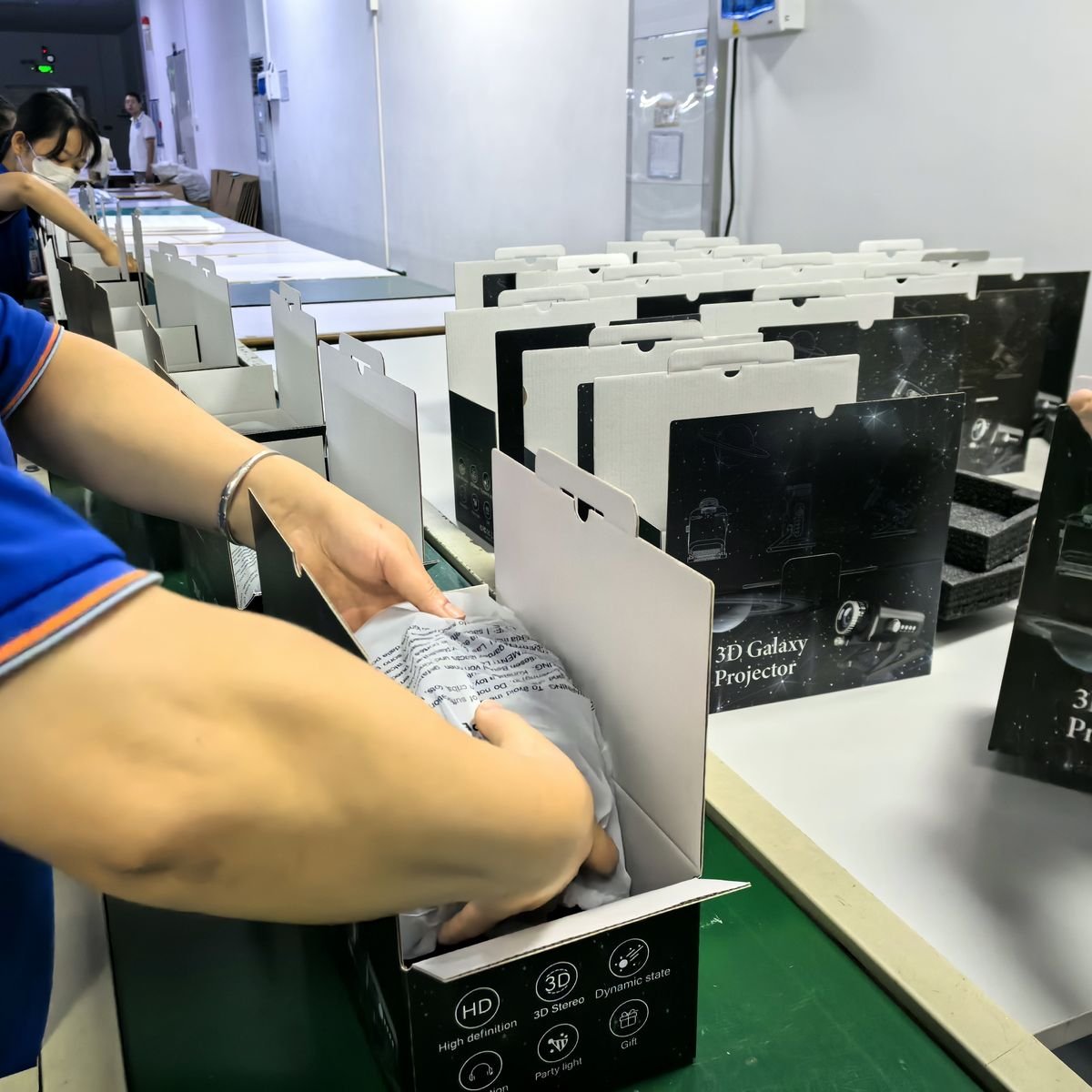
The photograph shows Bowlum staff packing projector products into retail boxes. It does not identify either related SKU in this article, prove a buyer's custom result, or validate claims printed on a box. Its role here is narrower: packaging is a real deliverable with artwork, materials, and approval work, but the box does not decide whether the projector housing needs a new mold.
Separate the Workstreams Before You Combine the Schedule
When importers search for a private label Christmas lights or OEM Christmas lights program, they may group logo, packaging, product color, and product redesign under one phrase. A custom holiday lighting manufacturer still needs to unbundle those requests before engineering can classify the physical product.
| Workstream | Example deliverable | Does it alone trigger new physical tooling? |
|---|---|---|
| Housing color | Approved finish on unchanged existing geometry | No |
| Printed or applied logo | Artwork positioned on an unchanged surface | No |
| Molded, recessed, or embossed logo | Brand feature built into housing geometry | Yes |
| Retail packaging | Box structure, artwork, labels, inserts, and packing instructions | No, unless the product itself also changes |
| Manual | Language, instructions, layout, and controlled revision | No |
| App, firmware, cloud, or media content | Digital scope and ownership responsibilities | Not automatically; classify its hardware and functional effects separately |
The last row deserves its own brief. Our guide to private-label projector app and content ownership covers the digital responsibility questions. This article asks only whether the physical projector remains the existing product except for housing color.
Watch for Branding That Becomes Geometry
I use a simple test for logo requests: can the approved existing housing be produced unchanged and receive the branding afterward? If yes, the brand task can remain separate from physical tooling. If the logo requires new molded relief, a recessed panel, a moved opening, or another geometry change, it fails the color-only question.
The same discipline applies to packaging. A new retail box can require artwork review, structural selection, protection checks, print approval, and its own schedule. None of that should be minimized. It is simply not evidence that projector tooling must change. Keeping the workstreams separate prevents two opposite mistakes: charging a packaging task with unnecessary product development, or hiding a real housing change inside a “logo customization” label.
How Do MOQ, Timeline, Deposit, and Fee Categories Change?
Commercial discussions become misleading when numbers from the two routes are mixed. A buyer hears “35 days” for an existing-product production cycle and carries it into a project that needs industrial design, prototypes, tooling trials, renewed certification work, approval, and production.
Use the commercial and schedule boundary that belongs to the classified path: approximately 1K units for a non-neutral color on the existing product, versus 2K or more and approximately 95 days for a new product after industrial design is confirmed. The 35 days inside either discussion refers only to factory production, never the full buyer-to-arrival timeline.
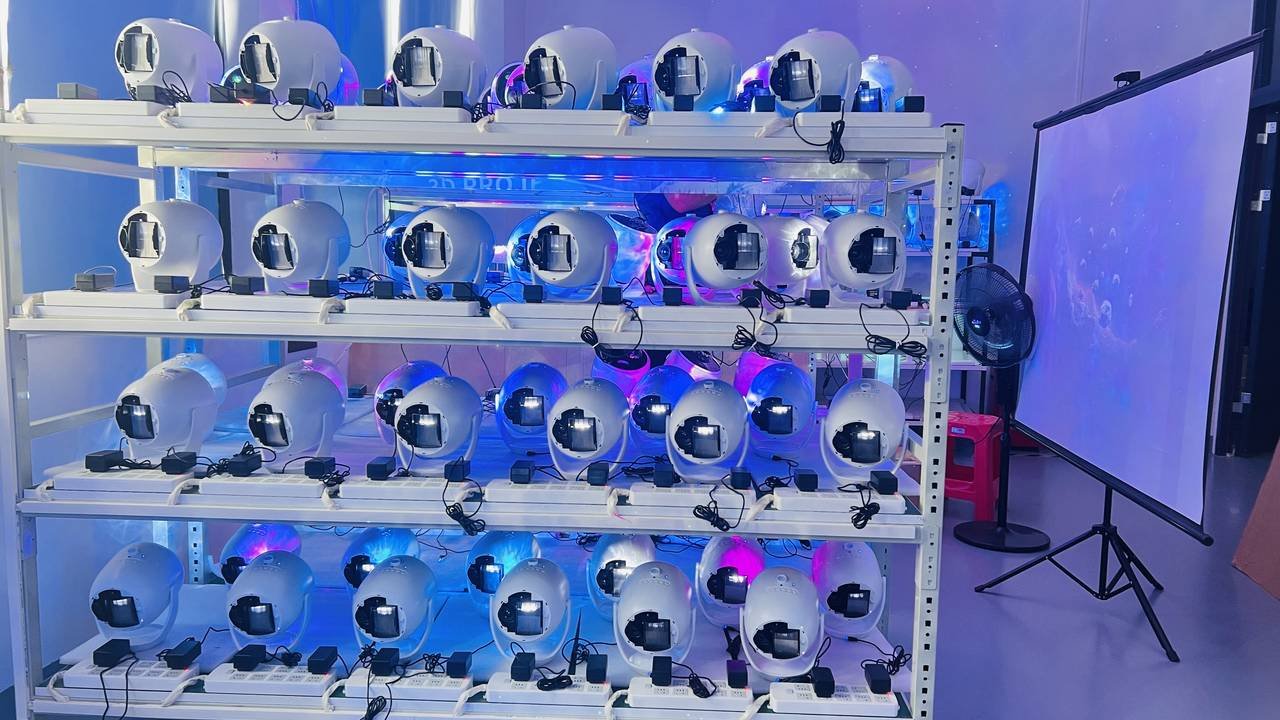
The test-rack image provides factory-process context. It does not show a named custom product, reveal test conditions, or prove a result. It is a reminder that development, sample review, evidence, and release decisions sit before production; they do not disappear into one lead-time number.
For the broader distinction between inventory, shared production and a dedicated run, our manufacturing MOQ and supply-path guide explains why quantity must remain attached to the exact sourcing route.
Keep the Two Commercial Frames Separate
| Decision item | Housing-color-only route | New-product route |
|---|---|---|
| Physical baseline | Existing product remains unchanged except color | Exterior, structure, optics, circuit, or function changes |
| Tooling | No new tooling | New tooling required |
| Certification work in Bowlum's process | No repeat triggered by color-only change | Applicable certification work redone for the new product |
| Confirmed minimum | Approximately 1K for a non-neutral housing color | 2K or more |
| Schedule benchmark | 35-day factory production cycle after the color/configuration approval stage | Approximately 95 days from confirmed industrial design to shipment, subject to required buyer approvals |
| 35-day meaning | Production only | Production stage only; it is included after development and approval |
| Buyer design and approval delay | Outside the production clock | Not compressed into the confirmed-ID benchmark when buyer decisions extend a gate |
The approximately 95-day benchmark can be understood as about 60 days from confirmed industrial design through development and trial work, followed by the 35-day production stage after approval. It is not 95 days from a first idea, initial inquiry, or unfinished mood board. It also is not arrival time: freight, customs, and destination receipt remain outside it.
I avoid subtracting these periods into a day-by-day promise before the brief is frozen. Prototype revision and approval are gates, not decorative milestones. If the buyer changes the design after reviewing a prototype or trial, the route stays new-product and the affected work must be reassessed.
State the Deposit Boundary Precisely
For the new-product path, the confirmed opening term is a 30% deposit on tooling and development charges. I do not describe that as 30% of the full merchandise order. Those are different commercial bases, and collapsing them into one phrase would change the meaning.
This article does not publish any monetary amount. It names only the cost categories needed to make the development boundary understandable:
- tooling charges when the product needs a new mold;
- circuit-development charges when circuit or function changes require that work;
- optical-lens charges when the optical system requires a new lens or related development.
Not every new-product project contains every category. The exact scope follows the requested change. Packaging, printing, manuals, product quantity, and logistics have their own project definitions; I do not quietly bundle them into the three development categories above.
MOQ Is a Route Signal, Not a Substitute for a Brief
The 1K and 2K thresholds help a buyer choose a viable path, but they cannot classify the path themselves. Ordering 2K units does not turn a color project into a new product, and wanting fewer units does not turn a structural redesign into color-only. The change definition comes first; the matching minimum follows.
This order prevents a common negotiation trap. If both sides start from the desired quantity and work backward to an engineering label, the brief may be renamed without changing the actual work. I keep the sequence fixed: baseline, delta, route, gates, then commercial framework.
What Should the Buyer Freeze Before Approving the Project Path?
The classification decision is useful only if it survives handoff. A message saying “custom blue projector” may mean a different color on an existing housing to one person and a redesigned blue housing to another. Before project approval, I convert the request into a record that makes the boundary visible.
Freeze the existing-product baseline, every requested delta, the color reference or new-product specification, the intended approval route, the correct MOQ and clock boundary, and the last responsible approval gate before tooling. Any unresolved exterior, structural, optical, circuit, or functional point keeps the route open.
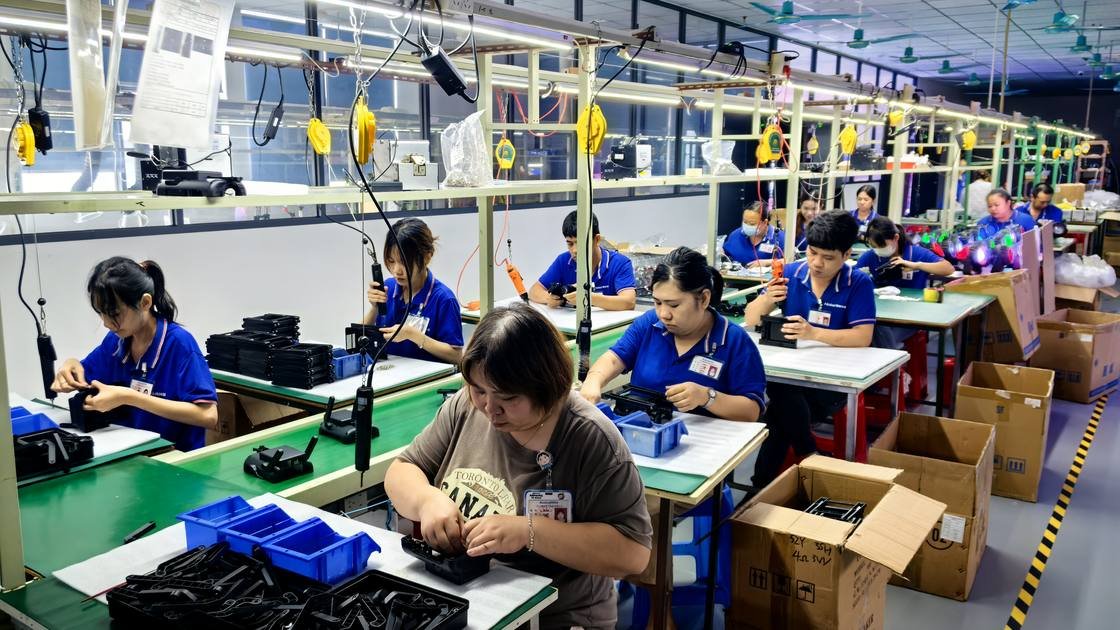
This is a generic assembly-process image, not evidence of capacity, output, or a completed custom order. It illustrates the destination of the decision: production needs one executable product definition, not a conversation in which “small change” still has several meanings.
Use a Route-Release Sheet
I keep the route-release record short enough to use and precise enough to block accidental scope drift:
| Release field | What must be frozen before approval |
|---|---|
| Existing baseline | Public product/SKU, version, housing, structure, optics, circuit, and functions used for comparison |
| Physical delta list | Every requested exterior, structural, optical, circuit, and functional change; “none” must be explicit |
| Color-only proof | Confirmation that geometry and every other product system remain unchanged; defined surfaces and sample reference |
| Branding/document scope | Printed/applied logo, packaging, manual, and digital work listed separately |
| Project route | Color-only or new-product; no “light customization” middle state |
| Approval evidence | Signed color reference, or approved industrial design/prototype/trial gate as applicable |
| Commercial boundary | Matching minimum, deposit basis where applicable, and named cost categories without hidden assumptions |
| Schedule boundary | Production clock versus development, buyer approval, and logistics stages |
| Change gate | Named point before tooling where an altered design must be reclassified and rescheduled |
If a buyer has not decided whether an opening moves, I do not check “color-only for now.” I leave the path unresolved. That visible pause is cheaper than releasing an existing-product timeline and discovering later that the signed brief requires a new mold.
Example: A West Coast Commercial-Décor Brief That Was Not Color-Only
A commercial-décor contractor on the West Coast was planning a projector program for hospitality and commercial-property installations. The initial brief led with a different housing color and the team was organizing its calendar around the familiar 35-day factory production cycle. Deeper in the reference material, however, the buyer also wanted a structural change to the housing.
I did not debate whether that structure change was “large enough.” I asked whether housing color was the only product change. The answer was no. I separated the color choice from the structural delta, kept packaging and brand artwork in their own workstream, and reclassified the physical unit as a new product. That moved the planning basis to new tooling, renewed applicable certification work, a 2K-or-higher minimum, and approximately 95 days from confirmed industrial design to shipment rather than 35 days from an unfinished brief.
The useful outcome was a corrected project map, not a claim that the order shipped or met an installation date. The contractor could now decide whether the structural feature justified the new-product path or whether to remove it and return to a true color-only request. Both choices were commercially intelligible because the brief no longer mixed them.
Recheck the Question Whenever the Brief Changes
A color-only approval is not permanent permission for later physical changes. If the buyer adds a molded logo, moves an opening, changes an internal support, requests another optical behavior, or modifies a function, I ask the classification question again. Previous color-sample approval does not carry the new delta into production.
Conversely, a buyer can simplify a new-product brief. If every non-color delta is deliberately removed and the chosen existing product truly remains unchanged except for housing color, the project can be reassessed for the color route. The route follows the current frozen scope, not the label used in the first meeting.
Freeze the delta before you freeze the date. A project clock is credible only after the product path is true.
Conclusion
A custom projector brief does not need “light,” “deep,” or “semi” customization labels. It needs one comparison with an existing product and a visible delta list. My final rule is the one I use at the first brief review and every later change gate: before I discuss tooling, MOQ, or lead time, I ask whether housing color is the only product change.
Frequently Asked Questions
Does changing only a projector housing color require new tooling?
Not in Bowlum's confirmed process, provided the housing geometry, structure, optics, circuit, and functions all remain unchanged. The color sample still needs buyer sign-off, and buyer and factory each retain a reference for production comparison.
What is the one question that decides the custom projector route?
Ask, “Is housing color the only product change?” A clear yes enters the existing-product color route. Any additional exterior, structural, optical, circuit, or functional change enters the new-product route.
Does a molded or embossed logo count as color-only customization?
No if the logo changes housing geometry. A printed or applied logo on an unchanged surface can remain a separate branding workstream, while molded, recessed, or embossed geometry makes it an exterior product change.
Do packaging and manual changes require new projector tooling?
Not by themselves. Packaging artwork, retail-box structure, labels, and manual content need their own controlled approvals, but they do not decide physical projector tooling unless the requested project also changes the product.
What MOQ applies to a custom projector housing?
Bowlum's confirmed minimum is approximately 1K units for a non-neutral housing color on an otherwise unchanged existing product. A new product requiring changes beyond color starts at 2K units. The selected baseline and exact scope still need confirmation.
Does the 35-day figure include samples, approval, and shipping?
No. The confirmed 35 days is the factory production cycle only. Color-sample preparation, buyer review, development, approval delay, freight, customs, and arrival are outside that production clock.
When does Bowlum's approximately 95-day new-product benchmark begin?
It begins after industrial design is confirmed and runs through development, trial, approval, and the 35-day factory production stage to shipment. Buyer design time, extended approval delays, freight, customs, and destination arrival should not be hidden inside that benchmark.