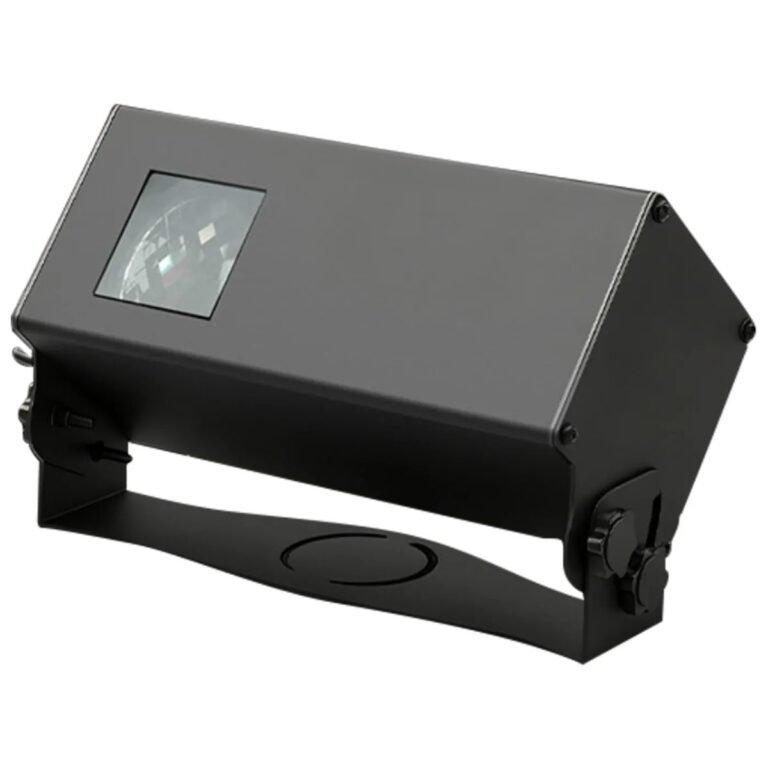

A buyer sees “very low MOQ” on one offer and “1,000 pieces” on another. The easy conclusion is that the first supplier is flexible and the second is difficult—or that one must be a trader and the other must own a factory. When buyers ask me what MOQ means in manufacturing, I stop that comparison and ask a different question: how will each exact order be supplied?
The problem is not that a low MOQ is automatically generous or suspicious. The problem is that one quantity can hide several operating models: finished inventory, a shared standard run, pooled demand, a simplified configuration, a one-time exception, or dedicated production.
MOQ is the minimum quantity a supplier accepts for a particular product, configuration, timing, and supply path. It does not tell you how much you should buy, whether the order will be repeatable, or who owns the production line. The useful question is not “Is this MOQ low?” but “What makes this MOQ possible, and will the same path exist for my reorder?”
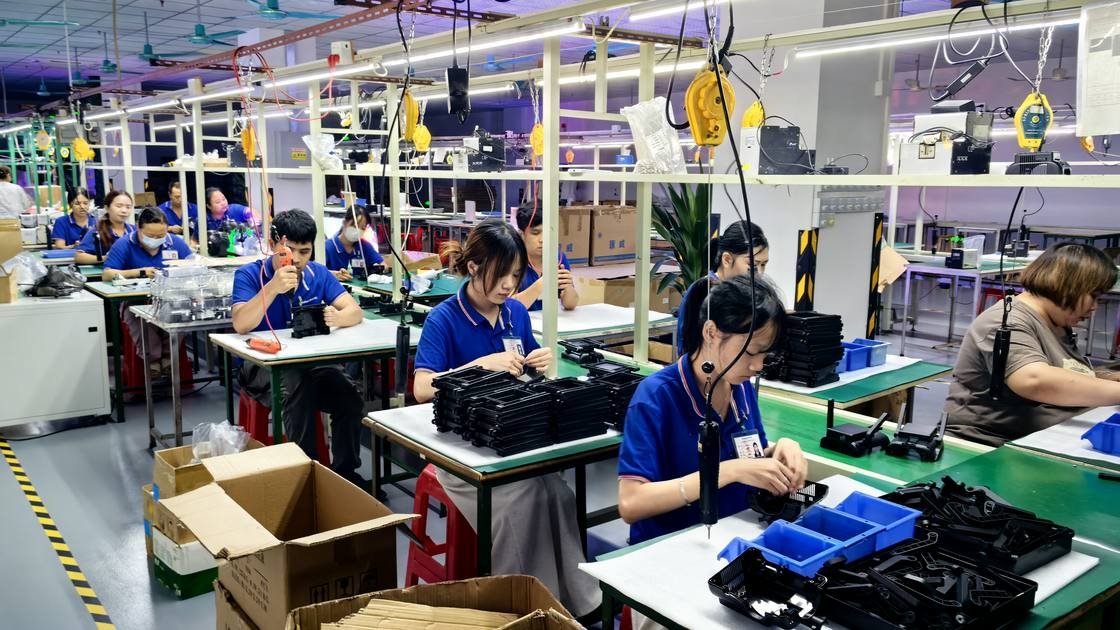
This is a general view of Bowlum assembly activity. It does not establish an MOQ formula, a setup duration, or the production route of a particular order.
Below, I separate the economics of a dedicated production run from the other paths that can support a smaller order. Then I apply that distinction to our verified factory benchmarks, two public outdoor-projector families, and the decision a buyer must make before treating a first order as a repeatable supply program.
What Does MOQ Mean in Manufacturing—and What Does It Not Mean?
MOQ is often treated as one bare number. In practice, the number has no stable commercial meaning until it is attached to a specific supply route and product definition.
In manufacturing, MOQ means the minimum quantity accepted under stated operating conditions. It is not a demand forecast, a recommended inventory level, a container quantity, a guarantee of future availability, or evidence that the seller is a manufacturer. Ask for the product version, source of supply, timing, and reorder condition behind it.

The photograph shows multiple powered projector forms on racks. It does not show their SKU identities, inventory status, ownership, or availability for a quoted order.
Separate the Buyer Number From the Supplier Number
The buyer has a quantity that comes from expected demand, inventory capacity, project requirements, or a test plan. The supplier has a threshold that comes from the route used to fulfil the order. Those numbers may meet, but they answer different questions.
I write them on separate lines. “Buyer requirement” tells me what the market or project can absorb. “Supplier MOQ” tells me the smallest order accepted under one set of conditions. If the requirement is below the threshold, the solution is not automatically to push the number down. The buyer may need a different path, a standard configuration, an aggregated order, a distributor that already holds inventory, or more evidence before committing.
| Quantity concept | The question it answers | What it cannot prove |
|---|---|---|
| Buyer requirement | What can this project or channel use responsibly? | Whether the supplier can make or repeat it |
| Supplier MOQ | What is the minimum accepted under this supply path? | Whether that quantity is right for the buyer |
| Dedicated-run quantity | What defined batch can enter a controlled production route? | Factory ownership or future availability by itself |
| Available inventory quantity | What can be released from a stated stock position now? | That new production can follow on the same terms |
| Pilot or evaluation quantity | What can be supplied for learning or approval? | That it is a formal production commitment |
Keep Five Qualifiers Attached
Whenever I record an MOQ, I attach five qualifiers: exact product, exact version, supply route, timing window, and reorder condition. “Projector MOQ: low” is unusable. “This public SKU and version, supplied from this stated route during this window, with this condition for the next order” is something a procurement colleague can review.
This also prevents a common category error around a minimum order quantity in China. The country does not set one manufacturing MOQ. Each factory, product, configuration, season, and supply arrangement can have a different operating floor. A search term may be broad; the purchase order cannot be.
MOQ describes how one order may be supplied. It does not prove who owns a production line.
Why Does a Dedicated Production Run Create a Quantity Floor?
A dedicated production run is not a larger version of taking units from a shelf. It requires the supplier to coordinate a defined configuration through a sequence of batch-level and per-unit work.
A dedicated run develops a quantity floor because some production work belongs to the batch rather than to each individual unit. Planning, configuration control, line readiness, approvals, packing setup, and release documentation do not disappear when the order becomes smaller. Per-unit assembly, inspection, aging, and packing then sit on top of that fixed batch work.
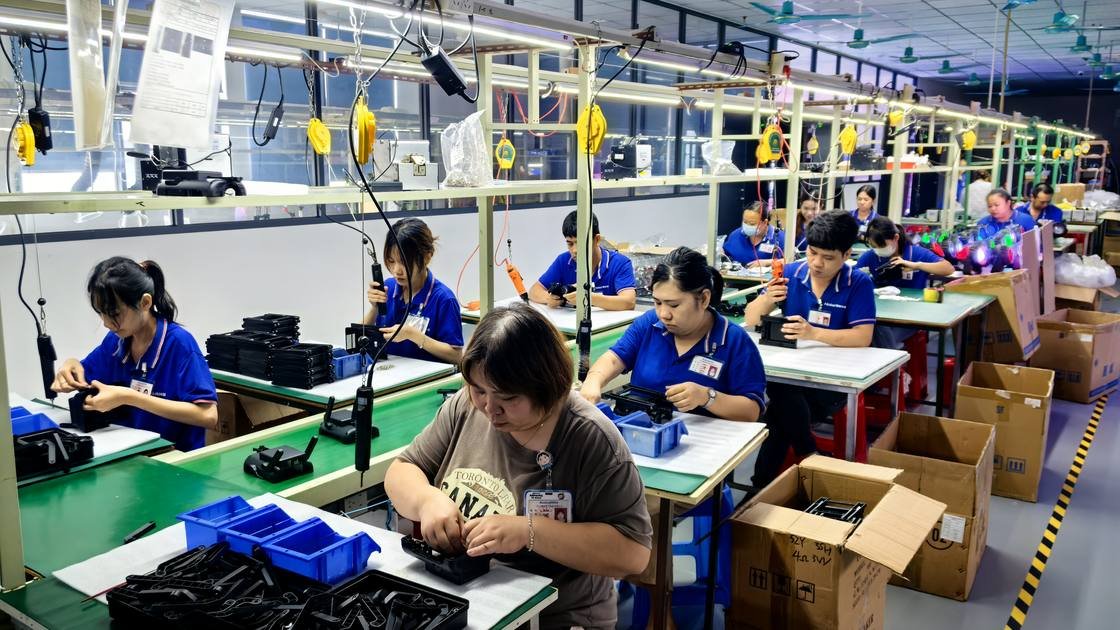
The image shows assembly activity. It does not reveal the SKU, batch size, setup time, material allocation, or economic floor of that work.
Fixed Batch Work and Per-Unit Work Are Different
I do not use a universal manufacturing MOQ calculation because factories do not share one formula. Depending on the product, a dedicated run may require some or all of the following work before, during, and after assembly:
| Work category | How it behaves | Buyer question |
|---|---|---|
| Product and version definition | Established once for the controlled batch | Which specification and revision govern this run? |
| Material and component allocation | May depend on supplier packs, scheduled availability, or existing stock | Which items are already allocated, and which still depend on procurement? |
| Line and workstation readiness | Batch-level coordination before repeatable assembly | What configuration is the line being prepared to build? |
| Artwork, labeling, and packing approval | Affects the batch even when unit count changes | Which approved file and packing revision will be used? |
| Inspection and release records | Created around the batch and its units | What identifies the batch, result, and responsible role? |
| Assembly, testing, aging, and packing | Repeated for each applicable unit | Which steps are per unit, and which are sampled? |
The table explains the mechanism, not Bowlum's private cost structure and not another factory's formula. Upstream component minimums, production scheduling, and packaging conditions differ. A buyer should ask which constraints actually apply instead of repeating a generic explanation back to the supplier.
What I Can Confirm About Our Benchmark
At Bowlum, the confirmed basic factory MOQ is 1,000 pieces, with possible variation by model or project. Our standard factory-production benchmark is 35 days. We operate 5+ production lines, but that line count does not convert into a universal quantity formula; capacity, schedule, product definition, and project path still have to be identified.
I can confirm those operating benchmarks. I cannot honestly offer one universal equation proving why every product should begin at exactly the same number. That is why I describe 1,000 pieces as a basic benchmark, not an immutable law and not a test of whether another supplier is genuine.
This distinction matters in negotiation. If a supplier can change the route, standardize the product, connect the order to an existing run, or allocate the batch work differently, the acceptable quantity may change. If none of those conditions changes, repeatedly asking for a lower number does not remove the work. It only leaves the buyer unsure about where that work went.
A factory benchmark is an operating boundary, not a universal law or a supplier-identity test.
How Can a Low MOQ Be Real Without Proving Supplier Identity?
A low MOQ can be completely real. The risk begins when the buyer treats the quantity as a complete explanation instead of asking which path supports it.
A low MOQ may come from finished stock, attachment to a shared standard run, pooled demand, a standard configuration with fewer changes, a pilot arrangement, distributor inventory, or a one-time allocation of fixed batch work. None of those paths proves or disproves factory ownership. Verify the route, exact configuration, availability window, and reorder condition separately.
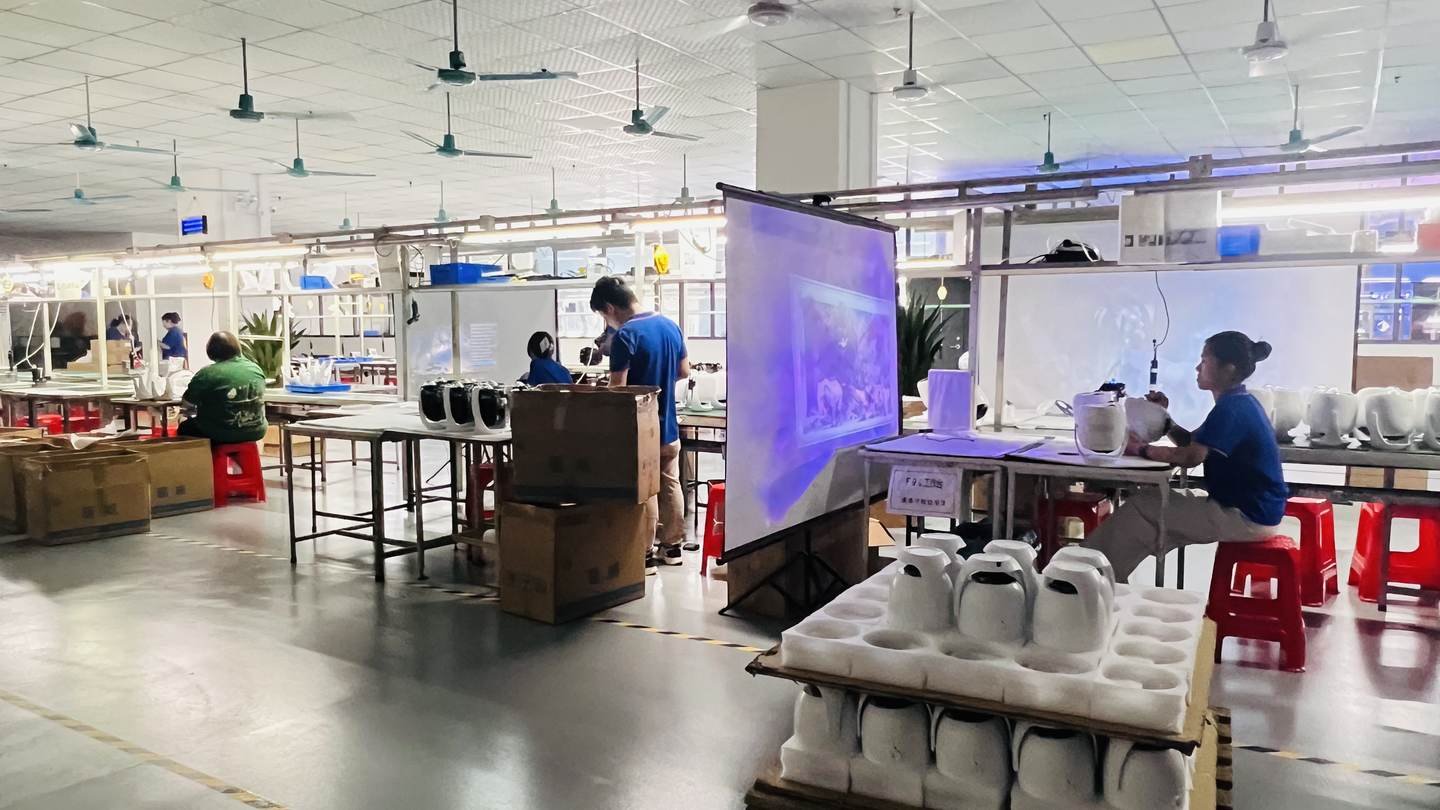
This broad floor view is generic process context. The image cannot show whether a particular offer comes from stock, a shared run, or dedicated production.
Seven Possible Paths Behind One Small Quantity
The following paths are general procurement possibilities. They are not a statement that Bowlum offers each one. A buyer must confirm the path with the supplier who made the offer.
| Possible path | Where the batch-level work sits | What the buyer depends on for the reorder |
|---|---|---|
| Finished inventory | A prior production batch already carried it | Exact version, age, quantity, storage condition, and remaining stock |
| Shared standard run | Identical demand sources share one scheduled batch | The same configuration and schedule remaining available |
| Pooled or aggregated demand | An organizer combines several requirements before production | Clear control of specification, allocation, records, and responsibility |
| Standardized configuration | Existing product, artwork, accessories, and packing avoid new batch decisions | Acceptance of the fixed elements at the next order |
| Pilot or evaluation arrangement | The supplier allocates batch work to an approval purpose | A defined trigger and new conditions for formal production |
| Distributor-held inventory | The channel partner previously absorbed a larger upstream run | Factory origin, current version, replenishment source, and local stock owner |
| Special allocation | The supplier carries or redistributes batch work under an exception | Written confirmation of whether the exception is one-time or repeatable |
One path is not inherently better. Finished inventory can be the correct choice for a buyer who needs a controlled existing version quickly. A shared run can suit a standard product. Distributor stock can be exactly right for smaller, mixed, or urgent requirements. Dedicated production becomes valuable when the buyer needs control, repeatability, development, or a planned replenishment program at production scale.
Verify Identity With a Different Test
I refuse to infer identity from quantity. A manufacturer may release existing stock below its normal dedicated-run threshold. A distributor may sell genuine factory production in small lots. A sourcing company may coordinate a large run. A large MOQ, by itself, does not prove ownership any more than a low one disproves it.
If supplier identity is material, use a separate evidence chain across the legal entity, operating site, exact SKU process, records, and packing data. Our remote Chinese supplier audit guide explains that job. If the issue is a phrase inside a quotation, use the supplier quotation red-flags guide to translate it into scope and evidence. This article stays with the production economics after those words have been clarified.
The Reorder Is the Strongest Question
My preferred follow-up is simple: “If the first order is accepted at this quantity, what exact condition must still be true for the second order?” That question exposes whether the route depends on stock, another customer's schedule, a standard version, a temporary exception, or a future dedicated run.
A first order can be valid even when it is not repeatable. The mistake is letting a one-time path become the buyer's replenishment plan without saying so.
How Does Customization Change MOQ at a Projector Factory?
Customization changes the supply path because the word can describe anything from an existing color decision to a new product that affects tooling, optics, electronics, and market evidence.
At Bowlum, the verified boundary is one question: is housing color the only product change? Color-only work stays on the existing-product path; for a non-neutral housing color, the confirmed minimum is approximately 1K, followed by a 35-day factory-production stage after approval. Any other appearance, structural, optical, circuit, or functional change enters a new-product path with tooling, renewed certification work, 2K or more, and approximately 95 days from confirmed industrial design to bulk shipment.
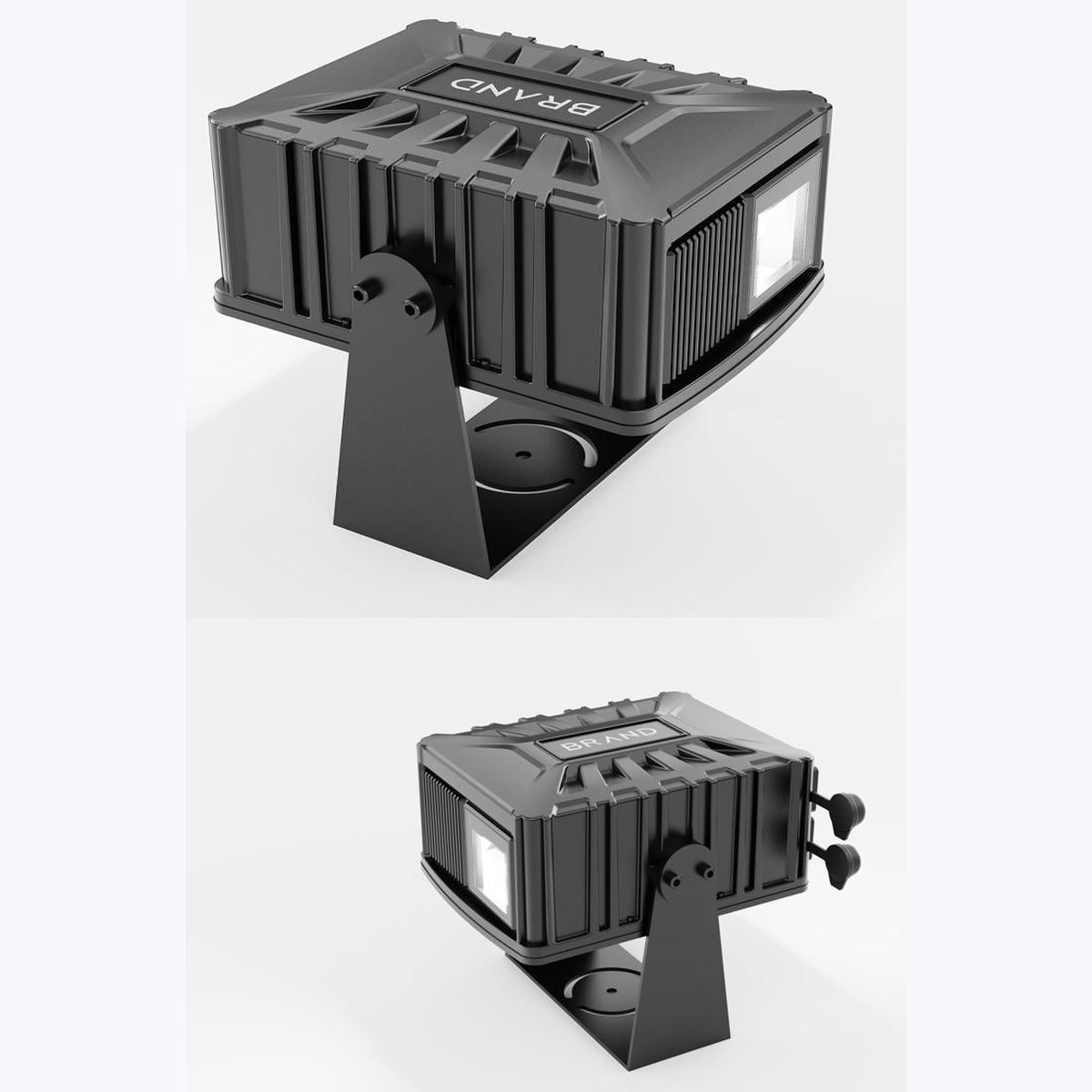
This is an exact BWL-OL-004 gallery asset showing the housing from two angles. The image does not identify its control version or prove an MOQ or production run.
One Product Family Can Still Contain Different Orders
BWL-OL-004 is publicly recorded with a 7-Color APP family version and a DMX512 professional version. Those names alone do not establish that both versions share one availability, schedule, component set, or MOQ for a particular order. I keep the selected version, accessories, control method, artwork, plug option, and packing revision on the same line as the quantity.
This is where “standard product” needs precision. A product family can be standard while one ordered configuration is not currently part of the available supply route. Conversely, a defined existing version may fit a shared or scheduled production path that would not apply after the buyer changes its structure or control system.
The Verified Bowlum Path Split
| Requested product boundary | Operating path | MOQ and factory timing boundary |
|---|---|---|
| Housing color only | Existing-product path; no new mold; certification work does not restart | Approximately 1K for a non-neutral housing color; 35-day factory-production stage after approval |
| Any additional appearance, structural, optical, circuit, interface, or functional change | New-product path with tooling and renewed certification work | 2K or more; approximately 95 days from confirmed industrial design to bulk shipment |
These are factory-development paths, not delivered-date promises. Freight, customs, and local receiving sit outside them. The custom projector color-versus-new-tooling guide owns the full classification and approval workflow; here the narrower lesson is that a small-looking change can move an MOQ into a different economic system.
Do Not Negotiate Quantity Before Freezing the Change Boundary
I ask the color-only question before discussing whether a quantity is workable. Otherwise, the buyer and supplier may be negotiating two different projects: one side imagines a standard product with artwork, while the other hears a structural or optical redevelopment.
The safest sequence is product boundary first, exact version second, supply route third, quantity fourth. Reversing that order creates an attractive number with no stable object attached to it.
Which MOQ Supply Path Fits Your Demand and Reorder Risk?
The lowest acceptable quantity is not always the best fit. A buyer should choose the path whose inventory, control, timing, and replenishment consequences match the business after the first shipment.
Choose finished or distributor inventory when the priority is a smaller immediate release and the existing configuration is acceptable. Choose a shared standard run only when its schedule and repeatability are explicit. Choose dedicated production when demand can support the factory benchmark and the buyer needs controlled configuration, planned replenishment, or development.
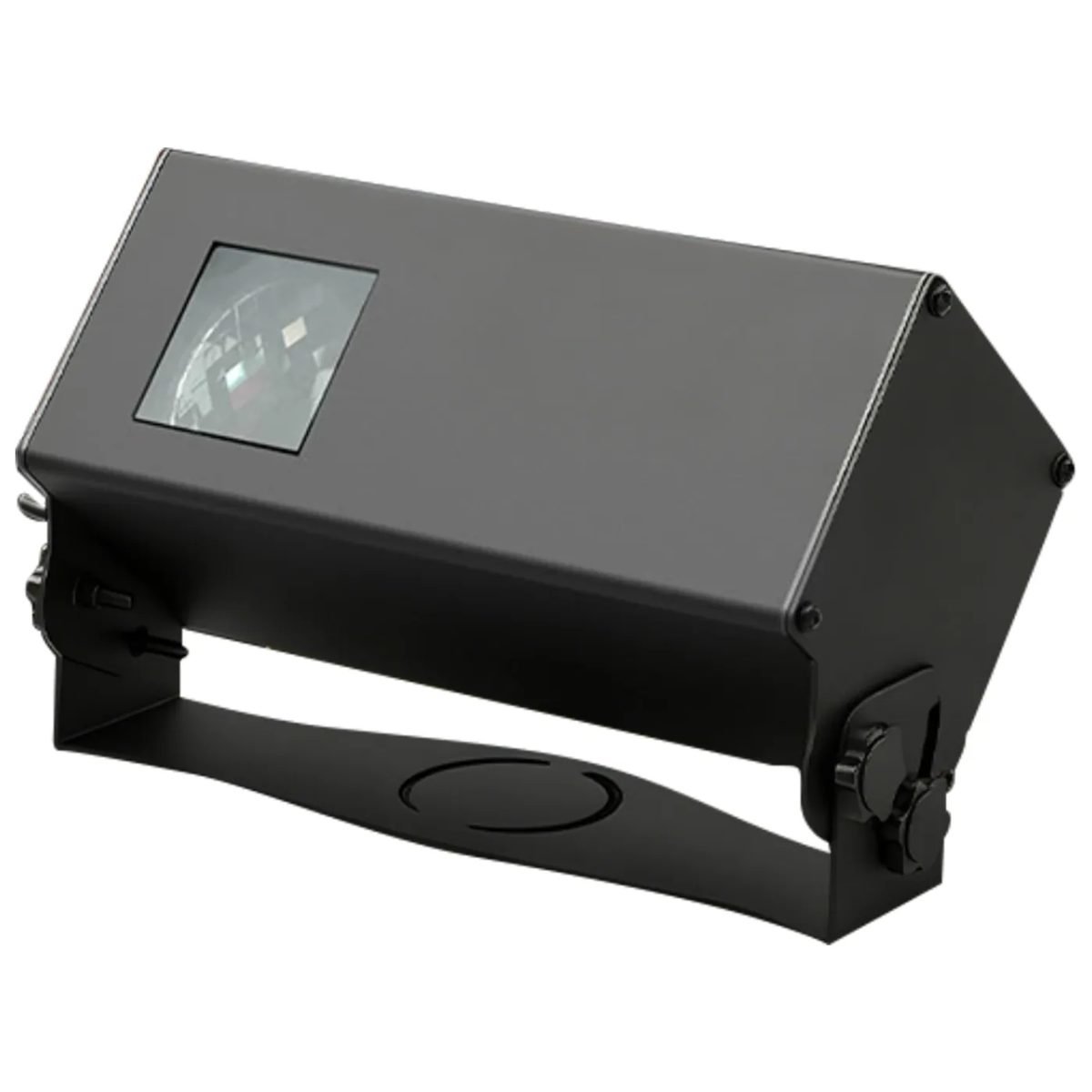
This exact BWL-OL-001 product image shows the visible housing. It does not prove stock, version availability, production status, or MOQ.
BWL-OL-001 is publicly recorded with white-light and color-light versions. That family identity still does not answer which version, supply route, or reorder condition a buyer has been offered. I name the version before I compare its quantity with another path.
Use Four Decision Axes
I compare supply paths on four axes before asking for a concession:
- Demand certainty: Is the quantity supported by actual channel or project use, or only by an optimistic forecast?
- Configuration control: Can the buyer accept an existing version, or must the product, control method, artwork, or packing be changed?
- Replenishment pattern: Is this a one-time project, a seasonal top-up, or a repeat program that must reproduce the same configuration?
- Response need: Can the buyer wait for factory production, or does the business require local break-pack inventory and rapid replacement?
| Buyer condition | Path to investigate first | Main qualification question |
|---|---|---|
| Small immediate need; existing version acceptable | Finished or distributor inventory | Is the exact version present, and who owns replenishment? |
| Evaluation before a formal program | Documented pilot or sample path | What changes at formal production? |
| Standard version; flexible schedule | Shared scheduled run | Is the same configuration and slot repeatable? |
| Aggregated stable demand; repeat control required | Dedicated production | Can the buyer define and absorb the controlled batch? |
| Product change beyond color | New-product development path | Are 2K or more and the approximately 95-day path from confirmed industrial design to bulk shipment compatible with the program? |
| Frequent small local replacements | Distributor-supported model | Who holds compatible local stock during the active season? |
The matrix is not a channel ranking. It is a fit test. A distributor can be the most professional route for one requirement, while a dedicated factory run is the correct route for the next. The buyer's risk comes from asking one route to perform the job of another.
A Buyer Example: When I Advised an Installer to Keep His Distributor
An installer in Texas once asked whether we could lower the MOQ for a direct program. His seasonal demand was real, but it still did not reach our basic 1,000-piece dedicated-production benchmark. He also needed local replenishment during the active season.
I separated his actual repeat use from our operating threshold. I would not turn a supplier minimum into his sales forecast or ask him to carry a dedicated batch merely to qualify. A smaller inventory allocation would solve only the first release; it would not guarantee the same version on the reorder. His distributor was already aggregating demand and holding the local response function he needed.
I advised him to keep that route for the current program. For a future factory discussion, I asked him to build an aggregation record by exact SKU and version, then separate planned seasonal demand from emergency replacements. The result was not a direct order. It was a usable trigger for returning: stable repeat demand that could support one defined production path.
Another buyer can reuse that method without knowing this installer. Start with the service the supply path must perform. Then test whether the quantity, configuration, response window, and reorder all fit that path.
The right MOQ is the one whose supply path still works on the reorder.
What Risks Remain After You Accept the MOQ?
An agreed quantity closes only one line of the sourcing decision. The order can still fail operationally if version identity, supply-route assumptions, schedule boundaries, or release evidence remain unclear.
After accepting an MOQ, record six remaining controls: exact configuration, source path, availability window, production-time boundary, release evidence, and reorder condition. Treat a one-time exception as one-time until documented otherwise, and never let a photograph or a reassuring quantity replace the applicable records.
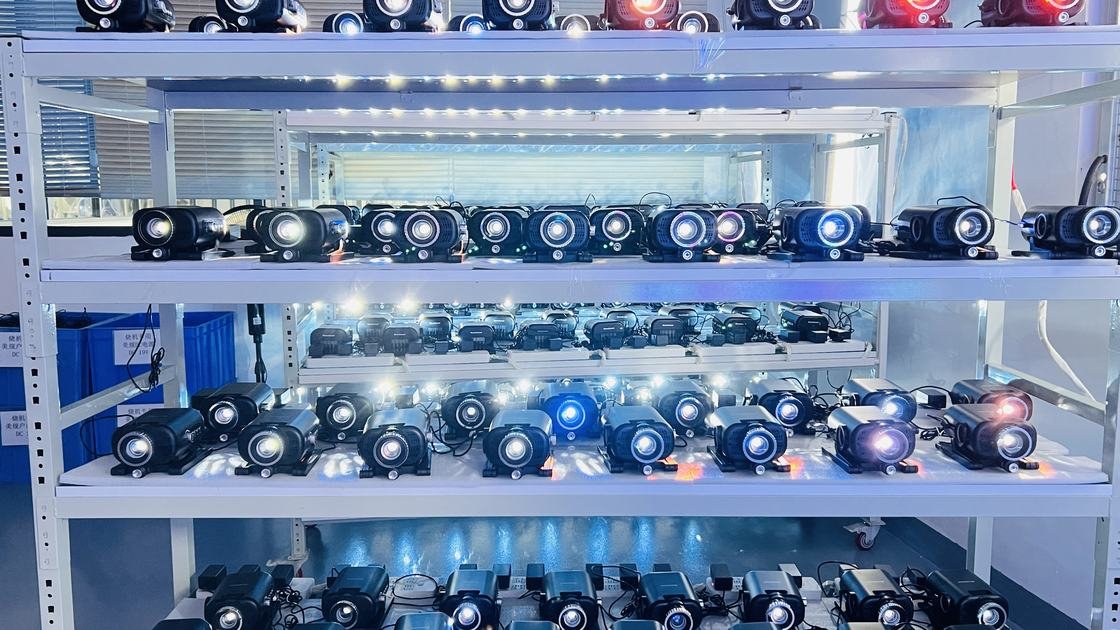
The scene is consistent with powered units on aging racks. It cannot establish the SKU, quantity, start and end times, duration, result, or release status.
The Six-Row Risk Register
| Remaining control | Failure mode if left implicit | Evidence or decision needed |
|---|---|---|
| Exact configuration | The quantity applies to a neighboring version | Public SKU, version, options, artwork, and packing revision |
| Supply path | The buyer expects new production but receives an inventory allocation, or the reverse | Written route and responsible entity |
| Availability window | A shared run or stock position expires before approval | Dated reservation or stated validity condition |
| Factory timing boundary | Production duration is mistaken for arrival timing | Named start event and factory finish event |
| Quality and release path | MOQ is treated as proof that the batch followed a controlled process | Applicable process, record identity, and result ownership |
| Reorder condition | A one-time route becomes an assumed replenishment plan | Next-order quantity, route, version, and trigger for change |
At our factory, each unit receives approximately eight hours of aging. That is a confirmed release-process fact, not a promise that a pictured rack proves the duration for a named unit and not a claim that aging answers every quality question. A buyer should connect the applicable batch, unit identity, time record, result, and responsible role.
This is also where a low-MOQ manufacturer claim can be misunderstood. The phrase may describe a real operating arrangement, but the buyer still needs to know whether normal inspection, aging, packing, and change controls apply to that path. A pilot may use a different approval purpose from mass production. Finished inventory may carry an earlier revision. A shared run may close its booking window. None of those conditions is automatically unacceptable; each must be visible.
Red Flags Are Inconsistencies, Not Small Numbers
I treat these as actionable warning signs:
- the supplier cannot state whether the order is inventory, shared production, or dedicated production;
- the MOQ changes while the exact product and conditions appear unchanged, with no explanation;
- the first order is described as repeatable, but the next-order path is left blank;
- a family name replaces the selected version after the quantity is agreed;
- factory production time is presented as a complete delivered timeline;
- a photo of activity is offered instead of a product- and batch-linked record.
These are evidence gaps or inconsistencies. They justify clarification, a held decision, or a different verification method. They do not justify an instant accusation about supplier identity.
Conclusion
MOQ is not a personality test for a supplier and not a verdict on whether a buyer is “large enough.” It is the visible output of an operating path. Finished inventory, pooled demand, shared standard production, simplified configuration, distributor stock, and dedicated manufacturing can each support different quantities because they carry batch work, control, timing, and replenishment differently.
For Bowlum, the confirmed basic factory benchmark is 1,000 pieces with model or project variation. A housing-color-only request stays on the existing-product path; a non-neutral color has an approximately 1K minimum and a 35-day factory-production stage after approval. Other product changes enter a 2K-or-more path of approximately 95 days from confirmed industrial design to bulk shipment. Those facts define our routes. They do not create a universal rule for every supplier.
My decision rule is simple: I do not accept an MOQ as complete until the exact configuration, current supply path, and reorder path appear on the same page. That is the point where a quantity becomes a supply plan.
Frequently Asked Questions
What is MOQ in manufacturing?
MOQ is the minimum quantity a supplier accepts for a stated product, configuration, timing, and supply path. It should always be read with its conditions. It is not automatically the quantity a buyer should purchase.
Does a low MOQ mean the supplier is a trading company?
No. Low quantity may come from finished stock, a shared run, pooled demand, a pilot, a standard configuration, distributor inventory, or another documented arrangement. Verify supplier identity separately and ask how this exact order and its reorder will be supplied.
Does a high MOQ prove that a supplier owns a factory?
No. A high quantity can be quoted by manufacturers, distributors, traders, or sourcing companies. Factory ownership and operational control require legal, site, process, record, and exact-product evidence rather than a quantity alone.
Why do manufacturers set minimum order quantities?
Dedicated production includes batch-level work such as product definition, material allocation, line readiness, approvals, packing setup, and release records, plus per-unit assembly and testing. The applicable mix differs by factory and product, so there is no universal MOQ formula.
Can I negotiate MOQ by choosing a standard configuration?
Sometimes a standard configuration supports a different supply path, but that must be confirmed for the exact order. Ask which color, version, accessories, artwork, plug option, and packing are fixed, and whether the same arrangement will exist for the reorder.
What is Bowlum's basic projector factory MOQ?
Bowlum's confirmed basic factory benchmark is 1,000 pieces, with possible variation by model or project. Housing-color-only work stays on the existing-product path; a non-neutral color has an approximately 1K minimum and a 35-day factory-production stage after approval. Any other appearance, structural, optical, circuit, or functional change requires 2K or more and an approximately 95-day path from confirmed industrial design to bulk shipment.
What should I ask after a supplier accepts a lower MOQ?
Ask whether the supply comes from inventory, a shared run, pooled demand, a pilot, or dedicated production. Confirm the exact version, availability window, inspection and release path, and what quantity and conditions apply to the next order.