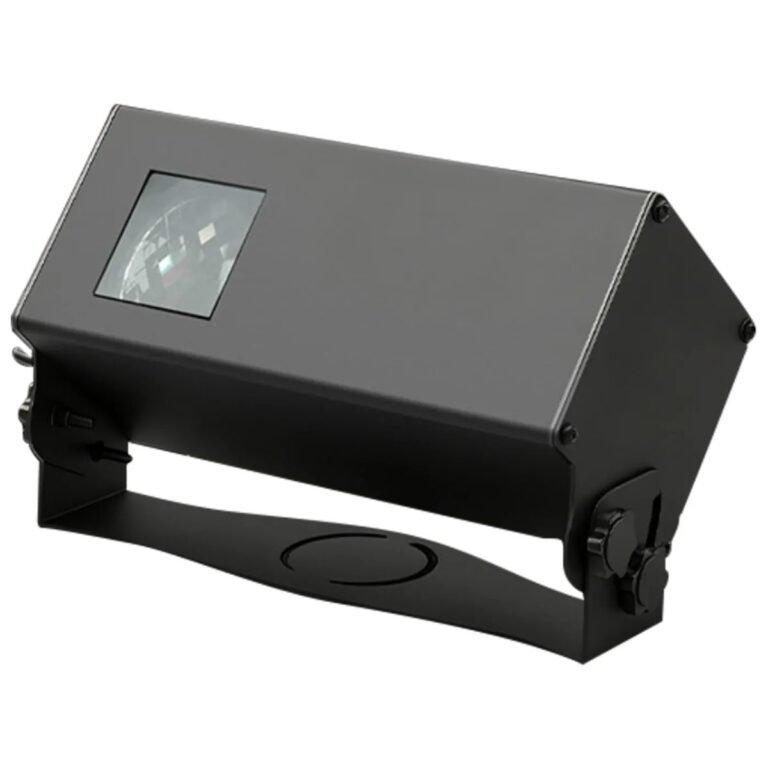

An importer preparing a new projector program often receives a familiar package: a company document, a factory introduction, a product catalogue, and a polished workshop video. The files may all look credible. The difficult question is not whether each item looks professional. It is whether the items belong to the same legal entity, the same operating site, the same product, and the same quality process.
When I prepare a remote factory audit, I do not begin with a long list of yes-or-no questions. I draw a chain with five links: legal entity, live premises, named-SKU process, inspection or aging records, and packing data. Then I ask the supplier to connect those links while dates, names, addresses, product identities, and record references remain visible.
The common misconception is that one decisive artifact can settle the whole issue. A business license can identify a registered company, but it does not by itself establish who operates a workshop. A live video can show an active production area, but it does not by itself establish ownership, normal output, or the process used for your product. A packing list can be internally consistent, but it does not establish that the shipment has been produced.
The practical answer to how to verify a Chinese supplier remotely is to test continuity across several independent pieces of evidence, record every unresolved link, and escalate the items that remote evidence cannot settle.
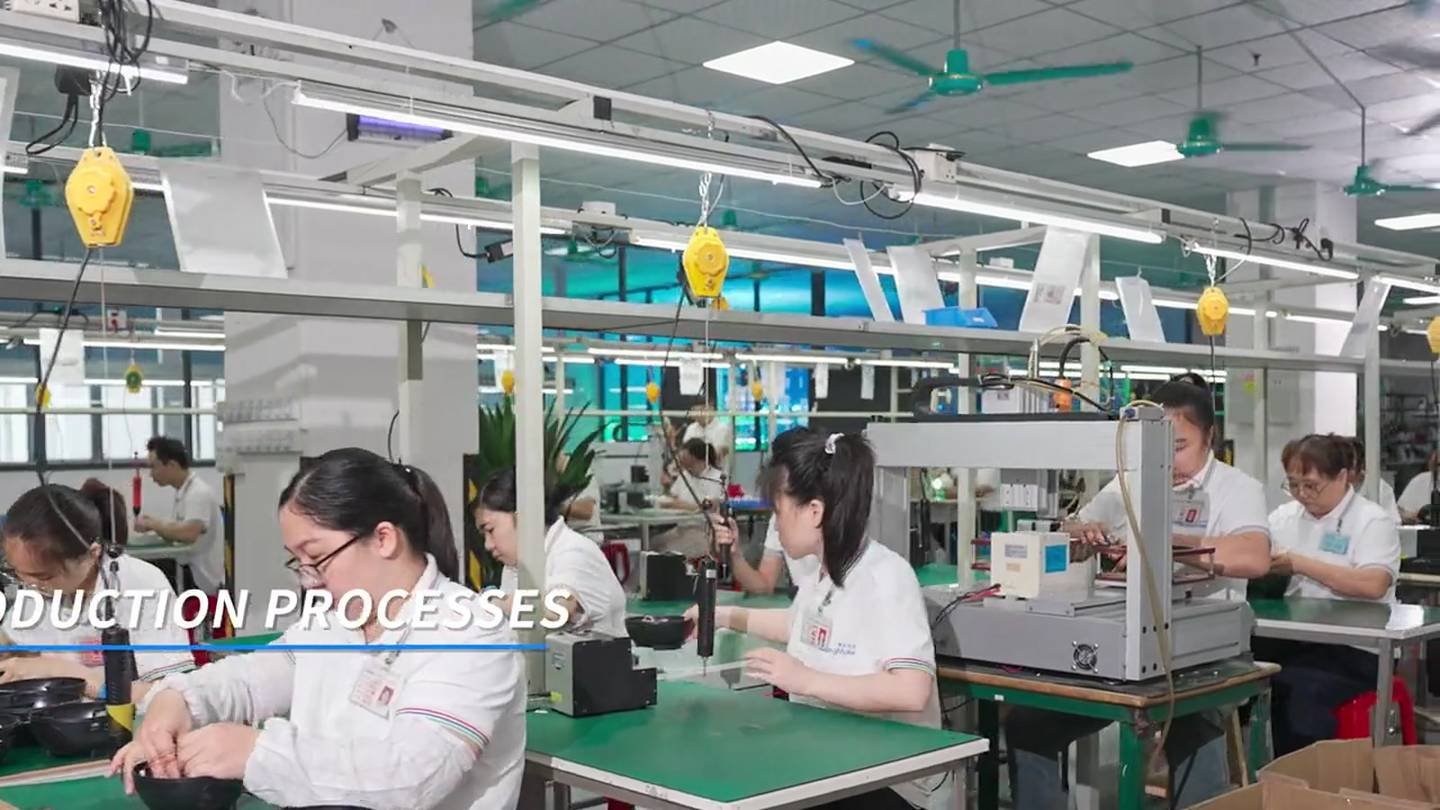
This factory-tour poster shows a production environment. It does not, by itself, identify the legal operator, establish ownership, or prove the capacity of the site.
What Can a Remote Chinese Factory Audit Actually Establish?
A remote review is strongest when its purpose is narrow: connect claims, expose gaps, and decide what evidence is still needed before the commercial risk increases.
A remote audit can establish whether a supplier presents a coherent, traceable account of its identity and process; it cannot make every ownership, capacity, or production claim conclusive.
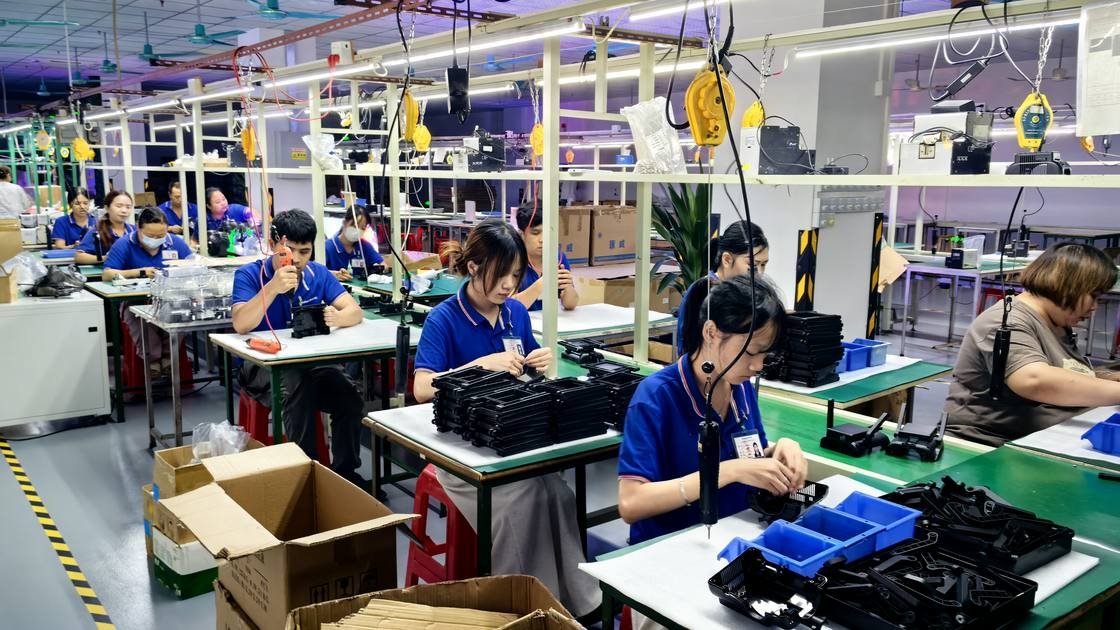
The workshop image supports only what is visible: people, benches, components, and an active production setting. The audit still has to connect that setting to the contracting entity and the buyer's product.
I separate “visible,” “documented,” and “demonstrated” before the call begins. If I can see workers at benches, the visible fact is an active workshop scene. If a document lists a company name and address, the documented fact is what that file states. If the supplier moves continuously from a site identifier to a work area, follows one named product through a process, and later provides records carrying matching references, the connections have been demonstrated more strongly. None of those labels should be silently upgraded to “proven beyond doubt.”
| Evidence link | What a remote review can test | What that item cannot establish alone |
|---|---|---|
| Legal entity | Whether the company name, registration details, address, and contracting identity agree across the supplied documents | Who owns or controls every facility shown |
| Live premises | Whether a continuous visit can connect identifiable site context, people, work areas, and current activity | Title to the property, normal utilization, or peak output |
| Named-SKU process | Whether the supplier can identify one product and explain where specific production and inspection steps occur | That every order or every shift follows the same process |
| Inspection and aging records | Whether dates, product identity, quantities, results, and record references can be traced together | That a selected record represents all historical production |
| Packing data | Whether units per carton, weights, dimensions, and totals are arithmetically and operationally coherent | That finished goods physically exist or have shipped |
At Bowlum, the current factory operating profile includes five or more production lines, a facility of at least 5,000 square metres, and approximately 200 employees. Those are meaningful operating facts, but I would not ask a buyer to infer all three from one wide-angle image. A remote agenda should connect the stated profile to current site context, named work areas, responsible people, and records. If the risk requires independent confirmation of ownership, workforce, or capacity, the next control may need to be an onsite audit rather than another video.
Leon’s rule: A remote audit is not a hunt for one dramatic “proof.” It is a controlled attempt to make separate claims agree on identity, place, product, time, and quantity.
This framing also prevents two costly errors. The first is false confidence: accepting a genuine document as evidence for a claim it was never designed to support. The second is a premature accusation: treating a missing field, a delayed answer, or a camera limitation as proof that the supplier is false. I mark the first as a scope problem and the second as an unresolved item. Then I ask what additional evidence could resolve it.
How Do You Connect the Legal Company to the Factory You See?
Supplier verification starts with identity matching, then uses the live visit to test whether that identity stays continuous as the supplier moves from documents to people and premises.
Match the legal name and address across the contracting documents, then ask the supplier to connect that identity to the live site without treating the camera view as automatic proof of ownership.
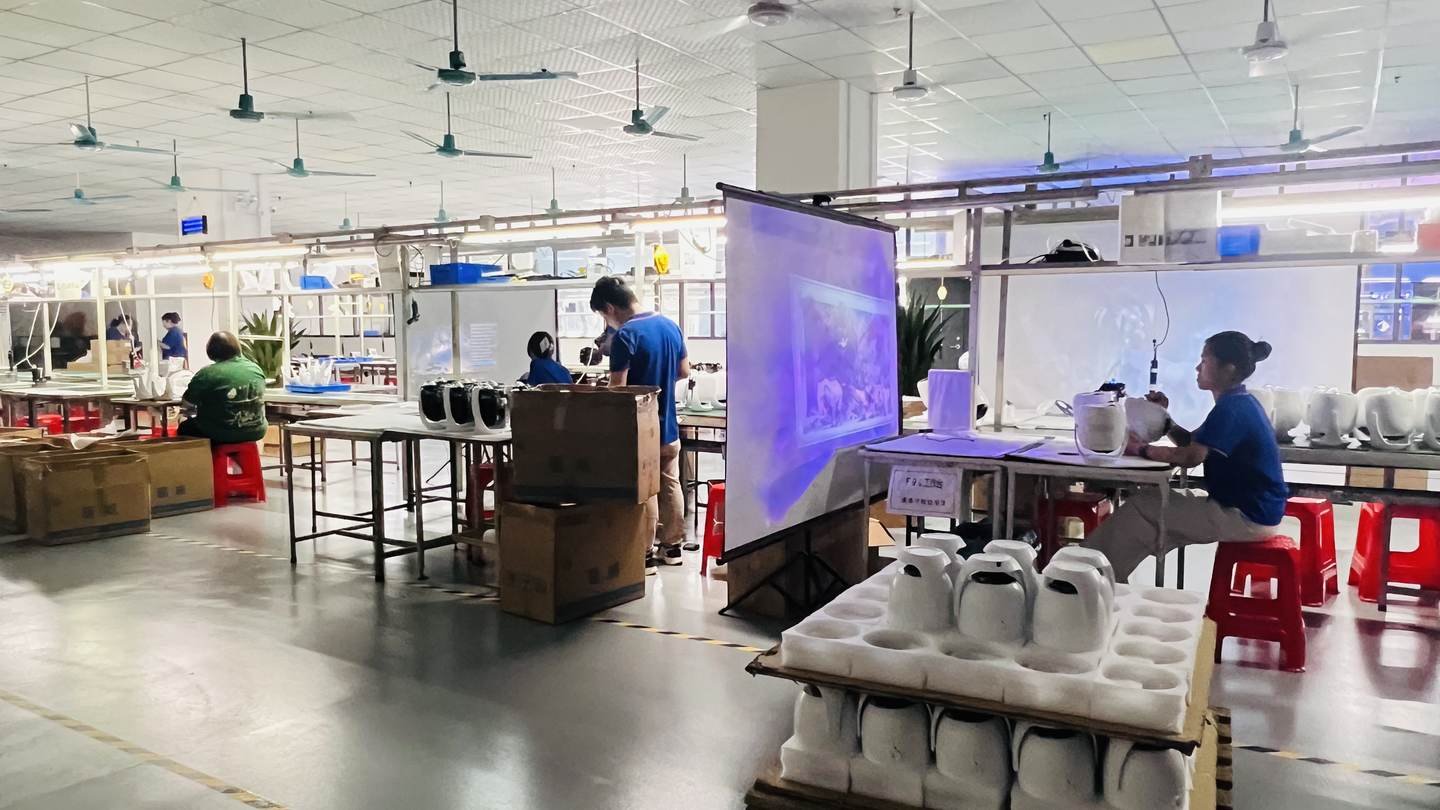
A broad floor view can orient the buyer to the environment. Legal identity and responsibility still have to be matched through documents, people, and records.
Before a call, I make one identity sheet. It contains the legal company name exactly as supplied, the registered address, the operating address if different, the name and role of the commercial contact, the name and role of the person leading the factory visit, and the product program being reviewed. I do not normalize away differences. A translated name, abbreviated address, or different operating location may have a reasonable explanation, but the explanation needs to be recorded.
The live portion should then preserve continuity. I ask the presenter to state the date, their name and role, and the site being shown. Where practical and safe, the route can begin with an identifiable site context and continue into relevant work areas without stopping the feed. A pause, connectivity loss, or restricted area is not a fraud verdict. It is a note: which link was interrupted, why, and what alternative record could support it?
| Identity check | Record before the call | Resolve during or after the call |
|---|---|---|
| Company identity | Exact legal name used for the proposed contract | Any different English name, local-language name, or invoicing name |
| Location | Registered and operating addresses as supplied | Why the operating site differs, if it does |
| People | Commercial contact and planned presenter | Each person's role and relationship to the legal entity |
| Product scope | Public SKU or unambiguous buyer specification | Which site and line handle that exact product or configuration |
| Record ownership | Document titles and issuing party | Who creates, approves, stores, and retrieves each production record |
I also listen for consistency in ordinary operational detail, not for a rehearsed “factory answer.” Who releases material to the line? Where is the inspection result recorded? Which team owns the aging stage? Who updates the packing specification? A supplier may need to consult a colleague, especially when the buyer asks outside the presenter's function. The useful signal is whether the supplier can identify the responsible role and return with a record that connects to the same entity and product.
This is more reliable than trying to classify every supplier with one trick question. A manufacturer may use an export company, a group company may operate more than one site, and a supplier may combine production with sourced components. Those structures change the audit map; they do not automatically make the supplier unsuitable. The buyer needs to know which entity accepts the order, which entity operates the relevant process, and how responsibility moves between them.
What Should You Ask to See for the Exact SKU?
A general factory tour answers “what kinds of activity are visible here?” A product qualification review must also answer “where does my exact configuration enter this process, and how is its identity preserved?”
Choose one named SKU before the call and trace that product through materials, assembly, inspection, aging, and packing instead of accepting an unrelated demonstration unit.
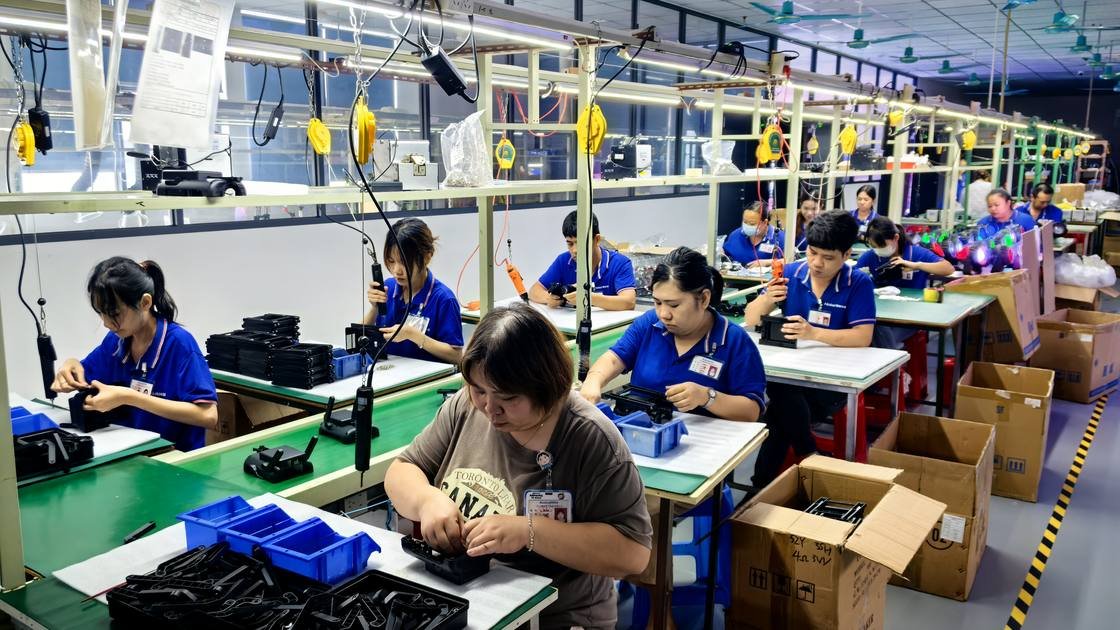
This assembly-line scene illustrates a type of production activity. It is generic factory-process evidence and is not presented as an exact-SKU production record for BWL-OL-001 or BWL-OL-004.
I put the public SKU at the top of the audit sheet. For this article, the two reference products are BWL-OL-001 and BWL-OL-004. They are useful because their source records contain real packing fields that can be checked later. I do not expose internal factory model codes, and I do not let a similar housing substitute for the chosen product. The supplier should be able to state which visible details, label fields, controller or optical configuration, and packaging row identify the version under review.
The purpose is not to demand that every station be running that SKU at the exact moment of the call. Production schedules change. If the product is not on the line, the supplier can say so and connect the buyer to controlled alternatives: a retained unit, the approved specification, a process flow, a recent production record, an inspection form, or the current packing specification. The absence of live production is incomplete evidence for that day, not proof that the process does not exist.
When a unit is available, I ask the presenter to keep its identity attached as it moves. The camera can show the unit and visible label, the work area, the responsible operator or inspector, and the associated record reference. For a configuration with variants, the audit should state which variant is being shown. “This is the same family” is not enough when the buyer's risk depends on a different optical system, controller, power configuration, or packing arrangement.
The same discipline should be applied to reports. A polished report can still cover a different model, a different applicant, or a different construction. Our guide to exact-model report matching explains that deeper check. In the remote audit, I simply reserve a field for the product identity shown on the report and compare it with the SKU and configuration being qualified.
Leon’s rule: If the supplier changes from the named SKU to a “similar model,” the audit has changed scope. Record the substitution; do not let visual similarity close the original question.
An exact-SKU trace is valuable even when it exposes a clean gap. Perhaps the current record uses a family name while the packing sheet uses a public SKU. Perhaps a product version has changed but the document revision does not make that change visible. Those are not automatic accusations. They are change-control questions: which identifier is authoritative, when did it change, and which evidence belongs to the current configuration?
How Do Aging and Inspection Records Strengthen the Audit?
Video shows a moment. Records can extend the review across time, but only when their identity, scope, and relationship to the product are clear.
Ask for a traceable record sample that connects the chosen product, date, quantity, process stage, result, and responsible role; use the live view to understand the process, not to replace the record.
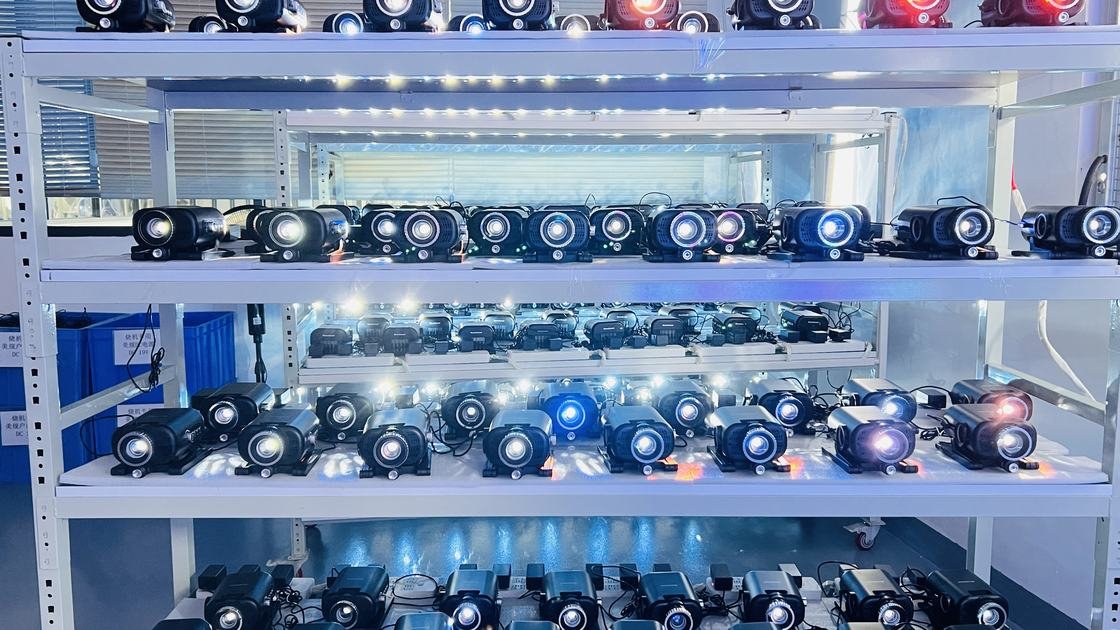
The visible scene is consistent with powered units on aging racks. Duration, quantity, product identity, and results require matching records.
I first ask the supplier to explain the release sequence in plain language. What happens before aging? What makes a unit enter or leave the stage? Which result is recorded? Who reviews an exception? Then I compare that explanation with the fields visible in a dated record sample. Sensitive customer details may be redacted, but the remaining fields still need enough identity to support the audit question.
At Bowlum, every unit receives approximately eight hours of aging. For laser products, we operate an in-house laser test room, and each laser unit must meet the Class 1 release requirement before it can leave the factory. These are factory-level process facts. I present them as a process that a buyer can ask us to trace, not as a shortcut that turns every product page or every unrelated document into a blanket product certificate.
An image of powered units on racks is useful context. It can show the rack layout, connected units, visible power status, and the kind of space used for an aging stage. The image cannot establish that a particular unit remained there for eight hours. It cannot show the start and end times, the tested quantity, the acceptance result, or the handling of an exception. Those questions belong in the matching record.
A compact record review can use the following fields:
| Record field | Audit question | Useful consistency check |
|---|---|---|
| Product identity | Which exact SKU and version entered the process? | Matches the chosen audit SKU and current specification |
| Date and time | When did the stage begin and end? | Plausible sequence and stated duration |
| Quantity | How many units entered, completed, or were held? | Agrees with the batch or packing context supplied |
| Process or test | What was done, and under which work instruction? | Matches the process explained on the live call |
| Result and exception status | What was accepted, held, or sent for review? | No unexplained jump from input quantity to released quantity |
| Responsible role | Who performed and who reviewed the step? | Role names agree with the supplier's process map |
| Revision or reference | Which form or instruction was current? | Compatible with the product version under review |
I do not ask one selected record to prove that every historical batch was handled identically. I use it to test whether the supplier can retrieve a coherent example and explain its path. If the purchasing decision requires broader confidence, the sampling plan should expand across dates, shifts, products, or batches. The remote call supplies context; the review scope determines how much evidence is needed.
Can Packing Data Reveal an Inconsistent Supplier Story?
Packing data is one of the best remote cross-checks because it connects product identity, unit count, physical dimensions, weights, and shipment preparation in one compact record.
Recalculate the packing row and compare it with the named SKU, but treat a coherent row as supporting evidence—not proof of production—and treat a missing field as incomplete rather than false.
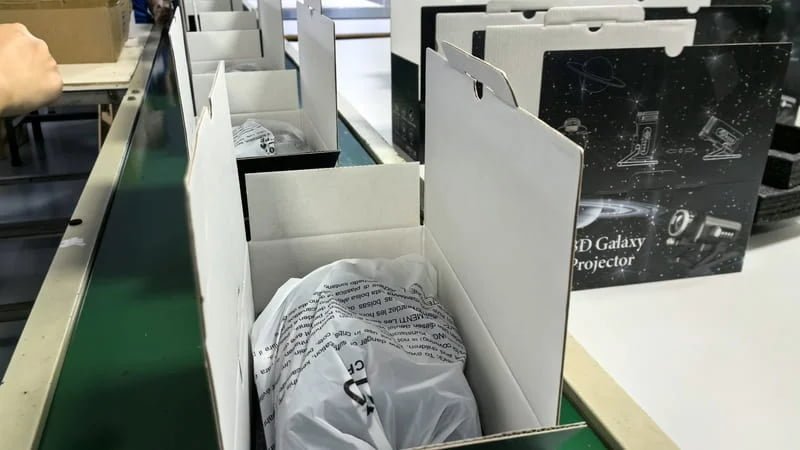
This photograph shows a generic packing activity. It does not depict or verify the packing specification of BWL-OL-001 or BWL-OL-004.
I use three labels when reviewing a packing row. “Coherent” means the available values can be reconciled within an explained measurement or packaging structure. “Incomplete” means a needed value is absent, so a specific check cannot be finished. “Inconsistent” means two values that should agree do not agree and no adequate explanation has yet been recorded. These labels keep arithmetic separate from accusation.
Here are the current recorded packing values for the two public reference products:
| Public SKU | Units/carton | Unit net | Unit gross | Carton net | Carton gross | Carton dimensions |
|---|---|---|---|---|---|---|
| BWL-OL-001 | 6 | 2.524 kg | 2.707 kg | 15.162 kg | 17.362 kg | 315 × 460 × 360 mm |
| BWL-OL-004 | 6 | 2.56 kg | 2.81 kg | Not recorded | 17.56 kg | 435 × 330 × 380 mm |
For BWL-OL-001, six units at 2.524 kg net each total 15.144 kg. The recorded carton net is 15.162 kg, a difference of 0.018 kg. The recorded carton gross exceeds carton net by 2.200 kg. These results are close enough to form a coherent question set about weighing convention and packaging components; they are not a certificate that a shipment exists.
For BWL-OL-004, six unit-gross values total 16.86 kg, compared with a recorded carton gross of 17.56 kg. The 0.70 kg difference can be taken back to the supplier as a question about the outer carton and shared packing material. However, the carton-net field is not recorded, so the same net-weight reconciliation used for BWL-OL-001 cannot be completed. I mark that check “incomplete.” I do not convert the blank into a claim that the other numbers are fabricated.
The follow-up should be operational: confirm the measurement basis, obtain the current revision, identify what each weight includes, and match the row to a current carton label or packing record. If the values change, ask whether the cause is a corrected entry, a packaging revision, or a product change. Then preserve the old and new values with dates rather than silently replacing the discrepancy.
Our carton and CBM guide covers the deeper arithmetic used for freight planning. During a remote factory audit, the goal is narrower: test whether the supplier's product identity, packing specification, visible packing process, and quantity records can be connected without unexplained changes.
How Should You Run the Live Video Call?
A useful live call is buyer-directed but operationally realistic. The agenda should protect continuity, exact-product identity, and time for follow-up rather than turning the visit into a surprise performance.
Send a short evidence agenda in advance, choose a few live spot requests during the call, and close with a written register of matched, incomplete, inconsistent, and out-of-scope items.
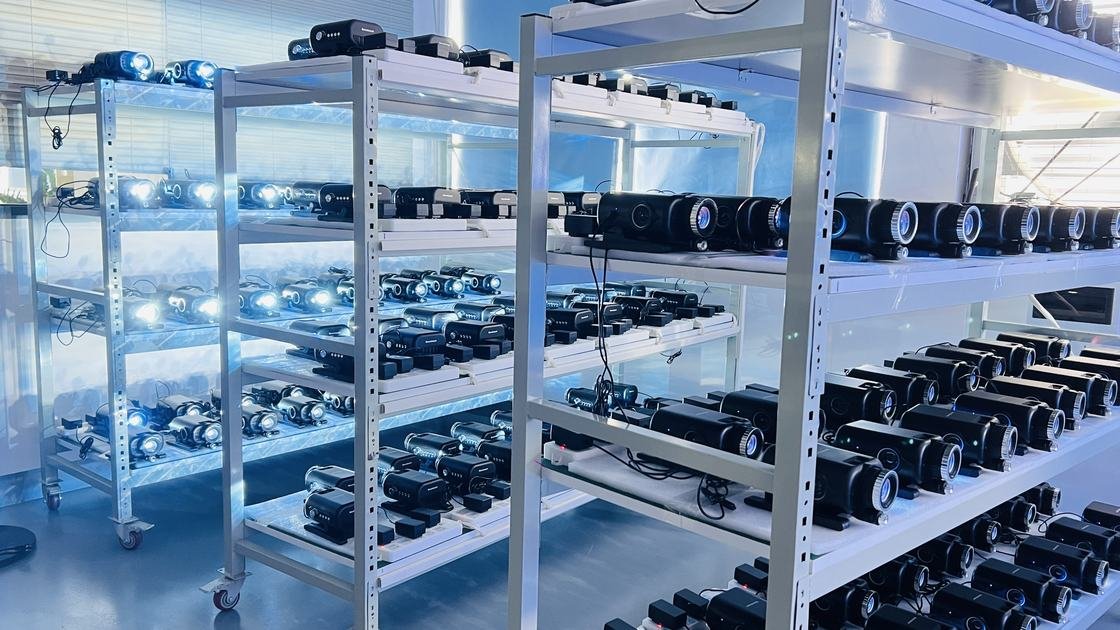
The rack image gives process context. The closeout record must still identify the product, time, quantity, process stage, and unresolved questions.
I usually divide the call into six blocks. The supplier knows the subjects in advance, so the relevant people and safe access can be arranged. The buyer still chooses the exact SKU, record sample, or workstation detail at the appropriate moment, which reduces the risk that the call becomes only a prepared presentation.
| Call block | Buyer action | Evidence to retain |
|---|---|---|
| 1. Identity opening | Confirm date, legal entity, site, presenter, and roles | Identity sheet and attendee names |
| 2. Continuous orientation | Follow the route from identifiable site context to the relevant work area | Timestamped notes on route and interruptions |
| 3. Named-SKU trace | Select the agreed public SKU and ask how its identity is maintained | Visible identifiers and process map references |
| 4. Quality process | Ask the responsible person to explain inspection, aging, and release | Record title, fields, date, and reference |
| 5. Packing check | Compare the chosen SKU's packing row with the process and current label | Revision, weights, dimensions, and calculation notes |
| 6. Closeout | Read back every open point and assign the next evidence item | Dated unresolved-items register |
During the route, I prefer specific neutral prompts: “Please show where this SKU enters aging,” “Who owns this record?” or “Which field links this carton row to the current product version?” I avoid prompts designed to trap the presenter. A person may be unfamiliar with another department's record, and access may be restricted for safety or confidentiality. The audit signal comes from how the supplier routes the question, supplies matching evidence, and resolves the gap—not from whether one person answers instantly.
A Remote Review That Changed the Buyer's Question
In one remote review, a private-label importer had already received a company document and a professionally edited factory video. The buyer's first checklist asked only whether the company was registered and whether the video showed production. I redrew the review around the evidence chain. We recorded the names and addresses, requested a continuous visit, selected one product for tracing, and asked for a dated quality record and its current packing row.
The outcome was not an “approved factory” stamp. Several links agreed, while other items needed follow-up because their identifiers were not yet matched in the same record set. The importer changed the next step from “Is this a real factory—yes or no?” to a narrower request: provide the current product identifier mapping, the referenced record revision, and the missing packing field. That was a more useful procurement decision because it described exactly what remained uncertain.
Leon’s rule: Close a remote audit with an evidence register, not a mood. “Looks good” and “felt suspicious” are not traceable procurement controls.
I classify each issue before deciding what happens next:
- Matched: the claim and supporting items agree on identity, scope, and time.
- Incomplete: the evidence needed for the check was not available or a required field was blank.
- Inconsistent: items expected to agree differ, and the explanation has not yet resolved the difference.
- Out of scope remotely: ownership, independent headcount, normal capacity, or another material claim needs a different verification method.
This is also where risk should be stated plainly. A remote audit cannot establish everything about factory ownership, actual peak capacity, workforce stability, subcontracting, or the normal behavior of every production batch. If those points are material to the purchase, use the remote review to define the onsite or independent verification scope. Do not keep adding video calls and pretend the method has changed.
Finally, I check the supplier's specification chain as a separate control. Our guide to verifying a star projector specification sheet shows how to distinguish a sourced fact, a derived value, and an unsupported claim. That discipline belongs beside the factory audit because an authentic site does not make every product statement correct, and a correct product record does not by itself establish site ownership.
Conclusion
The best remote China factory audit is not the call with the most footage. It is the review that keeps one traceable chain intact from the legal entity to the site, the named SKU, the quality record, and the packing data.
I would rather finish with three precisely defined open items than with a broad declaration that a supplier is “verified.” Matched evidence can justify the next step. Incomplete evidence defines a focused follow-up. Inconsistent evidence requires explanation and, when material, independent verification. Out-of-scope claims belong in an onsite review.
That is how to verify a Chinese supplier without confusing visibility with proof: narrow the claim, connect independent evidence, preserve the gaps, and choose the next control according to the remaining risk.
Frequently Asked Questions
How can I verify a Chinese supplier remotely?
Build a chain across the exact legal name and address, a continuous live site visit, one named SKU's process, a traceable inspection or aging record, and coherent packing data. Record which links match, which are incomplete, and which require independent onsite verification. Do not rely on one document or video.
Does a Chinese business license prove that a supplier owns a factory?
No. A business license can support the identity and registration details stated on that document. Factory ownership or operational control requires additional evidence. Match the legal entity to the operating address, people, process responsibilities, records, and—where material—independent onsite checks.
Is a live factory video call enough to verify production capability?
No. A live call can show current activity and test continuity between areas, people, and a named product. It cannot by itself establish normal utilization, peak capacity, ownership, or how every batch is produced. Use records and appropriately scoped independent verification for those claims.
What records should I request for an exact SKU?
Ask for a current product specification, an unambiguous identifier mapping, a dated inspection or aging record, the applicable process or work-instruction reference, and the current packing specification. The records should agree on product version, date, quantity, process stage, and responsible role.
How do I check if a company in China is real without accusing the supplier?
Use neutral evidence states. Mark an item matched, incomplete, inconsistent, or out of remote scope. Ask for the exact document, record, explanation, or independent check needed to resolve it. A missing answer is an open item; it is not automatically proof that the company or factory is false.
Can carton weights and dimensions help verify a supplier?
They can support the review. Recalculate unit totals, compare net and gross structure, confirm what packaging each weight includes, and match the row to the exact SKU and revision. Coherent packing data does not prove goods exist, while a blank field should be marked incomplete rather than fabricated.
When should I arrange an onsite third-party factory audit?
Use onsite or independent verification when the remaining decision depends materially on claims a remote method cannot establish, such as site ownership or control, normal capacity, workforce deployment, subcontracting controls, or repeated implementation across batches. The remote audit should define those open questions precisely.