
CE vs UKCA lighting paperwork is often reduced to a label instruction: “put both logos on the box.” That instruction skips the decision that makes either mark meaningful. A buyer first has to name the destination, exact finished product, applicable product rules, conformity route, brand position and economic operators. Only then can the technical evidence, declaration, label and retained records be assembled for the route actually used.
When I receive a UK-focused product brief, I do not accept “UK” as one destination cell. I split Great Britain from Northern Ireland, then separate both from the EU/EEA route. As of 18 August 2026, current GOV.UK guidance says relevant covered products can use recognised CE requirements or UKCA requirements for Great Britain where the chosen route's conditions are met. Northern Ireland and the EU/EEA require a different route analysis. That current position makes the old slogan “two marks, two complete files” a poor procurement rule.
Choose the market route before choosing a mark. Freeze the exact product and supply-chain roles, identify every applicable rule, decide which conformity route is available for Great Britain, Northern Ireland or the EU/EEA, build the technical evidence, and issue the declaration, marking, instructions and operator details that belong to that route. Recheck the decision whenever the product, law, standard, brand or destination changes.

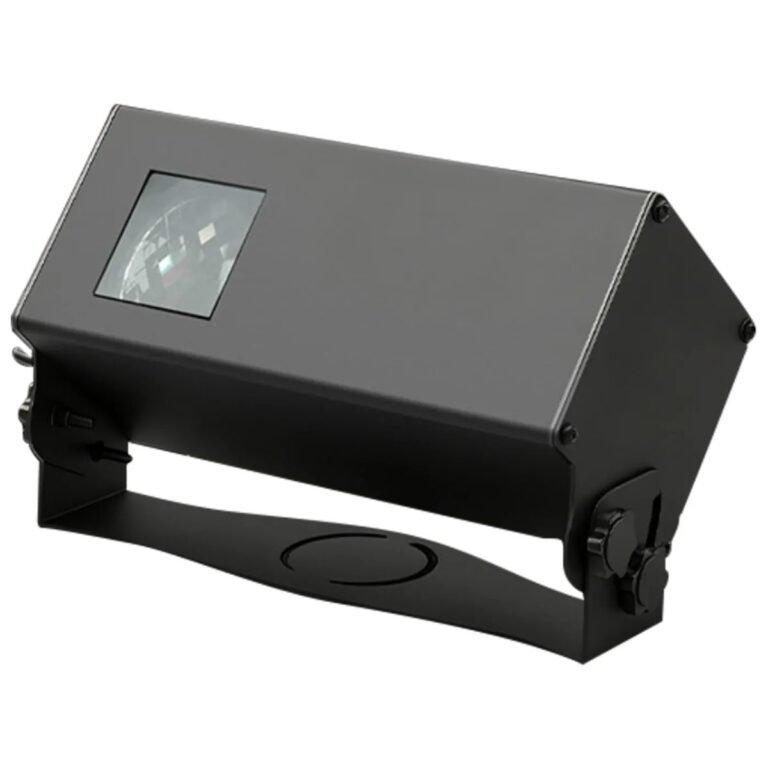
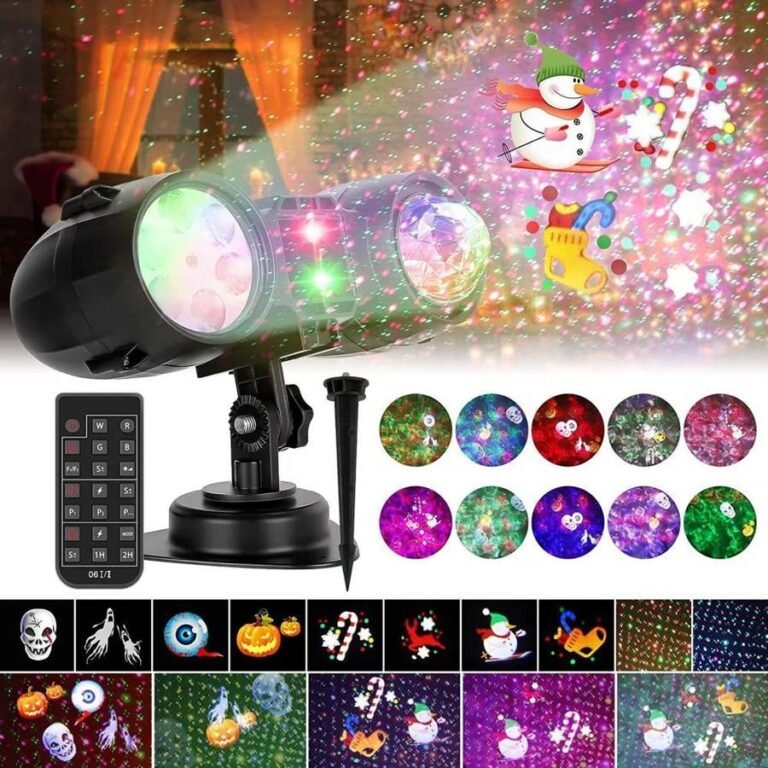
BWL-OL-001 gives us one exact public product identity. The application artwork does not show a declaration, technical file, market route or approval. I use it only to keep the discussion connected to a finished product rather than floating around two familiar symbols.
This article is current-date educational guidance, not legal advice. CE and UKCA rules can change, several legal instruments may apply to one product, and the result depends on the exact finished configuration and sales route. Buyers should verify the official rules for the intended market and date and obtain qualified advice for the actual placing-on-market decision. Product photographs, catalog badges and component documents cannot make that decision.
What Is the Current CE vs UKCA Lighting Paperwork Position in Great Britain?
Many procurement templates still describe UKCA as a universal replacement for CE in Great Britain. Current official guidance is more flexible for product areas covered by the recognition policy.
As of 18 August 2026, the current CE vs UKCA lighting paperwork position for relevant electrical equipment in Great Britain is not “UKCA always required.” GOV.UK says CE recognition for covered electrical equipment has been extended indefinitely and businesses can use CE or UKCA where the respective requirements are met. The buyer must still confirm the exact product scope, applicable rules and chosen route.
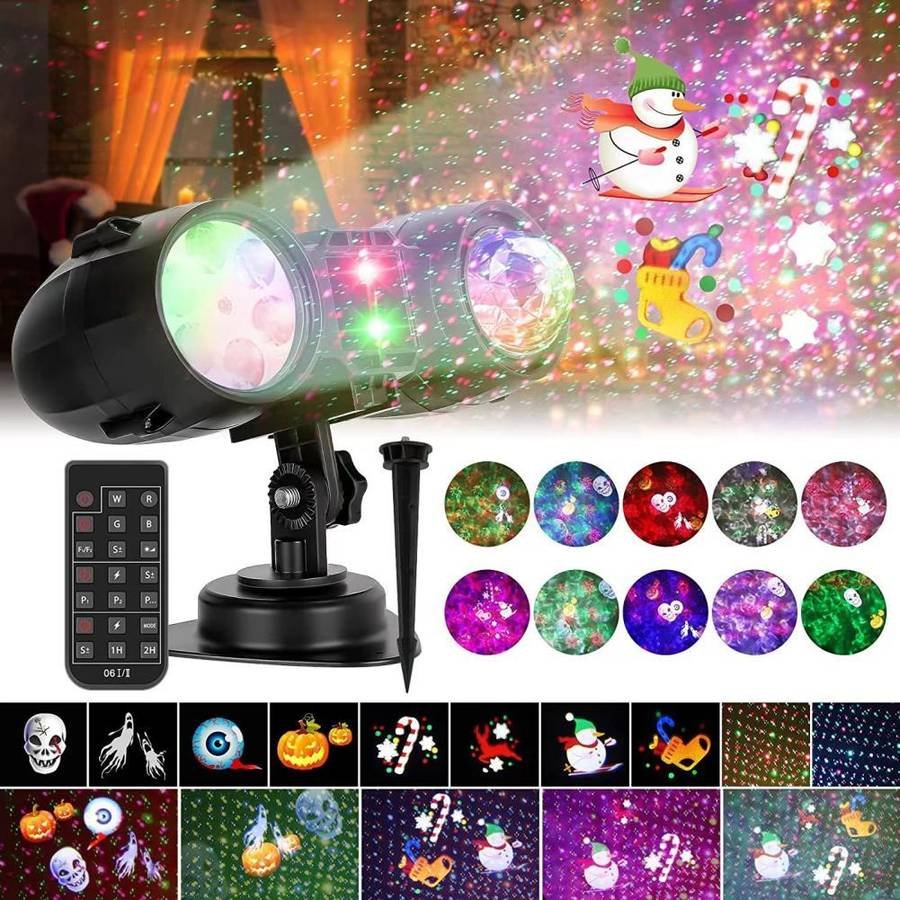
BWL-HP-002 is shown with several visible elements of a sellable set. The image cannot establish which legal instruments apply, whether a declaration covers the finished system or whether a route is suitable for a destination. I use it to reinforce the first control: the decision belongs to the exact finished offer, not to the generic word “lighting.”
Current GOV.UK guidance says Great Britain means England, Scotland and Wales for this route. It also states that the UK continues to recognise CE alongside or in place of UKCA for many covered product requirements, providing businesses with a choice of conformity process. The current Great Britain electrical-equipment guide says businesses may use CE or UKCA for covered equipment when the applicable requirements are satisfied.
That flexibility does not mean the marks are interchangeable decorations. The selected route controls the declaration and supporting legal references. The GOV.UK electrical-equipment guide distinguishes a UK Declaration of Conformity for the UKCA route from an EU Declaration of Conformity for the CE route. It also says dual marking is possible where the product meets the requirements for both markets.
| GB decision field | What the buyer must identify | What not to assume |
|---|---|---|
| Exact finished product | Product, configuration, supplied system, brand and intended use | Every projector or lighting item follows the same rules |
| Applicable legislation | Every GB rule relevant to the finished product | One electrical rule is the complete answer |
| Chosen route | Recognised CE route, UKCA route or another applicable sector path | UKCA is automatically mandatory or CE automatically sufficient |
| Conformity procedure | Assessment allowed or required by each applicable rule | A laboratory logo chooses the route |
| Declaration | Route-appropriate declaration identifying the exact product | One unsigned template works for every configuration |
| Marking and information | Mark, traceability, instructions and operator details required for the route | Printing both symbols cures missing evidence |
I date the route decision because the legal baseline is time-sensitive. A buyer who approved artwork under an earlier transition announcement should not rely on the old calendar without checking the current GOV.UK position.
For Great Britain, the first question is no longer “When must CE disappear?” It is “Which current route are we using for this exact product, and can every record support it?”
Why Must Great Britain, Northern Ireland, and the EU Be Separate Rows?
“Sell in the UK and Europe” sounds like one commercial objective. It contains at least three regulatory destinations with different marking and operator questions.
Separate Great Britain, Northern Ireland and the EU/EEA before building the paperwork. Great Britain has its current CE/UKCA recognition framework; Northern Ireland follows its own CE or CE-plus-UKNI route rules where applicable; and the EU/EEA uses the applicable EU conformity route. Never copy a GB declaration or mark decision into an NI or EU row without a fresh review.

The factory photograph shows multiple projector forms, not three market routes. It cannot prove that the units share construction or evidence. I use it for an analogous control: commercial grouping is not legal grouping. “UK,” “Europe” and “lighting” are all too broad to close a row.
Start With a Destination Matrix
| Destination row | Marking-route question | Declaration question | Operator/record question |
|---|---|---|---|
| Great Britain | Is the selected recognised CE or UKCA route available for the exact product and rules? | Which route-appropriate declaration identifies the finished product? | Which GB manufacturer/importer/distributor duties and records apply? |
| Northern Ireland | Which CE or CE-plus-UKNI route applies to this product and assessment path? | Which EU-route declaration and supporting records are required? | Which operator identities, establishment requirements, details, duties and record owners apply under the NI route? |
| EU/EEA | Which harmonised EU product rules require CE or another route? | Does the EU Declaration of Conformity cover every applicable rule and the finished product? | Which manufacturer, importer, distributor or authorised-representative duties apply? |
This table is a question structure, not a legal determination for either Bowlum SKU shown here. A product may sit outside a particular rule, fall under several rules, or need another sector-specific path. I keep an “applicability owner” and source/date column beside every row so a commercial team cannot turn an unchecked assumption into artwork.
The Northern Ireland row deserves special attention because the UKCA mark does not operate there as the standalone GB route. GOV.UK directs businesses to separate NI guidance and distinguishes CE from CE plus UKNI where a UK conformity-assessment body is involved under applicable rules. A procurement brief that says only “UKCA for the UK” can therefore send the wrong instruction to packaging.
For EU/EEA placement, the European Commission states that CE is required only for products covered by harmonised EU rules that mandate it. If several applicable rules require CE, the finished product and declaration must address all of them. A buyer should not attach CE because “electrical products normally have it” without identifying the actual legal scope.
Does CE vs UKCA Lighting Paperwork Require Two Complete Technical Files?
Teams often react to separate routes by duplicating an entire folder. Others make the opposite mistake and assume one declaration can simply be relabeled. Both approaches hide which evidence is reusable and which output is route-specific.
CE vs UKCA lighting paperwork does not automatically require two unrelated technical evidence sets, and one file does not automatically cover both routes. A controlled engineering evidence core can often support several reviews when the product is the same, but each route must reference the correct requirements, conformity procedure, declaration, marking, instructions, operator details and retained records.

The visible circuit board makes the shared-core idea tangible, but it is generic process context. It is not the bill of materials, risk assessment or technical documentation for BWL-OL-001 or BWL-HP-002. The buyer still needs the exact finished-product record.
I structure the folder as a controlled core with route overlays:
| Evidence layer | Examples of what may belong there | Control question |
|---|---|---|
| Product identity core | Product description, type/model mapping, intended use, version and traceability | Does this identify the exact finished product being placed on the market? |
| Design/manufacturing core | Drawings, construction records, component information and production controls as applicable | Is the current configuration represented, including relevant changes? |
| Assessment core | Risk analysis, test/assessment records and standards used as applicable | Which requirement and product version does each item support? |
| Customer-information core | Label source, instructions, warnings and packaging source files | Are language, operator and route fields controlled rather than pasted? |
| CE route overlay | Applicable EU legal references, EU DoC, CE marking decision and EU operator records | Does the EU route cover the finished product and intended market? |
| UKCA route overlay | Applicable GB legal references, UK DoC, UKCA marking decision and GB operator records | Does the GB route cover the finished product and intended market? |
| NI overlay | Applicable CE/UKNI route, declaration and NI operator information | Has the NI route been reviewed separately from GB? |
A shared core is useful only when the product is actually the same. A component, adapter, optical module, control board, enclosure or claim change can affect evidence differently. I therefore version the core and make every route overlay point back to a named product baseline. The test-report model coverage guide explains the deeper report-to-model reading task; this article keeps only the current mapping state.
Dual marking does not remove this discipline. If a buyer chooses to display both CE and UKCA, the product must meet the applicable requirements for both routes, and the route-specific declarations and records must remain available. The two marks are the visible end of two legal assertions, not a shortcut around them.
Which Records Belong in the Route File Before Artwork Release?
A technical folder can be substantial and still fail at the last handoff if the declaration, label, instructions and operator details describe different product states.
Before artwork release, build a route index that identifies the product baseline, applicable rules, assessment route, declaration owner/version, marking source, traceability fields, manufacturer/importer details, instructions/languages, technical-record location and retention owner. Release artwork only when those fields agree with the same route and finished configuration.

The rack image is not conformity evidence for the two related SKUs. It illustrates that production and legal documentation must meet at a controlled release point. A factory check can support manufacturing control; it cannot issue the buyer's route decision by itself.
The Route-Release Index
| Route-file row | Minimum controlled content | Release failure it prevents |
|---|---|---|
| Product baseline | Exact product/model/configuration and effective revision | Declaration or label attached to an earlier product state |
| Applicable-rule register | Rule, scope decision, current source/date and responsible reviewer | A familiar mark used without identifying the legislation |
| Conformity procedure | Required assessment path and involved body if applicable | A voluntary document mistaken for the legal procedure |
| Declaration | Correct EU or UK declaration type, product identity, legal references, signatory and date | A generic or unsigned declaration reused across routes |
| Marking source | Approved CE, UKCA or NI marking artwork and placement decision | “Add both logos” without route approval |
| Traceability | Type/batch/serial method and manufacturer identity | A finished unit that cannot be connected to the file |
| Economic-operator details | Manufacturer, importer and other required contacts for the route | Missing or wrong-market operator information |
| Instructions and safety information | Required content, language and version | A technically reviewed product shipped with mismatched instructions |
| Record custody | File location, retention owner, access path and change trigger | Evidence that cannot be produced or kept current |
The product label and declaration should use controlled identity, not a sales nickname that floats separately from the evidence. Where commercial names differ from factory or buyer model codes, I require an explicit mapping and prohibit one name from pointing to multiple uncontrolled configurations.
I also keep component documents in a component row. An adapter may carry its own evidence and markings, but that does not automatically establish the conformity of the finished projector system. The route index must show how the finished product assessment treats the supplied component rather than replacing the product row with it.
If a marketplace later requests a specific compliance item, the route file becomes an input rather than an automatic answer. The Amazon compliance request-queue guide shows how I map a current request row to the exact product, configuration and controlled file version without turning the platform request into a new legal conclusion.
I release marking artwork only after the declaration, product baseline and operator record describe the same route. A logo is the last output, not the first input.
Who Owns CE and UKCA Records in the Supply Chain?
Buyers sometimes write “factory responsible for certification” and assume every legal duty has moved upstream. Official guidance assigns different responsibilities to manufacturers, importers and distributors, and own-brand placement can change the manufacturer's identity.
Assign CE and UKCA records by the real legal and commercial roles, not by who has the PDF folder. The manufacturer carries the main finished-product conformity and declaration duties; importers verify required steps and retain or provide records as applicable; distributors perform their checks; and a company selling under its own name or trademark may assume manufacturer responsibilities. Verify the exact role under each market's rules.

The visible retail boxes make own-brand risk easy to understand, but the photograph does not identify the legal manufacturer for a specific market or prove that the artwork is approved. I use it to ask a harder question: whose name or trademark will be on the finished product, and what responsibility follows from that decision?
| Role question | Factory or supplier input | Buyer-side decision/control |
|---|---|---|
| Who is the manufacturer for this route? | Manufacturing identity, product/design records, exact configuration and evidence cooperation | Confirm the legal manufacturer and declaration/signatory position |
| Who places the product from outside the market? | Shipment/product identity and controlled records | Confirm importer identity, checks, contact details and retained records |
| Who distributes the product? | Product and document availability | Confirm distributor checks, storage/handling and authority-cooperation duties |
| Whose brand is used? | Private-label artwork and physical product mapping | Determine whether own-brand placement changes manufacturer responsibility |
| Is an authorised representative used? | Mandate-related product records where applicable | Define the lawful mandate and tasks; do not use the title as a substitute for an importer |
For the EU, the European Commission says importers from non-EU countries must verify that the manufacturer took the necessary steps, that the EU Declaration of Conformity and technical documentation are available upon request, and that the manufacturer can be contacted. It also warns that importers or distributors marketing under their own names take over manufacturer responsibilities.
Current GOV.UK guidance similarly separates manufacturer, importer and distributor duties in Great Britain. I therefore create an owner for each legal record and an owner for each factory input. “Factory provides technical file” and “brand signs the declaration” may describe two different tasks; the contract and workflow should not collapse them.
When the physical product changes beyond an approved baseline, the route file needs reopening. Bowlum's exact physical customization boundary and new-product path are explained in the custom projector housing and tooling guide. This article does not reuse that classification; it simply refuses to let an earlier route approval follow an unreviewed product revision.
How Did a UK Distributor Replace “Add Both Marks” With a Route Decision?
A UK distributor planning sales into Great Britain and Northern Ireland sent me an artwork note that said “CE + UKCA.” The note did not identify separate destination rows, the chosen GB route, the NI assessment path, the declaration owners or which finished configuration the symbols were intended to cover. I did not turn this into a story about a blocked shipment; no such outcome was needed to see that the instruction was incomplete.
I replaced the artwork note with a destination-and-route sheet. The distributor separated GB from NI, froze the exact product and own-brand position, assigned an applicability review, mapped the shared technical evidence, and left separate rows for declarations, markings, operator details, languages and record custody. Artwork stayed unreleased until the chosen routes could be supported.

A Buyer Case: One Commercial Brief, Three Regulatory Rows
The first change was the destination field. “UK” became Great Britain and Northern Ireland, while the distributor's EU expansion plan remained a third future row. That stopped the team from attaching a GB decision to NI by default.
The second change was the product baseline. The buyer linked the own-brand SKU to the exact supplied configuration, label, manual and packaging revision. The factory could now provide evidence inputs against a named physical state instead of a generic projector family.
The third change was the route output. The buyer recorded which official source and qualified reviewer would determine the applicable rules, which declaration was required, what marking could appear, and whose operator details belonged on the product or accompanying material. Any unresolved field stayed open.
The distributor's question changed from “Can the factory add both logos?” to “Which route are we using for GB and NI, which product state does each route cover, and who owns the declaration and retained records?”
The working result was a held-or-release decision for artwork. I did not claim that an authority accepted the product, that a shipment cleared, or that one route was legally correct for every projector. The buyer still needed current official verification and qualified review before placing the finished product on either market.
Conclusion
CE vs UKCA lighting paperwork is a route-control problem, not a logo-control problem. I split Great Britain, Northern Ireland and EU/EEA destinations; freeze the finished product and brand position; identify applicable rules; choose the permitted route; connect a controlled technical evidence core to the route-specific declaration, mark, instructions and operator records; and reopen the decision after any relevant change.
For Great Britain, the current official position means buyers should stop repeating the outdated assumption that UKCA is automatically mandatory for every covered lighting product. The practical release rule is narrower and stronger: no mark enters artwork until the exact product, destination, applicable rules, declaration and responsible operators all describe the same route.
Frequently Asked Questions
Is UKCA mandatory for every lighting product sold in Great Britain?
No blanket answer is safe. Current GOV.UK guidance recognises CE alongside or in place of UKCA for many covered products, including relevant electrical equipment, where route conditions are met. Verify the exact product, applicable rules and current date.
Can a CE-marked electrical product be placed on the Great Britain market?
Current GOV.UK electrical-equipment guidance says CE recognition in Great Britain is extended indefinitely for covered equipment and businesses may use CE or UKCA where the applicable requirements are met. Product scope and every applicable rule still require review.
Does Northern Ireland use the same UKCA route as Great Britain?
No. Northern Ireland has a separate CE or CE-plus-UKNI route framework where applicable. Do not copy a Great Britain route decision, declaration or marking instruction into an NI row without current review.
Do CE and UKCA require two completely separate technical files?
Not automatically. A controlled product and engineering evidence core may support more than one route, but each route needs the correct legal references, conformity procedure, declaration, marking, instructions, operator details and records.
Can a product display both CE and UKCA marks?
Current GOV.UK guidance allows dual marking where the product meets the requirements for both applicable routes. Printing both symbols without supporting both routes is not a substitute for conformity work.
Does an adapter certificate cover the complete projector?
No automatic transfer should be made. An adapter document applies within its own scope. The finished-product route file must show how the supplied system and all applicable product requirements are addressed.
Who should keep CE or UKCA records?
Record duties depend on the route and role. Manufacturers carry the main conformity and declaration responsibilities, while importers and distributors have their own checks and record duties. Own-brand placement may make a buyer the manufacturer for legal purposes.