
A RoHS REACH WEEE compliance matrix should not begin with one cell marked “compliant.” That cell combines different questions about a finished electrical product, substances in articles, end-of-life producer responsibility and packaging. It also hides who must provide facts, who must determine the legal role, which Member State matters and whether the answer is current for the intended market date.
When I receive an EU buyer's onboarding sheet, I separate these lanes before asking our factory team for a document. RoHS may require product and substance-restriction evidence for electrical and electronic equipment within scope. REACH can require supply-chain substance information and, when specific triggers are met, communication, notification or SCIP work. WEEE assigns producer-registration, reporting, financing and waste responsibilities. The Packaging and Packaging Waste Regulation, or PPWR, creates its own packaging-conformity and producer-responsibility questions.
Build four controlled lanes, not one certificate checkbox. Freeze the exact product, accessories, packaging levels, brand, sales route, destination Member State and market date; identify the trigger, evidence, legal role, national action and owner in each lane; and keep unresolved fields open until the buyer's qualified reviewer closes them.

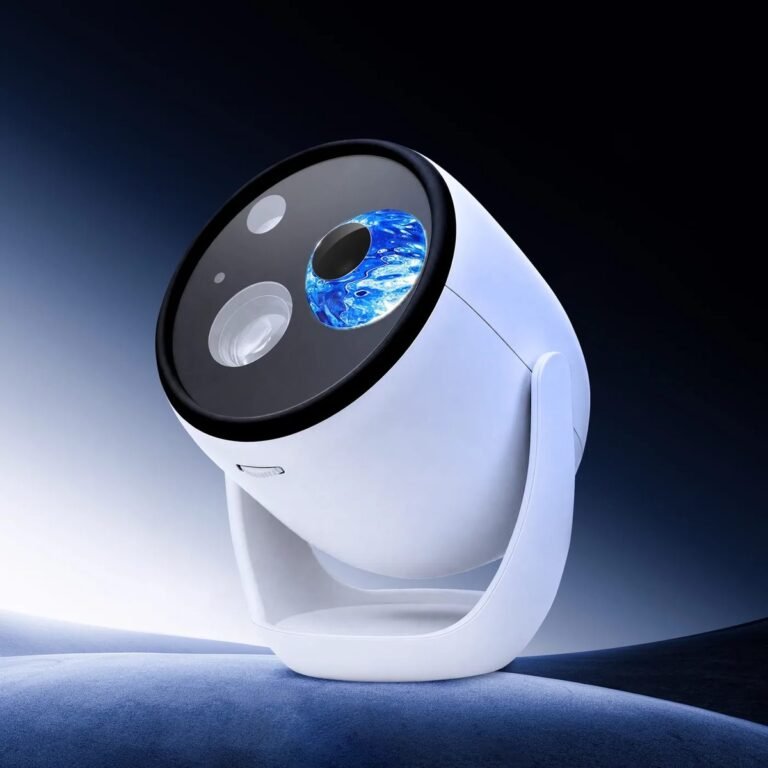
BWL-HP-005 provides one public product identity for the discussion. Its photograph cannot reveal restricted-substance content, Candidate List information, WEEE registration, packaging conformity or EPR status. I use the image only to keep every matrix row attached to a named finished offer instead of an undefined “lighting products” family.
This article is a sourcing and evidence-control framework, not legal advice. EU obligations depend on the exact product and materials, packaging, brand position, sales route, economic-operator or producer role, Member State and date. Official rules, Candidate List entries, national systems and transition provisions can change. Buyers should verify the current official sources and obtain qualified advice for the actual market placement. Nothing below determines the status of either pictured Bowlum SKU.
What Does a RoHS REACH WEEE Compliance Matrix Actually Separate?
The four acronyms often arrive in the same supplier questionnaire because they all affect an EU lighting program. That administrative convenience does not make them one legal test. When I see a single yes/no field, I ask what object the answer describes, what action is being claimed, who owns that action and where the supporting record sits. If those questions produce different answers, the field must be split.
A RoHS REACH WEEE compliance matrix separates product restriction evidence, article-substance information, electrical-waste producer duties and packaging conformity/EPR. Each lane needs its own scope decision, evidence inputs, role determination, Member-State or EU action, status and change trigger.

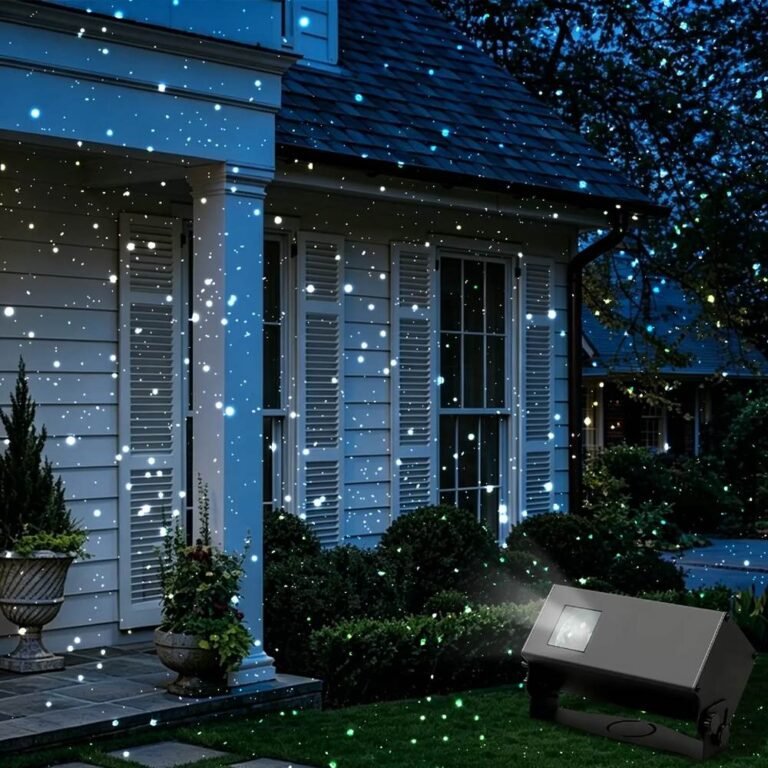
The BWL-3D-001 image shows a finished product, but not what is inside it or which operator will place it on a particular market. I would create a separate matrix instance for this SKU and configuration rather than copy an answer from BWL-HP-005.
| Control lane | Primary question | Typical evidence or record input | Decision that cannot be hidden |
|---|---|---|---|
| RoHS | Is the exact electrical/electronic product in scope, and how are applicable substance restrictions and exemptions addressed? | Product identity, controlled bill-of-material or component mapping, supplier declarations, assessment/test records and exemption basis as applicable | Which finished configuration and legal scope does the evidence support? |
| REACH | Does an article contain a Candidate List substance that triggers communication, notification or SCIP duties, and who supplies it? | Article/material identity, substance information, concentration basis, safe-use information and supply-chain declarations as applicable | Which trigger, article, recipient and economic operator are involved? |
| WEEE | Who is the producer for the sales route and Member State, and what registration, reporting, marking, financing or waste duties apply? | Product/category and route data, brand and operator identity, registration/reporting records and quantity data as applicable | Which operator owns the national action in each destination? |
| PPWR | Who is the packaging manufacturer, who is the producer for EPR, and which packaging requirements and national actions apply? | Packaging-level specification, material/weight data, technical records, conformity information, producer registration/reporting and EPR records as applicable | Are packaging conformity and Member-State producer responsibility owned by the same or different operators? |
This is not a checklist that turns green when four PDFs arrive. I use explicit states such as not reviewed, evidence requested, received—not mapped, under qualified review, open action and closed for named product/route/date. “Not triggered” is also a conclusion that needs an owner, rationale and date; it is not another word for blank.
The exact identity fields come first: buyer SKU, Bowlum SKU, configuration revision, supplied adapter and accessories, product label, instructions, packaging levels, brand owner, route, destination and planned placement date. A material record without that mapping cannot safely migrate from one product row to another.
The matrix does not certify a product. It makes every claim, missing input, legal role and current-date decision visible enough to review.
Which RoHS and REACH Evidence Follows the Product and Materials?
RoHS and REACH both involve substances, so teams frequently merge their declarations into a “chemical compliance” folder. I do not treat that folder name as evidence. RoHS addresses restricted substances in electrical and electronic equipment within its scope, subject to applicable exclusions and exemptions. REACH Candidate List duties attach to articles and supply-chain roles when their specific conditions are met. The object, trigger and required action are not identical.
Map RoHS evidence to the exact finished EEE configuration and applicable substance restrictions; map REACH information to the relevant article, Candidate List substance, concentration basis, recipient and duty holder. A report or declaration in one lane does not close the other.
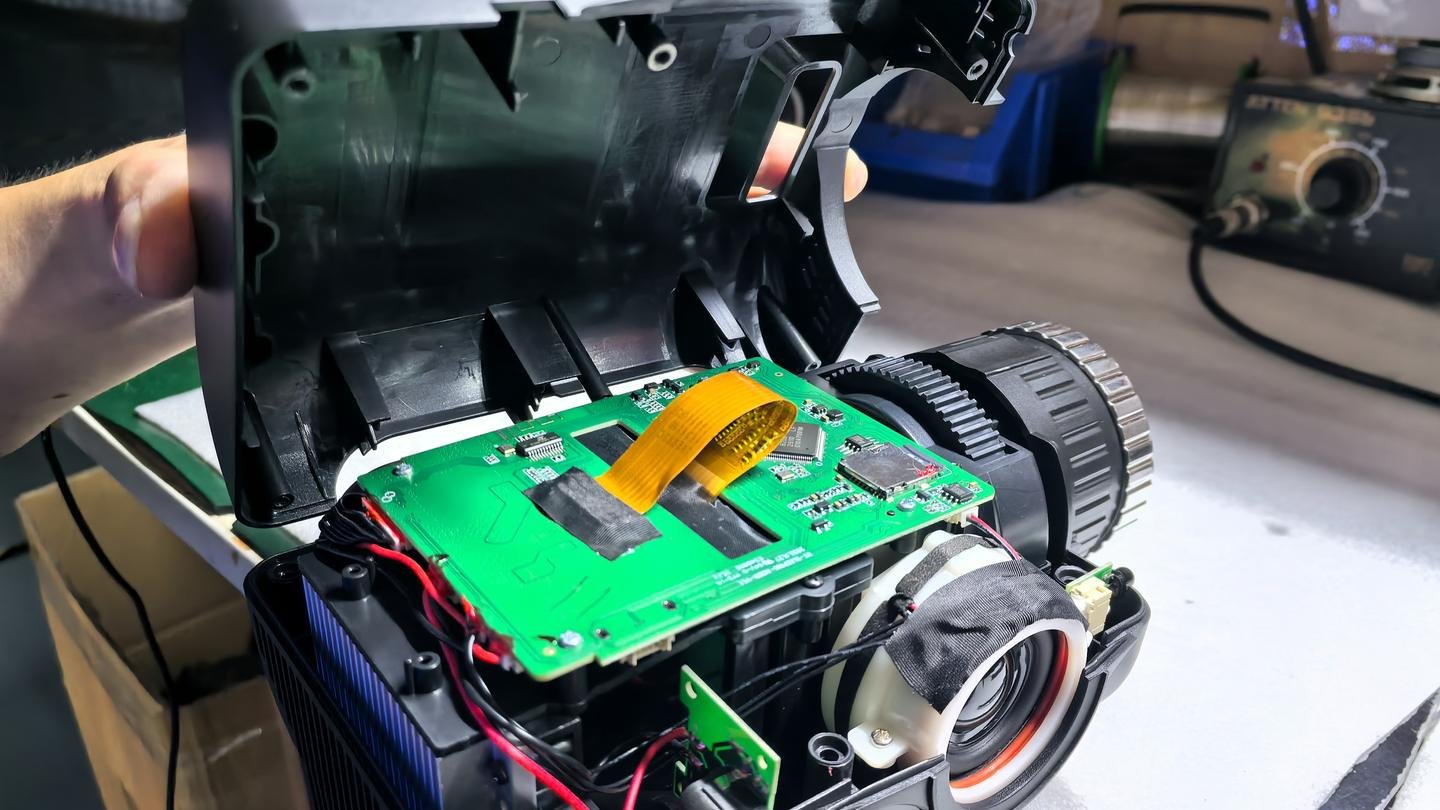
The opened projector shows why a broad supplier sentence is weak. A finished unit can contain a housing, printed circuit assembly, wiring, fasteners, optical parts, adapter, remote and other supplied items. The photograph identifies none of their substances. I therefore use a controlled component or article map, not visual inference.
Keep Two Different Evidence Questions
| Review field | RoHS lane | REACH lane |
|---|---|---|
| Controlled object | Exact EEE product and supplied configuration within the reviewed scope | Each relevant article or complex object in the supply chain |
| Trigger | Applicable RoHS scope, restrictions and any exclusion/exemption analysis | Candidate List presence and the conditions for communication, notification or SCIP duties |
| Supplier input | Component/material declarations, assessment or test records, exemption information and change notices as applicable | Substance identity, article mapping, concentration basis, safe-use information and supplier communication as applicable |
| Buyer-side action | Confirm scope, evidence sufficiency, conformity route and retained records | Determine the buyer's role, recipients, threshold/tonnage or other conditions, communication and filing duties |
| Change trigger | Material, component, supplier, process, exemption, product or law change | Candidate List update, material/article/supplier change, concentration information, route or role change |
The current European Commission overview describes RoHS as restricting ten substances in EEE within scope, while recognising exclusions and exemptions. That number is not a substitute for a product decision. A buyer still needs to confirm scope, current legal text, exemptions, evidence method and the exact version placed on the market.
For REACH, Candidate List inclusion can trigger duties for article producers, importers and suppliers. The widely recognised concentration threshold is only one part of the analysis; different communication, notification and SCIP questions have their own conditions and role boundaries. I record the substance name, relevant article, basis for concentration information, recipient, duty owner and source date rather than writing only “REACH passed.”
A laboratory record also needs identity control. The test-report model coverage guide explains how I read the named model, sample and scope before connecting a report to a product. Article 23 does not repeat that anatomy; it makes the resulting mapping one input to the correct environmental lane.
RoHS asks whether the exact EEE configuration addresses applicable restrictions. REACH asks what substance information and actions are triggered for articles and operators. Similar vocabulary does not make the evidence interchangeable.
Who Owns WEEE Registration, Reporting, and Waste Responsibilities?
The sentence “the importer handles WEEE” is attractive because it creates one apparent owner. It is not a safe universal rule. When I map a distribution model, I record who manufactures or resells under its own name, who professionally places equipment from another country, who sells at distance to users in another Member State and where the equipment is first placed. Then the buyer verifies the applicable producer definition and national actions.
WEEE producer responsibility follows the legal definition and actual sales route, not a supplier's default label. An own-brand manufacturer or reseller, importer, distributor or distance seller may become the relevant producer in different scenarios, and registration/reporting is implemented through Member-State systems.
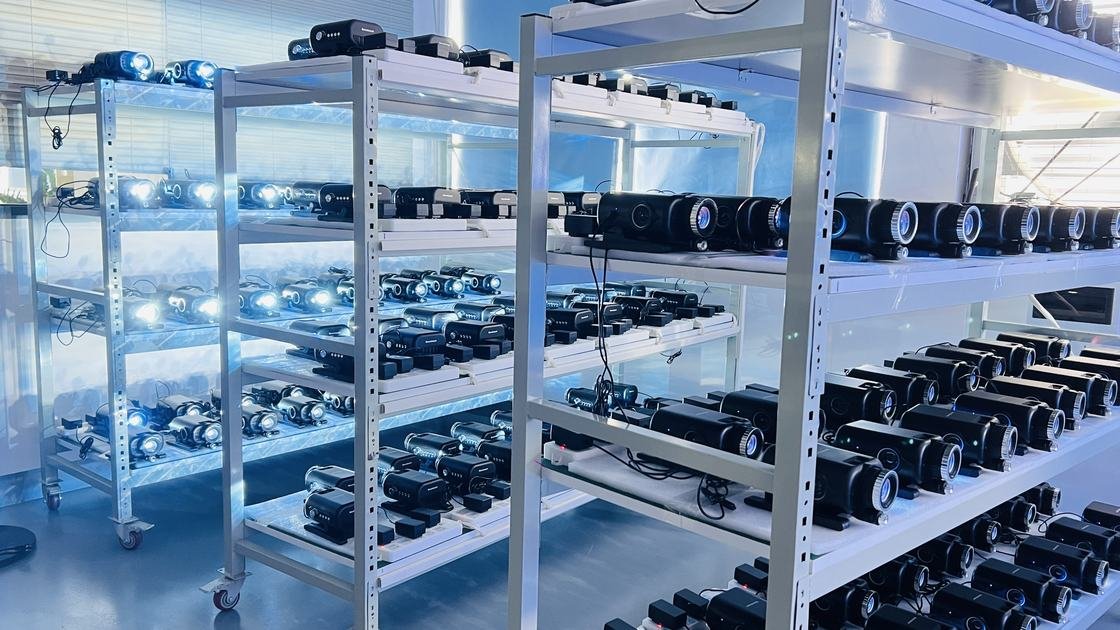
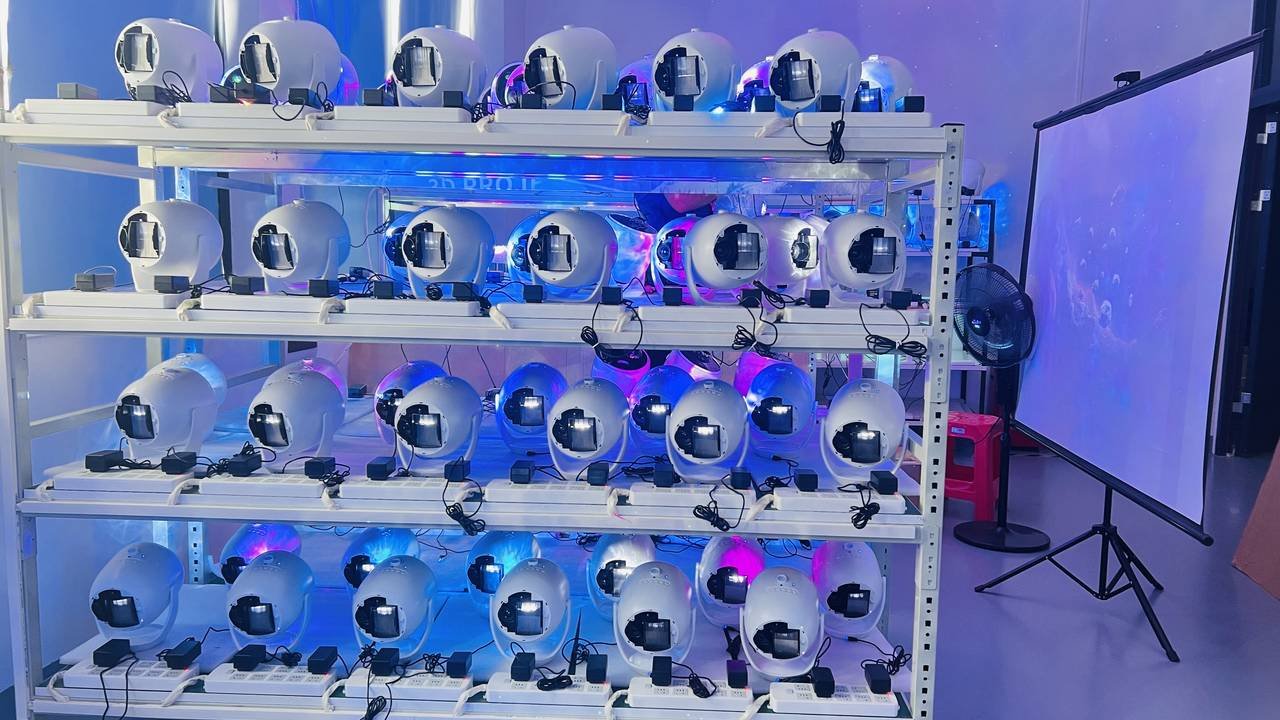
The rack photograph is useful because it resists portfolio-level shortcuts. It does not show which WEEE category, sales route, brand or producer record belongs to any visible unit. I keep each product and destination line separate until the responsible reviewer maps them.
The WEEE Directive's producer definition covers more than one commercial pattern. It includes a party that manufactures and sells under its own name or trademark, a party that resells under its own name equipment produced by others, certain professional import/placing routes and certain distance sellers established in one Member State or a third country selling directly to users in another Member State. The exact wording and national implementation must be checked for the real transaction.
| Commercial scenario to document | Role question for qualified review | Factory/supplier input | Buyer or route-side action |
|---|---|---|---|
| Factory-branded product sold to an EU importer | Who first places the EEE on the national market, under which name and route? | Exact product identity, configuration, shipment and technical data | Determine producer/category, national registration, marking, reporting and financing duties |
| Buyer's own-brand product | Does own-name or own-trademark sale make the buyer the producer for the route? | Private-label product mapping and controlled technical inputs | Confirm producer identity and complete applicable Member-State actions |
| Cross-border distribution inside the EU | Is equipment first placed in another Member State, and by whom? | Product and quantity data by controlled SKU as applicable | Check each destination's registration/reporting structure and responsible operator |
| Direct distance sale to end users | Does the remote seller fall within the producer definition in the destination? | Product, packaging and supply information | Verify destination duties and any authorised-representative requirement under current rules |
This separation prevents two opposite errors. The buyer should not assume that purchasing from a non-EU factory transfers WEEE duties to the factory. The factory should not promise that one document closes registrations across the EU. A service provider or authorised representative may perform defined tasks where the rules allow, but a contract label does not silently erase the statutory producer role.
I keep WEEE product/category and quantity records distinct from RoHS substance evidence. A RoHS report does not register a producer, finance waste management, submit a national report or prove that a crossed-out-bin marking and information duty has been handled. Conversely, a registration number does not prove restricted-substance conformity.
The working matrix therefore has one WEEE row per relevant product, brand, route and Member State. The buyer's current qualified review closes the role and national-action fields; Bowlum supplies controlled product data within the agreed scope. No row in this article claims that a named registration exists.
What Changed for Packaging When PPWR Began to Apply in August 2026?
Packaging plans written under the old directive can no longer be carried forward as if the legal baseline never moved. Regulation (EU) 2025/40 entered into force in February 2025 and generally applies from 12 August 2026. I date every PPWR row because that start point does not mean every old provision vanished or every new requirement has the same transition. Article 70 preserves specified provisions of Directive 94/62/EC for stated periods.
As of 18 August 2026, use PPWR as the current general packaging framework, preserve its specific transition rules, and separate the packaging manufacturer's conformity duties from the “producer” responsible for Member-State registration, reporting and EPR. These roles may be held by different operators.
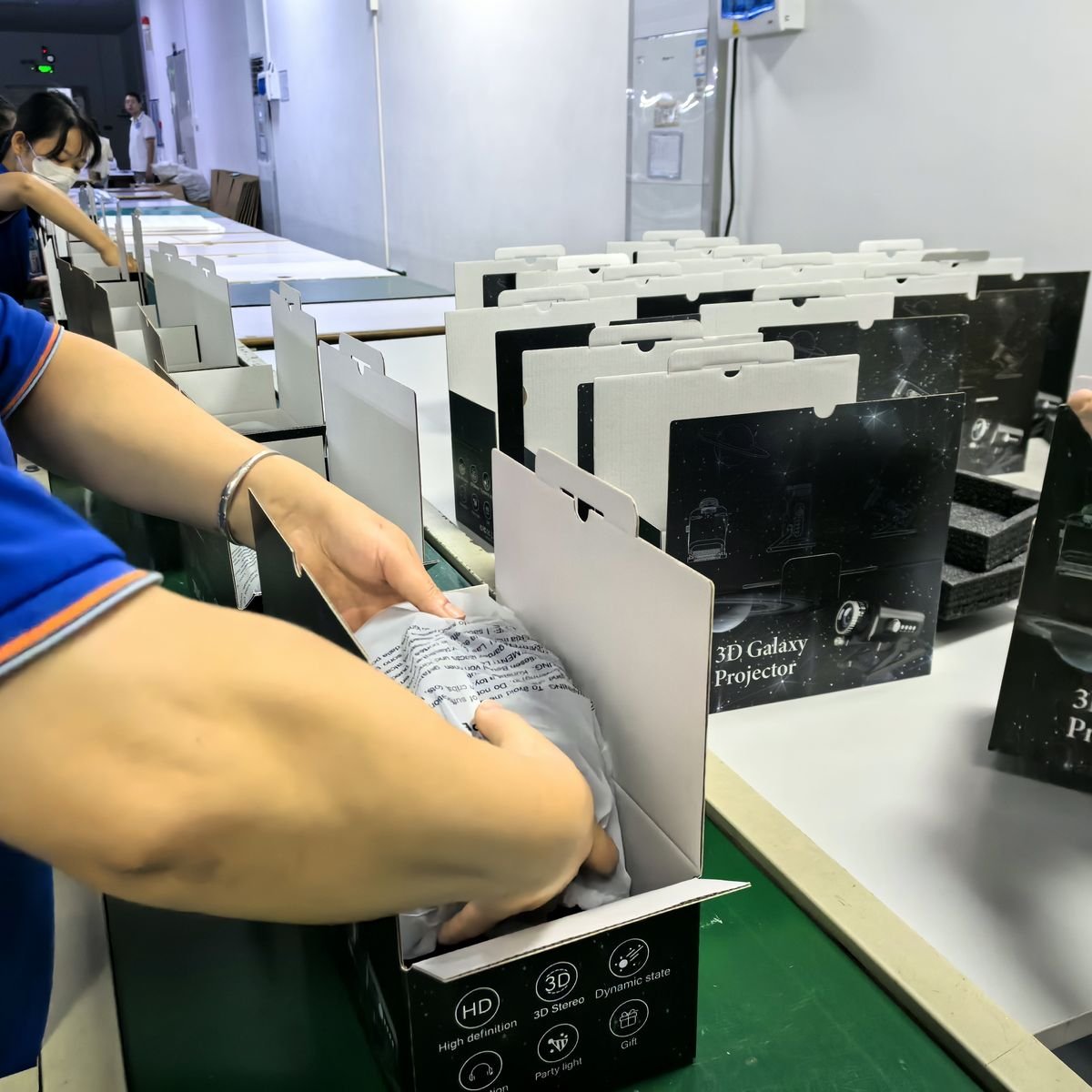
The image makes the role split visible without resolving it. A factory can fill a retail box and prepare outer packaging, while a brand owner controls the design and another operator first makes the packaged product available in a Member State. I do not infer the PPWR manufacturer or producer from the photograph; the actual branding, packaging type and distribution facts must be reviewed.
Current Commission guidance explains two different PPWR purposes:
| PPWR role lane | Core function in the current official framework | Questions the buyer must close |
|---|---|---|
| Packaging manufacturer | Ensures the packaging addresses applicable sustainability and labelling requirements, with the relevant conformity assessment, technical documentation and declaration duties | Who controls the packaging or packaged-product design/name/trademark? Which packaging level and current requirements apply? Has a modification affected conformity? |
| Packaging producer | Registers, reports and finances EPR in the Member State where the packaging is expected to become waste | Who first makes the packaging or packaged product available in that Member State, under which scenario and to whom? |
| Importer/distributor | Carries its own checks and may become a manufacturer after own-name placement or a conformity-affecting modification; may also be the producer under the scenario | What is the actual role in this supply chain rather than the purchase-order title? |
The manufacturer and producer can be the same operator, but the matrix should never assume that result. The Commission's 2026 guidance emphasises that producer can be a manufacturer, importer or distributor depending on where and how the packaging or packaged product is first made available and where it is expected to become waste.
I request packaging data by level: sales packaging, grouped packaging and transport packaging as applicable; material description; component and weight data; recycled-content or substance information where relevant; label source; supplier and revision; and the packaged-product/brand mapping. These are factual inputs, not a substitute for the buyer's role determination, conformity assessment, registration or national reporting.
The change-control connection matters. A new box material, insert, bag, label, ink system, packaging supplier, pack format, brand or sales route may reopen different rows. The CE and UKCA route-paperwork guide uses the same discipline for destination-specific product records, but PPWR packaging roles and EPR remain their own decision lane.
How Should Buyers Build a RoHS REACH WEEE Compliance Matrix?
A matrix becomes useful only when it can stop an incomplete handoff. I build it before final product and packaging release, then connect each request to an exact configuration and named owner. “Supplier to provide compliance documents” is too broad: it neither tells the factory what facts are needed nor tells the buyer which statutory action remains on its side.
For every lane, record the controlled object, legal scope or trigger, factory input, evidence version, economic-operator or producer role, EU or Member-State action, reviewer, status, due gate and change trigger. Do not close the row merely because a file was uploaded.
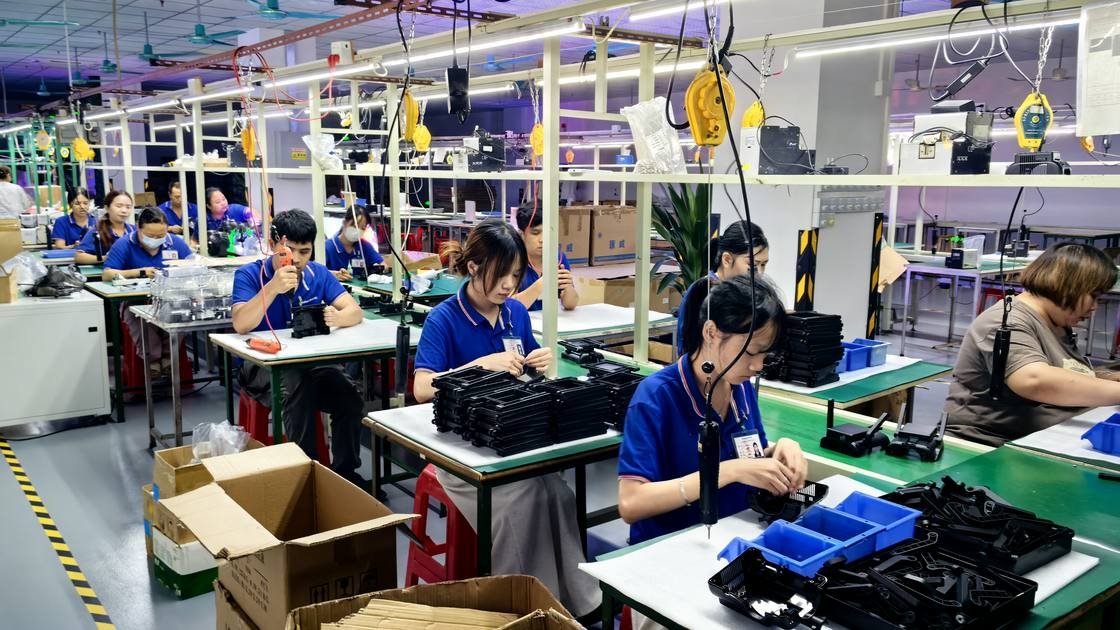
The workshop photograph shows the physical side of the handoff: components, assemblies and finished configurations change through controlled production activity. It cannot show which legal review was completed. I connect the factory revision record to the buyer's separate decision and action fields.
A Working Buyer-Supplier Handoff
| Matrix field | What Bowlum or another factory can supply within agreed scope | What the buyer must own or assign |
|---|---|---|
| Exact identity | Public SKU mapping, configuration/revision, supplied components/accessories, product and packaging sources | Buyer SKU/brand mapping, intended use, destination, route and market date |
| RoHS input | Relevant supplier declarations, component/material information, test/assessment records and change notices available for the exact baseline | Scope/exemption review, evidence sufficiency, conformity decision and record retention |
| REACH input | Available article/material and Candidate List substance information, supplier communication and change updates | Trigger, threshold and role analysis; communication, notification or SCIP action as applicable |
| WEEE input | Product identity, technical/category facts and controlled quantity data as agreed | Producer determination, national registration/reporting, marking/information, financing and representative arrangements as applicable |
| PPWR input | Packaging-level construction, material/weight information, artwork and change data within scope | Manufacturer/producer role review, conformity file, registration/reporting/EPR and Member-State actions as applicable |
| Release/change control | Effective product and packaging revision plus planned production change notice | Approval gate, record custody, legal-source refresh and reopening criteria |
I use four closure questions for every row:
- What exactly is controlled? Name the product, article, packaging level, brand, route and revision.
- What does the evidence actually say? Record document identity, scope, date, source and unresolved mapping—not just a filename.
- Who owns the legal action? Separate factory facts from manufacturer, importer, distributor, producer, representative and qualified-review duties.
- What reopens the row? Include product, material, supplier, packaging, brand, route, Member State, Candidate List, exemption, standard and legal changes as applicable.
Unknowns remain visible. A blank material concentration, unclear packaging role or unconfirmed destination registration is an open action, not permission to type “not applicable.” I also keep the named official source and access date beside the legal decision so an older onboarding sheet cannot silently govern a later placement.
Physical customization needs its own upstream gate. Bowlum's color-only versus new-product boundary explains when a requested product change becomes a new development path. Here, the narrower point is that any relevant product, material or packaging change must reopen the affected environmental rows; an earlier document set does not follow a changed configuration automatically.
How Did a German Distributor Replace One Checkbox With Four Control Lanes?
A German distributor sent me a product-onboarding sheet with one line: “RoHS / REACH / WEEE / packaging compliant — yes or no.” The sheet had no product revision, packaging levels, Candidate List source date, WEEE producer field, Member State action, PPWR role or document owner. I did not claim that a shipment was held or that a regulator had rejected anything; the visible problem was enough because no reviewer could tell what a “yes” would mean.
I replaced the checkbox with four owner-and-evidence lanes. The distributor froze the exact own-brand configuration and route, mapped factory inputs, assigned RoHS/REACH review, opened a Germany-specific WEEE producer-action row, and separated PPWR packaging conformity from packaging-producer EPR. Unresolved fields stayed open for current qualified review.
A Buyer Case: Four Rows, Four Owners, No Invented Outcome
The first change was identity. The distributor linked its own-brand SKU to one Bowlum public SKU, the supplied configuration, label/manual revision and three packaging levels used for that offer. A family-level supplier statement could no longer close the row.
The second change was the product/material split. RoHS received a scope-and-evidence row for the exact EEE baseline. REACH received article/substance, Candidate List date, communication/notification/SCIP trigger and owner fields. The distributor's reviewer—not the factory photograph or a general declaration—would decide whether the inputs were sufficient.
The third change was producer responsibility. Instead of writing “importer” by habit, the buyer documented its own-brand position, import route and German placement, then assigned a qualified review of WEEE producer registration and reporting. It did the same for PPWR, with separate packaging-manufacturer conformity and packaging-producer EPR rows.
| Before | After |
|---|---|
| One “compliant” checkbox | Four regimes with separate controlled objects and actions |
| Undefined projector family | Exact buyer SKU ↔ Bowlum SKU ↔ configuration revision |
| One supplier document owner | Factory input owner plus buyer/regulatory action owners |
| “Importer handles it” | Actual role and Member-State review for WEEE and PPWR |
| Blank means assumed complete | not reviewed, open action or dated named closure |
The final sheet did not announce that registration was complete, that an authority accepted the product or that the market route was guaranteed. It produced something more honest and operational: a list of evidence received, mappings still open, legal decisions assigned and actions required before release.
That is the only outcome I attach to this case. The German distributor still had to verify current EU and national rules, complete any triggered registrations, reporting, communications or filings, and retain the appropriate records for its actual role.
Conclusion
Open the onboarding sheet before the next release and replace every combined “environmental compliance” checkbox with controlled RoHS, REACH, WEEE and PPWR rows. Give each row an exact product or packaging object, a route and Member State, a current source date, an evidence owner, a legal-action owner and a condition that reopens the decision.
My release rule is simple: no row closes without a controlled object, evidence mapping, responsible decision owner, market/date context and change trigger. The factory provides exact product, material and packaging inputs within scope. The buyer determines and fulfils its own economic-operator and producer obligations with current official sources and qualified local review.
Frequently Asked Questions
Does a RoHS report prove REACH, WEEE and PPWR compliance?
No. A RoHS record has its own product, sample, substance, scope and date boundaries. REACH article-substance communication or filing, WEEE producer registration/reporting and PPWR packaging conformity/EPR are different questions with different roles and actions.
Who is the WEEE producer for an imported lighting product?
There is no universal importer-only answer. The applicable definition can capture own-name manufacturers or resellers, professional import/placing routes and certain distance sellers. Document the real brand, route, destination and sales pattern, then verify the Member-State requirements.
Did PPWR completely replace every old packaging rule on 12 August 2026?
No blanket statement is safe. Regulation (EU) 2025/40 generally applies from 12 August 2026, while Article 70 preserves specified provisions of Directive 94/62/EC for stated transition periods. Check the exact requirement and date.
Is SCIP notification always required for an EU lighting product?
No. SCIP and related REACH duties depend on the article, Candidate List substance information, applicable concentration threshold, supply-chain role and other conditions. Keep the substance/article evidence and role decision visible for qualified review.
What packaging information should a buyer request from a factory?
Request controlled information by packaging level, including material description, components, weight, supplier/source, label or artwork version, packaged-product mapping and relevant substance or recycled-content data as applicable. These inputs do not replace the buyer's PPWR role, conformity or EPR review.
Can a supplier complete WEEE or packaging EPR for the buyer?
A supplier or service provider may support defined tasks where the rules allow, but a contract promise does not automatically change the statutory producer. Confirm the actual operator, destination, registration, reporting, financing and representative duties under current national rules.
When should the compliance matrix be reopened?
Reopen affected rows after a product, component, material, supplier, packaging, brand, route, Member State, Candidate List, exemption or legal change. Also refresh the official-source date before a new market placement or release decision.