

Commercial lighting project documents are often requested as a folder: “send everything for the project.” When I receive that instruction, I first ask who will review the information, which exact product and configuration are being considered, and what decision the packet must support. Without those anchors, a large folder can still be unready because nobody can tell which file belongs to which product, component, revision or approval step.
The common mistake is to treat document possession as document readiness. A buyer may hold a product sheet, an adapter file, an instruction manual, a packing record and a marketing image, yet still lack a controlled map between those items and the proposed sellable unit. A file can be authentic and current while answering the wrong scope. Another may be relevant but still waiting for local or project review.
Commercial lighting project documents are ready only when a buyer-owned matrix connects a named review request to one exact SKU/version/configuration, maps every file or fact to its true product, component, shipment or site scope, records the controlled revision and evidence location, assigns a readiness state and owner, and exposes what remains project-specific. A complete-looking folder does not guarantee project acceptance.
This article does not claim what any authority, venue, insurer, property manager or other reviewer universally requires. The buyer or appointed reviewer defines the request for the actual project. My role is to help turn that request into a traceable supplier handoff without upgrading component evidence, marketing artwork or an open local decision into whole-project proof.
What Are Commercial Lighting Project Documents Supposed to Prove?
The phrase “project documents” can mix product facts, component evidence, shipment records and site decisions in one list. That makes a folder easy to collect but hard to use.
I give every requested item one decision job: identify the proposed product, support a stated product or component claim, explain handling or installation boundaries, document the supplied set or shipment, or carry a project-local decision. If a file has no named job and scope, I do not count it as ready merely because it is present.

I begin by separating four evidence lanes. The product lane tells the buyer what is being proposed and which statements belong to that exact identity. The component lane carries evidence that applies only to an adapter, cable, control or other named part. The shipment lane records what was packed and released. The project lane contains buyer-owned site facts and reviewer decisions. Those lanes can reference one another, but they should not collapse into one “compliance package.”
| Evidence lane | Decision job | Typical matrix fields | What it cannot prove alone |
|---|---|---|---|
| Product identity and claim | Define the exact product/configuration and support a stated attribute | Public SKU, version, supplied set, claim, file/revision, mapping state | Site acceptance or another model's claim |
| Component/system | Support a named adapter, cable, control or subsystem boundary | Component identity, rating/label, relationship to supplied set, evidence scope | Whole-product conformity merely because the component is included |
| Shipment/release | Connect the approved configuration to the goods prepared for handoff | Order/config reference, packing revision, release record, exception state | Future field behavior or local installation approval |
| Project/site | Record intended use conditions and the appointed reviewer's decision | Location/use concept, mounting/aiming if relevant, access, operator, owner, status | Product evidence that only the supplier can supply |
The image above is a useful warning. It visibly shows several outdoor application scenes and decorative light points. It does not identify an actual project, mounting method, access condition, operating plan, document requirement or reviewer. I can use it to discuss intended visual context; I cannot promote it into project evidence.
The same rule applies to impressive files. A long report should still occupy one mapped row. A short instruction may be critical if it defines an operating boundary. A packing sheet can be ready for logistics while product evidence remains open. Readiness follows the decision job, not page count.
I do not ask whether the project folder looks complete. I ask whether every planned decision can point to the exact file, fact, revision and owner that supports it.
Who Should Define Commercial Lighting Project Documents for a Specific Job?
A supplier can describe what it holds, but it cannot invent the review request for a site and decision process it does not control.
The buyer should name the project owner, intended decision, appointed reviewer and requested rows before asking the supplier for commercial lighting project documents. The supplier then provides and maps product-controlled facts; the buyer supplies project conditions; the appointed reviewer records acceptance, rejection or open questions for that specific job.

I use a request header before building the rows:
| Request-header field | Buyer entry | Why I need it before file collection |
|---|---|---|
| Decision | Shortlist, technical review, procurement release, installation review or another named gate | Prevents one packet from pretending to serve every stage |
| Proposed product | Public SKU, selected version and supplied configuration | Gives the supplier one evidence target |
| Intended context | Buyer description of the use, environment and operating concept | Exposes which questions are product facts and which are site-specific |
| Review owner | Named buyer function and appointed reviewer when applicable | Shows who can close each open row |
| Requested scope | Buyer/reviewer list of facts, files or confirmations | Replaces assumed universal requirements with an actual request |
| Needed-by point | Date or project milestone selected by the buyer | Turns retrieval and clarification into managed work |
| Change owner | Person who updates the matrix when product or project scope changes | Prevents a superseded packet from remaining “ready” |
This header can be incomplete at the early shortlist stage. The buyer may not yet have an appointed site reviewer or final installation concept. I mark those fields buyer/project definition pending rather than filling them with generic assumptions. The matrix can still support a product comparison as long as nobody calls the open project rows approved.
The racks in the image contain visibly different projector forms. They do not tell me which unit is proposed, what is currently available, or which document belongs to it. That is exactly why “send the certificates for outdoor projectors” is an unstable request. The buyer should first name the product and decision; the supplier can then answer within that scope.
This also creates a fair responsibility boundary. A supplier should not hide a product-evidence gap behind “ask your local reviewer.” A buyer should not ask a supplier to authorize a site it has never assessed. The matrix keeps both duties visible and gives each open item an owner.
How Should the Exact Product and Configuration Anchor the Matrix?
A public SKU is necessary, but one SKU can still leave a sellable version, supplied accessory set or controlled-file revision unresolved.
I place an identity block above every document row: public SKU, selected version, power path, controls, included set, labels/manuals, packing configuration and current approval revision. Every file must point back to that block or explicitly state a narrower scope. When any identity field changes, the affected rows reopen.

BWL-HP-005 makes the supplied-set problem visible. The product image shows a black projector on a round base, panels and several colored holiday-effect examples. I can identify the public product context from that image. I still cannot determine the approved manual revision, component evidence, packing state, requested project documents or reviewer decision from it.
BWL-OL-004 shows a version boundary. Its current public title distinguishes an APP family version and a DMX512 professional version. If the buyer writes only the public SKU in the request, I ask which version the matrix covers. I do not let a file mapped to an unspecified family silently support the selected executable configuration.
| Identity-block row | Record to freeze | Reopen trigger |
|---|---|---|
| Public product | BWL SKU and current public title | SKU or product-family substitution |
| Sellable version | Exact selected version/control context | APP/DMX or other version selection changes |
| Power path | Approved product input, supplied adapter/plug/cable identity | Any supplied power component changes |
| Included set | Mount, remote, panels/accessories and explicit exclusions | Accessory addition, omission or substitution |
| Controlled presentation | Label, manual, artwork and instruction revision | Text, artwork, language or instruction revision |
| Packing/handoff | Approved packing configuration and shipping-mark revision | Pack-out or master-carton choice changes |
| Matrix baseline | Owner, date, revision and open conditions | Any row above changes or is superseded |
I link this block to the supplier-onboarding record, but I do not merge the two jobs. The projector supplier onboarding checklist owns supplier qualification, the initial configuration freeze and first-batch handoff. The project-readiness matrix starts from that known configuration and asks whether the exact evidence requested for this particular review is mapped and current.
An image may help a team avoid obvious identity mistakes, but it is not the anchor by itself. Product codes, revisions and selected configuration fields must be written. If the buyer has not yet chosen between versions, I keep separate candidate blocks rather than building one blended packet that fits neither option.
How Should Whole-Product and Component Documents Be Mapped?
A component can carry its own label and evidence, while the sellable projector remains a different review object.
I assign every document the narrowest honest scope: exact whole product, named component, supplied system, shipment or site. Component evidence stays attached to that component unless a controlled source establishes a wider relationship. A compatible-looking adapter file, cable label or internal-part image cannot become whole-project proof through proximity.

I add a scope object column beside every evidence file. That field prevents the most common handoff shortcut: placing all documents in one folder and letting the next reviewer infer relationships from filenames. A supplier may provide a relevant adapter record, but the matrix should say adapter component, record the exact supplied adapter identity and show which projector configuration includes it. It should not say projector approved unless the evidence actually supports that statement.
| Scope object | Mapping question | Ready-state requirement |
|---|---|---|
| Exact whole product | Which public SKU/version/configuration does the file name or controlled mapping cover? | Product identity and revision are connected without visual inference |
| Named component | Which adapter, cable, control or internal part is covered? | Component identity is recorded and not upgraded to whole-product scope |
| Supplied system | Which exact combination is being evaluated, and by what source is the relationship established? | Product and component identities plus their controlled relationship are visible |
| Shipment/packing | Which approved configuration and handoff record does the file describe? | Order/configuration reference and packing revision are named |
| Site/project | Which buyer-defined conditions and reviewer decision does the record contain? | Project identity, author/owner, date and open conditions are visible |
The internal inspection image shows a projector housing, circuit board and wiring. It helps explain why several physical objects can sit inside one sellable product. It does not identify BWL-HP-005 or BWL-OL-004, prove the status of any component, or establish a whole-product finding.
The complete adapter-label and evidence-mapping method belongs in our guide to the projector and power-adapter certification boundary. In this article, I carry only its handoff result: the matrix must say what the file covers and how that scoped object relates to the selected supplied set.
The same discipline applies beyond power. A packing declaration is not an electrical result. A manual is not a factory release record. A product report is not a site plan. A local-review note is not a supplier test. The folder can contain all of them, but the scope column keeps their meanings separate.
Which Readiness States Prevent a Document Folder From Misleading Buyers?
Binary labels such as present and missing hide whether a file is relevant, current, mapped, retrievable or awaiting somebody else's decision.
I use explicit readiness states: held and mapped, retrieval pending, supplier clarification pending, buyer/local review pending, superseded, and not applicable with reason. Each state carries an owner, next action and needed-by point. “In the folder” is a location, not a readiness state.

I distinguish evidence availability from decision readiness. A supplier may confirm that a file is held but still need to map it to the current version. A buyer may possess a mapped product file while a site row remains pending with an appointed reviewer. A superseded manual may be easy to open yet unusable for the current packet. Those states lead to different actions.
| Readiness state | Meaning | Required next action | What not to write |
|---|---|---|---|
| Held and mapped | Current item is located and connected to the correct identity/scope | Record revision, evidence location and reviewing owner | “Project approved” unless the named reviewer has made that decision |
| Retrieval pending | Item is stated as held but not yet in the controlled packet | Name retriever, source and needed-by point | “Missing forever” or “ready” |
| Supplier clarification pending | Scope, identity, revision or statement needs supplier resolution | Ask one precise mapping question | A broader claim than the available support |
| Buyer/local review pending | Supplier-controlled facts are available, but project acceptance remains open | Route project facts to the appointed owner | Supplier-approved site |
| Superseded | A newer controlled item replaces this one | Remove from active packet but preserve traceability | Current evidence |
| Not applicable with reason | Buyer/reviewer confirms the row does not apply to this configuration or stage | Record who decided and why | Blank or silently deleted row |
The packing image above shows staff placing products into printed boxes. It can illustrate that physical and file handoffs meet at a release point: the correct product, label, manual and packing revision must align. The image does not show BWL-OL-004 or BWL-HP-005, establish which files were used, or prove a project packet is complete.
I also keep reviewed separate from accepted. A technical reviewer may have read a file and returned a question. That is progress, not acceptance. The matrix should record the question, owner and decision effect. If the project can continue conditionally, the condition stays visible rather than disappearing into an email thread.
My readiness test is not “can I open the file?” It is “can the next reviewer see exactly what it covers, which revision is active, what remains open, and who must act?”
When Should a Project-Document Matrix Be Reopened?
A packet can be accurate on one day and misleading after a product, file, supplied set or project assumption changes.
I reopen affected rows whenever the exact product/version, supplied power or accessory set, label/manual/artwork revision, packing configuration, requested claim, installation concept, site condition or appointed reviewer changes. The matrix is controlled state, not a one-time folder export.

I use a change-impact row instead of rebuilding the entire packet blindly:
| Change trigger | Rows to reopen first | Decision before restoring ready state |
|---|---|---|
| SKU or sellable version changes | Identity, product evidence, labels/manuals, power, packing | Confirm the new exact baseline and remap all affected evidence |
| Supplied adapter/plug/cable changes | Power-path identity, component evidence, supplied-system relationship | Verify the new component and its relationship to the projector |
| Label, manual or artwork changes | Controlled-presentation files and any claim-dependent rows | Approve the new revision and retire the superseded one |
| Packing configuration changes | Included set, packing record, shipping marks and receiving handoff | Confirm the sellable set and selected pack-out |
| Requested claim changes | Supporting-evidence and reviewer rows | Check whether existing evidence supports the narrower or broader wording |
| Installation/use concept changes | Project/site facts, instructions and reviewer questions | Route the revised concept to the appointed project owner |
| Reviewer or decision stage changes | Request header, requested rows, open questions and needed-by points | Confirm the new review scope instead of assuming prior acceptance transfers |
The assembly-line photograph provides visible process context, not evidence that any of these changes occurred at Bowlum. Product and document changes are general control triggers. If a row stays unaffected, I record why; if its relevance is uncertain, I reopen it rather than copying the earlier ready state forward.
Version control should remain readable to procurement and project teams. I do not rely on filenames such as final, latest or new. The matrix records a revision/date or another controlled identifier, who approved it for the packet, what it supersedes and which product/configuration it maps to.
Detailed report/model remapping may require checking tested identities and series relationships. That work belongs in the guide on whether the supplied test report covers the projector model. The readiness matrix should preserve the resulting state and open conditions, not duplicate the entire technical analysis.
How Should Document Gaps End in a Project Release Decision?
A gap is useful only when the team knows what is missing, who owns it and which decision must wait.
I close every matrix row with an evidence location, current state, next action, owner, reviewer, needed-by point and decision effect. The final project gate may release the current stage, proceed with explicit open conditions, narrow the proposed configuration or claim, or hold for review. It must not turn supplier readiness into an invented promise of project acceptance.
My release view is short enough for procurement but traceable to the detailed rows:
| Gate question | Acceptable release entry | Hold or correction signal |
|---|---|---|
| Is the proposed configuration exact? | SKU/version/supplied set/revision block is frozen | Blended family, visual match or unresolved version |
| Is each supplier item mapped? | File/fact points to the correct object, claim and revision | Unmapped filename, wrong scope or superseded item |
| Are component boundaries visible? | Component and whole-product rows remain distinct | Adapter or other part evidence summarized as whole-product proof |
| Are open states owned? | Each pending row has next action, owner and needed-by point | Blank row, vague “supplier to confirm,” or lost email question |
| Are project decisions separate? | Appointed reviewer and project facts are named | Supplier evidence described as site acceptance |
| Are change triggers controlled? | Affected rows were reopened and re-approved/mapped | Old packet carried into a changed configuration |
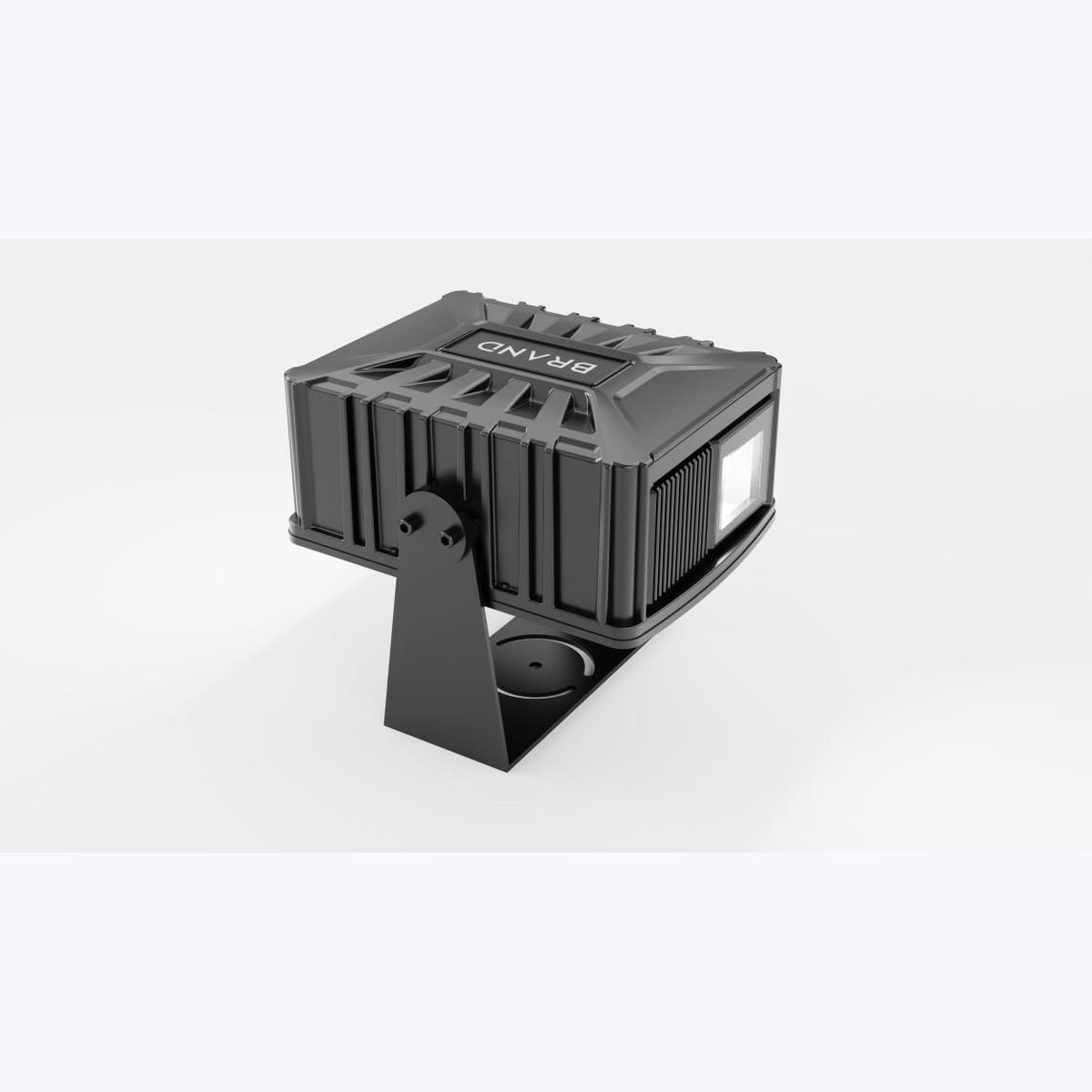
The BWL-OL-004 housing image above helps the team confirm which visible product record it is discussing. It cannot close any evidence row. The release decision still depends on the written version/configuration block, mapped files, open conditions and named authority.
A Commercial Décor Contractor Case: Turning a Mixed Folder Into a Readiness Matrix
A commercial décor contractor on the West Coast was preparing a seasonal projector shortlist. The working folder contained product material, component files, instructions and application images, but its index did not say which proposed configuration each item supported or which questions belonged to the later project review.
I started by asking for the current decision and owner. The immediate job was supplier/product shortlisting, while final site review remained a later buyer-controlled gate. I created separate candidate identity blocks rather than combining files across product families. For the selected configuration under discussion, each item received a scope object, revision, evidence location and readiness state.
One component row moved to supplier clarification pending because its relationship to the supplied set needed to be written. The project-use rows moved to buyer/local review pending because the intended location, mounting concept and appointed reviewer were not yet final. No supplier file was relabeled as site acceptance. The request also gained change triggers so a different version, power set or use concept would reopen the affected rows.
The contractor did not receive an invented promise that the folder would pass a future review. The practical result was a cleaner shortlist question set: which supplier-controlled items were held and mapped, which needed retrieval or clarification, and which could only be closed after the buyer defined the project and reviewer. No order, submission, shipment, approval or installation is claimed.
I consider a project-document handoff ready when another reviewer can reconstruct the exact product, scope, revision, open condition and decision owner without asking what the folder was supposed to mean.
Conclusion
The useful deliverable is not a heavier folder. It is a controlled matrix that tells the next reviewer what each item supports and where its authority ends. On the next project, start with the decision header and exact configuration block; then require every row to carry scope, revision, state, owner and decision effect before calling it ready.
Frequently Asked Questions
What are commercial lighting project documents?
They are the buyer-requested product facts, component evidence, controlled instructions/files, shipment records and project-specific information needed for a named review. The exact list depends on the selected product, project, decision stage and appointed reviewer; this article does not define a universal requirement set.
Who should create the project installation document checklist?
The buyer should define the decision, proposed configuration, intended context, reviewer and requested rows. The supplier maps product-controlled facts and files. The buyer and appointed reviewer own site-specific information and acceptance.
Does having a certificate or report make the project packet ready?
Not automatically. Record what product/component and claim the file covers, its controlled revision, how it maps to the proposed configuration, who reviewed it and what remains open. A relevant file can be held while project acceptance is still pending.
Can adapter evidence be used as whole-projector evidence?
Only within its supported scope. Record the exact adapter identity, what the evidence covers and how that adapter relates to the supplied projector configuration. Do not summarize component evidence as whole-product or project approval without a controlled basis.
What does “document retrieval pending” mean?
It means the item is stated as held or available but is not yet in the controlled packet. The row should name the source, retrieval owner, needed-by point and decision effect. It is neither ready nor proof that the document does not exist.
When should a lighting-project document matrix be updated?
Reopen affected rows when the SKU/version, power or accessory set, label/manual/artwork, packing configuration, requested claim, installation concept, site condition, reviewer or decision stage changes. Record what was superseded and remap the current state.
Does a complete document matrix guarantee project acceptance?
No. It makes product evidence, component scope, open conditions and decision ownership traceable. The appointed reviewer still decides what the particular project accepts. A readiness matrix improves the handoff; it is not a universal approval or legal conclusion.