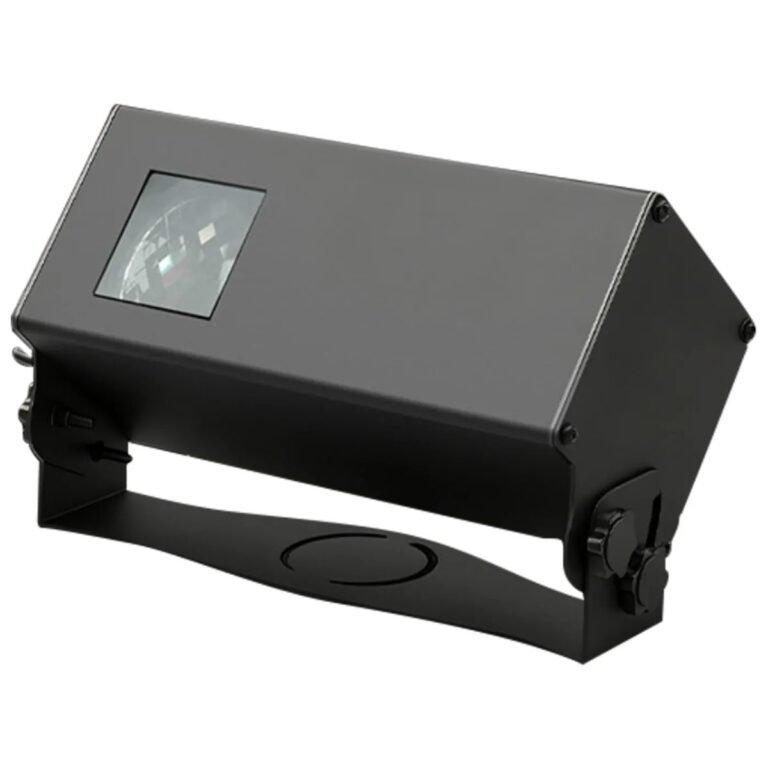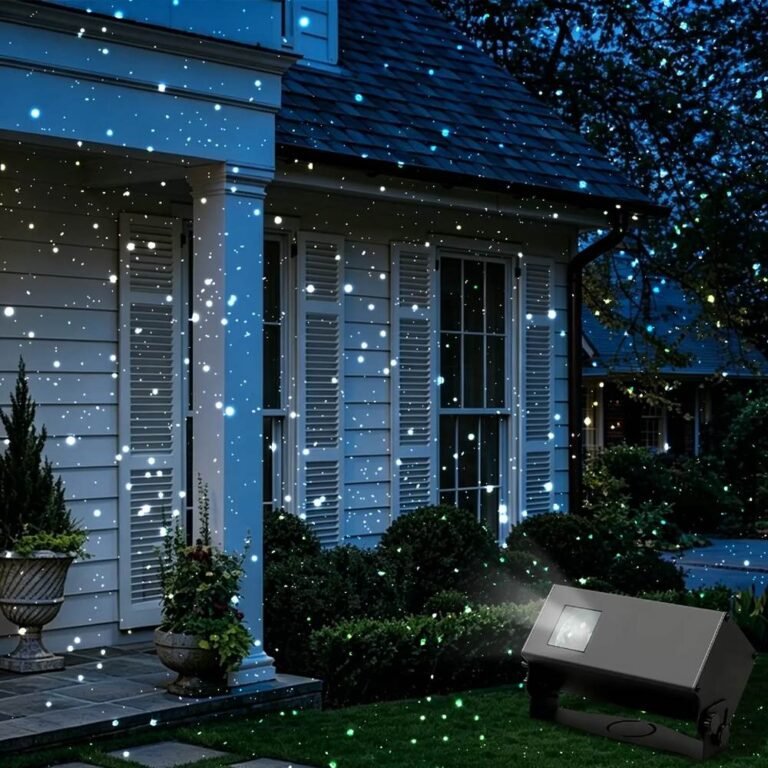

When a buyer asks whether an outdoor laser projector for Europe can move to order, I do not answer from the Class 1 line alone. I first replace “Europe” with a named country and locality, identify the sales or project channel, record the proposed site and operating plan, and assign the people who can decide each open question. Those are buyer-owned decisions that a factory cannot close from a product file.
Class 1 and the factory release method still matter, but they enter this workflow as bounded supplier inputs. They do not select a venue, approve installed geometry, define audience access, satisfy a marketplace request, resolve an aviation or transport interface, or decide what a local reviewer will accept. A technically accurate product packet can therefore coexist with an open pre-order gate.
The useful deliverable is a buyer-owned release worksheet: exact product/effect as the technical baseline; named destination, site, channel and operating plan as separate decision rows; a current source, owner and disposition for every local question; and a hold consequence when any required row remains open. Supplier evidence supports that worksheet but does not grant permission for another decision layer.
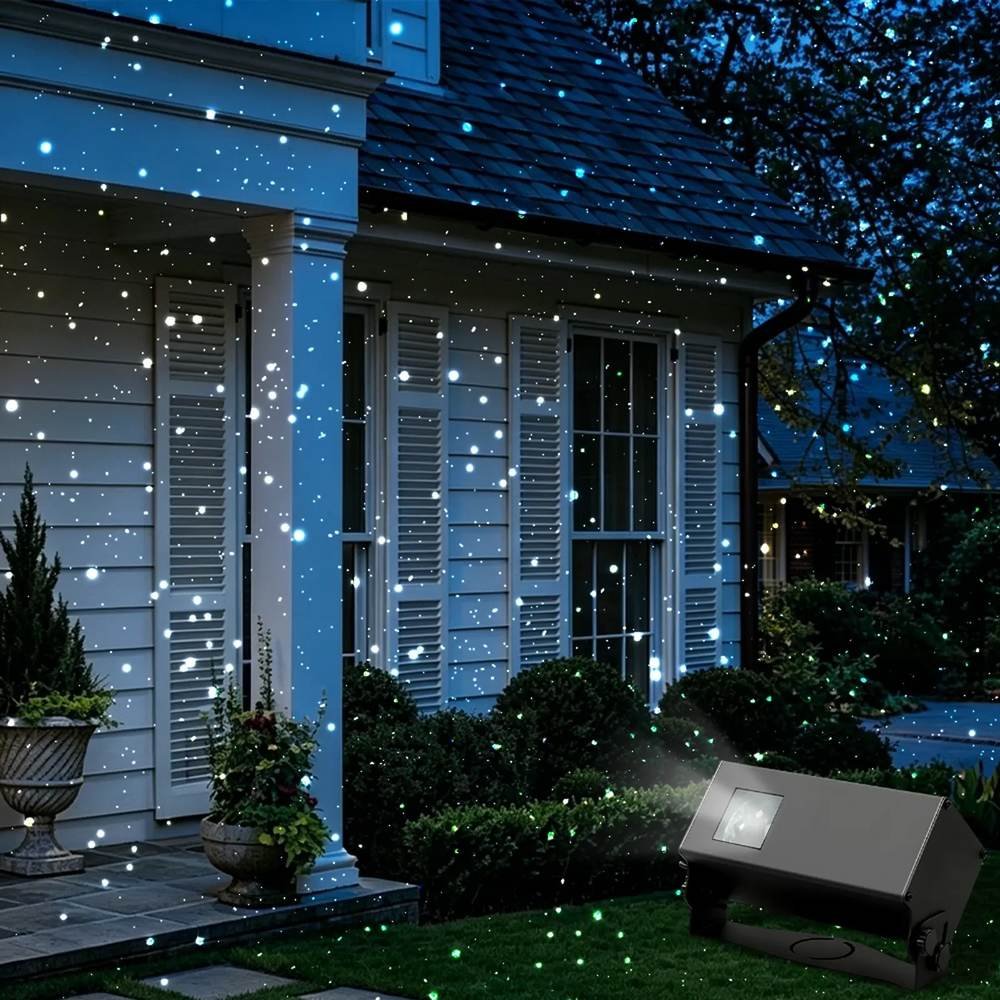
BWL-OL-001 gives us one exact product anchor and an outdoor effect context. The image cannot identify the country, property, channel, installed direction, audience controls or local decision owner. I therefore use the product record as the beginning of the worksheet, not as the answer to the project around it.
This article is a purchasing and evidence workflow, not legal, aviation, installation or laser-safety advice. The buyer should route local questions to the competent authorities and professionals for the named project. Unknowns remain open; no country permission or prohibition is inferred here.
What Must a Buyer Define Before Reviewing an Outdoor Laser Projector for Europe?
A catalog entry can identify the proposed product, but it cannot define the commercial and physical project around it. I make the buyer complete the decision frame before asking whether an order can move.
Before reviewing an outdoor laser projector for Europe, name the exact visual brief and candidate product, destination country and locality, sales or project channel, site owner and use concept, proposed position and operating plan, affected stakeholders, competent reviewers, decision sources and order-hold rule. “Europe” is a search phrase; it is not a releasable destination record.

I use six buyer-owned rows:
| Decision row | Minimum definition before review | Hold signal |
|---|---|---|
| Visual brief and candidate | Required effect, exact public SKU/version and known alternatives | “Outdoor laser” is the only product description |
| Destination | Country, locality and intended placing/use context | “Europe” remains the only geography |
| Commercial channel | Retail, distribution, event/project supply or another named route | No channel owner or current request exists |
| Site and operation | Property/use concept, proposed position and direction, access, operator and schedule | The physical plan is still assumed from marketing artwork |
| Review ownership | Site owner, channel contact and competent technical/local reviewers | One generic “compliance” owner is expected to decide everything |
| Order disposition | Required evidence or decision, current source/date, owner, status and hold consequence | TBC has no owner or effect on release |
The order matters. First the buyer defines the visual and commercial job. Next the supplier proposes an exact product and destination configuration. Then each site, channel and jurisdiction question goes to the party that owns it. The factory can answer product-controlled questions, but it cannot infer the buyer's locality or operating conditions from an order line.
A distributor considering retail resale, an event contractor planning a temporary display and a property operator considering a fixed exterior installation may create different review rows even when they inspect the same projector. Those are examples of decision contexts, not a universal European checklist.
The worksheet is complete only for the current stage. A row can be supported, conditional, not applicable with the buyer's recorded basis, or open. If a required local decision remains open, the order gate remains open.
I turn “Europe” into named decision rows before I let a product fact influence the order gate.
Why Is Class 1 Only a Starting Input for an Outdoor Laser Projector for Europe?
Class 1 is a meaningful product statement, but it is not the architecture of this project review. I keep it in one bounded foundation row and route the deeper supplier-verification work to its own guide.
For this pre-order worksheet, Class 1 can support the classification row only for the exact product, configuration, evidence scope and conditions accepted by the buyer's reviewer. It cannot close the destination, site, channel, installed-use, authority-interface or insurance rows, and it does not by itself prove overall product safety or unrestricted use.
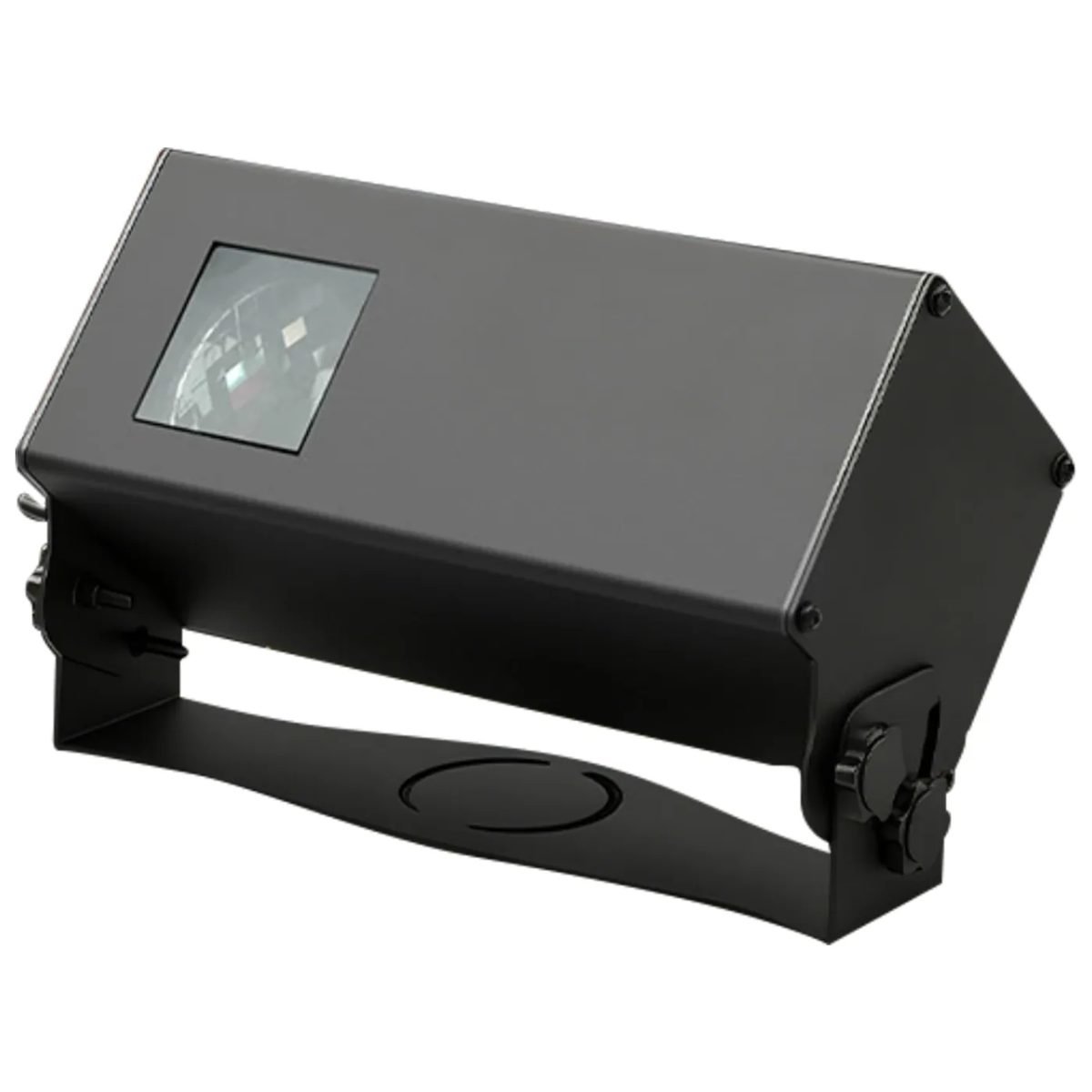
The current Bowlum catalog records for BWL-OL-001 and BWL-OL-004 each carry a Class 1 IEC60825-1 entry, while the confirmed factory process requires applicable laser products to meet Class 1 before shipment. Those are two bounded inputs: a product-record statement and a factory release process. BWL-OL-004's public identity contains APP-family and DMX512 versions, so the buyer must name the selected state; the record-level entry does not by itself prove both. Neither input substitutes for exact supporting evidence or a buyer's local decision.
I do not reproduce the full identity, standard, evidence-scope, record-retrieval and per-unit-release checklist here. That work belongs in the related guide to laser safety questions for suppliers. The handoff result for this article is short: one exact product baseline, one stated evidence status, one factory-process status and explicit limits.
| Foundation input | State carried into this worksheet | Decision it cannot close |
|---|---|---|
| Exact product baseline | Public SKU, selected version/configuration and current evidence status | Site, channel or jurisdiction acceptance |
| Factory release input | Applicable process statement and buyer-requested record state | Model-document coverage or local permission |
| Buyer review status | Accepted, conditional or open for this sourcing stage | A future authority, venue, platform or insurer outcome |
The official IEC description is a useful private guardrail because laser classification does not settle every aspect of overall product safety. European guidance also separates placing on the market from putting into service, installation and use. I use those distinctions only to keep rows separate; I do not publish a country-by-country permission, notice or prohibition list.
Which Site, Channel, and Jurisdiction Questions Belong to the Buyer?
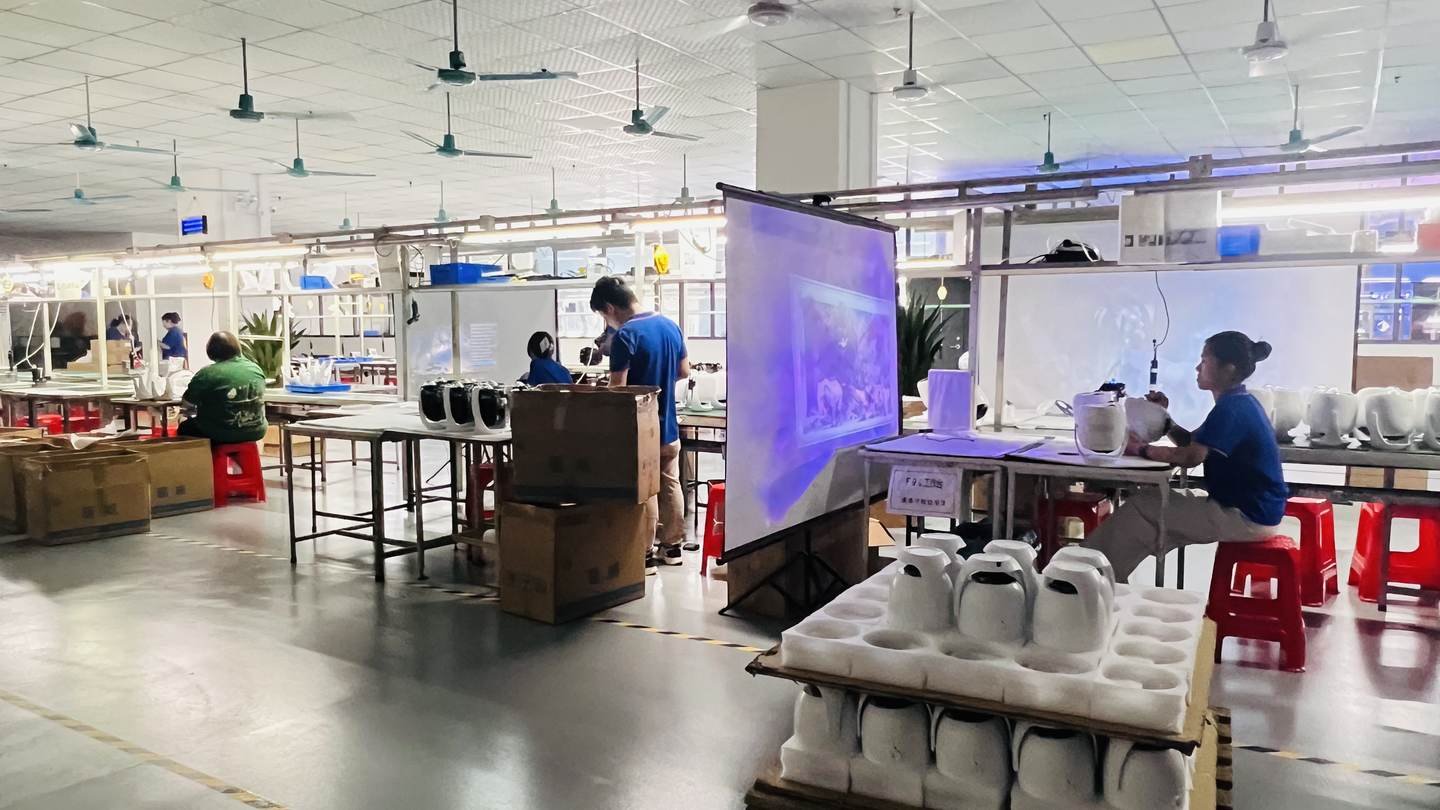
A factory sees the product and the agreed order configuration. It does not automatically know the final venue, beam path, audience access, local authority route, installer method, sales claims or channel evidence request.
The buyer should own a project worksheet naming the country and locality, sales or use channel, site owner, proposed projector position and direction, audience/access conditions, operating plan, installation and power arrangement, local authority or aviation/transport interface where relevant, and the professional reviewer for each open decision. The supplier can provide product facts but cannot approve the buyer's site.
I ask the buyer to complete these fields without inserting universal answers:
| Buyer-owned field | What to record | Why the supplier cannot close it alone |
|---|---|---|
| Named jurisdiction | Country, locality and responsible review route | “Europe” does not identify the applicable local decision |
| Commercial channel | Retail, distribution, event/project supply or another named route | Channels may ask different evidence and claims questions |
| Site/use | Temporary or fixed plan, indoor/outdoor boundary and responsible site owner | The factory does not control the final property or operating plan |
| Position and direction | Proposed location, orientation, height and intended projection area | Product classification does not describe the installed geometry |
| Public/audience access | Who can approach, operate or alter the installation | Actual access belongs to site planning and supervision |
| Aviation/transport interface | Whether a competent reviewer needs to consider nearby aviation, road, rail or other operations | The project location, not the catalog, creates the question |
| Installation and operations | Installer, mounting/power plan, schedule, supervision and shutdown responsibility | These are buyer/site controls, not factory permission |
| Decision record | Reviewer, evidence requested, disposition, conditions and hold consequence | A named owner prevents TBC from becoming release |
I do not give distances, angles, exclusion zones or notification deadlines in this article. Those values, where relevant, depend on the site, jurisdiction, product, operating plan and competent authority or professional method. A borrowed number could create false confidence.
The same restraint applies to insurance and marketplaces. A buyer, venue, platform or insurer may ask for particular records, but I do not predict acceptance or imply that every project has the same request. The worksheet records the real stakeholder, its question and the evidence required for this project.
This division of labour is not the supplier avoiding responsibility. The supplier remains responsible for accurate product identity, evidence and agreed factory release. The buyer remains responsible for accurately defining where and how it intends to sell, install or operate the product and for obtaining the local decisions that plan requires.
How Should Channel and Jurisdiction Reviews Stay Separate?
A legal-market review, a marketplace request and a site-owner decision can all use the word approval, yet they have different sources and owners. I prohibit one green status from flowing into the other rows.
Create separate decision records for the applicable product-market route, commercial channel, site owner or venue, installation/operation plan, and any authority interface the actual project raises. Each row needs its own question, current source and date, responsible reviewer, evidence requested, disposition, conditions and order consequence. A channel acceptance is not a jurisdiction decision, and neither is site permission.

| Decision lane | Buyer question | Evidence/input owner | What must remain separate |
|---|---|---|---|
| Product-market route | Which rules and economic-operator roles apply to the named product and destination? | Buyer's qualified product/compliance reviewer | Marketplace or site-owner acceptance |
| Commercial channel | What current product file, claim or listing information does this named channel request? | Buyer and channel contact | A general statement about European law |
| Site owner or venue | What does this property/use plan require before installation or operation? | Buyer, property/venue owner and appointed reviewer | Product classification or channel status |
| Installation and operation | Who approves mounting, power, direction, access, supervision and shutdown controls? | Buyer, installer/operator and competent professional | Factory release status |
| Authority interface, if raised | Which local, aviation, transport or other body should review the actual plan? | Buyer-appointed competent reviewer and relevant body | A universal notice or permission rule |
The opened-product image above cannot answer any lane. It merely shows why the exact physical configuration must stay identifiable while different reviewers do their own work. For the separate task of transferring device, adapter, plug, controls and files from a US reference to a named European destination, I use the US vs Europe projector configuration guide.
I also record negative answers carefully. Not applicable needs a named decision source and date. No request received is a channel status, not a legal conclusion. Site owner accepted concept is not product-market acceptance. These labels make the worksheet useful without manufacturing a broader permission.
I never let one stakeholder's status become another stakeholder's decision.
Which Pre-Order Gates Need a Named Owner and Hold Consequence?
A worksheet becomes operational only when every unresolved row changes the purchasing decision. I give each gate an owner, needed-by point and explicit consequence instead of collecting a list of unanswered questions.
Use separate gates for the effect/product baseline, destination configuration, product-market review, commercial channel, site and operation plan, any project-specific authority interface, and supplier production/release input. The buyer's program owner integrates the statuses but does not replace the specialist decision owners. A required open row must produce a conditional hold or full hold before order release.
| Pre-order gate | Named owner | Close record | Hold consequence |
|---|---|---|---|
| Effect and candidate product | Buyer product/project owner | Required visual job and exact candidate/configuration | Reframe brief or keep product selection open |
| Destination configuration | Buyer + supplier configuration owners | Named country set, adapter/plug, controls, mounting and controlled files | Hold configuration release |
| Product-market route | Qualified buyer-side reviewer | Applicable-route decision, evidence status and conditions | Hold placing-on-market decision |
| Commercial channel | Buyer + named channel contact | Current request, submitted evidence state and conditions | Hold that channel plan only |
| Site and operation | Site owner, installer/operator and appointed reviewer | Position/direction, access, power/mounting, operation and supervision disposition | Hold site commitment or revise plan |
| Authority interface, if applicable | Buyer-appointed competent owner | Named question, current source/body, decision and conditions | Hold affected use until resolved |
| Supplier production/release input | Supplier + buyer quality/product owner | Exact ordered configuration and agreed release/traceability status | Hold production or shipment release |
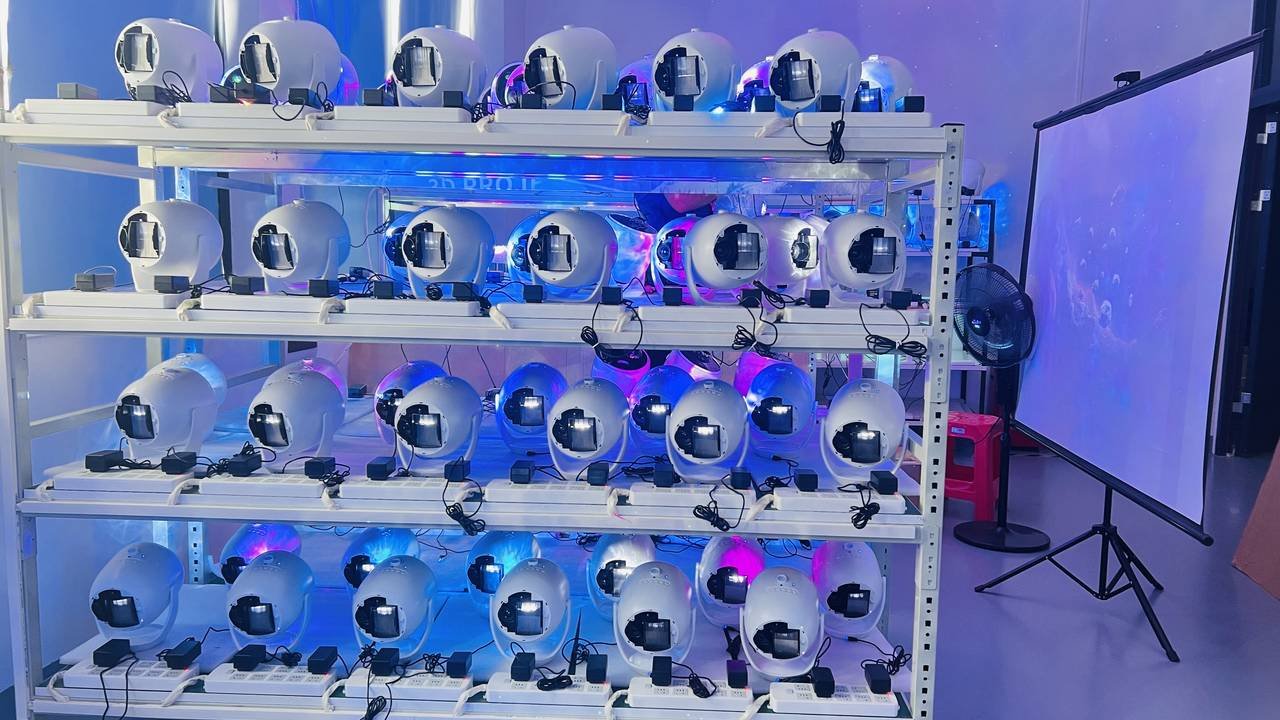
The last row is intentionally compact. Bowlum's confirmed Class 1 release process is a supplier-side input, not the center of this article and not a certificate or local permission. The buyer should define the record it needs and carry only its status into this worksheet; the detailed work remains in the linked supplier-question guide.
Statuses should be decision-specific: supported, conditional, not applicable with basis, open, or superseded. If a site changes but the retail channel does not, reopen the site rows rather than resetting everything. If a product/configuration changes, reopen every dependent row. This makes the hold proportionate and auditable.
When Is a Catalog-Recorded LED Projector a Real Alternative?
A buyer may ask for LED as soon as a laser review becomes complex. I do not present LED as an automatic compliance workaround; I first check whether it can deliver the project effect and then open a new exact-product review.
A catalog-recorded LED projector is a real alternative only when its visible effect, operating plan, electrical configuration, outdoor rating, controls and evidence suit the buyer's exact project. Changing the light-source architecture starts a different product review; it does not automatically preserve the laser effect or obtain European site, channel or market permission.

BWL-HP-005 is the exact technical option I can discuss here. Its catalog record lists:
- LED RGBW
2×1.5W; - LED dynamic projection with eight patterns;
- IP44;
110–220Vwith5V/1500mAoutput in the recorded power field.
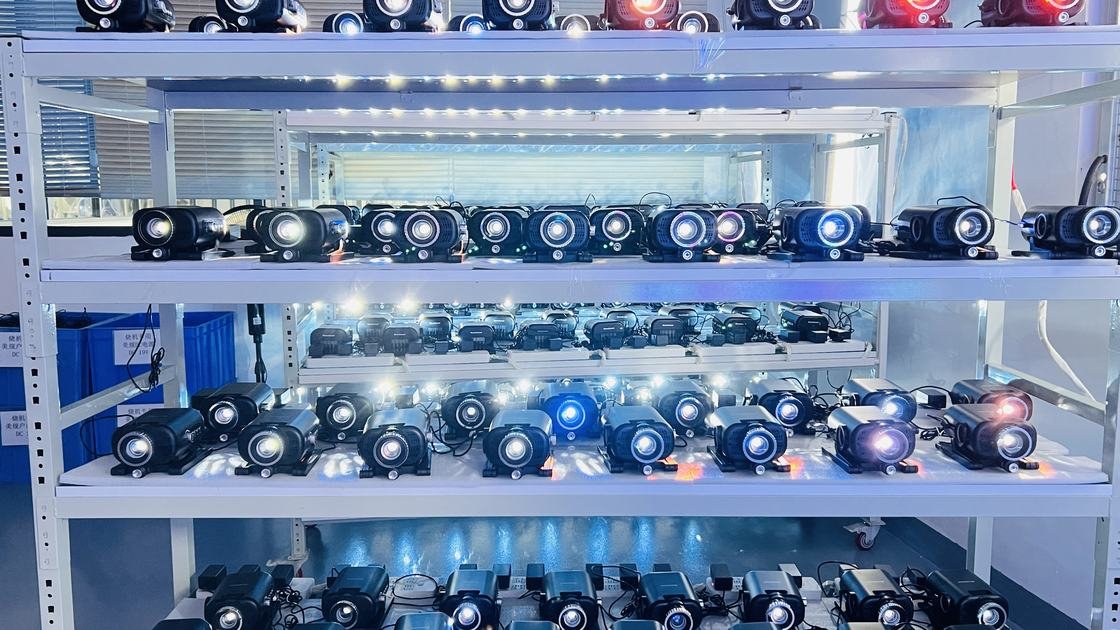
The same record has no laser specification or class entry, and the public product identity names it as an outdoor LED telescope projection light. For this comparison, I treat it as the catalog-recorded LED option. I do not turn the empty laser fields into a certification statement, destination approval or claim that no further technical evidence is needed.
The effect boundary is visible. BWL-OL-001 and BWL-OL-004 are firefly/dot-effect outdoor products. BWL-HP-005 combines LED background effects with selectable projected patterns. I do not call the results equivalent or promise that one can replace the other in a buyer's merchandising, venue or installation plan. The buyer must first say what visual result the project requires.
The destination review then starts again for BWL-HP-005: exact product and adapter configuration, applicable evidence, labels/instructions, site and channel requirements, mounting/power plan and buyer decision owners. LED changes the technology and may change the questions, but it does not delete them.
This prevents a false binary. The buyer does not have to choose “laser with automatic permission” or “LED with no review.” It can compare two accurately described product architectures and route each through the evidence and site decisions it actually needs.
What Should Stop a European Outdoor Laser Order From Being Released?
The order should stop before commercial pressure turns an open buyer decision into implied permission. I look first for contradictions between the stated project, named decision owners and the conditions attached to release.
Hold the order when “Europe” remains the destination, the required effect or exact candidate is unresolved, site/channel/jurisdiction rows lack current sources or owners, the operating plan is undefined, stakeholder conditions conflict, the destination configuration differs from the reviewed set, or the bounded supplier foundation is still open. A hold is a controlled decision state, not a claim that the product is prohibited or the supplier is at fault.
My final readback uses seven questions:
- Is the intended country and locality named instead of “Europe”?
- Does the buyer's effect brief match one exact product and destination configuration?
- Are product-market, channel, site and operation decisions kept in separate rows?
- Does each required row have a current source/date, decision owner, status and hold consequence?
- Are authority or aviation/transport questions included only when the actual project raises them and assigned to competent owners?
- Do site, installer, operator and channel conditions agree, or is the conflict visible?
- Is the supplier foundation supported for the stated sourcing stage without being treated as local permission?
A European Pre-Order Review Case: Replacing “Class 1 Means We Can Order” With a Release Gate
An anonymous UK distributor was considering an early-stage European outdoor project and asked whether the Class 1 entry meant it could place the order. The inquiry did not yet name the destination locality, final site owner, installed direction, audience/access plan, operating owner or sales/project channel.
I did not begin with another certificate request. I converted the question into a buyer worksheet: destination and use concept; effect brief and candidate; site/operation plan; commercial channel; product-market reviewer; any authority interface the location actually raised; and one bounded supplier-foundation status. Each row received its own source, owner, disposition and order consequence.
That exposed a conflict the original question hid: the product could remain a valid candidate while the project route was still undefined. The buyer also asked whether an LED option could remove the review. I introduced BWL-HP-005 only as an exact catalog-recorded technical alternative and made the team compare its different effect, electrical configuration, outdoor rating and evidence needs. I did not call it equivalent or automatically permitted.
The case ended with open rows and named decision owners. I do not claim an approval, refusal, permit, order, installation, incident, avoided cost or commercial result. The useful result was a review another stakeholder could challenge without treating a supplier product statement as the buyer's site or jurisdiction decision.
I move the order only when every required buyer-owned row has an owner and disposition; product evidence never votes on behalf of the site, channel or jurisdiction reviewer.
Conclusion
Before ordering an outdoor laser projector for Europe, turn the regional phrase into a buyer-owned decision register. I name the country and locality, effect brief, channel, site and operating plan; separate product-market, channel, property and project-specific authority questions; assign a current source, owner, disposition and hold consequence to every required row; and carry Class 1 and factory release only as bounded supplier inputs. BWL-HP-005 remains a technically different LED option, not a regulatory shortcut. My final rule is simple: no order release while one stakeholder's status is standing in for another stakeholder's decision.
Frequently Asked Questions
Does Class 1 mean an outdoor laser projector can be used anywhere in Europe?
No. Class 1 is a product-classification conclusion within the exact evidence scope and conditions. It does not grant country, site, installation, aviation/transport, channel or insurance permission.
What should a buyer review before ordering an outdoor laser projector for Europe?
Review the exact product/effect baseline, named country and channel, proposed site/use and operation, product-market and project-specific authority owners, complete destination configuration, and bounded supplier evidence/release status. Keep each decision in a separate row.
Why should site, channel and jurisdiction reviews use separate rows?
They have different questions, sources and decision owners. A channel may accept a file without deciding a site plan; a site owner may accept a concept without deciding the product-market route. Keep each status and its limits visible.
Can the supplier approve a European site or operating plan?
No. The supplier provides accurate product, configuration, evidence and factory-process inputs. The buyer, site owner, installer/operator and appointed competent reviewers must decide the actual site, installed direction, access, operating plan and any local interface.
Does channel acceptance prove local or site permission?
No. Record the named channel's current request and disposition in its own row. Do not transfer that status to a product-market, site-owner, installation, aviation/transport or other jurisdiction question.
Is BWL-HP-005 automatically a compliant LED fallback for Europe?
No. It is an exact catalog-recorded LED option with LED RGBW 2×1.5W, eight dynamic patterns, IP44 and a recorded 110–220V to 5V/1500mA power field. Its effect, configuration, evidence and destination review must be evaluated separately.
What should hold an outdoor laser order?
Hold when the destination, exact product/version, class-evidence scope, site/channel/jurisdiction owner, production configuration or unit-release record is unclear. A hold records missing evidence or authority; it does not declare the product prohibited or the supplier at fault.