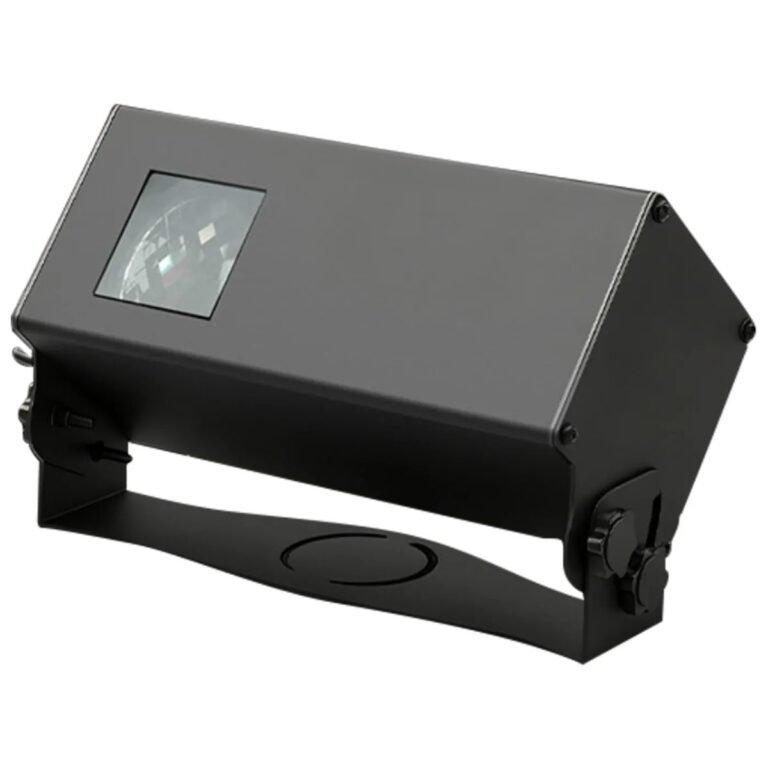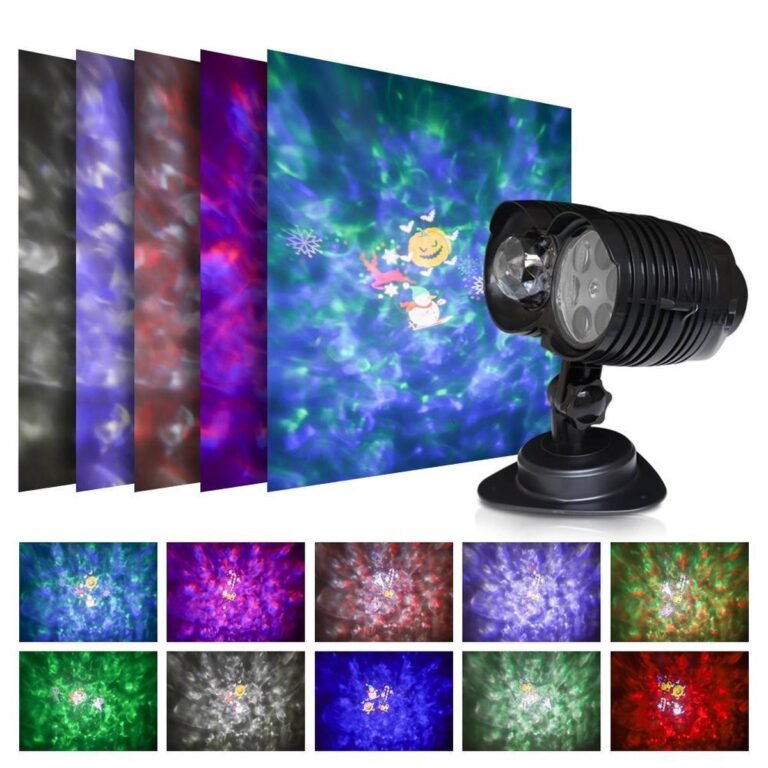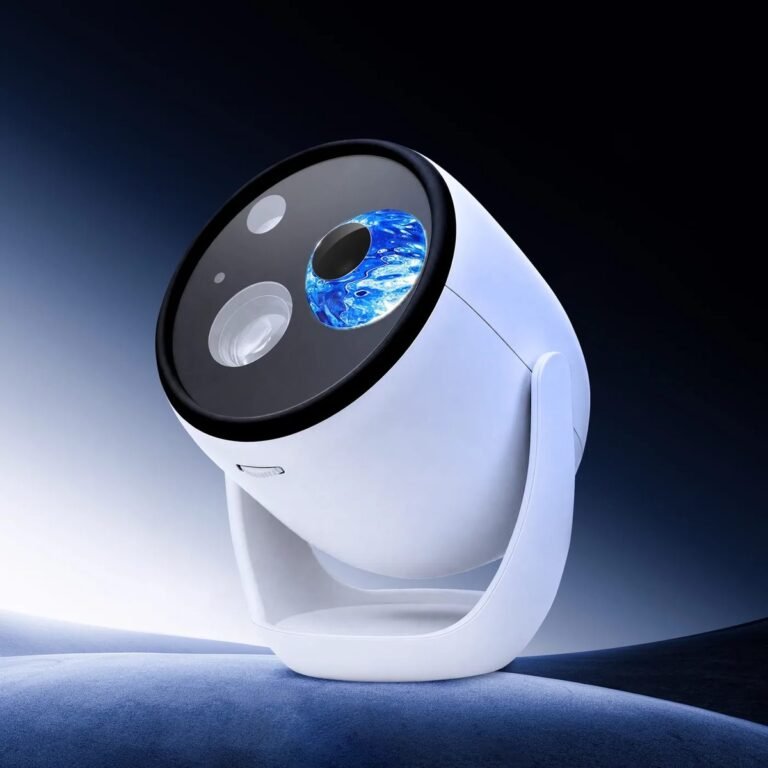

When a buyer asks me to move a US-reference projector to Europe, the US vs Europe projector configuration request often arrives as one instruction: “Change the plug.” I do not release a configuration from that sentence. A plug is only the visible end of a longer chain that includes the exact projector version, device-side input, supplied adapter, controls, included parts, labels, instructions and technical evidence.
The phrase US vs Europe projector configuration also hides a geography problem. The United States is not a universal product record, and Europe is not one plug, voltage cell, language file or regulatory decision. The buyer has to name the intended country, sales channel and responsible market-side reviewer before any transfer row can be called complete.
A cross-market projector transfer should preserve only the fields proved to be unchanged for the exact SKU and selected version. Device input, adapter identity and ratings, mains plug, controls, accessories, labels, instructions and technical evidence must be reopened separately for the named destination; a supplier label such as “US/EU/UK adapter” is a configuration clue, not destination approval.
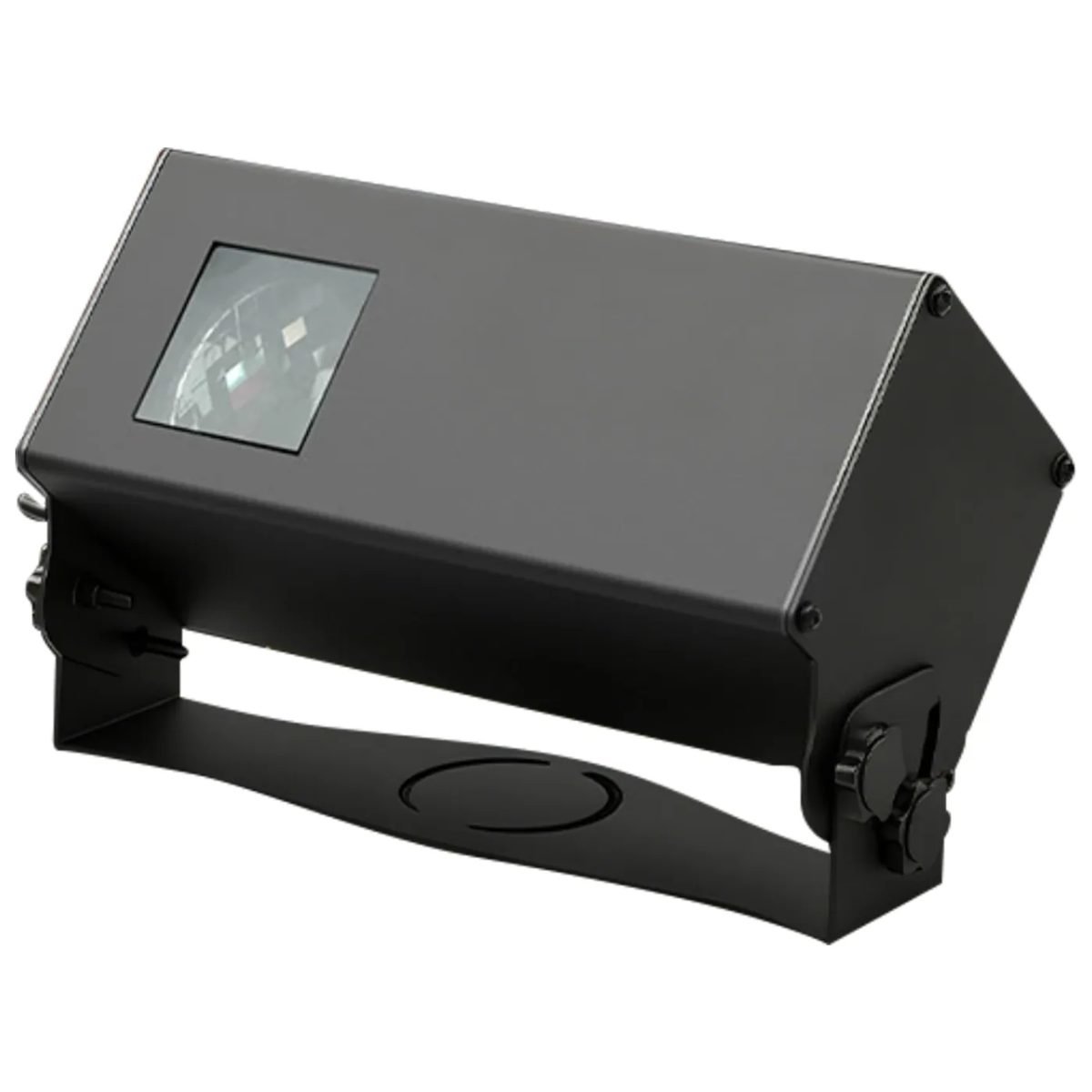
BWL-OL-001 gives us a useful real boundary. Its current structured record lists a 12V/1000mA device-side input and an adapter option labelled for US, EU or UK configurations. That does not tell me the exact adapter model, its full input/output label, connector, polarity or destination evidence. I keep those fields open until the selected physical adapter and supporting records are identified.
This guide is a configuration-transfer method, not a declaration that either example is suitable for any particular market. Destination requirements belong to the exact product, business role, country and channel. Unknowns stay visible for qualified review.
What Does a US vs Europe Projector Configuration Transfer Actually Mean?
The word “same” can refer to the housing, visual effect, public SKU or commercial concept while several executable fields change underneath. I define the transfer before I compare it.
A US vs Europe projector configuration transfer means taking one exact SKU and selected version from a documented US reference state to a named European destination state, then deciding field by field what is unchanged, what is conditional and what is not yet comparable. It is not permission to copy the US release or replace one mains plug in an otherwise undefined set.

I start with two configuration columns and one shared identity row:
| Record layer | US reference state | Named European destination state |
|---|---|---|
| Product identity | Public SKU and selected version actually reviewed | Same exact identity, or an explicit new version |
| Device-side power | Value from the exact product record and sample | Rechecked against the destination set, not copied from a family row |
| External adapter | Full physical identity, ratings and evidence used in the reference | Exact destination adapter identity, ratings and evidence |
| Mains interface | Reference plug and cable arrangement | Physical plug/cable selected for the named country and channel |
| Controls and included set | Remote, control version, mounting and accessories | Exact destination set and any version/file changes |
| Presentation | Labels, instructions and controlled commercial files | Destination-reviewed revisions and responsible owner |
| Evidence | Product/adapter evidence and decision conditions | Evidence reopened for changed objects, rules and roles |
The transfer state is not simply pass/fail. I use three operational labels:
- Transferable: the exact object and revision are demonstrated to be unchanged, and the destination reviewer accepts inheritance for the stated scope.
- Conditional: the row may transfer only after a named condition, document or decision is closed.
- Not yet comparable: the exact identity, evidence or destination requirement is missing, so no equivalence decision can be made.
These states keep an incomplete transfer useful. A blank adapter identity is not automatically a rejection of the product; it is a clear request for the sample label and supporting record. A product can remain commercially interesting while the release remains on hold.
I transfer a field only when its object, revision, destination scope and decision owner stay visible together.
Which Electrical Fields Must Be Rechecked on the Exact SKU?
A buyer may see 12V on two product rows and treat them as one electrical platform. I never compare the voltage fragment alone; the complete field must remain tied to the exact public SKU and selected supplied set.
Recheck the device-side input, exact adapter model, adapter input and output, output type, connector and polarity where documented, mains plug/cable, and environmental placement for the exact SKU. Do not borrow an adapter input/output from a neighbouring product merely because the projector housing, destination label or one voltage value looks familiar.
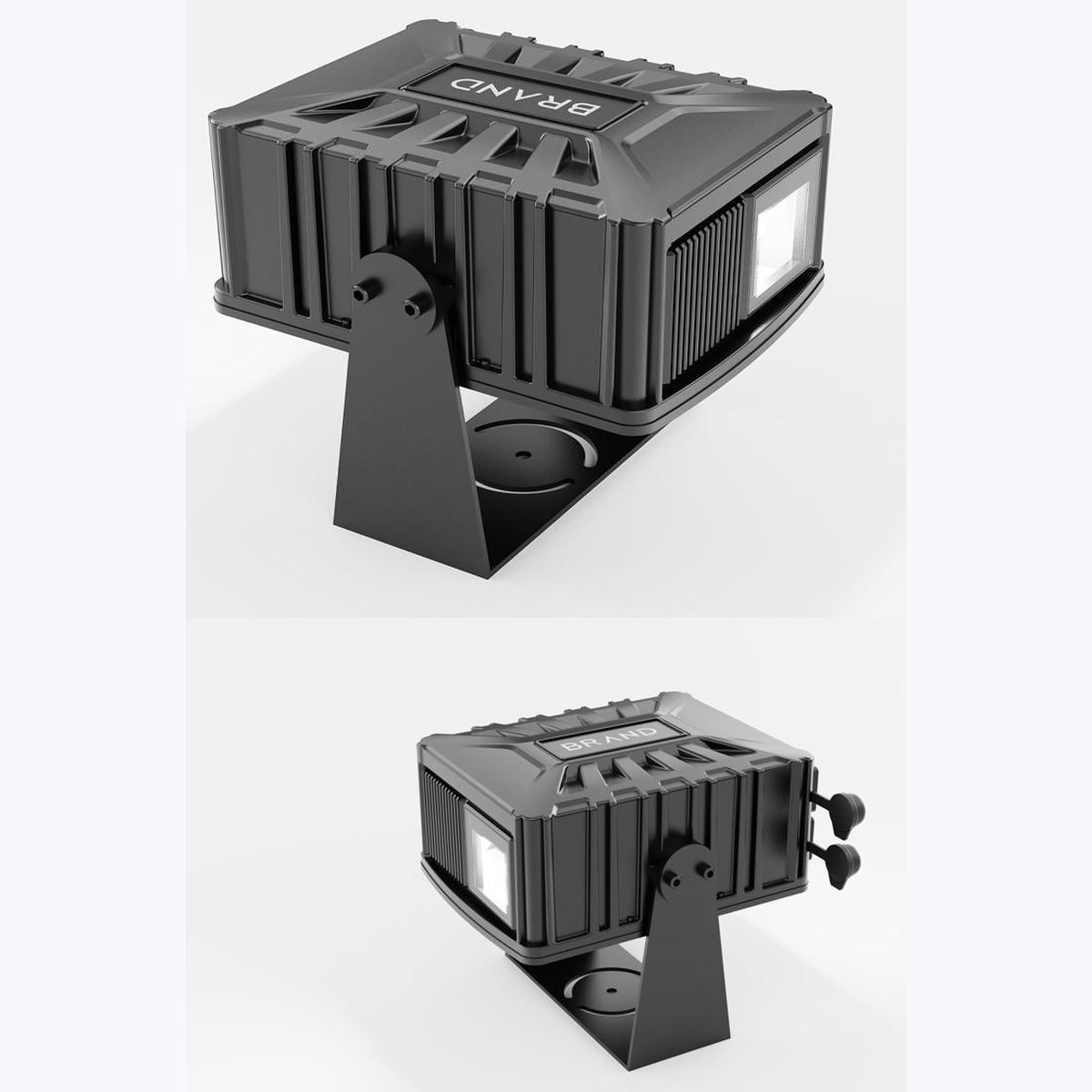
Our current records make the cross-SKU trap concrete:
| Public Bowlum SKU | Exact device-side input recorded | Adapter configuration wording recorded | What remains unproved by that row |
|---|---|---|---|
| BWL-OL-001 | 12V/1000mA | Adapter labelled US/EU/UK options | Exact adapter model, full input/output label, connector, polarity and destination acceptance |
| BWL-OL-004 | 12V/2000mA | Adapter labelled US/EU/UK options | The same missing adapter details, plus the selected APP-family or DMX512 version |
I do not merge those lines. BWL-OL-004 is not a higher-current version of BWL-OL-001 in this article; it is a different exact SKU with its own record. Likewise, I do not append 110–220V to either row. That input wording belongs to other exact product records in our catalog and cannot be moved across SKUs to create a more complete-looking specification.
The adapter label is the next evidence object. I request a straight-on photograph of the supplied adapter label, its exact model, input, output, output type and any controlled supporting file. I also ask for the physical plug/cable configuration. Connector and polarity are left blank here because our source rows do not record them.
This separation prevents two opposite mistakes. One is rejecting a valid destination configuration because its projector body carries a low-voltage input. The other is assuming that a low-voltage body makes every external adapter interchangeable. Both conclusions skip the mains-side conversion device and its exact association with the projector.
For a deeper adapter/document and compatible-replacement method, I route the reader to the related power-adapter evidence-boundary guide. This article keeps its narrower job: comparing the US reference row with the named European destination row without mixing products.
Why Is a Regional Adapter Label Not a Destination Approval?
“EU adapter” is useful purchasing shorthand. It can tell production which commercial configuration a buyer intends, but it does not identify every country, scheme, document, label condition or reviewer decision behind that intention.
Treat US/EU/UK adapter wording as a supplier configuration label only. Before release, identify the exact physical adapter and plug, match its ratings and evidence to the exact projector, name the intended destination, and let the responsible buyer-side reviewer decide whether that set satisfies the applicable product and channel requirements.
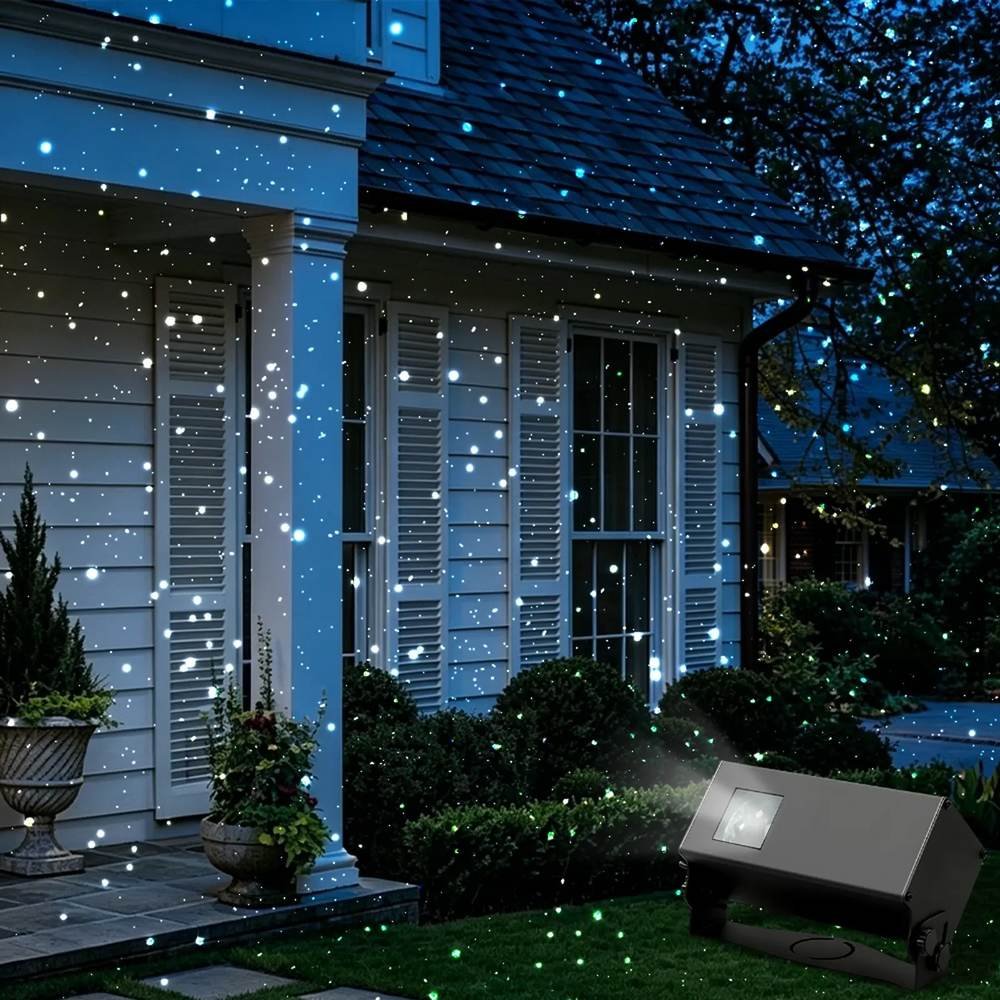
I split the shorthand into questions that can be answered:
| Shorthand field | Evidence object needed | Decision it cannot make by itself |
|---|---|---|
| “EU plug” | Physical plug and cable selected for the named destination | Suitability for every European country or installation |
| “EU adapter” | Exact adapter model, complete label and supporting evidence | Finished-projector compliance or channel acceptance |
| “Universal input” | Exact adapter input range on the supplied label/document | Output compatibility, connector/polarity or environmental suitability |
| Certification mark or acronym | Scheme-specific evidence for the exact object and model | Automatic acceptance of the projector set or another adapter |
| Supplier country label | Configuration/order reference | Legal role, declaration, instructions or market release |
Europe is a destination region in a sales conversation, not a single evidence scope. Even when two countries use a physically similar plug, the buyer may have different product rules, economic-operator arrangements, instructions, channel files or installation conditions to review. I do not publish a universal list because the exact destination and product route determine the work.
The same caution applies to a US reference. A US plug in a sample does not show which evidence, label, business role or channel decision supported that sample. Unless the reference packet states those conditions, it is a physical starting point rather than an approved regulatory baseline.
This wording is intentionally restrained. A regional adapter option can be real and commercially useful without carrying every answer a distributor needs. By preserving it as a configuration label, I can ask production for the intended set while leaving market acceptance to the party that owns that decision.
What Else Must Be Rechecked Beyond the Plug and Adapter?
Power is only one configuration axis. A visually identical projector can change control method, included parts, files or presentation, and those changes may reopen technical evidence or destination review.
Recheck the selected product version, control method, included accessories, mounting parts, cable arrangement, product and party labels, instructions, controlled software or content files where applicable, packaging presentation and the exact evidence revision. A cross-market transfer is incomplete when these fields remain hidden inside “same product.”
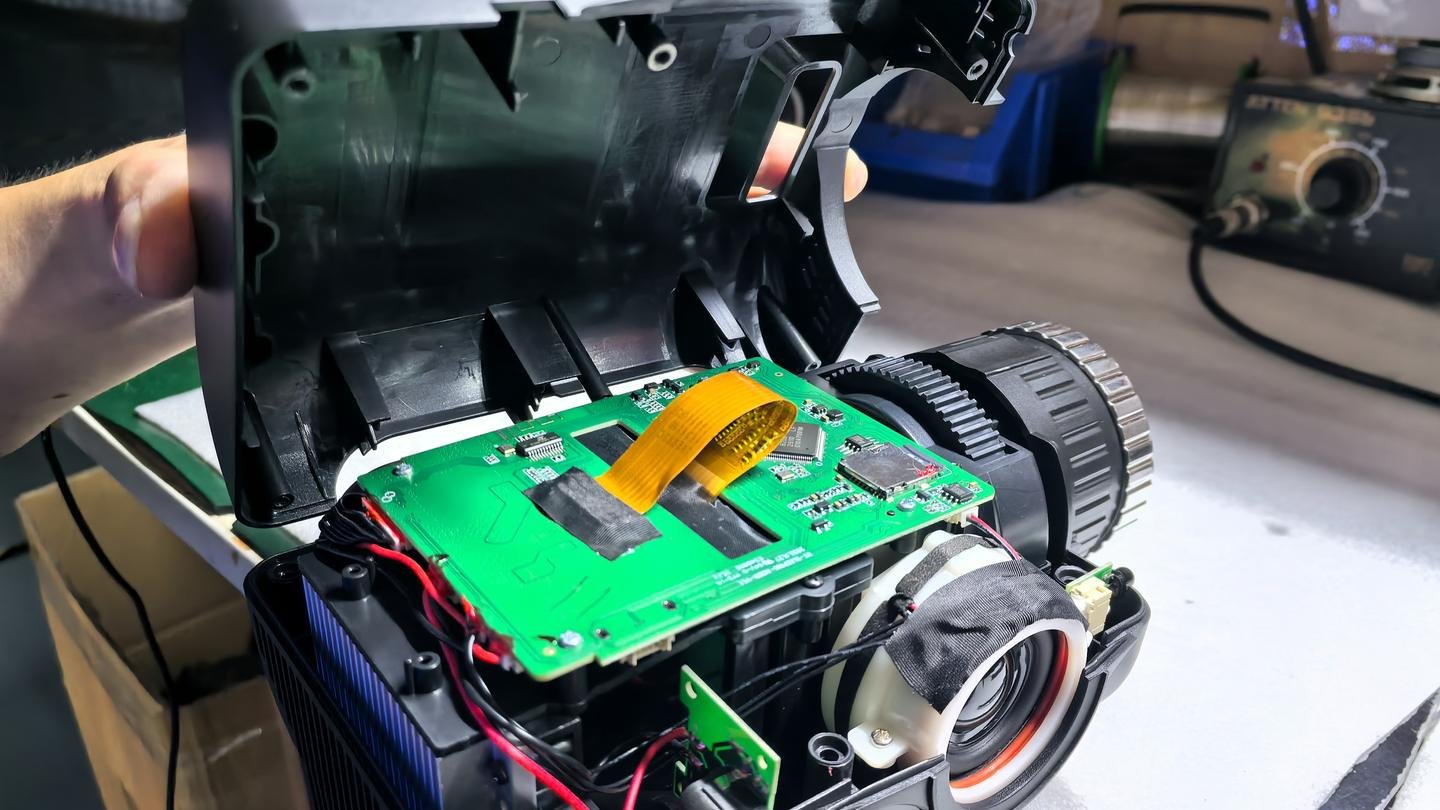
BWL-OL-004 illustrates why the version row matters. Its public identity currently includes a 7-color APP family version and a DMX512 professional version. I do not assume those versions share the same controls, files, included set or market evidence merely because they share one public SKU. The transfer packet must name which version the US reference represents and which version the destination buyer wants.
I then expand the included-set record:
- projector body and version;
- exact external adapter and mains plug/cable;
- control device or interface included with that version;
- mounting bracket, base, stake or other approved hardware where supplied;
- product label, manufacturer/importer identity presentation and packaging label;
- instruction and warning revision;
- controlled app, control or content reference if that selected version uses one;
- technical and conformity evidence mapped to the exact object and revision.
That list is not a claim that every field changes between the United States and every European destination. It is a review menu. A row may be unchanged, but the packet must show why it can be inherited. “Same photo” is not a change-control state.
I am equally careful with language and instructions. Some destination rules or channels may specify presentation requirements, but I do not claim one language pack covers Europe or that every product needs the same translations. The buyer names the destination, applicable rule/channel owner and required revision. Until that happens, the instruction row remains conditional.
The purpose is not to make a simple transfer look impossible. It is to stop one easy change—the visible plug—from hiding independent version and evidence decisions that another team will otherwise discover later.
Which Evidence Must Be Reopened When a Configuration Changes?
A real document can still be irrelevant after a transfer if it describes another product, adapter, version or revision. I reopen evidence from the object that changed rather than copying the full US folder into a new destination column.
Reopen evidence whenever the product identity, selected version, adapter, controls, components, labels, instructions or responsible economic-operator arrangement changes. Match each file to its exact object, model or revision, applicable scope, responsible party and destination decision; do not promote an adapter file into finished-projector evidence or one model's record into another's.

I use an evidence-impact row rather than a generic attachment list:
| Changed object | Evidence question to reopen | Record state before destination release |
|---|---|---|
| Projector version or construction | Does the existing technical documentation identify and describe the new state? | Accepted for stated scope / update required / open |
| External adapter | Which exact adapter model and evidence apply to the supplied set? | Mapped to the product configuration or held |
| Control method or included electronics | Does the change introduce a different function, component or file? | Impact reviewed by the named owner |
| Label/instruction set | Do the destination files match the product, parties and applicable requirements? | Correct revision released or open action named |
| Brand/economic-operator role | Do declarations, identities and responsibilities still describe the real route? | Role and evidence record reopened |
European product documentation guidance is useful here because it keeps the technical record tied to design, manufacture, operation and product identification. It also gives the buyer a reason to reopen the declaration or assessment path when design, components or materials change. I use that principle privately; I do not turn it into a claim that every change triggers the same document or procedure in every country.
If a test report or declaration lists models, the deeper question is whether the shipped model and version are actually covered. Our test-report model-coverage guide owns that analysis. In the transfer record, I point to its result and conditions rather than duplicating the whole method.
Evidence state must stay separate from commercial urgency. A confirmed event date or sales launch does not widen a report's model coverage. When the destination decision is open, I keep the release open even if production can physically pack the requested plug.
I never let a faster physical change create a broader evidence conclusion.
How Do You Build a US vs Europe Projector Configuration Transfer Record?
A long checklist can still fail when it does not show what changed, who decided and which destination the decision serves. I build the record as a comparison and disposition tool.
Build one row per independently changeable field, with the US reference identity, named European destination identity, source evidence, transfer state, open condition, responsible owner and release consequence. Close the packet only when product, adapter, plug, controls, labels/files and evidence describe the same exact destination set.
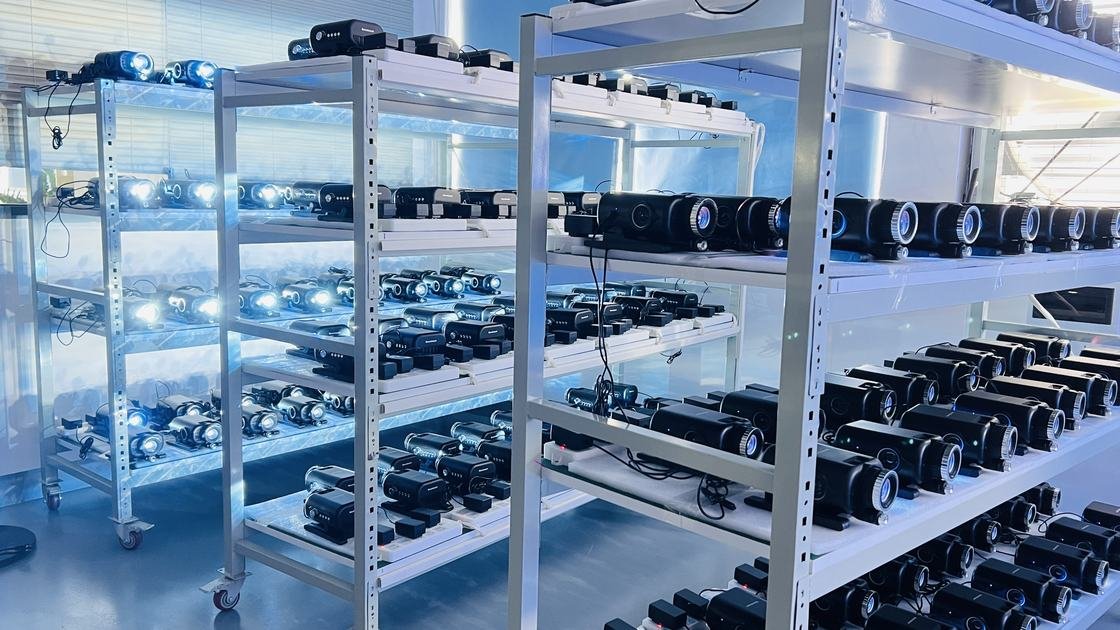
The practical transfer matrix looks like this:
| Field | US reference | Destination state | Evidence/condition | Owner | Disposition |
|---|---|---|---|---|---|
| Public SKU and version | Exact recorded state | Exact requested state | Identity and approved version record | Buyer + supplier | Transferable / changed / open |
| Device-side input | Exact SKU value | Rechecked value | Product record and sample label | Technical reviewer | Match / hold |
| Adapter and plug | Physical identity and label | Destination-selected identity and label | Exact adapter evidence and product association | Supplier + buyer reviewer | Accepted / conditional / open |
| Controls and included set | Reference list | Destination list | Controlled component/file list | Product owner | Same / changed / open |
| Labels and instructions | Reference revisions | Destination revisions | Applicable destination/channel review | Buyer | Released / conditional / open |
| Product/adapter evidence | File and object mapping | Destination mapping | Scope, identity, revision and reviewer decision | Compliance owner | Inherited / updated / open |
| Release record | Reference decision | Destination decision | Approver, date, conditions and hold consequence | Named program owner | Release / hold |
A Cross-Market Review Case: Replacing “EU Plug” With Seven Controlled Rows
An anonymous UK distributor was reviewing a US-reference sample for an early outdoor-projector program. The transfer note said only same unit — EU plug. The team had not named a destination country, selected the exact product version or captured the adapter label in the working packet.
I did not call the sample Europe-ready. I first froze the exact public SKU and selected version. Then I separated its device-side input from the external adapter and plug. I added rows for controls/included parts, labels/instructions and evidence revisions. Finally, I required an owner and consequence for every field that could not yet transfer.
The buyer's question changed from “Can the factory change the plug?” to “Which fields remain the same for this named destination, which are conditional, and who closes each open decision?” The physical plug request stayed in the order configuration, but it no longer represented the whole market-transfer decision.
The case ends at that gate. I do not claim a completed order, document acceptance, customs result, listing, installation or sales outcome. The transfer record simply became specific enough for the buyer's local technical and compliance reviewers to answer their own parts without relying on a supplier country label.
Where Can a Cross-Market Projector Transfer Still Fail?
The strongest-looking transfer sheets often fail through inheritance: a field is copied because nobody noticed it was independently changeable. I audit the rows that appear most obvious.
A cross-market projector transfer can still fail when Europe remains unnamed, a device-side rating is combined with another SKU's adapter data, a regional plug label is treated as approval, the selected control/version is missing, old evidence is copied without object mapping, or a local decision has no owner. Hold the destination release until the inconsistency is clarified; do not label it supplier misconduct from the spreadsheet alone.
My final audit searches for seven failure modes:
- Unnamed destination:
Europeis still the only market field. - Cross-SKU electrical merge: device input or adapter data came from a neighbouring product.
- Country-label inflation:
EU adapterbecame “approved for Europe.” - Version omission: an APP-family or professional control version was never selected.
- Evidence-object mismatch: an adapter document was filed as finished-projector evidence, or a model changed without review.
- Presentation drift: labels, instructions or party identities still describe the reference market route.
- Ownerless condition: the sheet says
TBCwithout naming who decides it or what remains on hold.
An inconsistency is a clarification trigger, not proof that a supplier is false or negligent. The source could be a stale file, an incomplete catalog row, a different sample revision or a genuine error. I preserve the source, identify the affected object and ask for the exact replacement record. The disposition follows the evidence.
The transfer also remains conditional after the factory packet is complete. A buyer may still need local product, channel, installation or business-role review. I do not predict a regulator, marketplace, customs authority, insurer or customer decision. The factory can make the supplied configuration accurate and traceable; the buyer controls the intended destination release.
My hold rule is simple: no destination configuration inherits approval from a regional label or a visually identical sample.
Conclusion
A US vs Europe projector configuration transfer is a controlled comparison, not a plug substitution. I freeze the exact SKU and version, separate device-side input from the physical adapter and mains plug, reopen controls, included parts, labels/instructions and evidence, and assign every destination-specific decision to a named owner. BWL-OL-001 and BWL-OL-004 show why exact rows matter: their recorded device-side inputs differ even though both catalog entries use US/EU/UK adapter shorthand. The destination release remains on hold until the exact product, exact adapter, named market and evidence record agree.
Frequently Asked Questions
Can I move a US projector configuration to Europe by changing the plug?
Not on that instruction alone. Freeze the exact SKU and version, then recheck device input, adapter identity and ratings, physical plug, controls, included parts, labels/instructions and evidence for the named destination.
Does an “EU adapter” label mean the projector is approved across Europe?
No. It is a supplier configuration label, not a complete destination decision. The buyer should identify the physical adapter and plug, map evidence to the exact projector, name the country/channel and assign the applicable review.
Is Europe one electrical or compliance configuration?
No. “Europe” is too broad for a release record. Name the destination country, sales channel, economic-operator route and responsible reviewer, then record the actual product and presentation requirements identified for that project.
What is the recorded power difference between BWL-OL-001 and BWL-OL-004?
BWL-OL-001 records a 12V/1000mA device-side input, while BWL-OL-004 records 12V/2000mA. Both separately list supplier-labelled US/EU/UK adapter options, but neither row supplies the exact adapter model, full label, connector or polarity in the source used here.
Can I copy an adapter input or output from a similar projector SKU?
No. Keep every electrical value attached to the exact public SKU and physical adapter. Similar housing, destination wording or one shared voltage fragment does not establish compatibility or evidence coverage.
When should technical evidence be reopened during a market transfer?
Reopen it when product identity, version, adapter, controls, components, labels/instructions or business-role presentation changes. Match every file to its exact object, model/revision, scope and destination decision.
What should stop the destination configuration from being released?
Hold release when the exact product/version, adapter/plug, control set, labels/files, evidence mapping or destination decision lacks a clear state and owner. The hold is an evidence boundary, not an automatic accusation against the supplier.