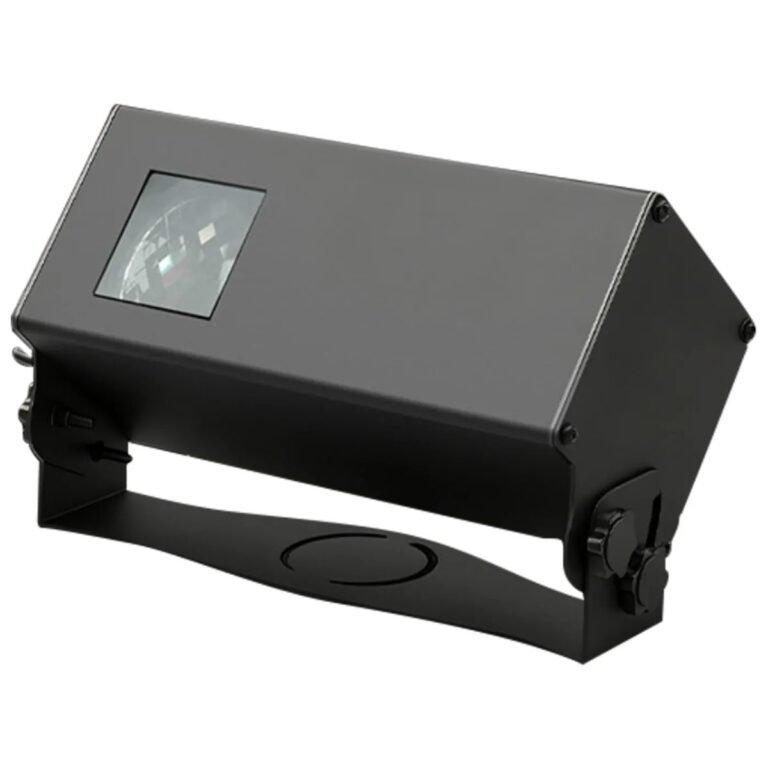

A brand team reaches the end of a custom-projector brief and asks me one careful tooling ownership agreement question: “If we pay for the mold, will this product be ours?” I do not answer with one yes or no. I draw five rows: tooling ownership, custody and access, transfer conditions, maintenance responsibility, and product exclusivity. One sentence cannot safely carry all five decisions.
The problem is not that buyers are asking the wrong question or that suppliers are necessarily hiding an answer. The problem is that the words ours, exclusive, and customer tooling compress several different commercial controls. That compression stays invisible while the project is moving forward. It becomes painful only when someone needs the tool inspected, repaired, moved, reused for a revision, or withheld from another program.
At Bowlum, the confirmed position is that the customer pays the tooling cost and all ownership belongs to the customer. That ownership statement does not automatically define custody, access, transfer, maintenance, tool life, or product exclusivity. A standard catalogue product also does not become exclusive merely because a buyer places an order.
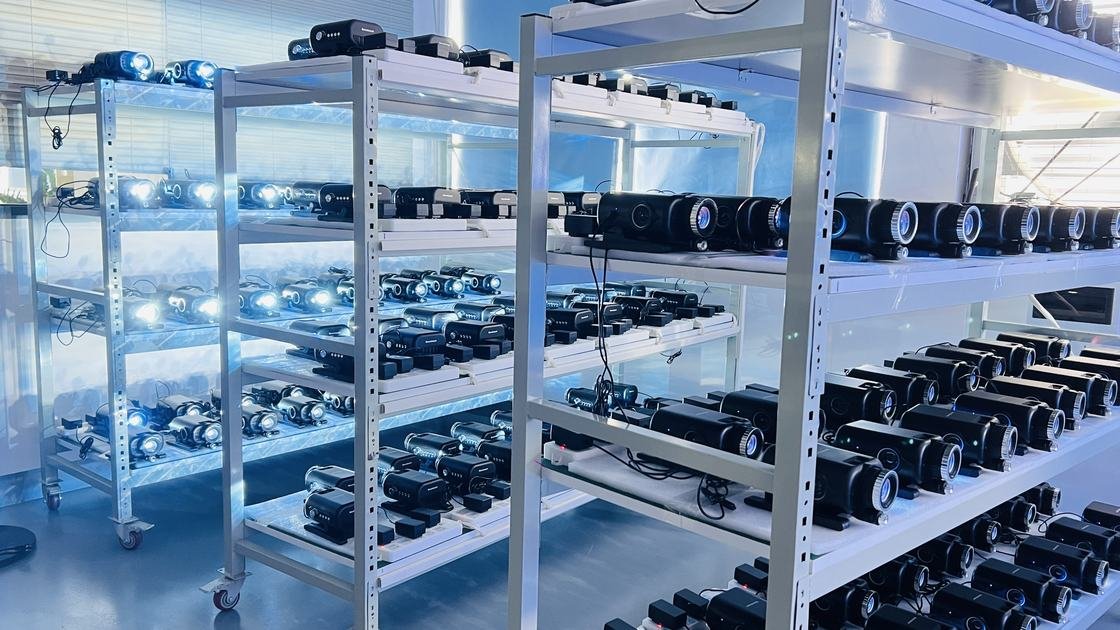
The racks show finished projector forms inside our factory. They do not show which tooling made each part, who funded it, or what commercial use was agreed. Below, I separate the five terms, show where our confirmed fact stops, and give buyers a review sheet they can use before custom development begins. Bowlum's broader OEM and ODM process covers the development path; this article stays with the ownership and exclusivity interface.
When Does a Projector Project Need a Tooling Ownership Agreement?
Private label, custom colour, custom housing, and custom function are often grouped under one heading. At Bowlum, they do not enter the same development path, so I first ask what is actually changing. Our color-versus-new-tooling guide owns that classification in detail; here I use it only to decide whether a tooling agreement is relevant.
A tooling ownership agreement becomes relevant when the project creates identifiable customer-funded tooling. Under Bowlum's confirmed process, changing only the housing colour does not require new tooling; changes to appearance, structure, optics, circuitry, or function do. Ordering a standard catalogue product does not itself create a new customer-owned tool.

The BWL-OL-003 image is useful as catalogue context. It shows a sellable product application, not a customer tooling file. A buyer can start from an existing product, request only a colour change, or propose a physical redesign, but those three starting points should not inherit the same ownership language.
| Project starting point | What I record first | Tooling-ownership implication |
|---|---|---|
| Standard catalogue configuration | Exact public SKU, variant, accessories and approved sample | The order does not automatically create customer-owned tooling or product exclusivity |
| Housing-colour-only change | Base SKU, colour reference and signed colour sample | Bowlum's confirmed path does not require new tooling for that change |
| Appearance or structural change | Changed surfaces, interfaces, parts and design revision | New tooling is required; identify every customer-funded tool before approval |
| Optical change | Changed optical part, interface and intended function | New tooling is required; keep the optical development scope distinct |
| Circuit or functional change | Changed board, control or function boundary | New tooling is required and circuit development is triggered; list the physical tools separately from software and electronics |
This first classification prevents a common mistake: discussing “the mold” before anyone has named what the mold is. I ask for an inventory that connects each tool to a physical part, design revision and project. A broad line such as “all molds for the product” can hide inserts, fixtures, gauges, duplicate tools, later modifications, or tools created for only one component. If an item is not identified, the ownership sentence has no reliable object.
The same discipline protects the supplier. A standard catalogue housing that already existed before the buyer's project should not be silently swept into a new customer-tooling statement. The buyer-funded items and the pre-existing production resources need separate rows. I am not deciding legal title from a spreadsheet; I am making sure the commercial team can see exactly what the parties are discussing before formal documents are prepared.
If the Customer Pays for the Mold, Who Owns It?
Buyers often assume payment and ownership always travel together, while some quotations mention a tooling charge without saying anything about ownership. I do not leave that relationship to implication.
For Bowlum customer-funded tooling, the factory-confirmed position is direct: the customer pays the tooling cost, and all ownership belongs to the customer. That answer should be tied to an exact tooling inventory and project revision; it does not fill the separate custody, transfer, maintenance, or exclusivity rows.

BWL-OL-004 is another public catalogue product. The scene image can help a buyer identify the product family under discussion, but it cannot tell us whether a later custom project uses existing factory resources, new customer-funded tooling, or a combination. Product identity and tool identity are two linked records, not one.
Turn “Customer-Owned” Into an Identified Record
I use a short tooling register before I accept any ownership wording as complete:
| Register field | Decision it supports | What remains open |
|---|---|---|
| Tool identifier and description | Which physical item the ownership statement refers to | Whether related fixtures, inserts or duplicate tools are included |
| Product part and revision | Which design the tool produces | How later revisions or replacement tools will be classified |
| Funding source | Which party funded the identified item | It does not by itself define custody, transfer or permitted use |
| Ownership statement | Who is recorded as owner | How the statement is documented for the project |
| Current status and location | Where the item is recorded at the review date | Access, inspection and transfer conditions still need separate answers |
That last column matters. “Owned by customer” is meaningful, but it is not a magic phrase. It does not state who physically holds the tool today, who may authorize access, what documentation follows it, or what process applies if a transfer is requested. I keep those questions open until the responsible people answer them.
I also avoid claiming that this article decides legal title or enforceability in every jurisdiction. It is a factory-side procurement checklist, not legal advice. Its job is to prevent five commercial subjects from disappearing inside one vague line before the buyer's appropriate reviewers turn the agreed business points into project documents.
Name the physical tool first, record ownership second, and never let the ownership row answer four questions it was not written to answer.
What Five Terms Should a Tooling Ownership Agreement Separate?
The most dangerous tooling file is not always the one with a blank ownership field. It is often the one with a confident ownership sentence that everyone assumes has settled the rest.
Separate five terms: ownership, custody and access, transfer conditions, maintenance responsibility, and product exclusivity. They interact, but none is a substitute for another. Each row needs its own scope, current status, responsible reviewer and evidence.
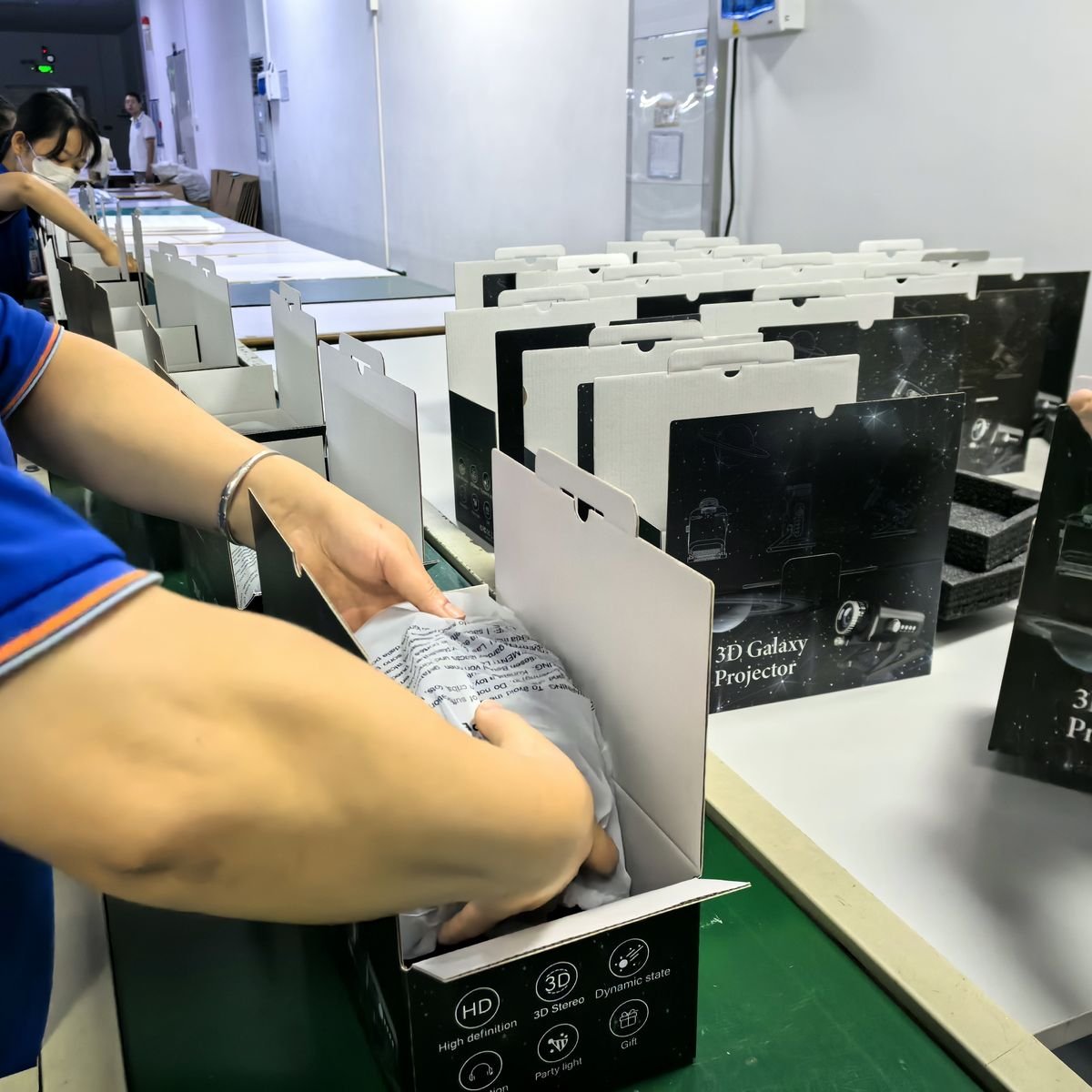
This packing image makes the separation visible. A branded box, printed manual or approved packing layout can change what the customer sees without changing who owns a housing mold. In the same way, owning a mold does not automatically determine who owns firmware, an app, cloud services or content. Our private-label app ownership guide maps that software stack separately.
| Commercial term | The exact question | What the answer does not prove |
|---|---|---|
| Tooling ownership | Who owns each identified customer-funded physical tool? | Where it is held, who may access it, whether it can be moved, or who may use the resulting product |
| Custody and access | Where is the tool held, who controls access, and what inspection or record access is available? | Ownership, transfer approval or maintenance allocation |
| Transfer conditions | What project-specific process, approvals, records and responsibilities apply if a transfer is requested? | That transfer is automatic, immediate, cost-free or already approved |
| Maintenance responsibility | Who reviews condition, authorizes work, keeps records and decides the next step after a problem? | A guaranteed tool life, repair outcome or replacement obligation |
| Product exclusivity | Which product, design revision, territory, channel, duration and exceptions are being requested and accepted? | Ownership of the physical tool or exclusivity beyond the written scope |
Give Every Row a State
I mark each row confirmed, pending project review, not included, or not applicable. Those states are more useful than a page of confident prose. They allow sourcing, engineering and the supplier to see which decisions are real and which are still assumptions.
For Bowlum, I can fill one row from the confirmed fact: customer-funded tooling belongs entirely to the customer. I cannot honestly pre-fill a universal custody arrangement, transfer procedure, maintenance allocation, tool-life rule or exclusivity period because those answers are not confirmed as standard terms. Leaving them pending is not a weakness. It is the control that prevents an open issue from turning into a silent promise.
The five-row split also prevents negotiation from jumping too far ahead. A buyer may care mainly about exclusivity, but the factory still needs an exact product definition before it can understand what is being requested. Another buyer may care mainly about future mobility, but a transfer discussion cannot be specific until the tooling inventory and current project state are clear. The matrix gives those conversations an order.
Does Customer-Owned Tooling Make the Product Exclusive?
This is where buyers most often combine two different controls. A physical tool can be customer-owned, while the commercial permission to sell a product remains undefined.
No. Customer ownership of manufacturing tooling does not automatically create product exclusivity. Bowlum has confirmed customer ownership of customer-funded tooling, but a standard exclusivity period has not been confirmed; any requested product exclusivity needs separate, case-by-case written review.
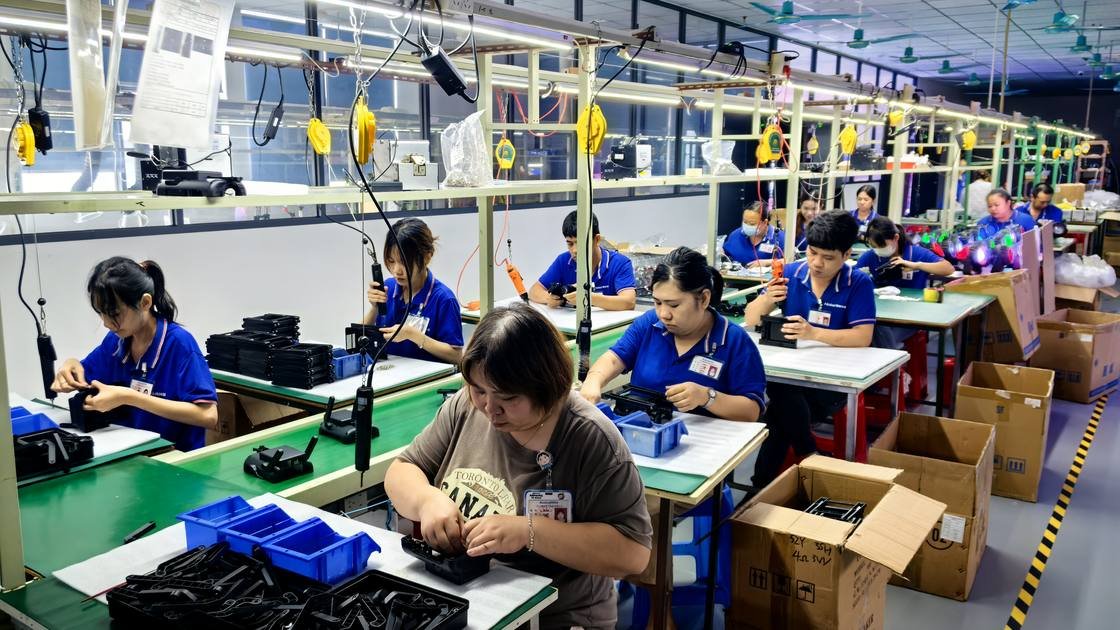
A production line may handle housings, boards, optics and accessories that follow different ownership and sourcing paths. The image shows assembly activity. It does not show who funded a particular tool, whether a design is standard or custom, or whether any commercial restriction applies.
Standard Catalogue Orders Do Not Create Automatic Exclusivity
An order for an existing product in the Bowlum catalogue does not automatically make that product exclusive to the buyer. The buyer may add brand presentation, approve a destination configuration or select a variant, but none of those actions silently removes the same catalogue starting point from other customers.
That does not mean no case-specific arrangement can ever be discussed. It means the buyer should not infer one from order placement, volume, a private-label box, or a tooling line. If product exclusivity matters, put the request on its own row and wait for an explicit answer.
Define the Requested Exclusivity Before Asking for Yes
“Will you sell this to anyone else?” is understandable, but it is too broad for a useful factory response. I ask the buyer to define the request before the supplier evaluates it:
| Exclusivity dimension | Buyer question to define | Why it changes the request |
|---|---|---|
| Product object | Exact finished product, housing design, component, effect, or complete configuration? | A physical tool may cover only one part of the finished product |
| Revision | Current approved revision only, or later derivatives as well? | A later change may create a different product and different tooling |
| Market boundary | Which territory, sales channel or customer segment? | “Exclusive” can describe very different commercial scopes |
| Time boundary | What requested start, duration and end condition? | Bowlum has no confirmed standard exclusivity period to inherit |
| Exceptions | Existing programmes, standard components, replacement supply or other named exceptions? | Unstated exceptions produce conflicting expectations |
| Approval state | Requested, under review, accepted, declined or expired? | A request is not an agreement |
I do not promise that any requested scope will be accepted. My role at this stage is to make the request reviewable and to keep the answer distinct from tooling ownership. I also do not tell a buyer that owning one mold prevents any other manufacturer from making a similar-looking product. That would be a technical and legal conclusion the ownership fact does not support.
A mold can have one recorded owner while the product-exclusivity row is still blank. Treat the blank as pending, not as yes.
How Should Custody, Access, and Transfer Conditions Be Handled?
Ownership conversations often happen at project launch, while custody and transfer questions appear much later. I bring them forward because location and future process should not be discovered during a dispute or supplier change.
Handle custody, access and transfer as project-specific written questions, not as consequences assumed from ownership. Identify the tool and current location, ask who controls access and records, and define what review process would apply to a transfer request. Do not assume that a transfer is automatic, immediate, approved or governed by a standard Bowlum procedure.
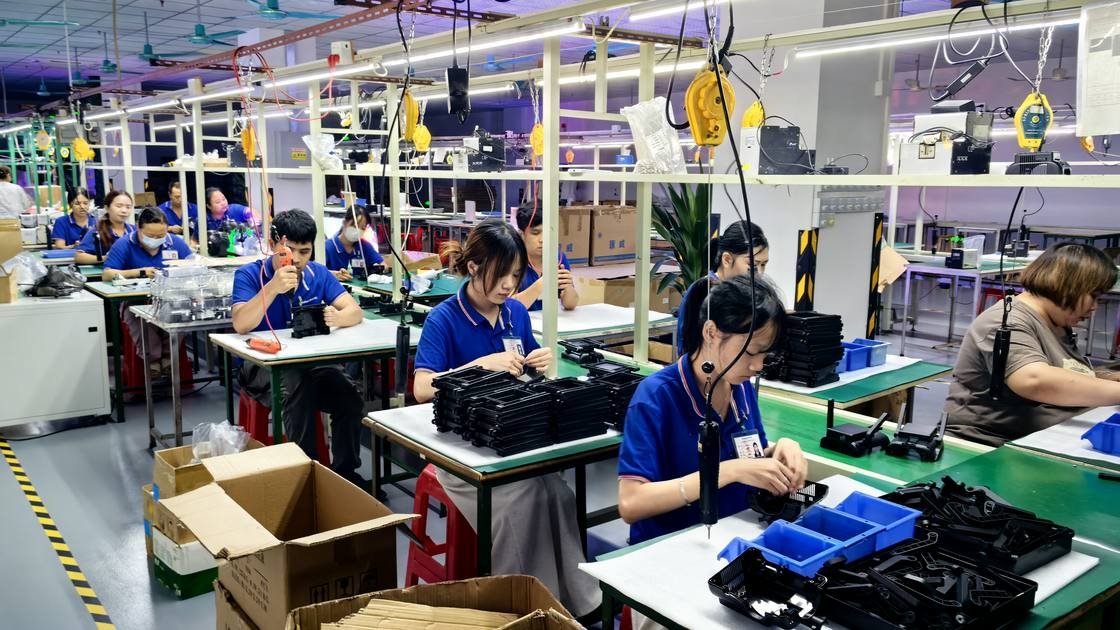
The workshop image is deliberately broad. It proves only what is visible: people, benches, parts and production activity. It does not identify a customer tool, its storage position, a custody record or a transfer commitment.
What I can confirm publicly is the customer-ownership position for customer-funded tooling. Our current fact layer does not define a universal transfer protocol, access rule or custody promise. I therefore use a question sheet instead of writing an attractive answer that the factory has not given.
| Control point | Project-specific question | Acceptable review state |
|---|---|---|
| Custody record | Where is each identified tool recorded as being held, and who maintains that record? | Confirmed location and record owner, or pending |
| Access | Who may request inspection, images, records or supervised access, and through which responsible role? | Confirmed process, not included, or pending |
| Transfer trigger | What event or request starts a transfer review? | Named trigger and reviewer, or pending |
| Tool status | Which identification, revision, condition and maintenance records accompany the review? | Defined record set, or pending |
| Release and receiving | Which roles approve release, coordinate movement and acknowledge receipt? | Named responsibilities, or pending |
| Open consequences | Which timing, logistics, condition or other commercial points still need a separate decision? | Visible open-item list; no inherited assumptions |
The wording “transfer review” is intentional. I am not promising that a tool can be moved under any requested condition, nor am I describing a legal remedy. I am showing the buyer where an operational answer is needed. The parties can then decide what they are prepared to document for that exact project.
This section also changes how I read a supplier's refusal or delay. A missing answer does not prove bad faith. It means the row is unresolved. The buyer can decide whether the project may proceed with that uncertainty, whether the scope should change, or whether another qualified reviewer must resolve it. The important thing is that the uncertainty remains visible.
Who Is Responsible for Mold Maintenance, Repair, and Tool Life?
Tool life sounds like it should be a simple number. Without an exact tool design, material, production use, storage condition, inspection method and repair history, that number becomes decoration rather than a planning control.
Tooling ownership alone does not assign maintenance, repair, replacement or tool-life responsibility. Bowlum has not confirmed a standard public rule or life figure for these items, so buyers should define the review process, authorization, records and responsibility for the exact tooling instead of accepting a universal cycle claim.
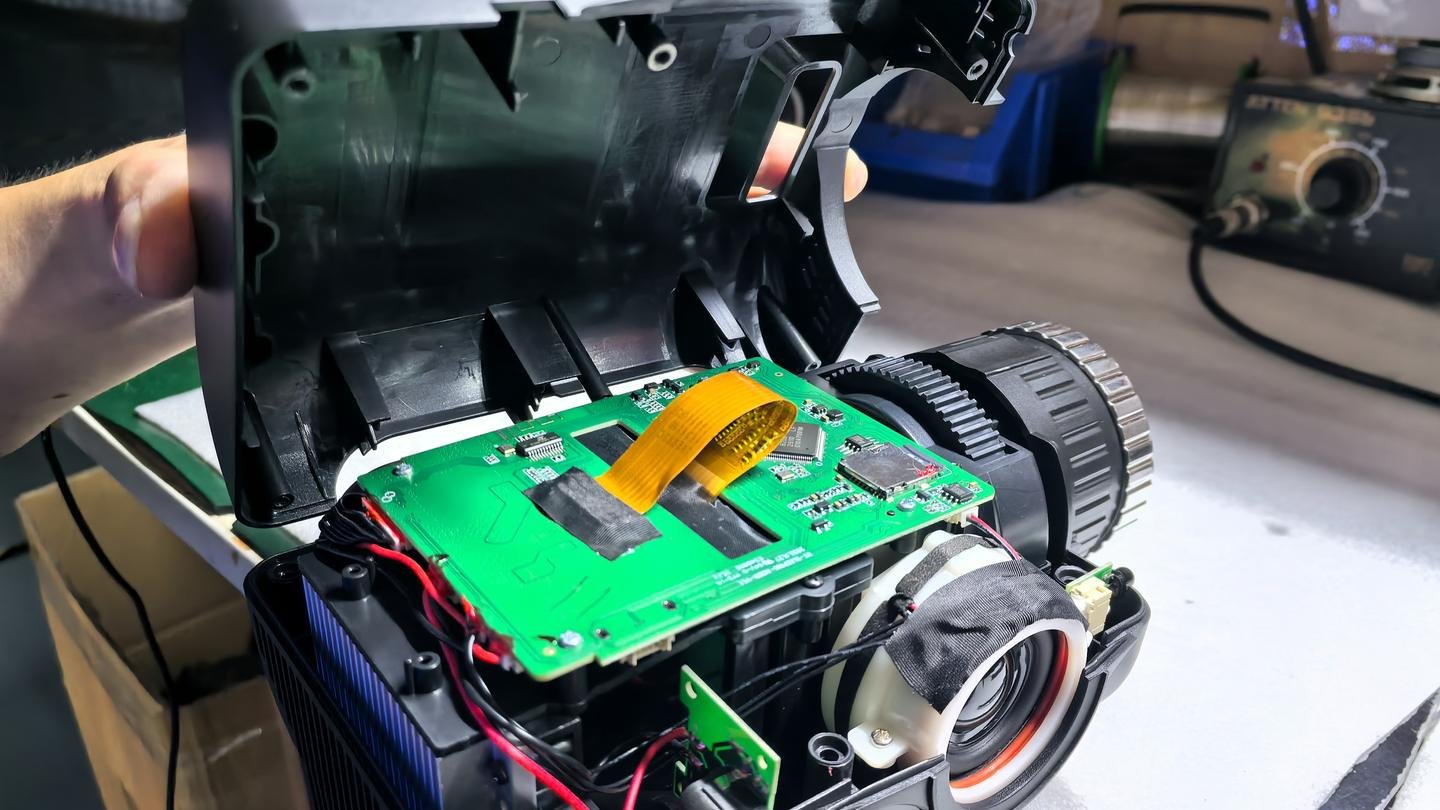
This photograph is not a mold-maintenance image. It shows an opened projector and circuit board during inspection. I use it only to make a process point: when a physical item's condition changes, the team needs an identified object, a finding, an authorized next action and a record. A photograph of a different process cannot supply a tool-life figure.
Replace the Life Claim With a Condition-Control Plan
I ask for decisions around observable events rather than a guessed life promise:
| Event | Question to settle | Record to retain |
|---|---|---|
| Routine condition review | Who reviews the exact tool, at what project-defined point, and against which condition criteria? | Tool ID, date, reviewer, observation and status |
| Wear or damage observation | Who stops, escalates or authorizes continued use? | Finding, affected part/revision and decision owner |
| Proposed maintenance or repair | Who approves the scope and records what changed? | Proposal, authorization, work record and updated status |
| Tool modification | Does the change create a new revision or affect the approved product baseline? | Revision link, sample or validation decision and release state |
| Storage pause or restart | What condition review is required before reuse? | Pre-storage status, restart review and approval state |
| End-of-use decision | Who determines the next commercial and physical step? | Decision, responsible roles and unresolved follow-up |
None of those rows guarantees a lifetime or repair result. They create traceability. If a buyer asks me for a universal number without tool-specific evidence, I leave the number blank and build the condition-control row first.
The same discipline applies to cost responsibility, but this article does not publish amounts or assign a universal payer. Maintenance, repair and replacement allocation remain open until they are agreed for the project. A customer-ownership statement should not be rewritten after the fact to answer those questions.
This is the section where a tooling agreement earns its value. Ownership tells the team whose asset is identified. The maintenance system tells the team what happens when production reality no longer matches the original condition. Both matter, and neither should pretend to be the other.
What Should Be Frozen Before Custom Development Starts?
Teams often wait until the tool is being made to discuss ownership and wait until production to discuss exclusivity. I move the review to the point where the design and commercial scope are still being defined.
Before custom development is released, freeze the exact tooling inventory, record the ownership position, and give custody/access, transfer, maintenance and exclusivity their own written states and decision owners. Open terms may remain pending, but they must not silently inherit a yes from the ownership row.
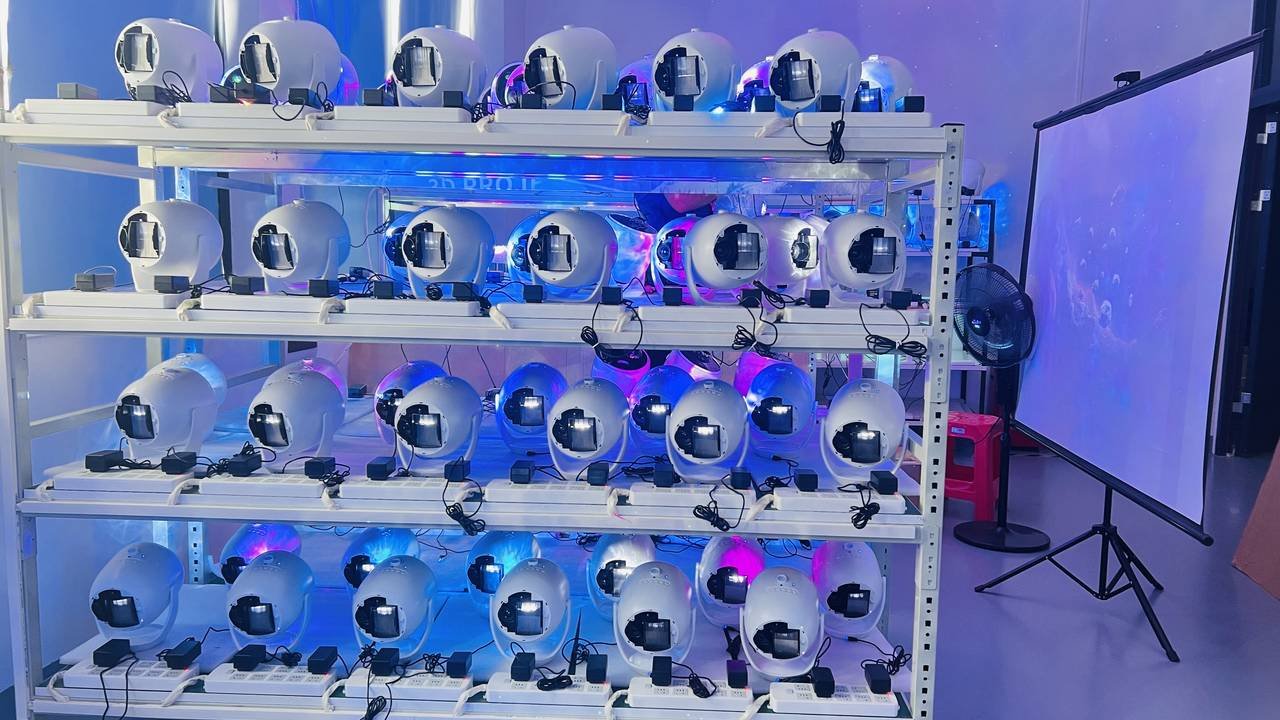
The test rack is a real factory process image, but it is not evidence of a particular customer development or mold. It illustrates a later stage in the product chain. The ownership and exclusivity interface should be defined before a project reaches any comparable release activity.
The Five-Row Release Sheet
I use a compact review sheet that can sit beside the design brief:
| Release row | Minimum project record before release |
|---|---|
| Tooling ownership | Identified tool list, product revision, funding record and customer-ownership statement |
| Custody and access | Current state, responsible reviewer and any agreed access process—or a visible pending status |
| Transfer conditions | Requested scope, review trigger, responsible roles and written state—or pending |
| Maintenance responsibility | Condition-review owner, authorization path, record method and unresolved allocation |
| Product exclusivity | Defined request across product, revision, market, time and exceptions, plus the supplier's explicit state |
I add one more control outside the five rows: release authority. Someone on the buyer side and someone on the factory side must know whether an open row blocks the next step or is an accepted uncertainty. Otherwise, “pending” becomes a polite word for forgotten.
A Brand Story: One Question Became Five Decisions
A product lead at a US outdoor-lifestyle brand brought me a catalogue projector as a starting point and a sketch for a changed physical design. The last line of the brief asked whether paying for tooling would make the finished product exclusive.
I did not answer from the sketch. I separated the standard catalogue starting point from the proposed customer-funded tooling and opened the five-row sheet. I recorded Bowlum's confirmed ownership position for the customer-funded tooling. Then I left custody/access, transfer conditions, maintenance responsibility and exclusivity pending because none of those had a project-specific written answer.
For the exclusivity request, I asked the product lead to define the exact finished configuration, revision, market boundary, requested duration and exceptions. For the transfer and maintenance rows, I asked our responsible teams to state what they could actually review and document rather than borrowing language from the ownership line.
The next development brief was better because it no longer asked one word—exclusive—to do five jobs. The buyer had a precise request, our team had visible open items, and design release had an explicit decision point. No one needed to pretend that a pending commercial term had already been granted.
The safest time to discover an open tooling term is before design release, when “pending” can still guide a decision instead of explaining a conflict.
Conclusion
A tooling ownership agreement should not be treated as a shortcut to supplier independence or product exclusivity. It should identify the physical tooling, connect it to the correct product revision, and record the ownership position without borrowing answers from neighbouring subjects. At Bowlum, customer-funded tooling belongs entirely to the customer. Custody and access, transfer conditions, maintenance responsibility, tool life and product exclusivity still require their own project-specific answers.
Start by deciding whether the request creates new tooling at all. Then split the five terms, assign a state and reviewer to each one, and keep standard catalogue availability separate from a custom exclusivity request. My release rule is simple: I will record the customer-ownership fact confidently, but I will not let it approve a transfer process, maintenance rule or exclusive product scope that has not been separately reviewed.
Frequently Asked Questions
If I pay for manufacturing tooling, do I own the mold?
At Bowlum, customer-funded tooling belongs entirely to the customer. Tie that ownership statement to an exact tooling inventory and project revision. Do not assume it also defines custody, transfer, maintenance or product exclusivity.
Does owning a mold make my product exclusive?
No. Ownership of an identified physical tool and permission to sell a finished product are separate commercial terms. Bowlum has not confirmed a standard exclusivity period, so any requested product exclusivity needs its own scope and case-by-case written review.
Can a standard catalogue projector become exclusive when I order it?
Not automatically. Ordering an existing catalogue configuration, selecting a variant or adding private-label packaging does not silently create product exclusivity. Any case-specific exclusivity request must be defined and answered separately.
What should a tooling ownership agreement record?
Identify each tool, the product part and revision it serves, the funding source and the ownership position. Then keep custody/access, transfer conditions, maintenance responsibility and product exclusivity in separate rows with their own states and reviewers.
Can I transfer customer-owned tooling to another manufacturer?
Do not assume that ownership creates an automatic transfer process. Ask for the project-specific trigger, approvals, records, responsibilities, tool status and receiving process. Bowlum does not currently publish a universal transfer protocol.
Who pays for mold maintenance or repair?
Ownership alone does not determine that allocation. The exact project should define who reviews condition, authorizes work, keeps records and decides the next step. Bowlum has not confirmed a universal public maintenance or repair rule.
How long should a manufacturing mold last?
There is no supported universal life figure in Bowlum's current fact layer. Tool design, material, use, storage, inspection and repair history all need project-specific assessment. Use a condition and maintenance record instead of an unsupported cycle claim.