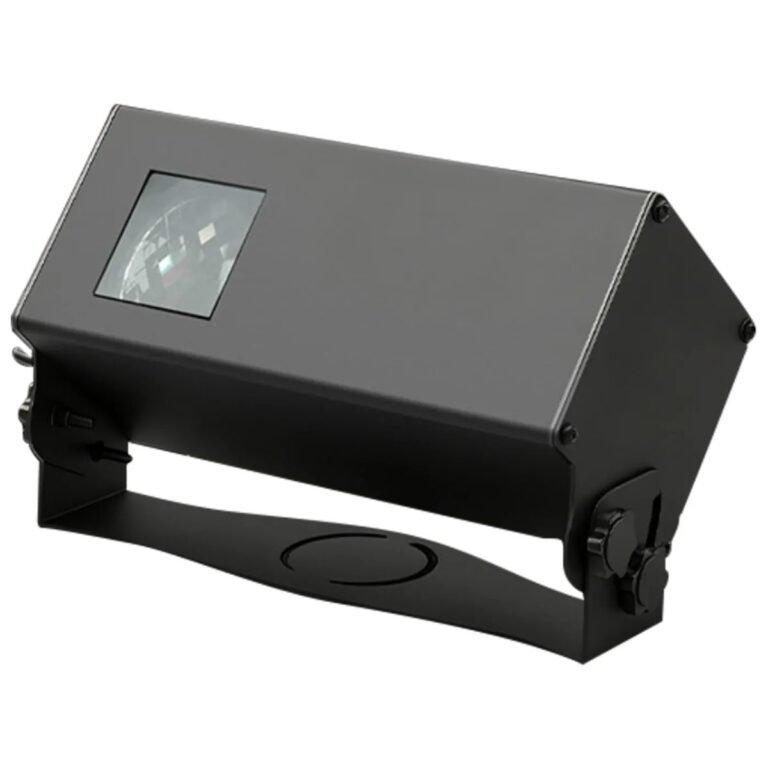

UK importer responsibilities are sometimes reduced to one spreadsheet cell labelled “UK Responsible Person.” When a UK buyer sends me that sheet, I do not type a name into it. That phrase belongs to specific product regimes; it is not a universal job title for every projector, lamp or electrical product entering the United Kingdom. Filling the cell before identifying the goods, market and applicable rules can make a tidy file hide the wrong role.
The first distinction is geographic. This guide addresses goods intended for Great Britain—England, Scotland and Wales. Northern Ireland follows a different market route, so “UK” alone is not a sufficiently precise destination field. The second distinction is operational: manufacturer, authorised representative, importer and distributor are different economic-operator roles. A company may hold more than one role, but its duties come from what it actually does under the applicable product rules, not from the title on its email signature.
UK importer responsibilities should be recorded only after the buyer identifies the exact goods, the Great Britain route and the applicable product rules. The useful output is not a generic responsible-person appointment; it is a role-and-product record connecting the manufacturer, any written-mandate authorised representative, the importer, the exact configuration, the evidence reviewed and every open local decision.
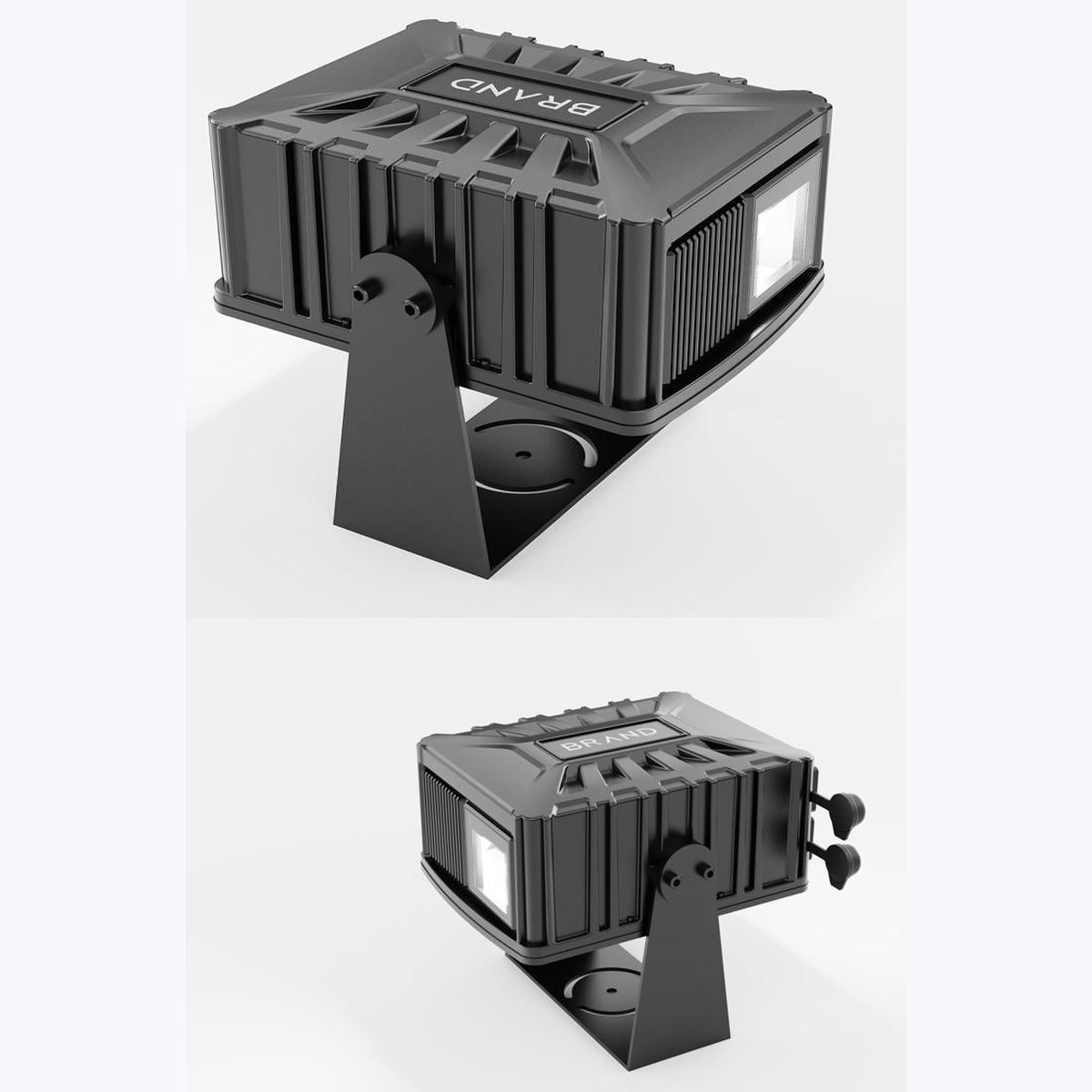
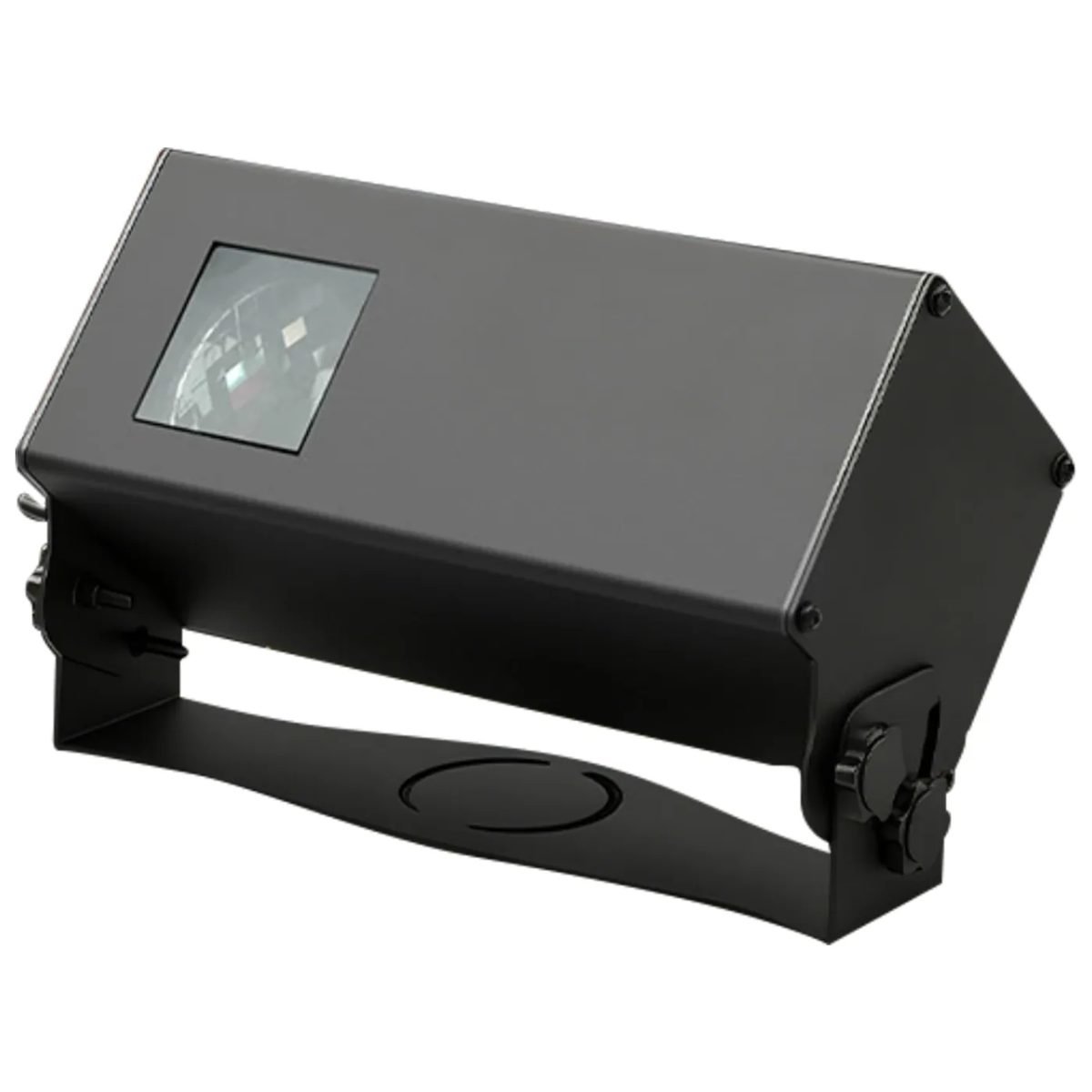
The BWL-OL-004 image above is useful only because it gives the discussion a real product identity. It cannot show which version is selected, which adapter will be supplied, who first places the goods on the GB market, or which rules a competent reviewer will apply. Those decisions need records. A product photograph cannot carry them.
This article is an operational framework for buyers, not legal advice. Product-specific legislation and current government guidance remain the decision sources. Where the applicable answer is not established, the product record should preserve the open question and its owner rather than turn an assumption into a green check.
Where Do UK Importer Responsibilities Start for a Projector Shipment?
A buyer may begin with the supplier's product name, a plug request and a destination address. I begin one level earlier: what exact goods are being placed on which market, by whom, and under which product rules?
UK importer responsibilities start with a scoped placing-on-market record for the exact supplied configuration. Name Great Britain rather than “UK,” identify the product and included electrical chain, list the potentially applicable product rules for competent review, and record which UK-established individual or business supplies the goods from outside the UK for distribution, consumption or use in the course of a commercial activity in Great Britain.
I use a scope header before I build any compliance checklist:
| Scope field | What the working record should say | Why a generic entry fails |
|---|---|---|
| Intended market | Great Britain, Northern Ireland, or another named destination | “UK” can hide two different routes |
| Exact goods | Public SKU, selected version and complete supplied set | A product family does not identify the reviewed configuration |
| Commercial action | Who manufactures, imports, distributes, brands or modifies the goods | A job title does not establish the legal role |
| Product-rule review | Named rules considered, reviewer and decision date | “Electrical product” is not one complete rule set |
| Evidence state | Available, conditional, missing or superseded | An attachment folder does not show what was actually accepted |
This is why I will not decide the scope from a low-voltage rating printed in a catalog. A projector body can be supplied with an external adapter, cable, controls and mounting parts. The relevant review may need to consider the complete supplied chain, each item's identity and more than one product rule. Whether a particular regulation applies is a destination decision for the exact goods, not a conclusion that can be recovered from one voltage cell or a marketing image.
The same discipline applies when the buyer owns the brand. If the GB business places the product under its own name or trademark, or changes it in a way that affects the applicable requirements, its role may change. I flag that commercial action before anyone copies the manufacturer's or importer's checklist from an earlier program.
I never fill the role cell until the exact goods, intended market and product-rule review are named in the same record.
Which Economic Operator Role Does the GB Buyer Actually Hold?
“Supplier,” “brand,” “agent” and “distributor” are commercial words. They can be useful in a sales conversation, but they do not allocate manufacturer, authorised-representative, importer or distributor duties by themselves.
Classify the role from the activity. The manufacturer makes or has the product made and places it under its name; an authorised representative performs only tasks delegated in a written mandate; a GB importer is an individual or business established in the UK that supplies goods from outside the UK for distribution, consumption or use in the course of a commercial activity in Great Britain; and a distributor makes already-placed goods available further down the chain. The applicable product rules supply the final definitions and duties.
I turn the supply chain into actions rather than company labels:
| Role under review | Operational question I ask | Record that should exist |
|---|---|---|
| Manufacturer | Who controls design/manufacture and whose name is placed on the product? | Manufacturer identity, product definition, technical and conformity record references |
| Authorised representative | Has the manufacturer appointed a UK-established party, and which tasks are written in the mandate? | Signed mandate, task scope, limits, dates and responsible contacts |
| Importer | Which UK-established individual or business supplies the goods from outside the UK for distribution, consumption or use in commercial activity in Great Britain? | Importer identity, establishment basis, independent verification record, traceability and retained evidence |
| Distributor | Who supplies goods after they have been placed on the market? | Due-care checks, product/party traceability and escalation route |
One company can move between rows. A GB distributor buying from another GB importer may remain a distributor for that transaction. The same company buying directly from an overseas manufacturer may be the importer. If it applies its own name or makes a relevant modification, it may need to review whether manufacturer responsibilities now attach. I do not settle those questions from an invoice label; I make the buyer document the real route and send uncertain classifications to its competent reviewer.
This role map also prevents a weak handoff between sales and compliance. Sales may know who issued the purchase order. Logistics may know the importer of record for transport or customs purposes. Neither fact automatically answers the product-regulation role question. The product file should identify the role under the applicable product rules separately from customs, freight or commercial labels.
Most importantly, the map has to be product-specific. A business can hold different roles for different programs, and a role that was correct for an earlier SKU does not automatically transfer to a new configuration or market route.
What Can an Authorised Representative Do for an Overseas Manufacturer?
An authorised representative can sound like a convenient substitute for a manufacturer or importer. When I review that arrangement, I ask to see the mandate before I accept the title.
An authorised representative may perform only the tasks the manufacturer delegates in writing and the applicable product rules permit. The mandate should name the products, tasks, limits, evidence access, communication route and duration; it does not erase the manufacturer's ultimate responsibility for the product.
I read a proposed mandate against five questions:
- Who appointed whom? The manufacturer and UK-established representative must be unambiguous.
- Which products are covered? A family name is weaker than a public SKU, selected version and revision list.
- Which tasks are delegated? Document retention, authority communication or another permitted task should be stated rather than implied.
- What remains outside the mandate? Product design, manufacture and other responsibilities cannot be assumed away by a broad sentence.
- What happens when evidence or the product changes? The mandate needs a notification and review path rather than silent inheritance.
I also keep an authorised representative separate from an importer. The same organisation might perform both roles in some arrangements, but the written representative mandate does not automatically prove that it is the importer, and importing goods does not automatically create a representative mandate. Each role needs its own basis and record.
This is where the generic phrase “UK Responsible Person” becomes especially risky. Some product regimes use a responsible-person concept—medical devices and cosmetics are familiar examples—but that terminology should not be copied into an ordinary projector file unless the applicable rules actually create that role. A role title imported from another industry can conceal the absence of an importer verification record or a valid authorised-representative mandate.
The practical rule is simple: if the manufacturer wants a representative to perform a task, put the permitted task, product scope and information access in writing. If the GB buyer is also importing, maintain the importer record separately. One title should never stand in for two unexamined roles.
Which UK Importer Responsibilities Belong in the Product Record?
The importer's file is often treated as a folder of documents received from the factory. I treat it as a decision record: what was supplied, what the importer independently checked, what remains conditional and who owns the next action.
A GB importer product record should connect the exact product and configuration to the manufacturer, importer, applicable-rule review, conformity evidence, required marks and party identities, labels and instructions, traceability, storage or transport conditions, and any open corrective action. The exact fields and retention duties must be taken from the applicable product rules.
I organise the working record into four layers:
| Record layer | Minimum working content | Importer decision |
|---|---|---|
| Identity | Public SKU, selected version, label revision, adapter/cable/control set and manufacturer | Does the evidence describe the goods that will actually be supplied? |
| Applicable-rule review | Named rule, responsible reviewer, decision and conditions | Which obligations and evidence apply to this configuration? |
| Evidence and presentation | Declaration/report references where relevant, marks, manufacturer/importer identification, warnings and instructions | Are the required items present, current and internally consistent? |
| Traceability and response | Batch/unit reference where used, supplier and customer path, complaint/non-conformity record, escalation and disposition | Can the importer identify affected goods and act on a problem? |
This does not mean every promise needs a number. A strong verification row can be built from scope, conditions, responsible party, evidence and consequence. “Importer label verified for the approved packaging artwork by the named reviewer” can be auditable without inventing a tolerance. Conversely, a precise document number is useless if it belongs to another model.
The record should also show negative space. Not provided, not applicable under the reviewed rule, pending local review and superseded are different states. I do not let a blank field imply approval. When a model-level evidence question needs deeper work, I route it to our separate test-report model-coverage guide rather than compressing that method into one importer checkbox.
Finally, I keep the working record versioned. A declaration, label, manual or adapter identity can change without the product photograph changing. If the file cannot show which revision was reviewed, it cannot support a reliable release decision.
My importer-record release rule is exact configuration, exact role and exact evidence revision—not a folder that happens to contain official-looking files.
Which Records Must Come From the Manufacturer and Which Stay With the Importer?
The manufacturer and importer work on the same product, but their records should not collapse into one shared column. A supplier can provide source evidence; it cannot make the GB importer's independent decision or maintain every downstream traceability record on the importer's behalf.
The manufacturer should supply accurate product identity, technical and conformity records, approved labels/instructions and change information for the exact configuration. The importer should preserve its own verification, identity/marking checks, traceability, storage or transport controls where required, complaint and non-conformity handling, authority communication and corrective-action decisions under the applicable rules.
At Bowlum, I can help assemble the manufacturer-side source pack for the selected product: exact public identity, selected configuration, available product evidence, approved product/packing files and disclosed changes. I cannot turn that pack into a conclusion about the buyer's GB role, local obligations, channel acceptance or legal exposure. Those decisions sit with the responsible business and its competent advisers.
| Manufacturer-side source | Importer-owned work | Why both are needed |
|---|---|---|
| Exact product/configuration definition | Match supplied goods and labels to the reviewed definition | Prevents evidence from drifting away from the shipment |
| Technical and conformity evidence available for that configuration | Review relevance, completeness and applicable-rule conditions | Receipt is not the same as acceptance |
| Manufacturer identification and approved label/instruction files | Check required importer identity and destination presentation | Each party's required identity must remain visible |
| Change notice and superseding files | Reopen review, decide disposition and update the release record | A new revision must not inherit approval silently |
| Product-level issue information | Maintain downstream traceability, complaints and action decisions | The importer owns its market-side response chain |
A UK Distributor Case: Replacing the “Responsible Person” Cell With a Role-and-Record Gate
An anonymous UK distributor once showed me an early projector review sheet with a single compliance field: UK Responsible Person — name / fee / status. The buyer had not yet separated Great Britain from Northern Ireland, identified whether it would import directly, or selected the final product configuration. Filling that field would have created a confident answer to an undefined question.
I removed the fee field and did not nominate a person. First, I asked the team to name the intended market and exact configuration. Second, I converted the commercial route into four possible role rows: manufacturer, written-mandate authorised representative, importer and distributor. Third, I split factory-supplied source records from the importer's independent verification, identity, traceability and corrective-action records.
The buyer then had a better question for its local reviewer: “For these exact goods and this GB route, which product rules apply, which economic-operator role do we hold, and which record closes each duty?” Open points stayed marked pending owner decision; nothing was labelled approved, cleared or ready for sale.
The scenario ended at that review gate. I do not claim an appointment, shipment, customs outcome, listing result or avoided cost. The useful result was a record another reviewer could challenge without first untangling a borrowed role title.
What Should Happen When the Product, Evidence, Brand or Role Changes?
A product record can be correct on the day it is approved and wrong for the next shipment. I therefore treat change control as part of UK importer responsibilities, not as a purchasing note added after production.
Reopen the importer review whenever the exact configuration, manufacturer or importer identity, brand presentation, evidence, label/instruction set, authorised-representative mandate or market route changes. Record the delta, affected rule or duty, evidence required, decision owner, disposition and every downstream file that must be superseded.

I use five change states:
- No change confirmed for the reviewed scope: the named configuration and evidence revision remain the baseline.
- Proposed, not reviewed: a change exists, but the importer has not decided whether old evidence or presentation remains relevant.
- Conditionally accepted: the decision names the conditions and work still required before release.
- Approved and superseding: the new record identifies which earlier files it replaces.
- Observed but not pre-approved: the goods or records differ from the released baseline and enter hold/escalation.
This prevents two common shortcuts. The first is assuming that “same SKU” means the adapter, labels, instructions, controls and evidence stayed unchanged. The second is assuming that a new brand name or small construction change affects only artwork. Applicable product rules may assign manufacturer responsibilities when an importer places goods under its own name or modifies them, so the commercial action itself belongs in the review.
The change record should not diagnose legal effect by itself. Its job is to make the difference visible and route the correct question. If a declaration or test report needs renewed model-coverage review, use the model-evidence process. If the concern is listing interruption or patent exposure, use the separate certification and patent risk guide. The importer record remains the integration point, not a replacement for specialist analysis.
I also retain the earlier decision. Overwriting a spreadsheet removes the evidence of what the importer previously accepted. A superseding record should point backward so a complaint or authority question can be traced to the configuration that was actually supplied.
Where Can a UK Importer Product Record Still Fail?
A complete-looking matrix can create false confidence. The highest-risk rows are often the ones that use a correct term without proving that it belongs to the exact product, rule, party or revision.
A UK importer product record still fails when it uses the wrong market, copies a role from another product regime, maps evidence to the wrong configuration, treats an authorised representative as a substitute for manufacturer responsibility, hides importer-owned checks inside supplier files, or leaves local decisions without an owner. A full table is not a compliance outcome.
I run a final failure-mode review before calling the operational packet ready:
| Failure mode | What it hides | Corrective question |
|---|---|---|
| “UK” used without route | GB and NI were never separated | Which market is intended for these exact goods? |
| Generic “Responsible Person” | The applicable regime and role were not identified | Which product rule creates which economic-operator role? |
| Supplier file marked accepted | No importer verification or reviewer decision exists | Who checked relevance, identity, presentation and conditions? |
| One product family row | Version, adapter, controls or label revision may differ | What exact configuration is being released? |
| Representative title without mandate | Delegated tasks and limits are unknown | Where is the written appointment and permitted task scope? |
| Green status with no owner | An open local decision was silently converted to approval | Who decides it, on what evidence and with what consequence? |
This boundary matters commercially. A buyer can have a well-organised source pack and still need product-specific professional review. It can have a valid representative mandate and still hold importer duties. It can have a marked product and still need to verify that the marking, declaration, identities and instructions belong to the goods being supplied. None of those statements predicts what a regulator, customs authority, marketplace, insurer or customer will accept.
I regard the record as operationally complete only when each row is supported, explicitly not applicable under the reviewed basis, or assigned to a named owner with a hold condition. That is a documentation threshold, not a legal opinion.
I close the operational record when every open decision has an owner and consequence—not when the wording merely sounds official.
Conclusion
UK importer responsibilities do not begin with a generic responsible-person appointment. They begin with the exact goods, the Great Britain route, the applicable product rules and the economic-operator role created by the real supply chain. I separate manufacturer, written-mandate authorised representative, importer and distributor records; keep the manufacturer's responsibility intact; and make the importer preserve its own verification, identity, traceability and response decisions. The release rule is deliberately narrow: no product record is ready until its exact configuration, role, evidence revision and open-decision owners agree. The applicable legal conclusion still belongs to the buyer's competent reviewer.
Frequently Asked Questions
Does every projector need a UK Responsible Person?
No. “UK Responsible Person” is a role used by specific product regimes, not a universal title for all projector or electrical goods. Identify the exact goods, GB or NI route and applicable product rules before naming any economic operator.
Is a UK authorised representative the same as an importer?
No. An authorised representative performs tasks delegated by the manufacturer in a written mandate, within the applicable rules. For Great Britain, an importer is a UK-established individual or business that supplies goods from outside the UK for distribution, consumption or use in the course of a commercial activity in Great Britain. One company may hold both roles, but each needs its own basis and record.
Does appointing an authorised representative remove the manufacturer's responsibility?
No. The representative can perform only permitted tasks within the written mandate, while the manufacturer remains ultimately responsible for the product. The record should name the product scope, delegated tasks, limits and change process.
What should a GB importer keep in a projector product record?
Keep the exact configuration, manufacturer and importer identities, applicable-rule review, relevant declarations or technical evidence, marks, labels/instructions, traceability and importer decisions. Exact fields and retention periods must come from the product rules that actually apply.
Can a product photo or low-voltage rating decide which UK rules apply?
No. The supplied set may include an external adapter, cable, controls and mounting parts, and more than one product rule may need review. A competent reviewer should assess the complete exact configuration and intended market route.
When can a UK importer take on manufacturer responsibilities?
A GB business should review this when it places goods under its own name or trademark or modifies them in a way relevant to the applicable requirements. The product record should flag the commercial action and route the classification to a competent reviewer rather than assume the earlier role remains unchanged.
Does a complete importer checklist prove the projector is compliant?
No. A complete operational record shows what was identified, reviewed, supported, left conditional and assigned to an owner. It does not guarantee a customs, regulator, marketplace, customer or insurance outcome and is not a substitute for product-specific legal or technical review.